



Login
Get Instant Pricing On 23,000+ Aircraft

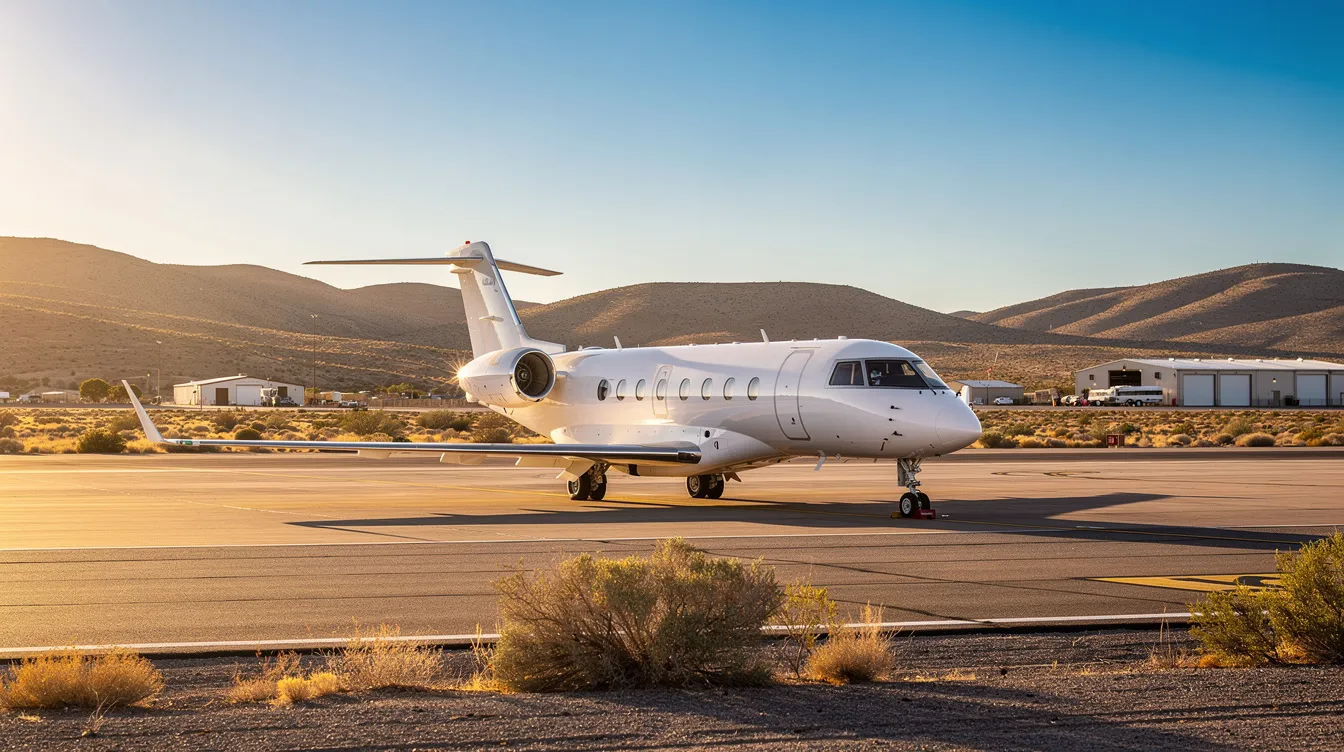
Choosing the right jet method is crucial for optimizing private aviation travel. This guide explores various options, including on-demand charters, memberships, jet cards, fractional ownership, and full ownership, helping travelers find the best fit for their needs.
Jeff Ryan Serevilla
Oct 22, 2026
|
5
min read



View all
This guide outlines Pebble Beach golf vacation packages tailored for golfers and luxury travelers, emphasizing seamless experiences that include private jet options. Packages typically cost between $4,000 and $5,000 per golfer for three nights and three rounds, featuring access to championship courses and luxury accommodations. Jettly facilitates private jet travel, offering instant pricing and a wide range of aircraft, enhancing the overall trip by saving time and accommodating golf gear. The article also highlights the importance of early planning for tee times and lodging, especially during peak seasons, to ensure an unforgettable golfing experience at this iconic destination.
Jay Franco Serevilla
Apr 28, 2026
|
5
min read

View all
A private plane pilot operates non-scheduled, on-demand aircraft for owners, companies, or charter platforms like Jettly, which connects travelers with a vast network of aircraft. The career path involves obtaining various certifications, including a Private Pilot Certificate, Instrument Rating, and Commercial Pilot License, typically taking 18–30 months and costing between $70,000 and $120,000. Private pilots enjoy a flexible lifestyle with diverse routes and responsibilities, but face unpredictable schedules and less job stability compared to commercial airline pilots. With increasing demand for private aviation, this profession offers competitive salaries and unique opportunities for those interested in a dynamic flying career.
Jay Franco Serevilla
Apr 28, 2026
|
5
min read
View all
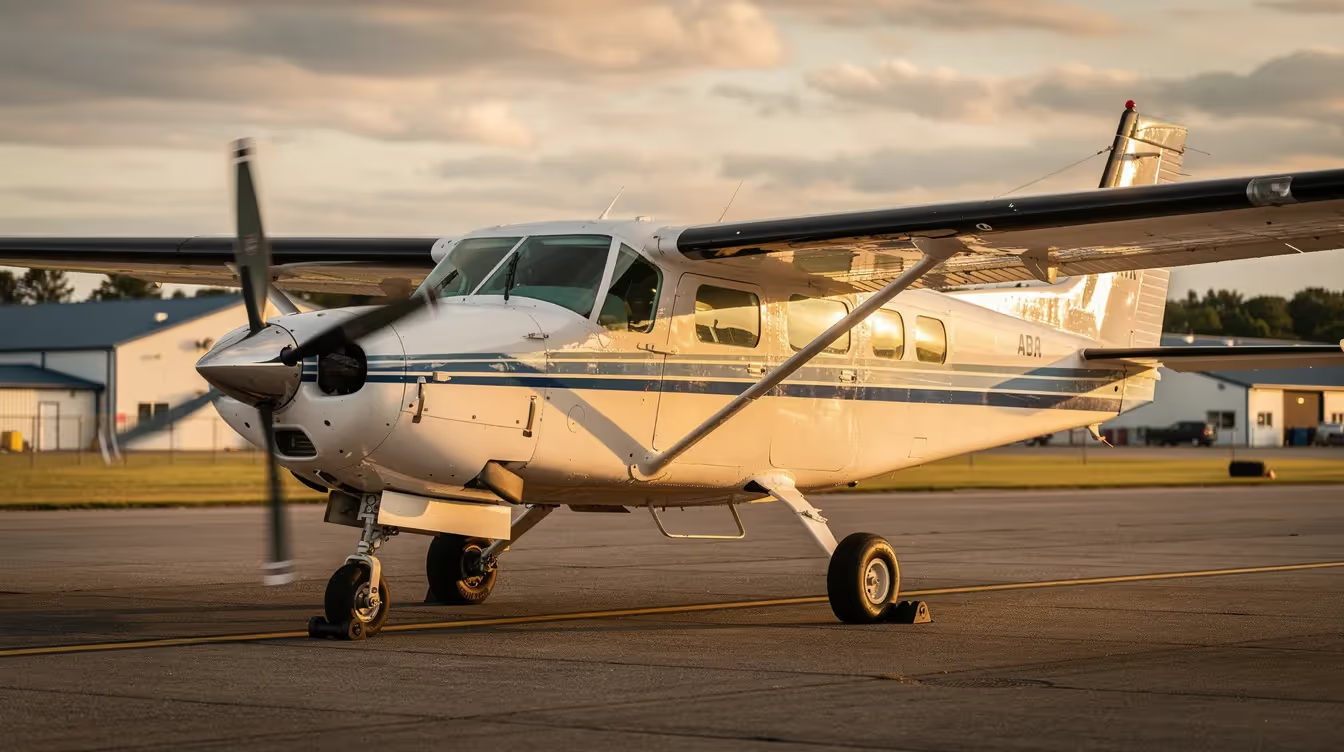
The Cessna Grand Caravan is a versatile turboprop aircraft popular in both private and commercial aviation, with late-model EX versions priced between $2.3M and $3.5M. Buyers can choose from various configurations, including passenger, cargo, and combi layouts, while annual ownership costs can exceed $600,000. Many travelers opt for chartering through platforms like Jettly, which offers on-demand access without the long-term commitments of ownership, typically costing $1,800 to $2,800 per hour. The Grand Caravan's reliability, short takeoff and landing capabilities, and low operating costs make it a top choice for diverse missions, especially in challenging environments.
Jay Franco Serevilla
Apr 28, 2026
|
5
min read
View all
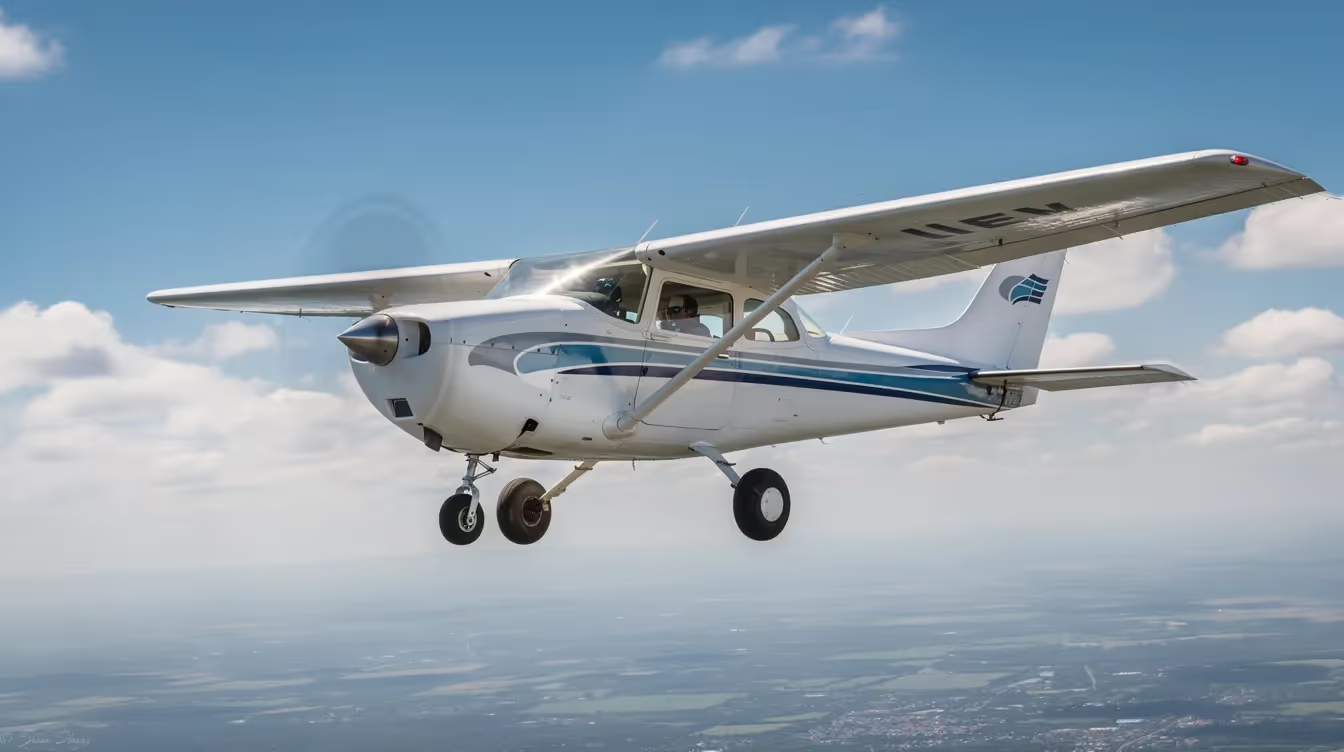
The Cessna Skyhawk (Cessna 172), the most produced aircraft in history since its introduction in 1956, is available for purchase or charter, with prices ranging from $40,000 to over $300,000 depending on model and condition. Total ownership costs average $100 to $150 per flight hour, making chartering a more economical option for those flying fewer than 50–75 hours annually. Buyers should consider acquisition costs, maintenance, insurance, and storage when evaluating ownership versus chartering through platforms like Jettly, which offers access to a wide range of aircraft and transparent pricing. A thorough pre-purchase inspection is essential to ensure the aircraft's reliability and value, particularly for older models.
Jay Franco Serevilla
Apr 28, 2026
|
5
min read

View all
Cessna aircraft are renowned for their reliability and versatility, making them a staple in general aviation for training, travel, and charter services. The Cessna 172 Skyhawk is highlighted as the best overall trainer and personal aircraft, while options like the Cessna 152 and 182 cater to budget training and family travel, respectively. For utility and charter operations, the Cessna 208 Caravan excels in short-field capabilities, and the Citation series offers luxurious private jet options for business travel. This guide helps pilots and travelers choose the right Cessna model based on their specific mission needs, emphasizing the practical benefits of chartering through platforms like Jettly over ownership.
Jay Franco Serevilla
Apr 28, 2026
|
5
min read
View all
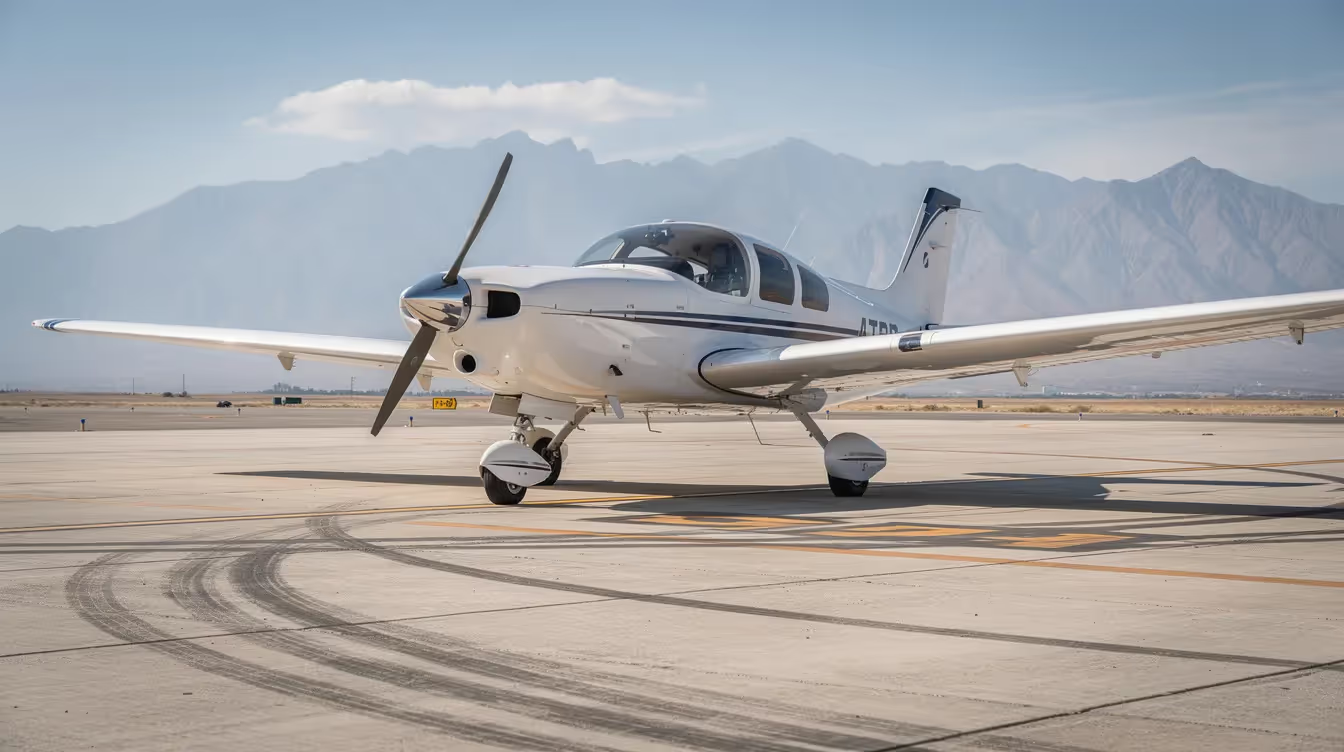
The market for single-engine planes offers a diverse range of options, from budget-friendly models to high-performance aircraft, catering to various mission profiles. With rising demand for general aviation in North America and Europe, first-time buyers are increasingly stepping up from rentals. Jettly provides a tech-driven private jet charter platform, allowing users to access a wide selection of aircraft without the financial burdens of ownership. Buyers are encouraged to evaluate aircraft based on mission needs, avionics, and maintenance history, while considering chartering as a flexible alternative for those flying less frequently.
Jay Franco Serevilla
Apr 28, 2026
|
5
min read
Explore our latest articles and updates.

5
min read
When Do Flights Have Sales? Timing, Patterns, and How to Catch the Best Deals
Understanding flight sales can lead to significant savings for travelers. Airlines typically offer promotions during specific months and weekdays, with the best deals often found for off-peak travel. By being flexible with travel dates and monitoring sales, both commercial and private jet travelers can secure the best prices.
Read More
5
min read
Do Travel Agents Get Discounts on Flights? (And How That Compares to Private Jet Booking)
Travel agents do receive discounts on flights, but these are not as significant or universal as many believe. The landscape has changed, with most agents relying on service fees and negotiated rates rather than deep discounts. Private jet booking platforms like Jettly offer transparent pricing and alternatives for travelers seeking flexibility and convenience.
Read MoreJoin our community and receive the latest blog updates directly in your inbox.
MEMBERSHIPS AND ASSOCIATIONS



Disclaimer: Jettly operates as a charter broker, offering access to a global digital jet charter marketplace. Jettly is not a direct air carrier and does not own or operate aircraft. All advertised flights are conducted by third-party air carriers that are fully licensed and hold the appropriate Part 135 or Part 121 certifications issued by the Federal Aviation Administration (FAA) or equivalent regulatory authorities under U.S. or foreign law. Jettly complies fully with the U.S. Department of Transportation's Part 295 and Part 298 Charter Broker regulations. Jettly does not carry additional liability insurance. Passengers are covered by aircraft operator insurance. TICO: 50023770


