



Login
Get Instant Pricing On 23,000+ Aircraft

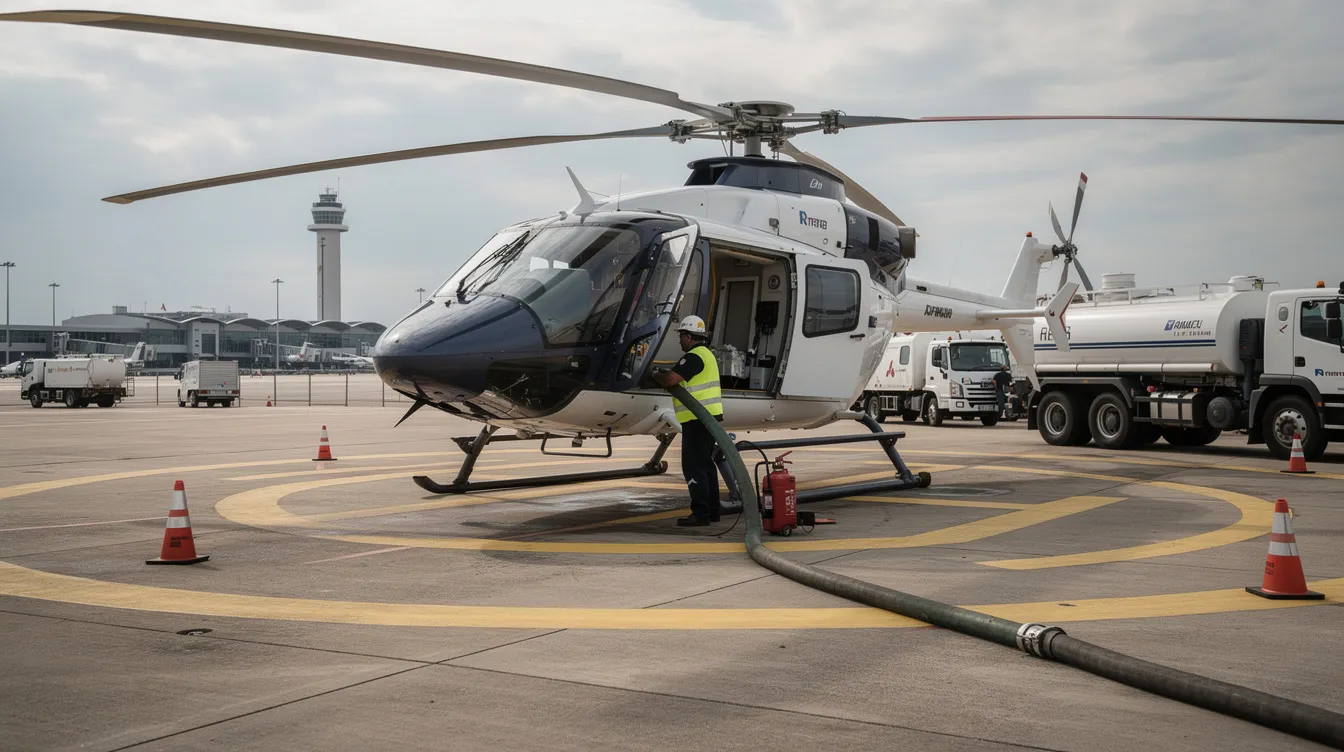
Helicopters primarily use two types of fuel: aviation gasoline (AvGas) for piston engines and kerosene-based jet fuel for turbine engines. Understanding the fuel type is crucial as it affects operating costs, range, and availability at heliports, which are important factors for private flyers. With the rise of sustainable aviation fuels, the industry is also moving towards greener options without compromising performance.
Jay Franco Serevilla
Oct 13, 2026
|
5
min read


View all
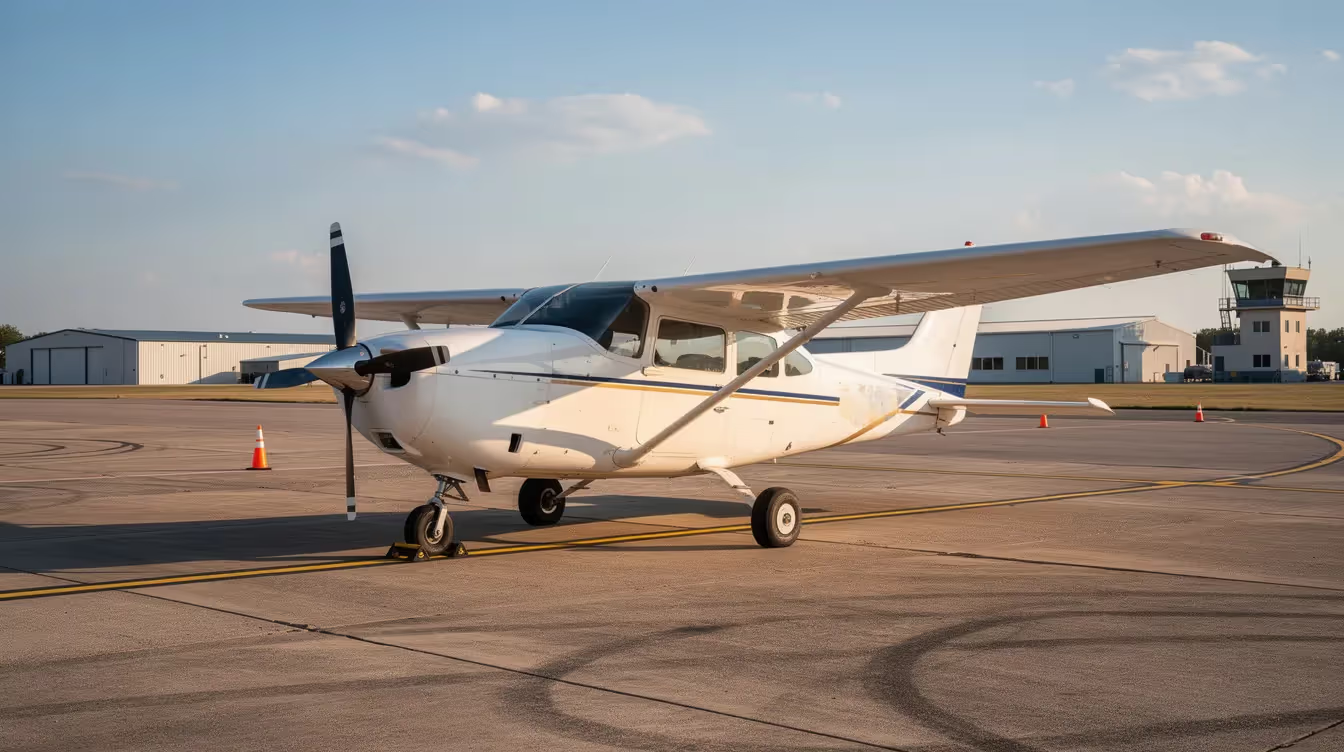
Small aircraft leasing provides a flexible and cost-effective alternative to ownership for pilots and businesses, allowing access to various aircraft without the burdens of high upfront costs and maintenance responsibilities. Lease structures, including wet, dry, and block-time agreements, cater to different user needs, from individual pilots to companies requiring regional transport. This approach enhances cash flow and reduces financial risks associated with depreciation, while often including maintenance and insurance provisions. For those flying fewer than 150–200 hours annually, chartering through platforms like Jettly may be a more suitable option, offering flexibility without the complexities of lease management.
Jay Franco Serevilla
Apr 23, 2026
|
5
min read
View all
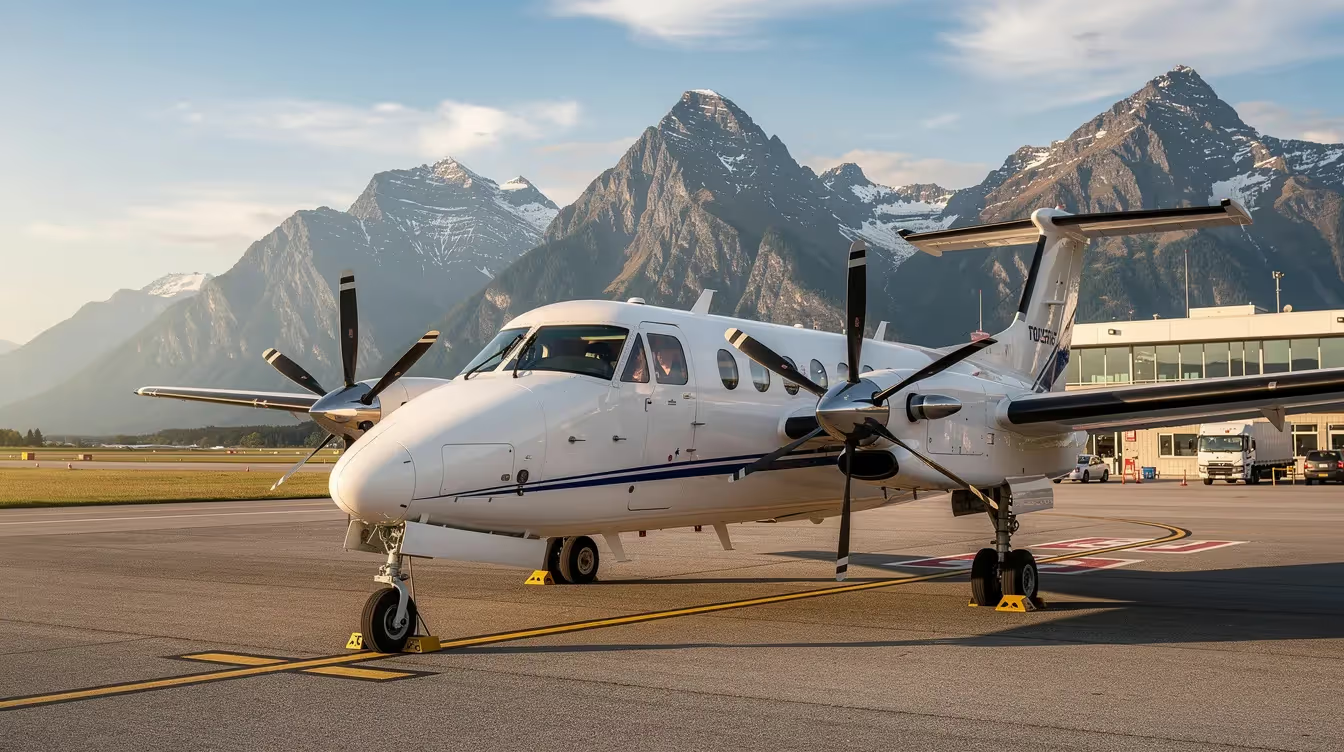
Private jet travel offers convenience and comfort, with costs ranging from $1,200 to $4,000 per flight hour for turboprops and light jets, making it more accessible than many assume. Factors influencing pricing include aircraft type, route length, seasonal demand, and additional fees, which can add 20-40% to the base rate. To find affordable options, travelers can utilize strategies like booking empty leg flights, being flexible with dates and airports, and sharing aircraft costs among groups. Platforms like Jettly provide transparent pricing and instant quotes, helping users navigate private jet charter costs effectively.
Jay Franco Serevilla
Apr 23, 2026
|
5
min read

View all
Rentajet services, exemplified by Jettly, enable travelers to book private jets on-demand without the long-term commitments associated with ownership or fractional shares. Jettly connects users to over 20,000 aircraft globally, offering instant pricing and seamless booking for both business and leisure travel. The platform emphasizes flexibility, allowing travelers to choose from various aircraft categories and access smaller airports, significantly reducing travel time compared to commercial flights. Additionally, Jettly prioritizes safety and transparency, ensuring all operators meet strict regulatory standards while providing clear pricing structures.
Jay Franco Serevilla
Apr 23, 2026
|
5
min read

View all
Sharing the cost of a private jet charter can significantly reduce expenses, making private aviation more accessible for groups of 4-12 travelers. By splitting the total charter cost, individuals can save 40-70% compared to flying solo, with per-person prices often rivaling last-minute business-class fares. Digital platforms like Jettly streamline the process by providing transparent pricing and access to a wide range of aircraft, allowing users to easily compare costs and organize shared flights. This approach is particularly beneficial for families, business teams, or friends looking for flexibility and convenience without the financial burden of owning or leasing a jet.
Jay Franco Serevilla
Apr 22, 2026
|
5
min read

View all
Missing a private jet flight can lead to significant financial penalties and operational disruptions, as the entire aircraft is dedicated to one party, unlike commercial airlines. Passengers typically have a waiting window of 60 to 120 minutes, and exceeding this can incur fees of 75-100% of the flight cost. Immediate communication with your broker or operator can often convert a missed flight into a delayed departure or alternative arrangements, with platforms like Jettly providing access to over 20,000 aircraft for quick rebooking. Proactive planning and understanding your charter contract can help mitigate the risks and costs associated with missed private jet flights.
Jay Franco Serevilla
Apr 22, 2026
|
5
min read
View all
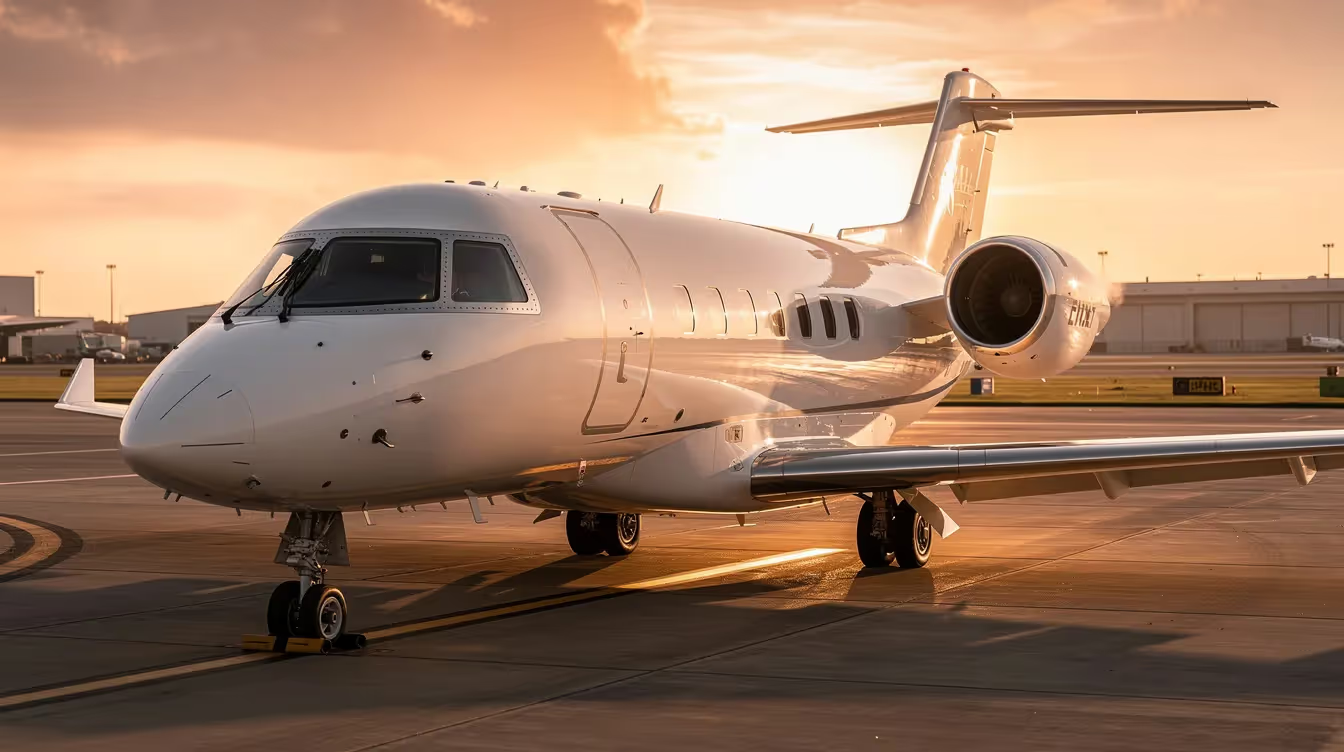
In 2026, private aviation travelers must choose between multi-year aircraft leases and on-demand services like Jettly, with leasing offering personalized service at a significantly higher cost. Average annual lease costs range from $500,000 to several million, depending on jet type and lease terms, with monthly payments for light jets at $80,000–$160,000 and large jets exceeding $1 million. Additional costs, including fuel, crew salaries, and maintenance, can increase total expenses by 30–60%. For those flying less than 200 hours annually, on-demand charters may be more economical, while frequent flyers may benefit from leasing for predictable travel needs.
Jay Franco Serevilla
Apr 22, 2026
|
5
min read
Explore our latest articles and updates.
5
min read
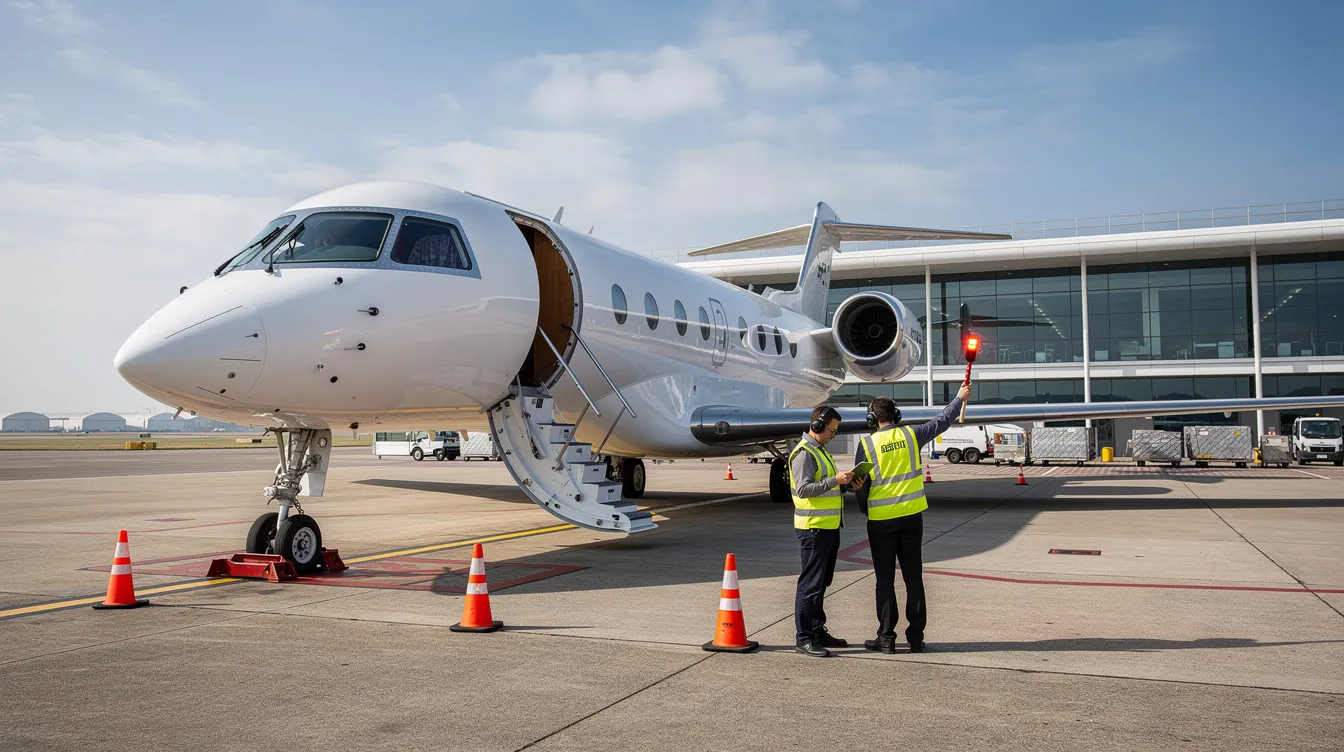
Jet Number: How Private Jet Tail Numbers, Registration, and Tracking Really Work
Every private jet has a unique jet number, also known as a tail number, which serves as its identification in the aviation world. This alphanumeric code is crucial for air traffic control, legal records, and flight tracking, ensuring safety and compliance. Understanding jet numbers can enhance the private jet booking experience, providing travelers with essential information about the aircraft.
Read More
5
min read
KGRK: Robert Gray Army Airfield & Fort Hood Regional Travel Guide
Robert Gray Army Airfield (KGRK) serves as a vital joint-use airfield for Fort Hood and the Killeen area, facilitating both military and commercial aviation. With a 9,997-foot runway and 24-hour operations, it supports a range of aircraft and offers direct access to Central Texas. This travel guide provides essential information for military personnel, families, and business travelers using KGRK.
Read MoreJoin our community and receive the latest blog updates directly in your inbox.
MEMBERSHIPS AND ASSOCIATIONS



Disclaimer: Jettly operates as a charter broker, offering access to a global digital jet charter marketplace. Jettly is not a direct air carrier and does not own or operate aircraft. All advertised flights are conducted by third-party air carriers that are fully licensed and hold the appropriate Part 135 or Part 121 certifications issued by the Federal Aviation Administration (FAA) or equivalent regulatory authorities under U.S. or foreign law. Jettly complies fully with the U.S. Department of Transportation's Part 295 and Part 298 Charter Broker regulations. Jettly does not carry additional liability insurance. Passengers are covered by aircraft operator insurance. TICO: 50023770


