



Login
Get Instant Pricing On 23,000+ Aircraft


SimpleCharters, founded in 2011 by Charles Denault, evolved into Camber, a digital private jet charter platform known for its instant pricing and booking capabilities. The rebranding to Camber reflected an expansion in technology and service, allowing users to book flights quickly while ensuring safety through partnerships with vetted operators. In November 2022, Vista Global acquired Camber, integrating its technology into the XO app to enhance efficiency in private aviation. This transition underscores a broader trend in the industry towards tech-driven, transparent, and flexible charter solutions, with platforms like Jettly emerging as alternatives that prioritize user experience and cost-effectiveness.
Jay Franco Serevilla
Mar 31, 2026
|
5
min read


View all
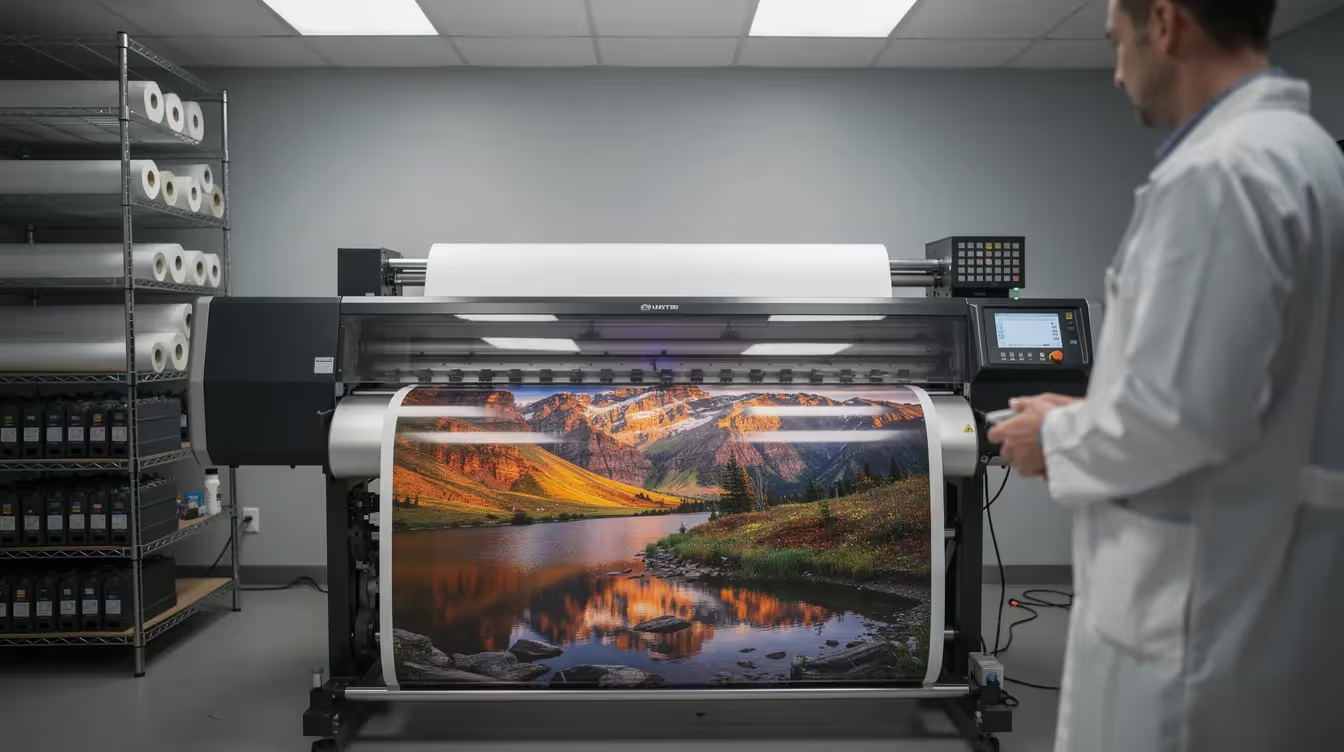
Lightjet printing is a laser-based photographic process that produces high-quality, continuous-tone images on traditional photographic paper using red, green, and blue lasers. While it offers superior color and detail, making it a gold standard for fine art and archival prints, it has largely been replaced by more environmentally friendly digital printing methods like dry lab dye sublimation. Lightjet prints are valued for their longevity and classic photographic appearance, but economic and environmental factors have led to a decline in its use. The article also clarifies the distinction between Lightjet printing and light jets in aviation, emphasizing that they are unrelated fields.
Jay Franco Serevilla
Apr 16, 2026
|
5
min read

View all
The text appears to be a corrupted or improperly formatted binary data, possibly from an image or other file type, rather than coherent text. It contains a mix of characters and symbols that do not convey a clear message or information suitable for summarization. If you have a specific topic or content you would like summarized, please provide that text for a more accurate response.
Jay Franco Serevilla
Apr 16, 2026
|
5
min read

View all
The Robinson R66 is a light turbine helicopter designed for private travelers, commercial operators, and public safety agencies, marking Robinson Helicopter Company's first foray into turbine technology. With a capacity of five seats, powered by a Rolls-Royce RR300 engine, the R66 offers impressive performance metrics, including cruise speeds up to 125 knots and a range of approximately 350 nautical miles, all at lower operating costs compared to competitors. Its versatile design accommodates various missions, from private transport to law enforcement, and it features a dedicated cargo compartment for added utility. For those interested in accessing R66-class helicopters without ownership, Jettly provides a digital platform for on-demand charters, ensuring flexible and transparent pricing.
Jay Franco Serevilla
Apr 16, 2026
|
5
min read
View all
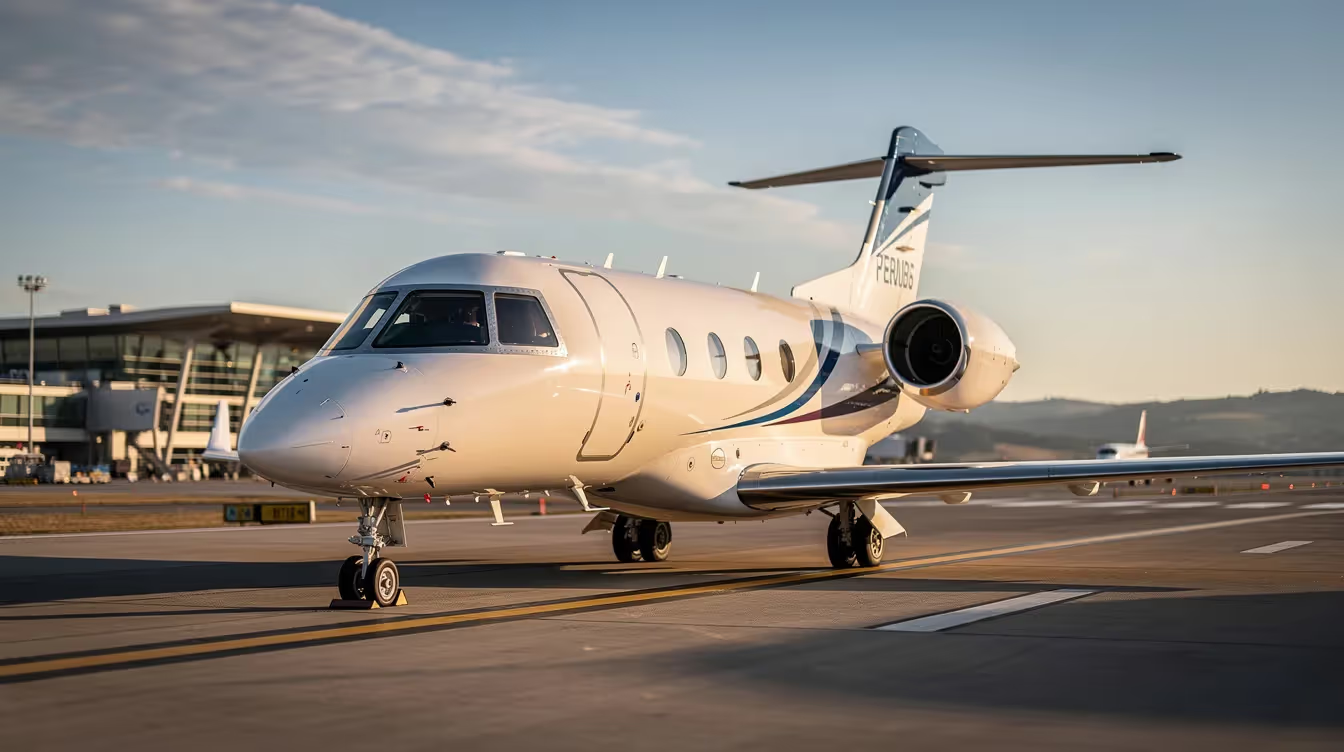
The Learjet 35, introduced in 1973, is a highly regarded twin-engine light jet known for its speed and operational flexibility, making it a popular choice in the private jet charter market. With a capacity for six to eight passengers and a range of approximately 2,056 to 2,857 nautical miles, it remains in active service for various missions, including private charters and medevac operations. The aircraft features efficient Honeywell TFE731 engines, allowing for lower fuel consumption and the ability to operate from shorter runways. Despite being over 50 years old, the Learjet 35 continues to deliver value and performance, appealing to both travelers and corporate jet investors.
Jay Franco Serevilla
Apr 16, 2026
|
5
min read

View all
Jet2 is the UK's largest tour operator and low-cost airline, offering scheduled flights and package holidays to over 75 destinations across Europe from 14 UK airports. It is known for its affordability, customer service, and high on-time performance, making it a popular choice for budget-conscious travelers seeking sun and city breaks. In contrast, Jettly is a private jet charter platform that provides on-demand flights, offering flexibility, privacy, and the ability to customize travel itineraries, appealing to those with specific scheduling needs or larger groups. While Jet2 is ideal for cost-effective leisure travel, Jettly caters to travelers prioritizing time savings and tailored experiences.
Jay Franco Serevilla
Apr 16, 2026
|
5
min read

View all
The Gulfstream G650 is an ultra-long-range private jet, capable of flying up to 7,000 nautical miles at speeds of Mach 0.925, making it ideal for nonstop international travel. With a spacious cabin accommodating 13-16 passengers and advanced safety features, it offers a comfortable and productive flying experience. Although newer models like the G700 and G800 provide incremental improvements, the G650 remains widely available and cost-effective for chartering through platforms like Jettly. Jettly's digital marketplace allows travelers to easily book G650 charters, ensuring access to vetted operators and transparent pricing without the need for ownership.
Jay Franco Serevilla
Apr 16, 2026
|
5
min read
Explore our latest articles and updates.

5
min read
Delta Boarding Zones: How Delta Air Lines Boarding Works (and What It Means for Private Flyers)
Delta Air Lines utilizes a structured boarding system with eight numbered zones plus pre-boarding, determining the order in which passengers board based on cabin class, fare type, and loyalty status. Understanding this system is crucial for travelers considering commercial flights versus private jet charters, as it impacts overhead bin space and wait times. For those seeking a more streamlined experience, private jet options like Jettly eliminate the complexities of boarding zones altogether.
Read More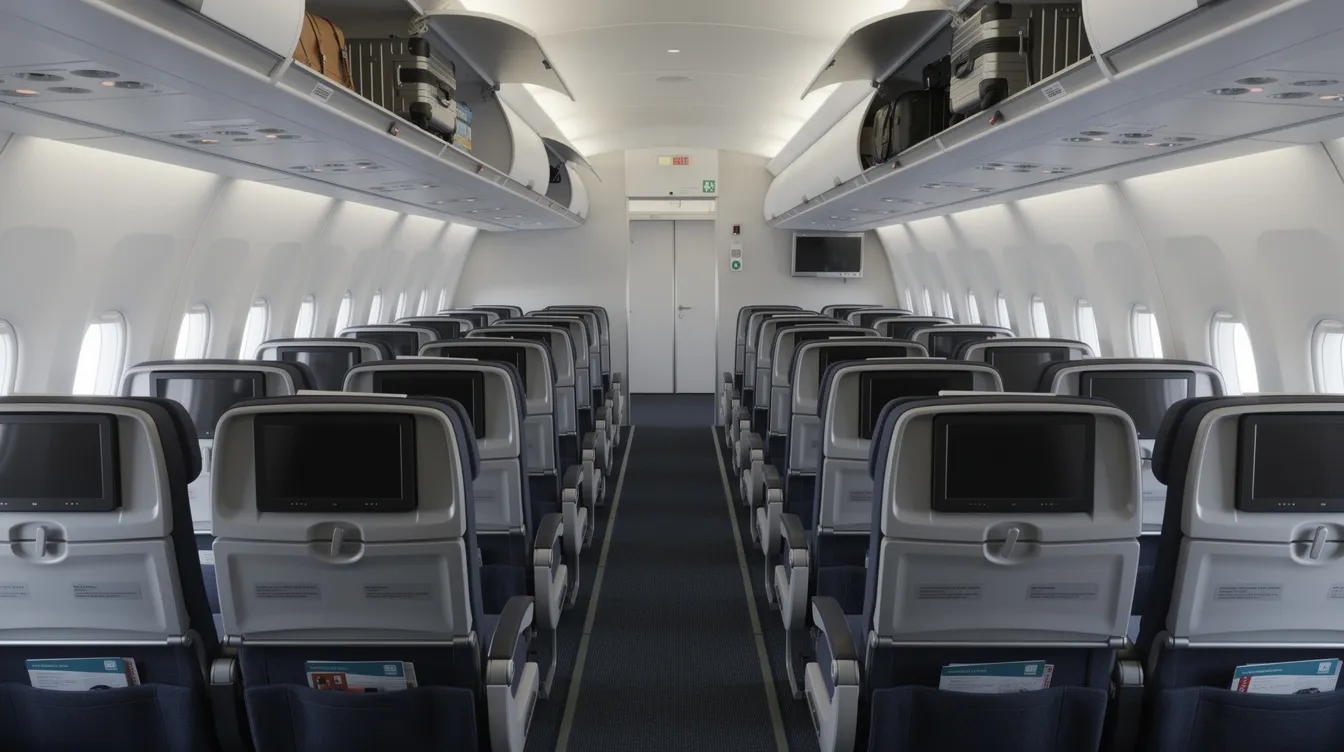
5
min read
Delta Basic Economy: What Changed, What It Includes, and When to Avoid It
Delta Air Lines has rebranded its Basic Economy fare to Delta Main Basic as of October 1, 2025, maintaining its core restrictions while altering the booking experience. This fare class is the most restrictive in Delta's lineup, making it suitable primarily for solo travelers on short flights who prioritize low prices over flexibility. For most travelers, considering higher fare options like Delta Main Classic or private jet charters may provide better value.
Read MoreJoin our community and receive the latest blog updates directly in your inbox.
MEMBERSHIPS AND ASSOCIATIONS



Disclaimer: Jettly operates as a charter broker, offering access to a global digital jet charter marketplace. Jettly is not a direct air carrier and does not own or operate aircraft. All advertised flights are conducted by third-party air carriers that are fully licensed and hold the appropriate Part 135 or Part 121 certifications issued by the Federal Aviation Administration (FAA) or equivalent regulatory authorities under U.S. or foreign law. Jettly complies fully with the U.S. Department of Transportation's Part 295 and Part 298 Charter Broker regulations. Jettly does not carry additional liability insurance. Passengers are covered by aircraft operator insurance. TICO: 50023770


