


Login
Get Instant Pricing On 23,000+ Aircraft


Jettly offers a streamlined process for booking last-minute private jet charters, allowing travelers to secure flights within hours for urgent business or personal needs. The platform provides instant pricing, access to over 20,000 aircraft globally, and 24/7 support, making luxury air travel more accessible and affordable. Key advantages include the option to book empty leg flights for significant savings and the ability to arrange flights quickly by providing essential trip details. With a focus on safety and flexibility, Jettly ensures a seamless experience for travelers needing immediate private aviation solutions.
Jay Franco Serevilla
Apr 22, 2026
|
5
min read



View all
Flying a Cessna 172 Skyhawk is an accessible entry point into aviation, known for its reliability and forgiving nature. This guide covers everything from obtaining medical certificates to mastering flight maneuvers, ensuring a smooth transition from student pilot to confident aviator. With structured training and real-world practice, pilots can progress to solo flights and cross-country adventures.
Jay Franco Serevilla
Aug 13, 2026
|
5
min read
View all
Flying a Cessna 172 Skyhawk is an accessible entry point into aviation, known for its reliability and forgiving nature. This guide covers everything from obtaining medical certificates to mastering flight maneuvers, ensuring a smooth transition from student pilot to confident aviator. With structured training and real-world practice, pilots can progress to solo flights and cross-country adventures.
Jay Franco Serevilla
Aug 13, 2026
|
5
min read

View all
The Cessna TTx, also known as the Model T240, is a high-performance single-engine piston aircraft renowned for its speed and advanced avionics. With a turbocharged engine and a sleek composite design, it offers exceptional capabilities for personal and business travel. Although production ended in 2018, the TTx remains a popular choice in the pre-owned market for experienced pilots and aviation enthusiasts.
Jay Franco Serevilla
Aug 13, 2026
|
5
min read
View all
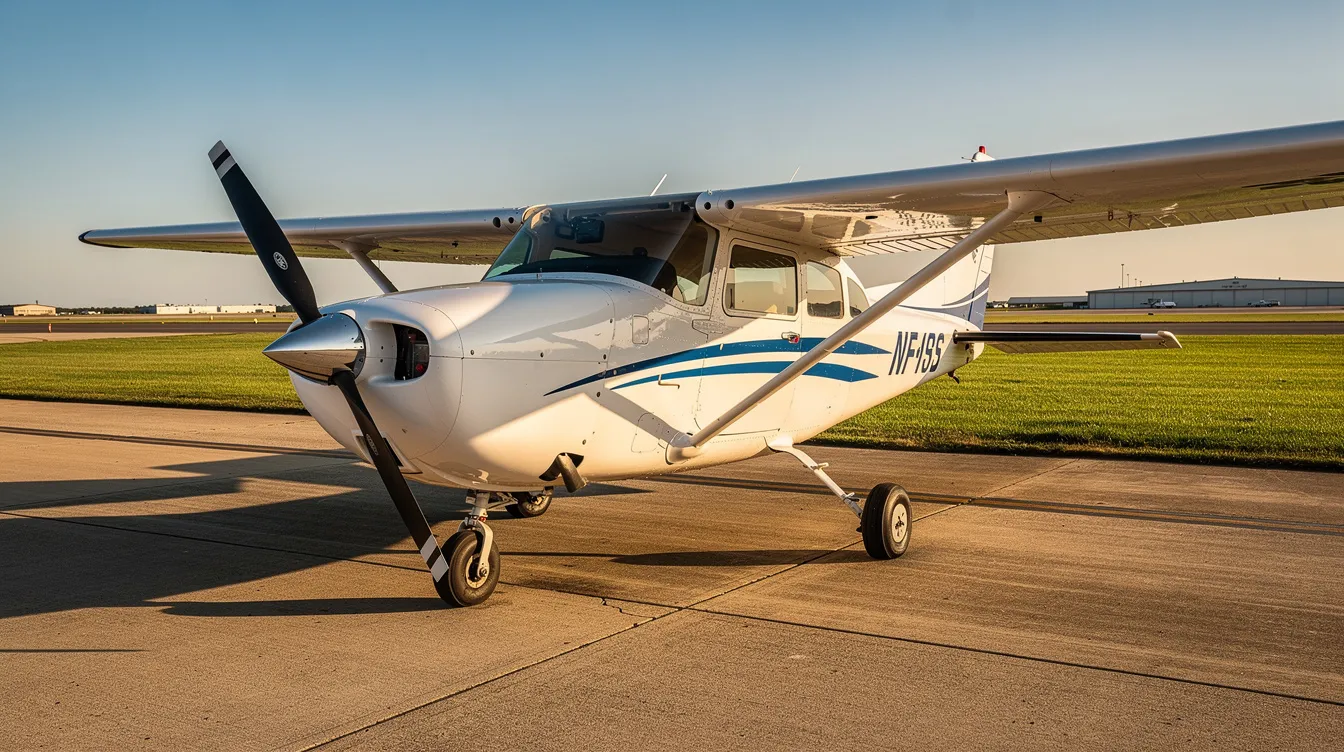
Flying a Cessna 172 Skyhawk is an accessible entry point into aviation, known for its reliability and forgiving nature. This guide covers everything from obtaining medical certificates to mastering flight maneuvers, ensuring a smooth transition from student pilot to confident aviator. With structured training and real-world practice, pilots can progress to solo flights and cross-country adventures.
Jay Franco Serevilla
Aug 13, 2026
|
5
min read
View all
The Cessna 172S POH & Information Manual is an essential resource for student pilots and aircraft owners, detailing critical operational procedures and safety guidelines. This guide helps users navigate the POH, understand its structure, and apply its data for effective flight planning and compliance with FAA regulations. Mastering the POH is key to enhancing pilot proficiency and ensuring safe aircraft operation.
Jay Franco Serevilla
Aug 13, 2026
|
5
min read

View all
The Cessna 172 Skyhawk features a high-wing design that has evolved significantly since its introduction in 1955. Owners considering wing swaps must navigate compatibility, FAA regulations, and maintenance documentation to ensure airworthiness and safety. Understanding these factors is crucial for both aircraft owners and renters in the private aviation market.
Jay Franco Serevilla
Aug 13, 2026
|
5
min read
Explore our latest articles and updates.
5
min read
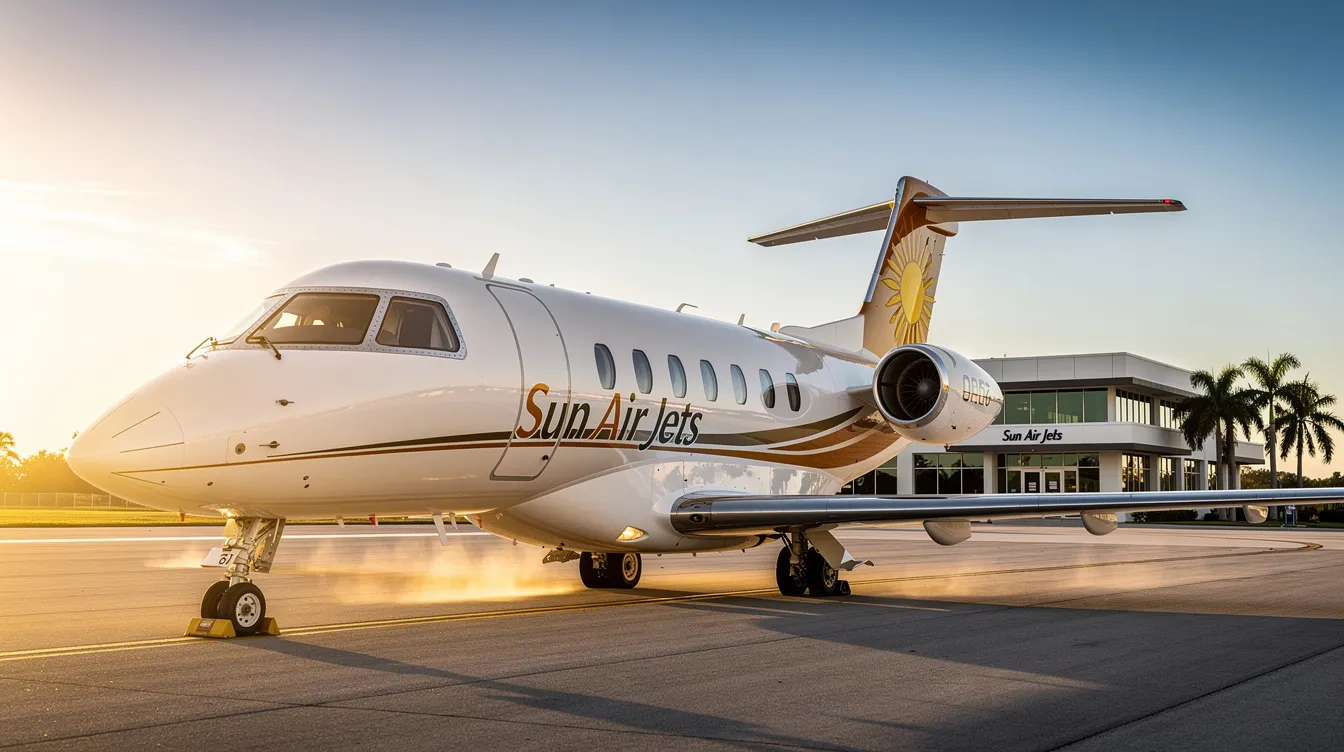
Sun Air Jets & Modern Private Aviation: How Jettly Helps You Charter Smarter
Sun Air Jets is a premier private jet charter operator in Southern California, offering elite aircraft and exceptional safety standards. Jettly enhances the charter experience by providing a digital platform that connects travelers with over 20,000 aircraft worldwide, allowing for easy comparison and booking. This guide helps travelers navigate their private aviation options, emphasizing convenience and flexibility.
Read More
5
min read
Busy airports for private jets during back-to-school season
Late August to early September triggers a surge in private aviation as summer travel ends, corporate travel resumes, and families transport students to major universities. Key hubs like Teterboro Airport (KTEB) and Dallas Love Field (KDAL) experience significant congestion, tight landing slots, and higher rates. To navigate these seasonal bottlenecks, charter operators must plan logistics and crew schedules in advance to accommodate flyer demand and ensure seamless travel.
Read MoreJoin our community and receive the latest blog updates directly in your inbox.
MEMBERSHIPS AND ASSOCIATIONS



Disclaimer: Jettly operates as a charter broker, offering access to a global digital jet charter marketplace. Jettly is not a direct air carrier and does not own or operate aircraft. All advertised flights are conducted by third-party air carriers that are fully licensed and hold the appropriate Part 135 or Part 121 certifications issued by the Federal Aviation Administration (FAA) or equivalent regulatory authorities under U.S. or foreign law. Jettly complies fully with the U.S. Department of Transportation's Part 295 and Part 298 Charter Broker regulations. Jettly does not carry additional liability insurance. Passengers are covered by aircraft operator insurance. TICO: 50023770


