


Login
Get Instant Pricing On 23,000+ Aircraft


Tom Brady’s post-NFL career has transformed his travel needs from those of a professional athlete into those of a broadcaster, investor, and business executive. While he has long been associated with the Gulfstream G550, the economics of private aviation suggest that flexible access can be more efficient than whole-aircraft ownership for travelers flying fewer than several hundred hours per year. His evolving schedule illustrates why depreciation, fixed operating costs, productivity, and fleet flexibility increasingly shape how ultra-high-net-worth travelers approach private aviation.
Jeff Ryan Serevilla
Sep 29, 2026
|
5
min read



View all
Public private jet companies have revolutionized access to private aviation by offering transparent pricing and booking options online. With models like on-demand charters, jet cards, and fractional ownership, travelers can choose the best fit for their needs. This guide explores how these companies operate, their pricing structures, and the advantages of flying private.
Jay Franco Serevilla
Sep 11, 2026
|
5
min read

View all
Hop-on jet services allow travelers to purchase individual seats on scheduled private flights, offering a blend of comfort and affordability. Ideal for business executives and leisure travelers, these services provide quick access to private terminals and reduced travel times. Jettly's platform simplifies the booking process, making private aviation more accessible than ever.
Jay Franco Serevilla
Sep 11, 2026
|
5
min read
View all
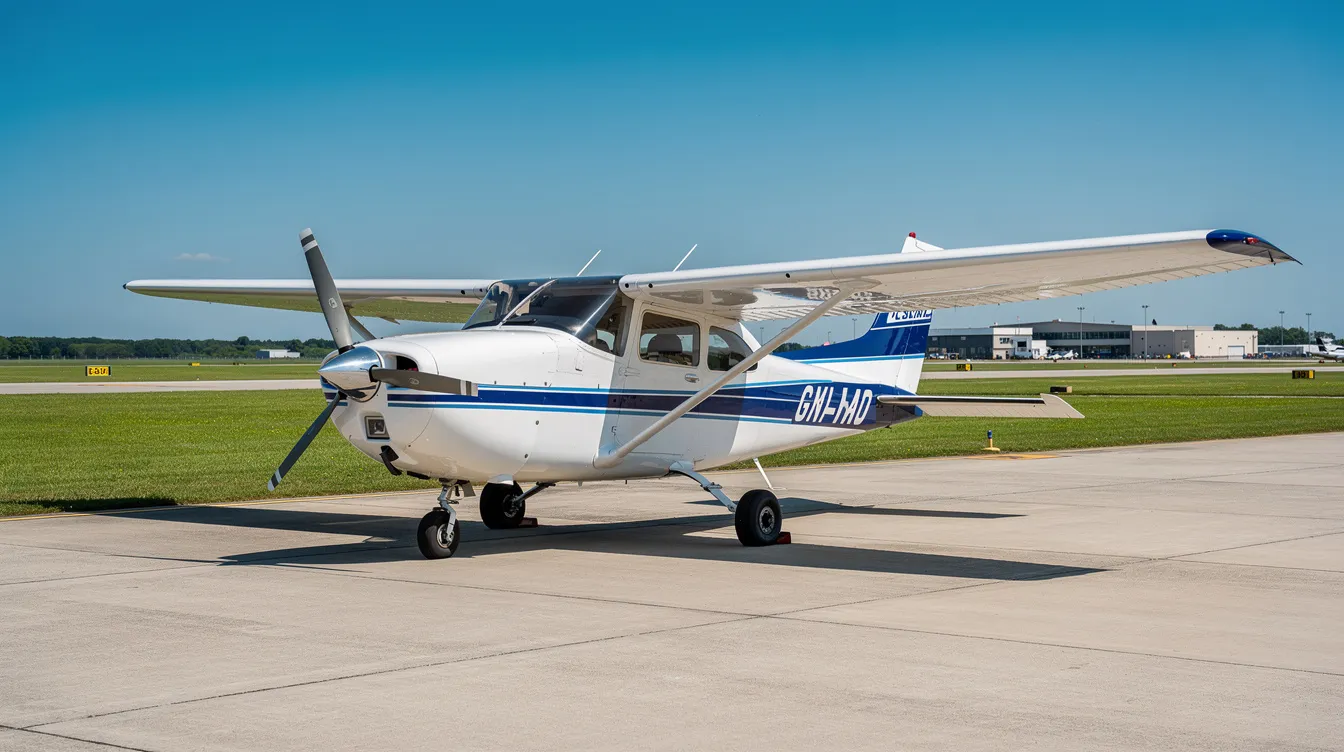
In 2026, the cost of a new Cessna ranges from approximately $480,000 for a Cessna 172S Skyhawk to over $1,100,000 for a Turbo Stationair HD. Buyers should also consider annual operating costs, which can exceed $50,000, and the potential benefits of chartering through platforms like Jettly for those flying less frequently.
Jay Franco Serevilla
Sep 11, 2026
|
5
min read

View all
The Conexon jet incident on March 3, 2023, involved a Bombardier Challenger 300 that experienced a fatal in-flight upset, initially attributed to severe turbulence. However, investigations revealed a complex interplay of human error and procedural failures, emphasizing the importance of safety protocols in private aviation. This incident serves as a critical reminder for passengers about the significance of wearing seat belts and understanding flight safety measures.
Jay Franco Serevilla
Sep 11, 2026
|
5
min read

View all
The term 'V jet' refers to various aviation concepts, primarily efficient light and midsize jets like the Cessna Citation V. Understanding its applications in aviation, 3D printing, and industrial cleaning is crucial for informed decision-making in private travel and industry. This article explores the significance of 'V jet' across these contexts and how it impacts private aviation.
Jay Franco Serevilla
Sep 11, 2026
|
5
min read

View all
Modern jet services have revolutionized private aviation, allowing travelers to book flights in minutes through digital marketplaces like Jettly. This guide explores the various options available, including traditional operators and on-demand charters, highlighting the benefits of flexibility, transparency, and convenience for both business and leisure travelers.
Jay Franco Serevilla
Sep 11, 2026
|
5
min read
Explore our latest articles and updates.

5
min read
Fractional Ownership vs Jet Card vs Charter: Which Is Right for You?
This guide compares three private aviation options: fractional ownership, jet cards, and on-demand charter, highlighting their distinct trade-offs in cost, commitment, flexibility, and aircraft consistency. Fractional ownership requires a significant upfront investment and long-term commitment, making it suitable for frequent flyers (100-200+ hours/year) who value consistent access to a specific aircraft. Jet cards offer a more flexible, pay-as-you-go model ideal for moderate flyers (25-100 hours/year) seeking predictable pricing without ownership risks. On-demand charter is the most flexible and cost-effective option for occasional flyers (under 25 hours/year), allowing users to pay only for the flights they take without any long-term commitments.
Read More
5
min read
How Fractional Jet Ownership Works: The Complete Guide
Fractional jet ownership allows individuals or companies to purchase a share of a specific aircraft, typically ranging from 1/16 to 1/2, granting them a proportional number of flight hours annually and access to equivalent aircraft when their own is unavailable. This model provides the benefits of private jet travel, including professional management and operational ease, while reducing the financial burden compared to full ownership. Owners can expect to fly between 50 to 400 hours per year, depending on their share size, and the management company handles all operational aspects under FAA regulations. While fractional ownership requires a significant initial investment and ongoing fees, it offers equity and flexibility, making it suitable for frequent flyers, whereas those flying less may prefer alternatives like jet cards or charter services.
Read MoreJoin our community and receive the latest blog updates directly in your inbox.
MEMBERSHIPS AND ASSOCIATIONS



Disclaimer: Jettly operates as a charter broker, offering access to a global digital jet charter marketplace. Jettly is not a direct air carrier and does not own or operate aircraft. All advertised flights are conducted by third-party air carriers that are fully licensed and hold the appropriate Part 135 or Part 121 certifications issued by the Federal Aviation Administration (FAA) or equivalent regulatory authorities under U.S. or foreign law. Jettly complies fully with the U.S. Department of Transportation's Part 295 and Part 298 Charter Broker regulations. Jettly does not carry additional liability insurance. Passengers are covered by aircraft operator insurance. TICO: 50023770


