



Login
Get Instant Pricing On 23,000+ Aircraft

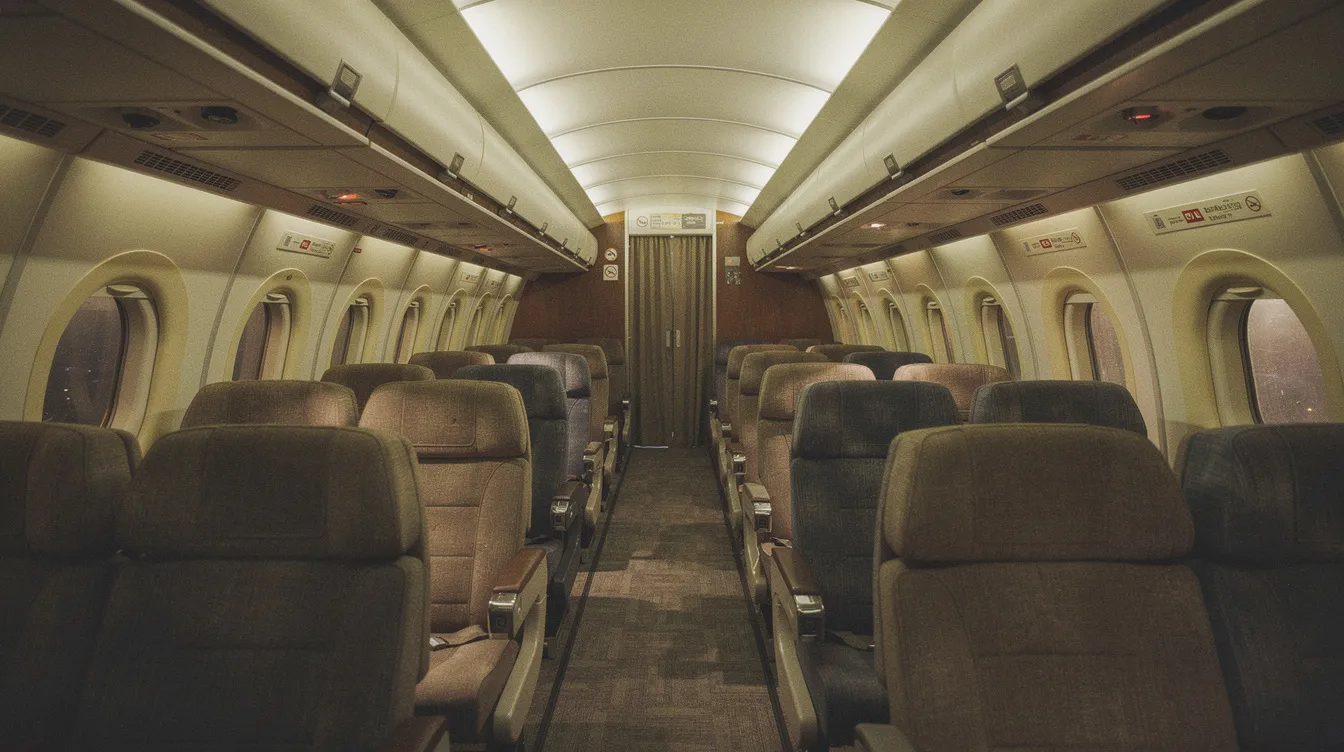
Smoking on U.S. airplanes was gradually banned, starting with domestic flights under two hours in 1988 and culminating in a complete federal ban on June 4, 2000. This movement was driven by health and safety concerns, particularly regarding secondhand smoke and fire risks, despite resistance from the tobacco industry. By the early 2000s, most commercial airlines worldwide had adopted similar smoking bans, leading to a universal expectation of smoke-free flights. Today, smoking and vaping are prohibited on nearly all commercial and private flights, reflecting a commitment to passenger safety and comfort.
Jay Franco Serevilla
Jun 29, 2026
|
5
min read


View all
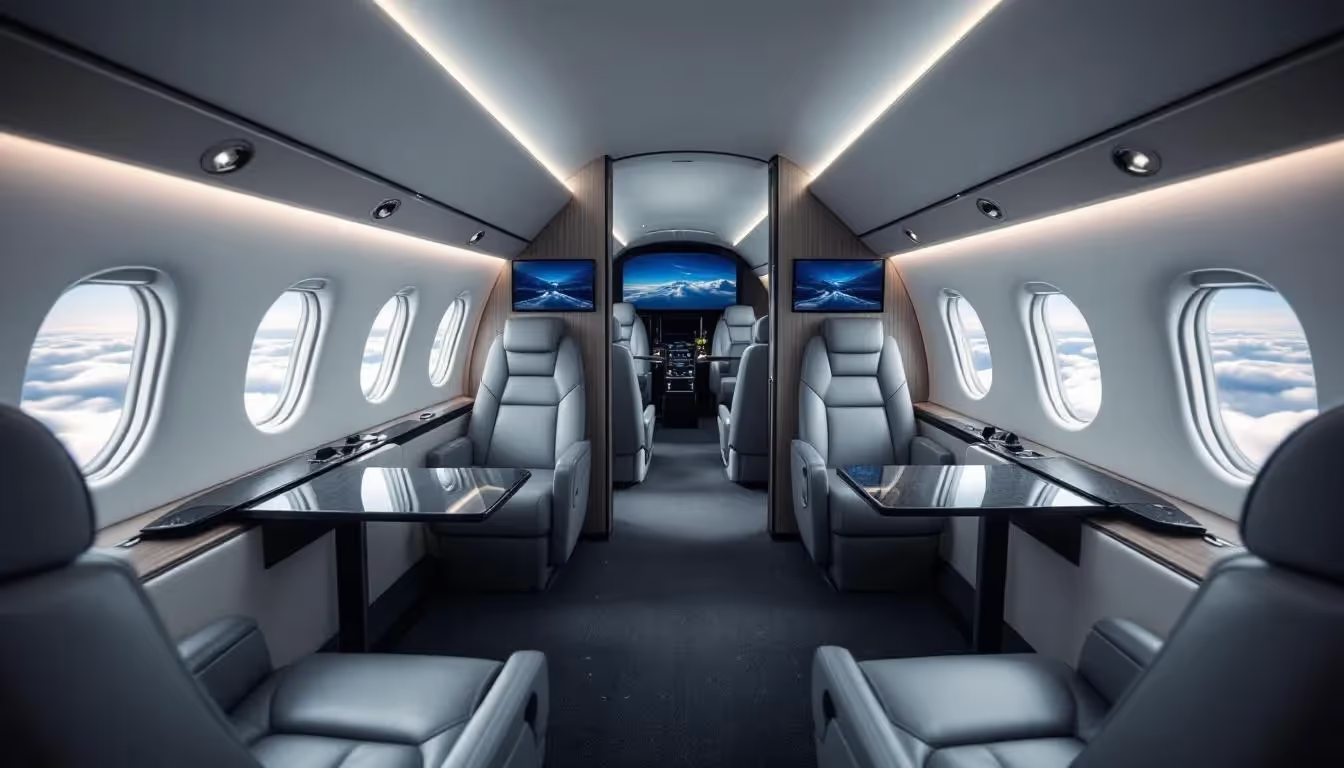
Private aviation careers offer exciting opportunities for individuals passionate about aviation, luxury service, and hospitality, with roles ranging from pilots and flight attendants to maintenance technicians and corporate professionals. Companies like NetJets and AirX seek skilled professionals and welcome recent graduates, emphasizing teamwork and a commitment to safety and service excellence. The industry provides competitive compensation, comprehensive benefits, and a culture that fosters professional growth and innovation. Aspiring candidates are encouraged to gain relevant credentials, build experience, and network within the aviation community to launch their careers in this dynamic field.
Jay Franco Serevilla
Aug 21, 2025
|
5
min read

View all
Empty leg flights for dogs offer a cost-effective alternative to traditional air travel, allowing pets to travel in the cabin alongside their owners while avoiding the stress and risks associated with commercial airline cargo holds. These discounted private flights can save pet owners 25-75% compared to full private jet charters, providing a luxurious experience with personalized service and no additional pet fees. The convenience of flexible scheduling, direct routing, and tailored amenities makes empty leg flights an appealing option for relocations, vacations, or emergency transport. Platforms like Jettly facilitate easy access to these flights, enabling pet owners to monitor availability and book suitable options for their furry companions.
Jay Franco Serevilla
Aug 21, 2025
|
5
min read

View all
Personal aviation offers unparalleled freedom and flexibility compared to commercial airlines, catering to both recreational pilots and business travelers. The market features a wide range of personal aircraft, from affordable single-engine planes to luxury private jets, allowing buyers to find options that fit their lifestyle and budget. Key considerations for selecting an aircraft include passenger capacity, cruising speed, fuel efficiency, and safety features, with modern innovations enhancing accessibility and safety for new pilots. Ultimately, owning a personal aircraft provides significant benefits, including tailored travel experiences and the ability to reach remote destinations.
Jay Franco Serevilla
Aug 21, 2025
|
5
min read
View all
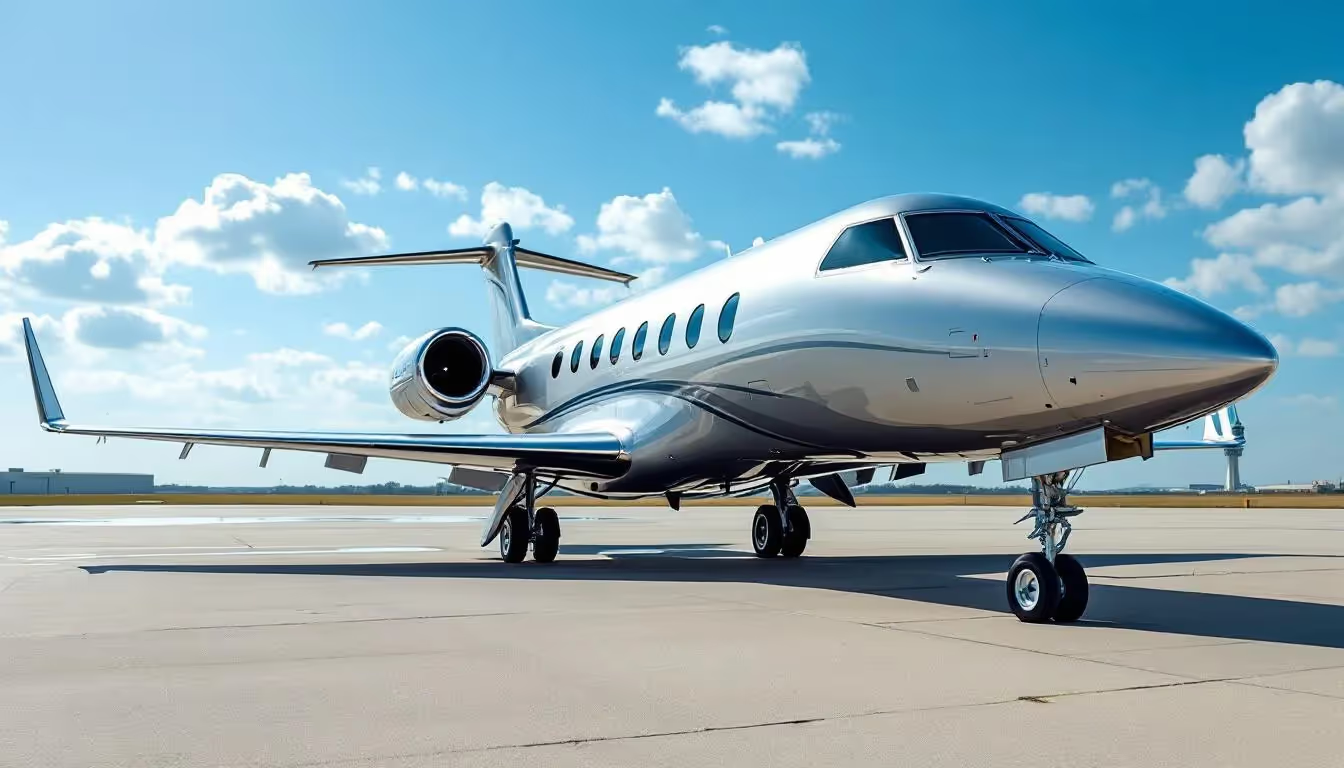
The business jet industry has grown to encompass over 22,000 aircraft, providing executives and high-net-worth individuals with unmatched flexibility, privacy, and efficiency compared to commercial airlines. This comprehensive guide covers various aspects of private aviation, including aircraft categories, ownership options, and associated costs, ranging from light jets starting at $3 million to ultra-long-range jets exceeding $90 million. Key manufacturers like Gulfstream, Bombardier, and Dassault lead the market, each offering unique features and technologies that enhance safety and passenger experience. As the industry evolves, sustainability initiatives and technological advancements are shaping the future of business aviation, emphasizing efficiency and environmental responsibility.
Jay Franco Serevilla
Aug 21, 2025
|
5
min read
View all
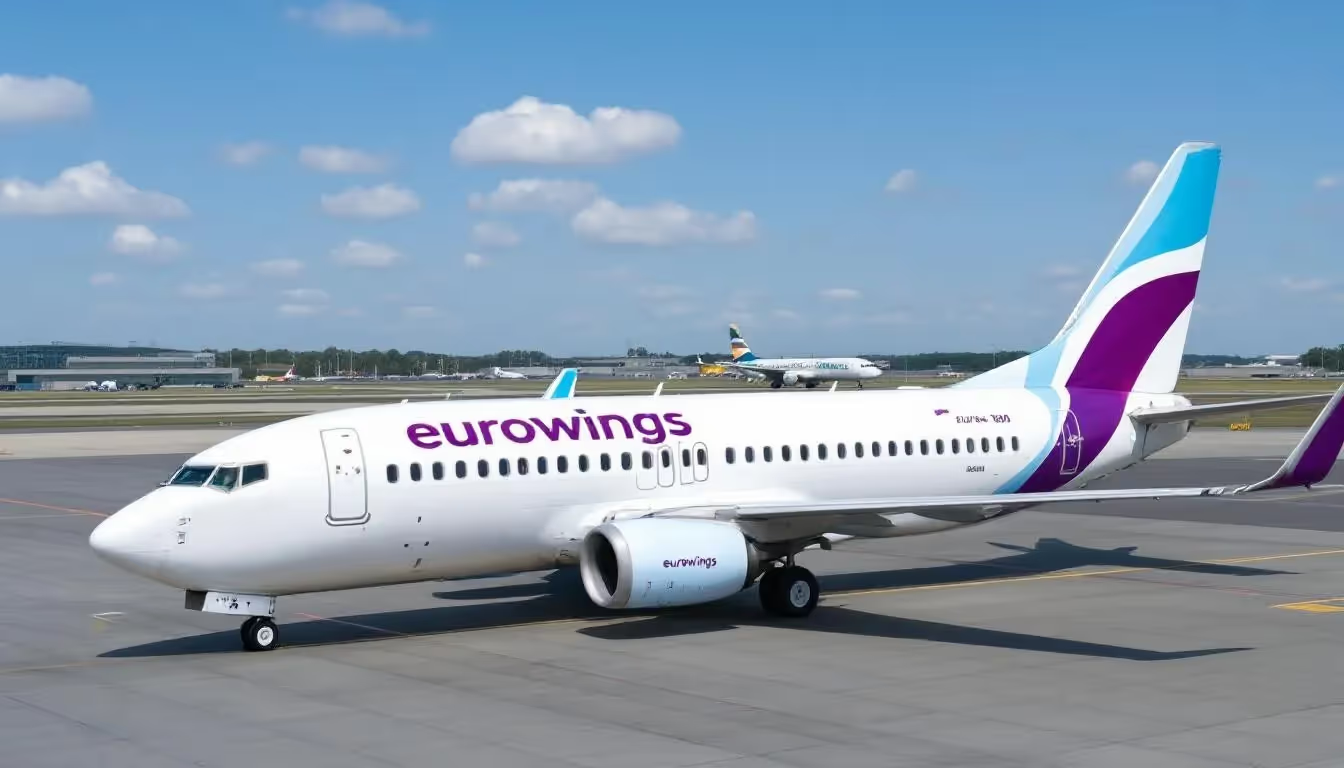
Eurowings is Germany's largest low-cost airline, operating under the Lufthansa Group and serving 155 destinations across Europe. The airline has shifted its focus to short-haul flights since 2019, discontinuing long-haul services to streamline operations and enhance profitability. With a modern fleet primarily consisting of Airbus A320 aircraft and an upcoming order of Boeing 737 MAX 8s, Eurowings emphasizes operational efficiency and customer convenience through its innovative mobile app. This app facilitates easy booking, real-time flight updates, and seamless travel management, making it a valuable tool for both business and leisure travelers.
Jay Franco Serevilla
Aug 21, 2025
|
5
min read

View all
Smoking on private jets is generally allowed, depending on the aircraft owner's or operator's policies, unlike the strict no-smoking rules on commercial flights. The Federal Aviation Administration (FAA) does not prohibit smoking on private aircraft, but safety considerations, such as fire risks and air quality, remain paramount, with pilots having the authority to ban smoking during critical flight phases. Passengers should be aware of potential additional costs, including cleaning fees and damage charges, and must verify smoking policies with operators, especially for international flights where regulations may vary significantly. Overall, successful accommodation of smoking on private jets requires clear communication and advance planning.
Jay Franco Serevilla
Aug 21, 2025
|
5
min read
Explore our latest articles and updates.

5
min read
Boeing 777-300 & 777-300ER Overview
The Boeing 777-300 and 777-300ER are advanced long-haul aircraft known for their efficiency and capacity. With significant upgrades in range and engine power, the 777-300ER has become a preferred choice for intercontinental flights. This guide provides insights into their features, cabin layouts, and comparisons with private jet charters, helping travelers make informed decisions.
Read More
5
min read
Range of 777: How Far Each Boeing Variant Can Fly
The Boeing 777 family features an impressive range, from 5,240 nautical miles for the 777-200 to 9,500 nautical miles for the upcoming 777-8. This extensive range allows airlines to operate virtually every long-haul route, making the 777 a staple in commercial aviation. Understanding these capabilities is essential for both travelers and operators in optimizing flight planning.
Read MoreJoin our community and receive the latest blog updates directly in your inbox.
MEMBERSHIPS AND ASSOCIATIONS



Disclaimer: Jettly operates as a charter broker, offering access to a global digital jet charter marketplace. Jettly is not a direct air carrier and does not own or operate aircraft. All advertised flights are conducted by third-party air carriers that are fully licensed and hold the appropriate Part 135 or Part 121 certifications issued by the Federal Aviation Administration (FAA) or equivalent regulatory authorities under U.S. or foreign law. Jettly complies fully with the U.S. Department of Transportation's Part 295 and Part 298 Charter Broker regulations. Jettly does not carry additional liability insurance. Passengers are covered by aircraft operator insurance. TICO: 50023770


