



Login
Get Instant Pricing On 23,000+ Aircraft

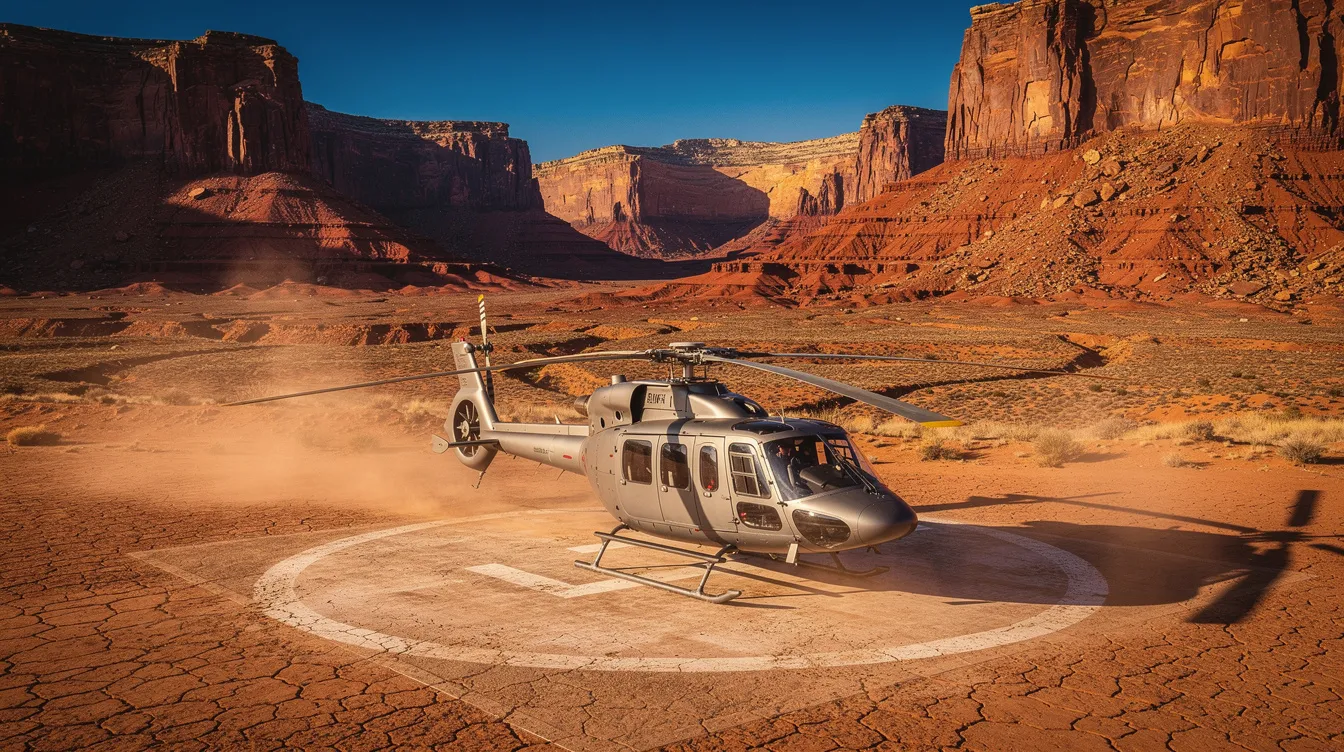
Planning a trip to Havasu Falls in 2026? The helicopter service offers a quick alternative to the challenging hike, costing approximately $300 one-way. Flights operate on select days and are first-come, first-served, so early arrival is essential. Remember, a valid permit is required for all visitors to access the falls.
Jay Franco Serevilla
Oct 20, 2026
|
5
min read



View all
Smoking on private jets is generally allowed, depending on the aircraft owner's or operator's policies, unlike the strict no-smoking rules on commercial flights. The Federal Aviation Administration (FAA) does not prohibit smoking on private aircraft, but safety considerations, such as fire risks and air quality, remain paramount, with pilots having the authority to ban smoking during critical flight phases. Passengers should be aware of potential additional costs, including cleaning fees and damage charges, and must verify smoking policies with operators, especially for international flights where regulations may vary significantly. Overall, successful accommodation of smoking on private jets requires clear communication and advance planning.
Jay Franco Serevilla
Aug 21, 2025
|
5
min read
View all
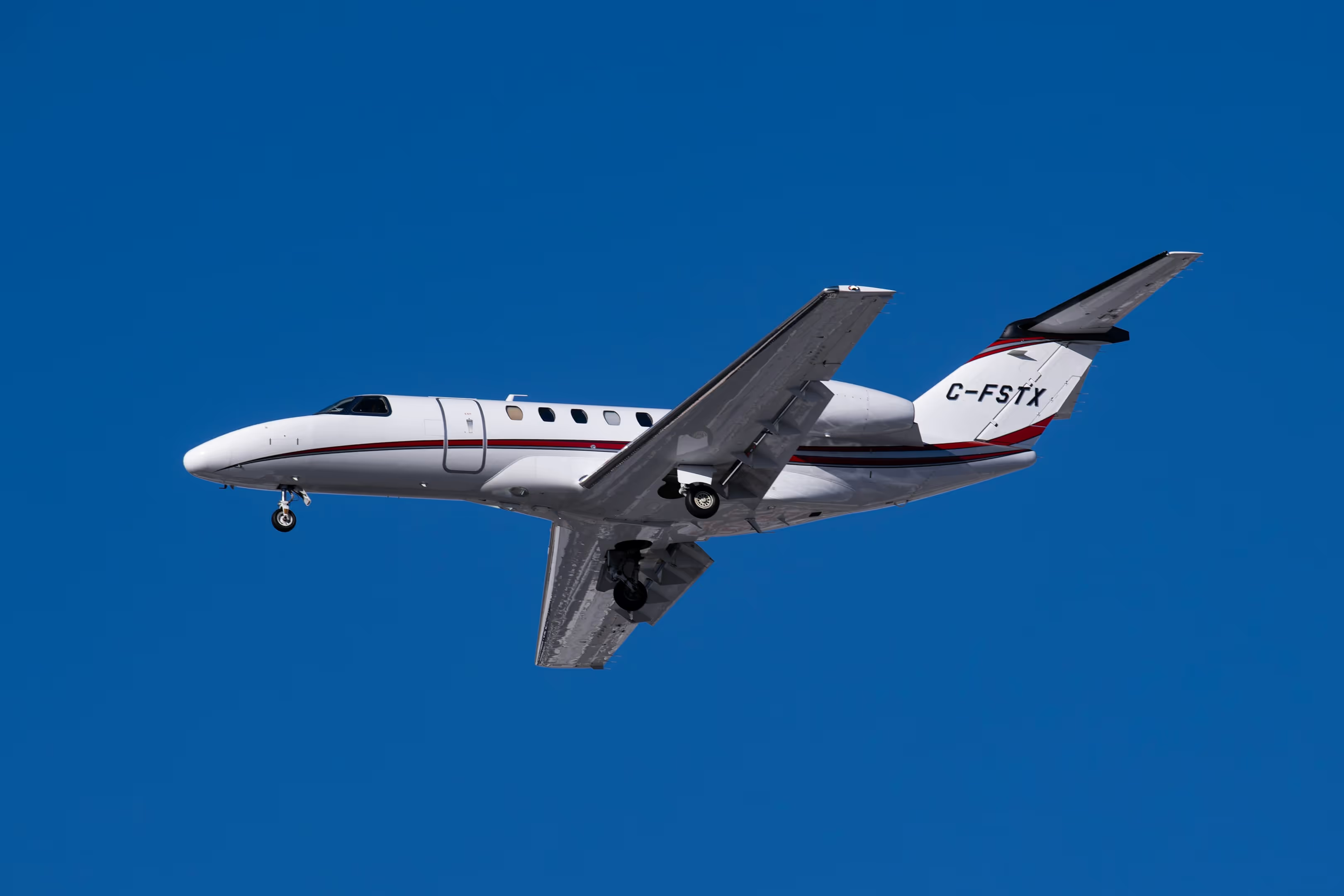
Private jet travel to Las Vegas offers luxury, privacy, and efficiency, with costs starting around $4,900 for very light jets on short routes, while heavy jets can exceed $30,000 for longer flights. The price varies significantly based on aircraft type, route, passenger count, and additional services, with average costs for light jets around $6,400. Key factors influencing pricing include peak travel times, aircraft selection, and optional services, while strategic planning can help reduce costs through options like empty leg flights and alternative airports. For the best experience, travelers should consult charter brokers for real-time quotes and tailored options.
Jay Franco Serevilla
Aug 21, 2025
|
5
min read

View all
In 2025, the private aviation market showcases an impressive range of luxury aircraft, from entry-level jets starting at $140,000 to fully customized executive liners exceeding $400 million. Modern private jets offer advanced technology, exceptional comfort, and flexibility, catering to diverse needs from recreational pilots to high-profile executives. Key models include the Bombardier Challenger Series, Embraer Phenom Series, and Gulfstream G700, each designed for optimal performance and luxury. With options for full ownership, fractional ownership, and charter services, prospective buyers can choose the best approach to meet their travel requirements and budget.
Jay Franco Serevilla
Aug 21, 2025
|
5
min read
View all
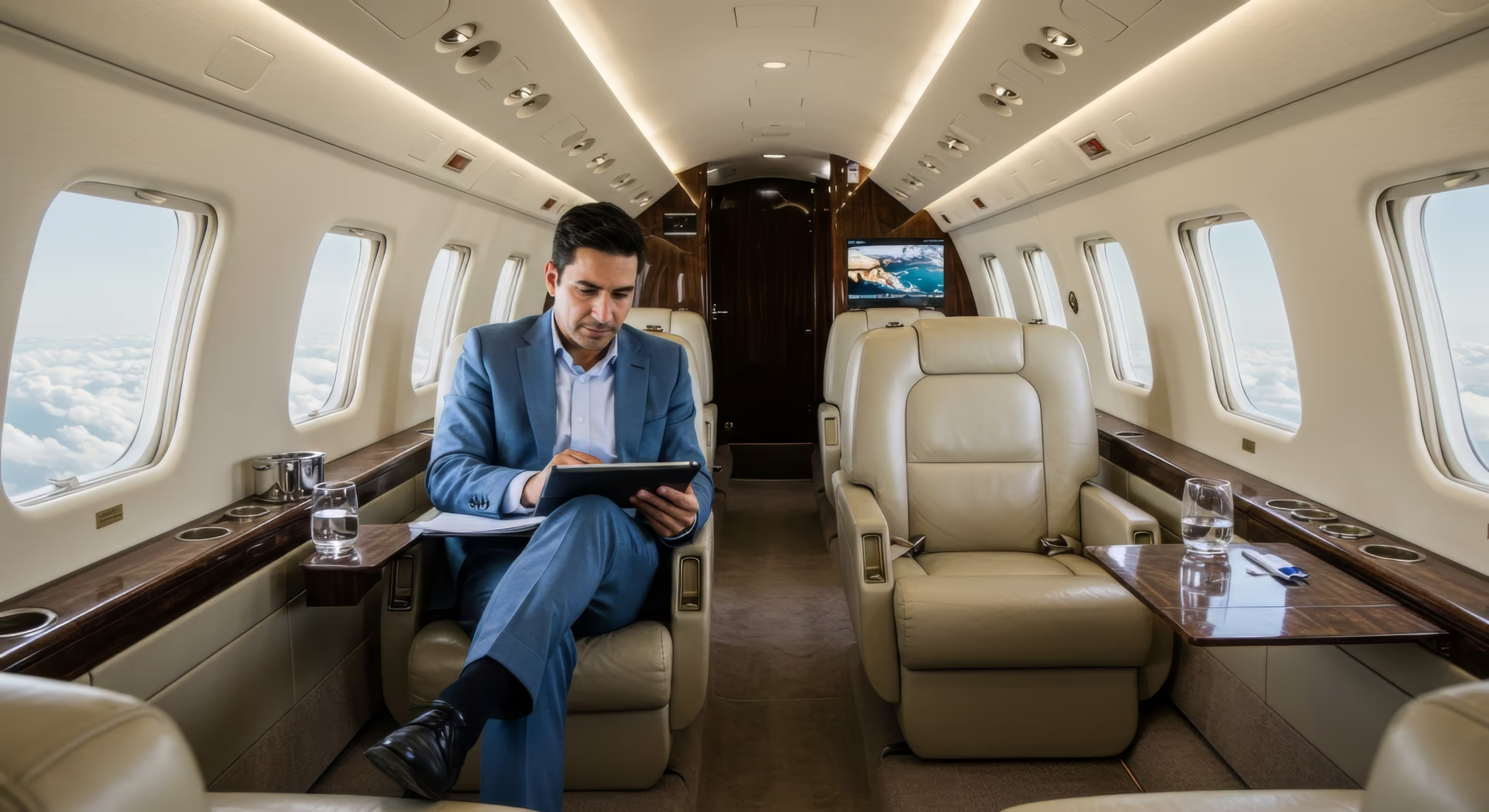
Plane share programs have democratized access to private aviation, allowing individuals and businesses to enjoy the benefits of private jets at a significantly reduced cost—25-75% less than traditional ownership. These programs operate through various models, including fractional ownership, partnership networks, and lease-based options, enabling users to share the costs and usage rights of aircraft. Key advantages include flexibility in aircraft selection, professional management, and substantial time savings by avoiding commercial airport hassles. With transparent pricing structures and customizable ownership options, plane sharing presents a cost-effective solution for those needing regular access to private aviation without the financial burden of full ownership.
Jay Franco Serevilla
Aug 21, 2025
|
5
min read
View all
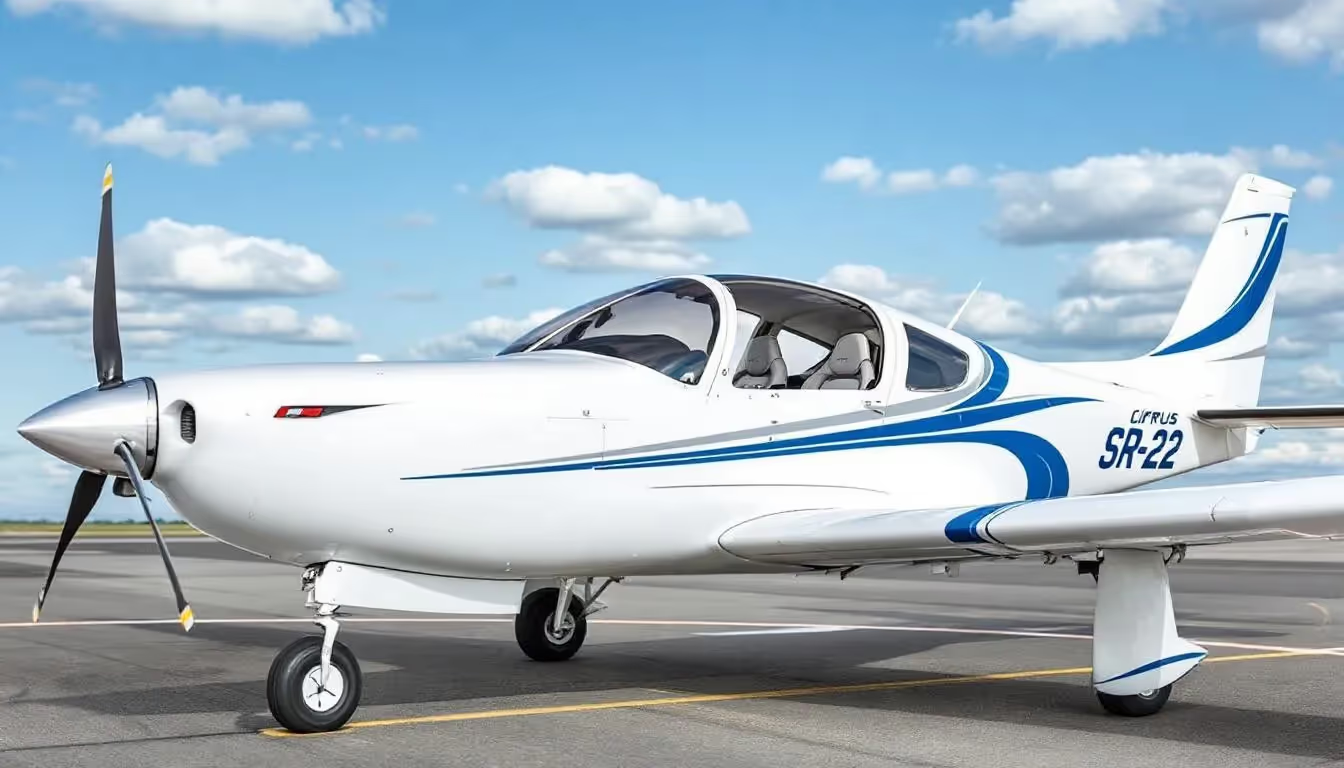
Cirrus fractional ownership offers a cost-effective and convenient alternative to sole aircraft ownership, allowing access to premium Cirrus aircraft like the SR22 and Vision Jet for 50-250 hours annually. This model reduces the complexities of ownership by including professional management, insurance, maintenance, and pilot services in a transparent pricing structure, with investments starting around $125,000 for a 1/8 share. Unlike traditional aircraft clubs or charter services, fractional ownership guarantees availability and fixed costs, making it ideal for business executives and pilots alike. Overall, it provides a sophisticated solution for those seeking luxury aviation without the burdens of full ownership.
Jay Franco Serevilla
Aug 21, 2025
|
5
min read
View all
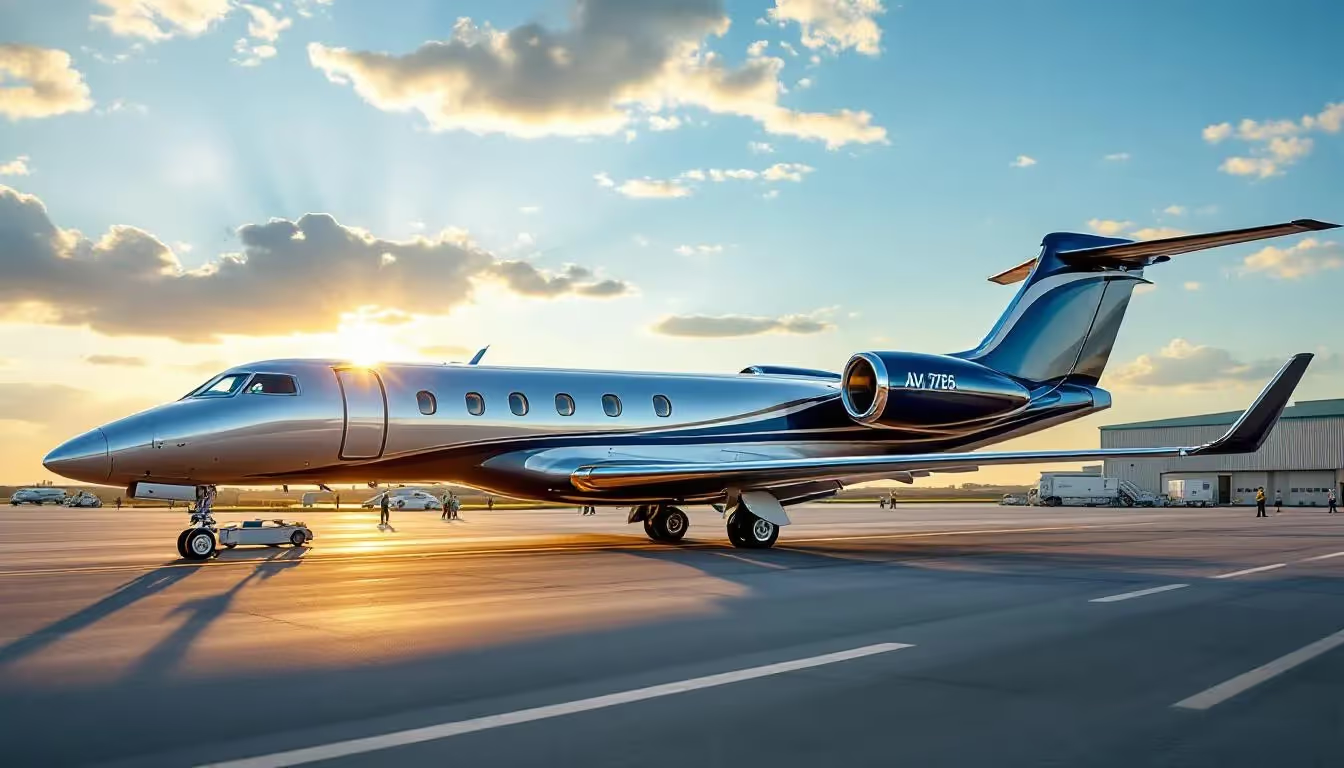
The personal aviation market is experiencing a significant transformation, making flight more accessible with a diverse range of aircraft, from ultralight electric vehicles to advanced personal jets. Innovations in technology have enhanced safety, performance, and environmental sustainability, with features like emergency autoland systems and zero-emission electric eVTOLs becoming commonplace. As demand for private air travel grows, manufacturers are developing aircraft that cater to various needs, offering options that require minimal pilot training and provide luxurious in-flight experiences. The future of personal aviation promises further advancements, including improved battery technology and urban air mobility solutions, making flying an increasingly viable option for more individuals.
Jay Franco Serevilla
Aug 21, 2025
|
5
min read
Explore our latest articles and updates.

5
min read
Booking Flights Best Time: How Timing Affects Prices for Commercial and Private Travel
Timing significantly impacts flight prices for both commercial and private travel. For domestic flights, booking 1-3 months in advance typically yields the best prices, while international flights are best booked 2-8 months ahead, depending on the route. Midweek flights are generally cheaper than weekend flights, and private jet pricing operates differently, often benefiting from last-minute bookings and empty leg flights. Utilizing tools like Google Flights for commercial tickets and Jettly for private jets can help travelers find the best deals and optimize their booking strategies.
Read More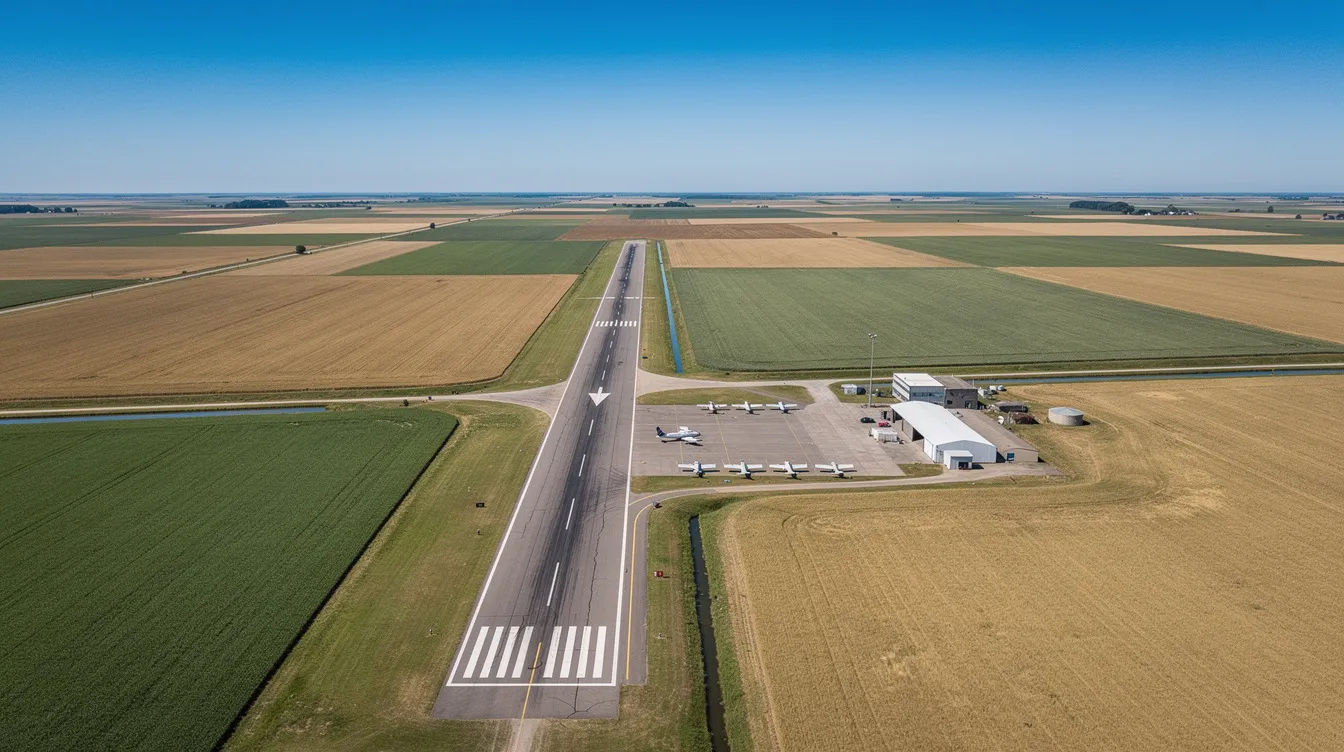
5
min read
Wasco Airport Guide: Wasco-Kern County Airport (L19) & Wasco State Airport for Private Flyers
The Wasco Airport Guide outlines two general aviation airfields: Wasco-Kern County Airport (L19) in California and Wasco State Airport (35S) in Oregon, both catering to private flyers and agricultural operators without commercial airline service. The guide provides essential information for flight planning, including runway specifications, airport operations, and charter logistics through Jettly's platform. Wasco-Kern County Airport features a 3,380-foot runway and serves a high volume of general aviation operations, while Wasco State Airport has a 3,450-foot runway with a focus on itinerant traffic. Understanding the distinctions between these airports is crucial for optimizing private travel itineraries and ensuring efficient access to rural regions.
Read MoreJoin our community and receive the latest blog updates directly in your inbox.
MEMBERSHIPS AND ASSOCIATIONS



Disclaimer: Jettly operates as a charter broker, offering access to a global digital jet charter marketplace. Jettly is not a direct air carrier and does not own or operate aircraft. All advertised flights are conducted by third-party air carriers that are fully licensed and hold the appropriate Part 135 or Part 121 certifications issued by the Federal Aviation Administration (FAA) or equivalent regulatory authorities under U.S. or foreign law. Jettly complies fully with the U.S. Department of Transportation's Part 295 and Part 298 Charter Broker regulations. Jettly does not carry additional liability insurance. Passengers are covered by aircraft operator insurance. TICO: 50023770


