



Login
Get Instant Pricing On 23,000+ Aircraft

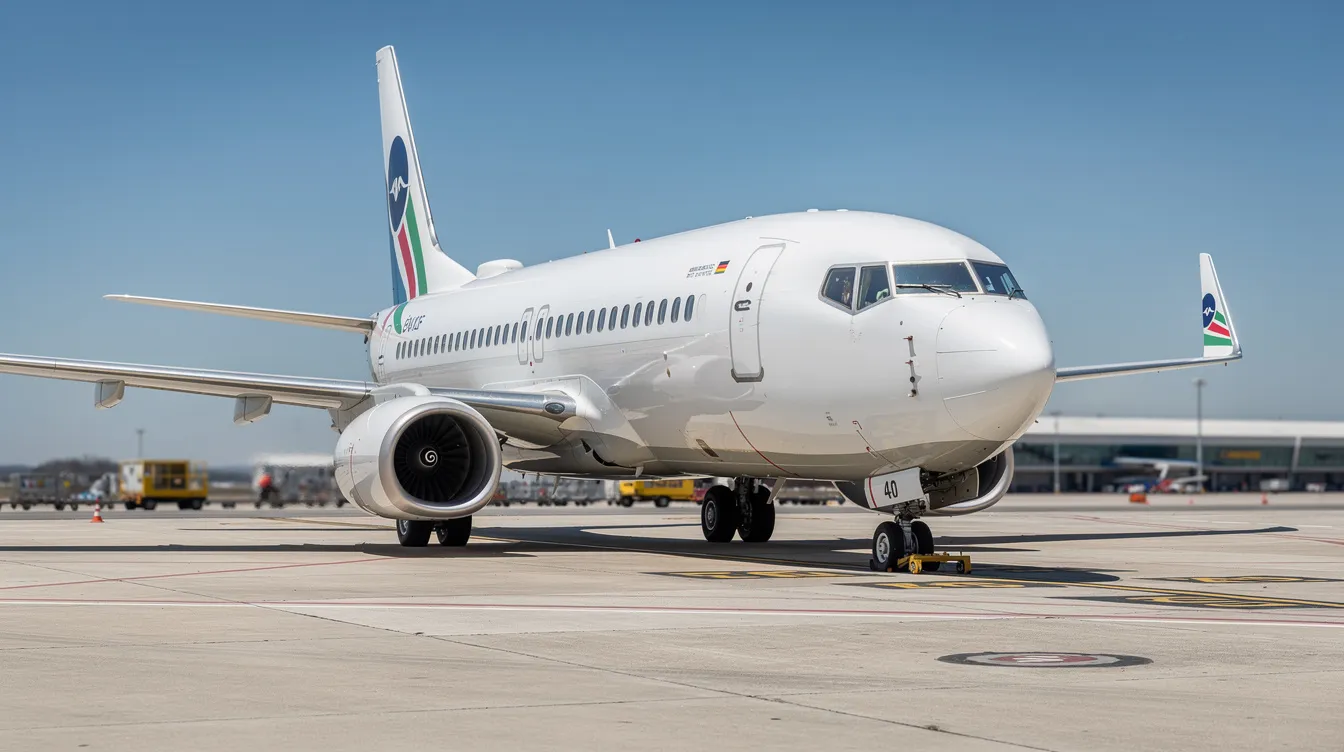
The Boeing 737-700 boasts a strong safety record since its introduction in 1998, distinct from the 737 MAX series. Governed by the FAA and other global regulators, its safety is maintained through rigorous inspections and operator compliance. Passengers can trust the 737-700 for both commercial and private charters, as it lacks the controversial MCAS system found in the MAX models.
Jay Franco Serevilla
Oct 17, 2026
|
5
min read


View all
Helicopter rental costs vary widely based on factors such as aircraft type, location, and flight duration, with prices ranging from $310 to $4,700 per hour. It is crucial to account for additional expenses like fuel surcharges, landing fees, and insurance, as these can significantly affect the overall rental cost. By understanding these components, customers can make informed decisions that align with their travel goals and budget. Thorough research and effective communication with rental operators are key to achieving a satisfying helicopter experience without overspending.
Justin Crabbe
May 7, 2025
|
5 minutes
min read
View all
Private jet travelers have a variety of landing options beyond major commercial airports, such as regional airports, private FBOs, and even exclusive airstrips, each offering unique advantages like privacy, convenience, and faster turnarounds. Choosing the right landing spot can enhance the private jet experience, with factors like proximity to the destination, runway requirements, FBO amenities, and operational hours playing key roles. Smaller airports often provide benefits like reduced congestion and greater privacy, while unique landing sites, such as temporary airstrips for high-profile events, add a level of flexibility. Working with experienced charter providers like Jettly helps travelers find the best airport to match their needs, from VIP services to environmentally-friendly options, ensuring a seamless private travel experience.
Justin Crabbe
May 7, 2025
|
5 minutes
min read
View all
This blog explores the safety measures and protocols that ensure private jet travel is secure and reliable. It highlights the rigorous regulations, essential life-saving equipment, and the constant readiness of support teams to handle emergencies. Additionally, the importance of evaluating an operator's reputation, aircraft condition, and crew qualifications are emphasized for safe private jet experiences. The private aviation industry remains devoted to enhancing safety measures, making private jets a luxurious, convenient, and time-efficient transportation option.
Justin Crabbe
May 7, 2025
|
5 minutes
min read
View all
Jet cards provide frequent flyers with predictable pricing, guaranteed availability, and more flexibility compared to traditional charters. By purchasing prepaid flight hours, members benefit from fixed rates and a variety of aircraft choices. Jettly stands out with its transparent pricing, no penalty cancellations, and booking ease. Ultimately, understanding your aviation needs will help you choose the right jet card program, and Jettly's offering might be ideal for your travel requirements.
Justin Crabbe
May 7, 2025
|
5 minutes
min read
View all
This blog explores the diverse passenger capacities and features of private jets, helping readers make informed decisions when selecting an aircraft for their needs. It highlights different jet types, from light jets for small groups to spacious business jets for larger parties. The guide emphasizes the importance of considering group size, luxury expectations, and cost-efficiency. Ultimately, it aims to assist readers in choosing a private jet that combines comfort, practicality, and style for a superior travel experience.
Justin Crabbe
May 7, 2025
|
5 minutes
min read
View all
Private jet fuel costs are influenced by various factors, including aircraft size, fuel efficiency, and flight planning. Implementing fuel-efficient strategies and investing in advanced technologies can help manage these expenses. Eco-friendly alternatives like sustainable aviation fuels and electric-powered aircraft are emerging, though widespread adoption faces challenges. Staying informed about trends and exploring efficient practices is key to the financial viability and sustainability of private aviation.
Justin Crabbe
May 7, 2025
|
5 minutes
min read
Explore our latest articles and updates.
5
min read
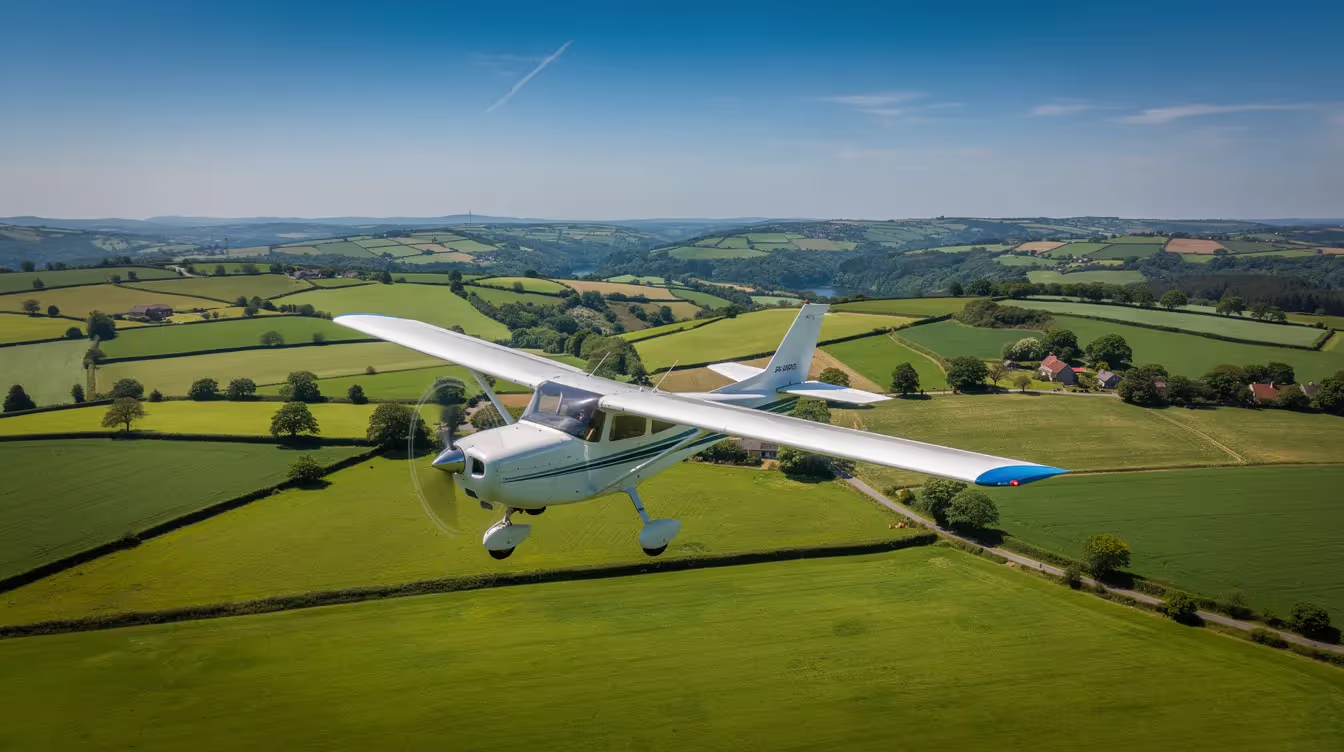
Cessna 150: The Trainer That Shaped Generations of Pilots
The Cessna 150, introduced in 1959, is a highly influential two-seat training aircraft that has helped hundreds of thousands of pilots earn their wings, remaining a staple in flight schools and flying clubs worldwide. With nearly 23,839 units produced, it is known for its forgiving handling, low operating costs, and simple systems, making it ideal for student pilots. While it excels in training and recreational flying, its limited capacity and range make it unsuitable for business or family travel, where larger charter aircraft are more appropriate. As pilots progress from the Cessna 150, they often transition to more capable aircraft for their evolving travel needs, sometimes utilizing charter services like Jettly for efficient transportation.
Read More
5
min read
Cessna 550 Citation Bravo: A Comprehensive Overview of This Popular Light Business Jet
The Cessna 550 Citation Bravo, produced from 1997 to 2006, is a popular light business jet known for its balance of speed, range, and operating economics, accommodating 7 to 9 passengers. Powered by two Pratt & Whitney Canada PW530A engines, it offers improved thrust and fuel efficiency compared to earlier models, with a maximum range of nearly 2,000 nautical miles and a cruise speed of around 400 knots. The aircraft features a comfortable cabin, advanced avionics, and is certified for single-pilot operations, making it a cost-effective choice for charter operators and private owners. Pre-owned models typically range from $1.25 million to $3 million, supported by a strong resale market due to their reliability and efficiency.
Read MoreJoin our community and receive the latest blog updates directly in your inbox.
MEMBERSHIPS AND ASSOCIATIONS



Disclaimer: Jettly operates as a charter broker, offering access to a global digital jet charter marketplace. Jettly is not a direct air carrier and does not own or operate aircraft. All advertised flights are conducted by third-party air carriers that are fully licensed and hold the appropriate Part 135 or Part 121 certifications issued by the Federal Aviation Administration (FAA) or equivalent regulatory authorities under U.S. or foreign law. Jettly complies fully with the U.S. Department of Transportation's Part 295 and Part 298 Charter Broker regulations. Jettly does not carry additional liability insurance. Passengers are covered by aircraft operator insurance. TICO: 50023770


