



Login
Get Instant Pricing On 23,000+ Aircraft

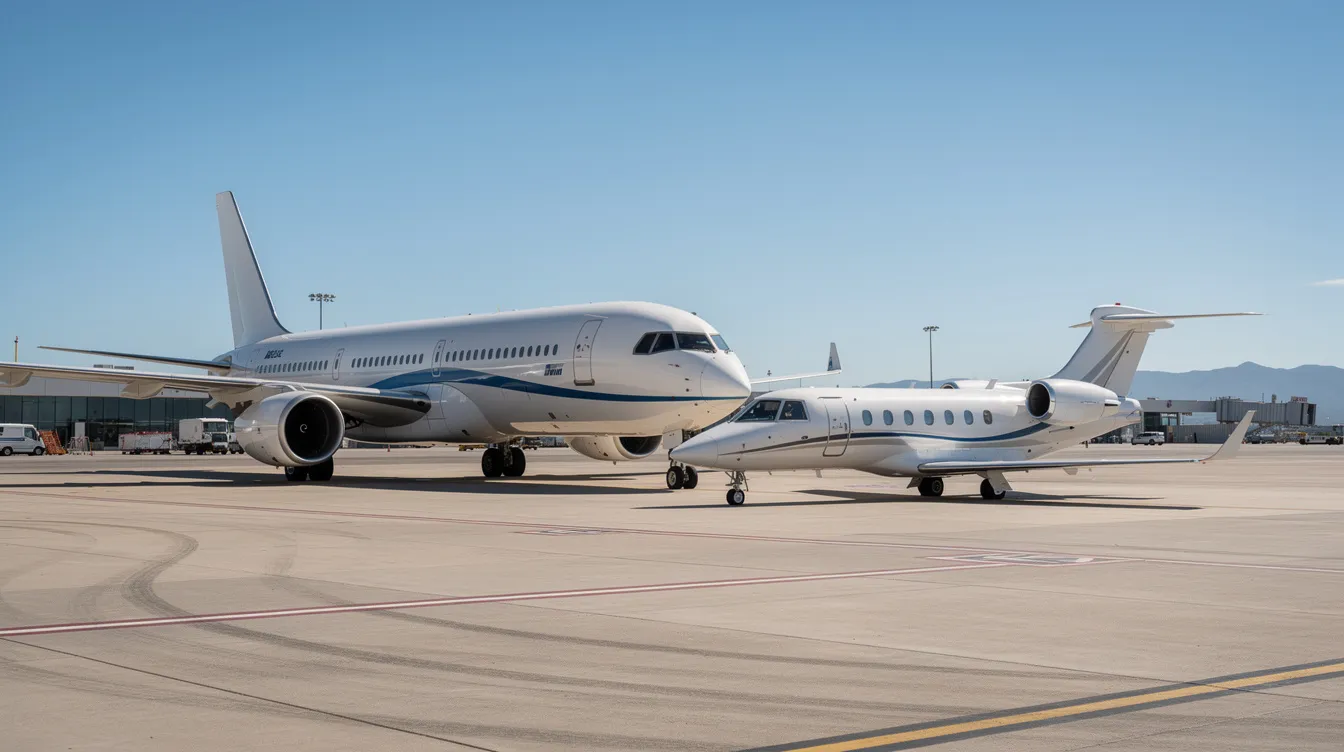
Civil aviation encompasses a diverse range of aircraft types, from commercial airliners to private jets. Understanding these categories helps travelers and aviation enthusiasts make informed decisions about their flying needs. This guide details the various aircraft types, their missions, and how to choose the right plane for specific travel requirements.
Jay Franco Serevilla
Oct 23, 2026
|
5
min read


View all
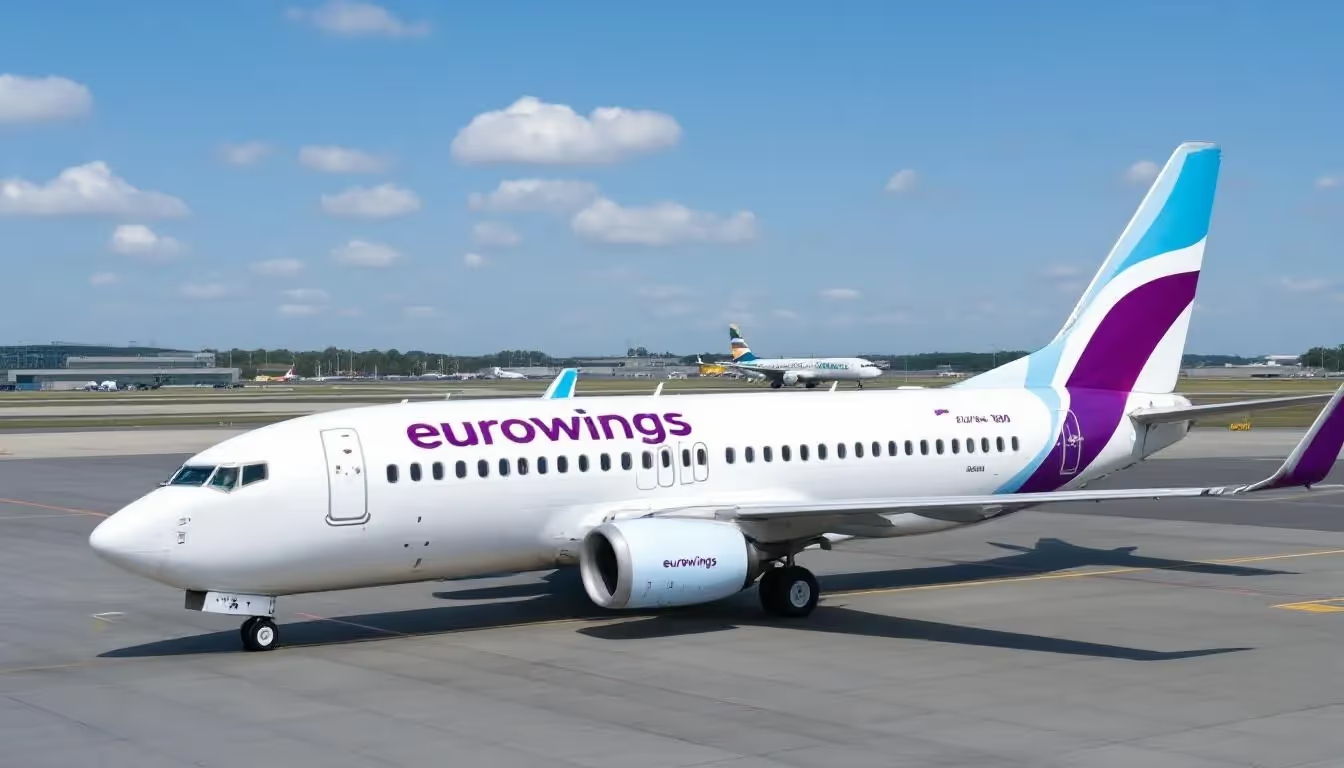
Eurowings is Germany's largest low-cost airline, operating under the Lufthansa Group and serving 155 destinations across Europe. The airline has shifted its focus to short-haul flights since 2019, discontinuing long-haul services to streamline operations and enhance profitability. With a modern fleet primarily consisting of Airbus A320 aircraft and an upcoming order of Boeing 737 MAX 8s, Eurowings emphasizes operational efficiency and customer convenience through its innovative mobile app. This app facilitates easy booking, real-time flight updates, and seamless travel management, making it a valuable tool for both business and leisure travelers.
Jay Franco Serevilla
Aug 21, 2025
|
5
min read

View all
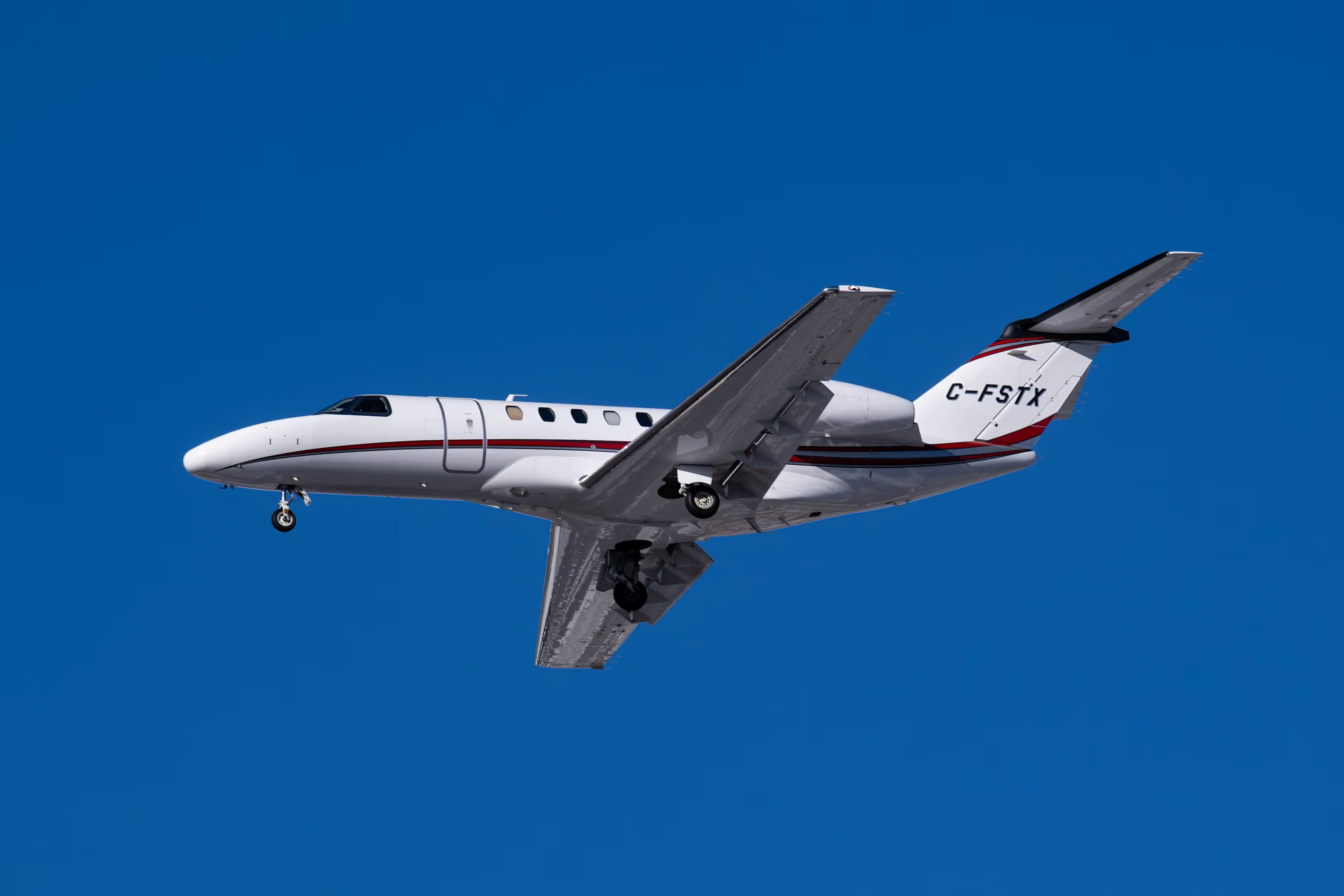
Smoking on private jets is generally allowed, depending on the aircraft owner's or operator's policies, unlike the strict no-smoking rules on commercial flights. The Federal Aviation Administration (FAA) does not prohibit smoking on private aircraft, but safety considerations, such as fire risks and air quality, remain paramount, with pilots having the authority to ban smoking during critical flight phases. Passengers should be aware of potential additional costs, including cleaning fees and damage charges, and must verify smoking policies with operators, especially for international flights where regulations may vary significantly. Overall, successful accommodation of smoking on private jets requires clear communication and advance planning.
Jay Franco Serevilla
Aug 21, 2025
|
5
min read
View all
Private jet travel to Las Vegas offers luxury, privacy, and efficiency, with costs starting around $4,900 for very light jets on short routes, while heavy jets can exceed $30,000 for longer flights. The price varies significantly based on aircraft type, route, passenger count, and additional services, with average costs for light jets around $6,400. Key factors influencing pricing include peak travel times, aircraft selection, and optional services, while strategic planning can help reduce costs through options like empty leg flights and alternative airports. For the best experience, travelers should consult charter brokers for real-time quotes and tailored options.
Jay Franco Serevilla
Aug 21, 2025
|
5
min read

View all
In 2025, the private aviation market showcases an impressive range of luxury aircraft, from entry-level jets starting at $140,000 to fully customized executive liners exceeding $400 million. Modern private jets offer advanced technology, exceptional comfort, and flexibility, catering to diverse needs from recreational pilots to high-profile executives. Key models include the Bombardier Challenger Series, Embraer Phenom Series, and Gulfstream G700, each designed for optimal performance and luxury. With options for full ownership, fractional ownership, and charter services, prospective buyers can choose the best approach to meet their travel requirements and budget.
Jay Franco Serevilla
Aug 21, 2025
|
5
min read
View all
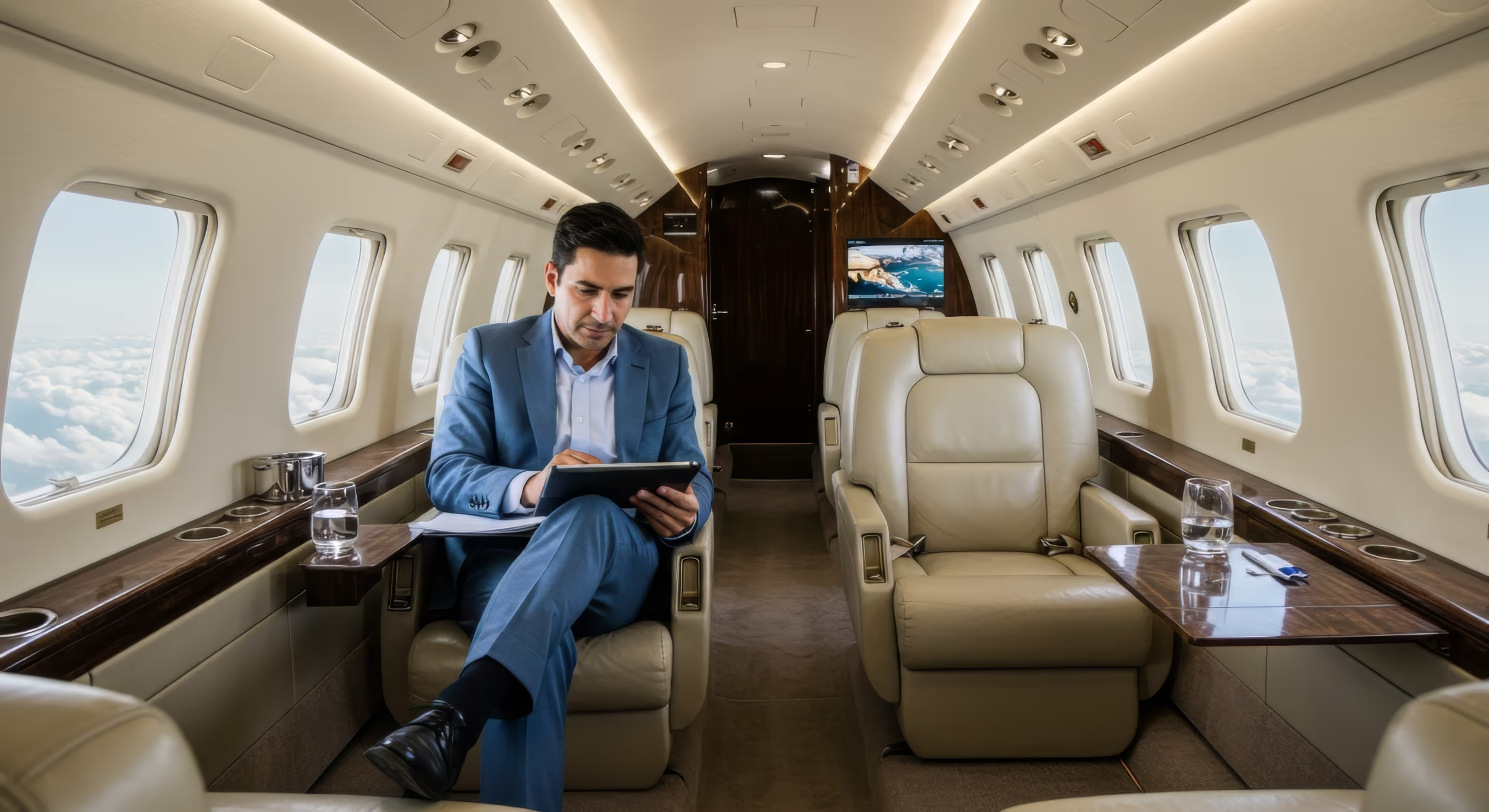
Plane share programs have democratized access to private aviation, allowing individuals and businesses to enjoy the benefits of private jets at a significantly reduced cost—25-75% less than traditional ownership. These programs operate through various models, including fractional ownership, partnership networks, and lease-based options, enabling users to share the costs and usage rights of aircraft. Key advantages include flexibility in aircraft selection, professional management, and substantial time savings by avoiding commercial airport hassles. With transparent pricing structures and customizable ownership options, plane sharing presents a cost-effective solution for those needing regular access to private aviation without the financial burden of full ownership.
Jay Franco Serevilla
Aug 21, 2025
|
5
min read
View all
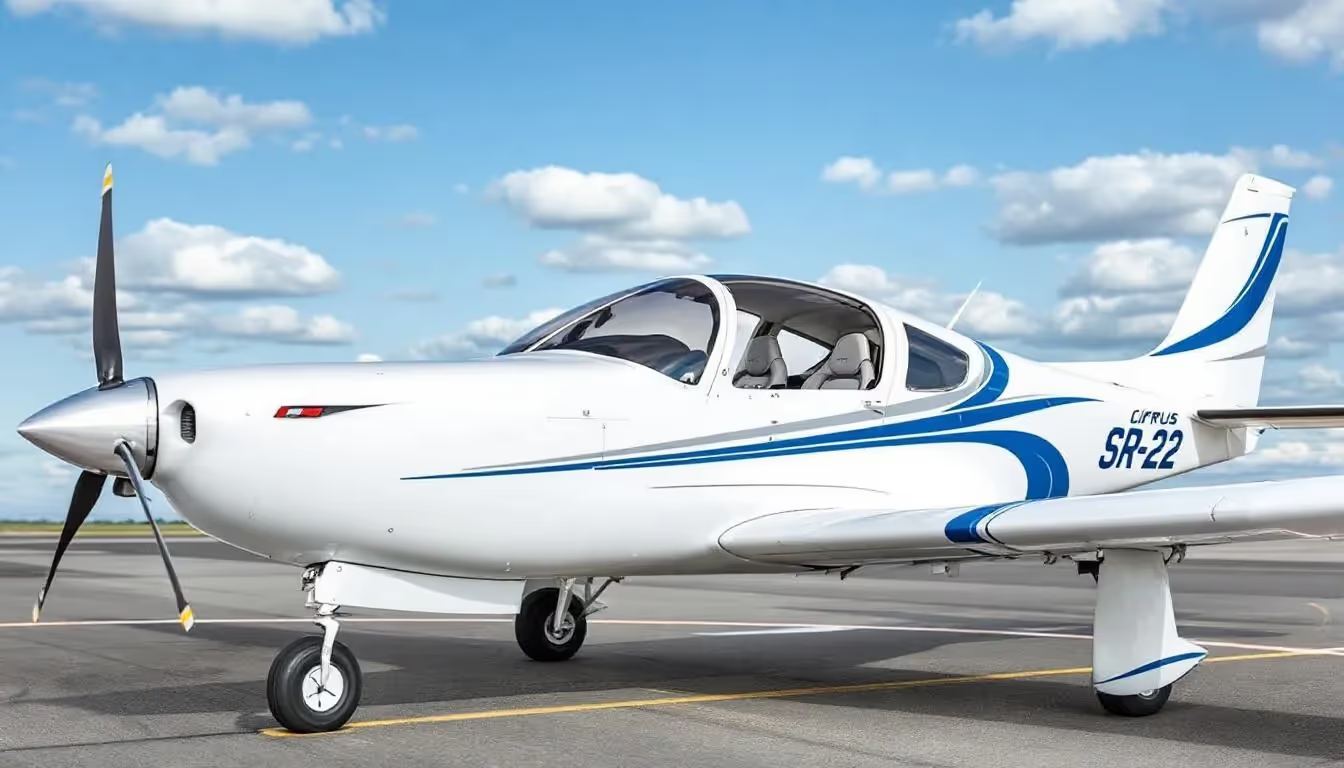
Cirrus fractional ownership offers a cost-effective and convenient alternative to sole aircraft ownership, allowing access to premium Cirrus aircraft like the SR22 and Vision Jet for 50-250 hours annually. This model reduces the complexities of ownership by including professional management, insurance, maintenance, and pilot services in a transparent pricing structure, with investments starting around $125,000 for a 1/8 share. Unlike traditional aircraft clubs or charter services, fractional ownership guarantees availability and fixed costs, making it ideal for business executives and pilots alike. Overall, it provides a sophisticated solution for those seeking luxury aviation without the burdens of full ownership.
Jay Franco Serevilla
Aug 21, 2025
|
5
min read
Explore our latest articles and updates.

5
min read
What Can You Do with a Private Pilot License?
A Private Pilot License (PPL) allows holders to fly single-engine and some multi-engine aircraft for personal and business travel, carry passengers, and operate under Visual Flight Rules (VFR) in good weather. While pilots cannot fly for compensation, they can share operating expenses with passengers and enjoy various flying experiences, including scenic flights, cross-country trips, and volunteer missions. The PPL serves as a foundation for further aviation training, such as obtaining an instrument rating or a commercial pilot license. Additionally, many pilots complement their flying with private jet charters for longer or more complex trips, enhancing their travel flexibility.
Read More
5
min read
Deadhead Pilot: What It Means, How It Works, and Why Airlines Use It
In aviation, a "deadhead pilot" refers to a crew member traveling as a passenger to reposition for a work assignment, a practice that applies to both pilots and flight attendants. Deadheading is a paid duty status, distinct from unpaid commuting, and is essential for maintaining operational coverage after disruptions or irregular schedules. Airlines may utilize deadheading on their own flights or through agreements with other carriers, while private aviation platforms like Jettly optimize similar repositioning flights to enhance cost efficiency for travelers. Understanding deadheading is crucial for appreciating the complexities of crew scheduling and the benefits of flexible private air travel.
Read MoreJoin our community and receive the latest blog updates directly in your inbox.
MEMBERSHIPS AND ASSOCIATIONS



Disclaimer: Jettly operates as a charter broker, offering access to a global digital jet charter marketplace. Jettly is not a direct air carrier and does not own or operate aircraft. All advertised flights are conducted by third-party air carriers that are fully licensed and hold the appropriate Part 135 or Part 121 certifications issued by the Federal Aviation Administration (FAA) or equivalent regulatory authorities under U.S. or foreign law. Jettly complies fully with the U.S. Department of Transportation's Part 295 and Part 298 Charter Broker regulations. Jettly does not carry additional liability insurance. Passengers are covered by aircraft operator insurance. TICO: 50023770


