



Login
Get Instant Pricing On 23,000+ Aircraft


Delta Air Lines utilizes a structured boarding system with eight numbered zones plus pre-boarding, determining the order in which passengers board based on cabin class, fare type, and loyalty status. Understanding this system is crucial for travelers considering commercial flights versus private jet charters, as it impacts overhead bin space and wait times. For those seeking a more streamlined experience, private jet options like Jettly eliminate the complexities of boarding zones altogether.
Jay Franco Serevilla
Oct 25, 2026
|
5
min read


View all
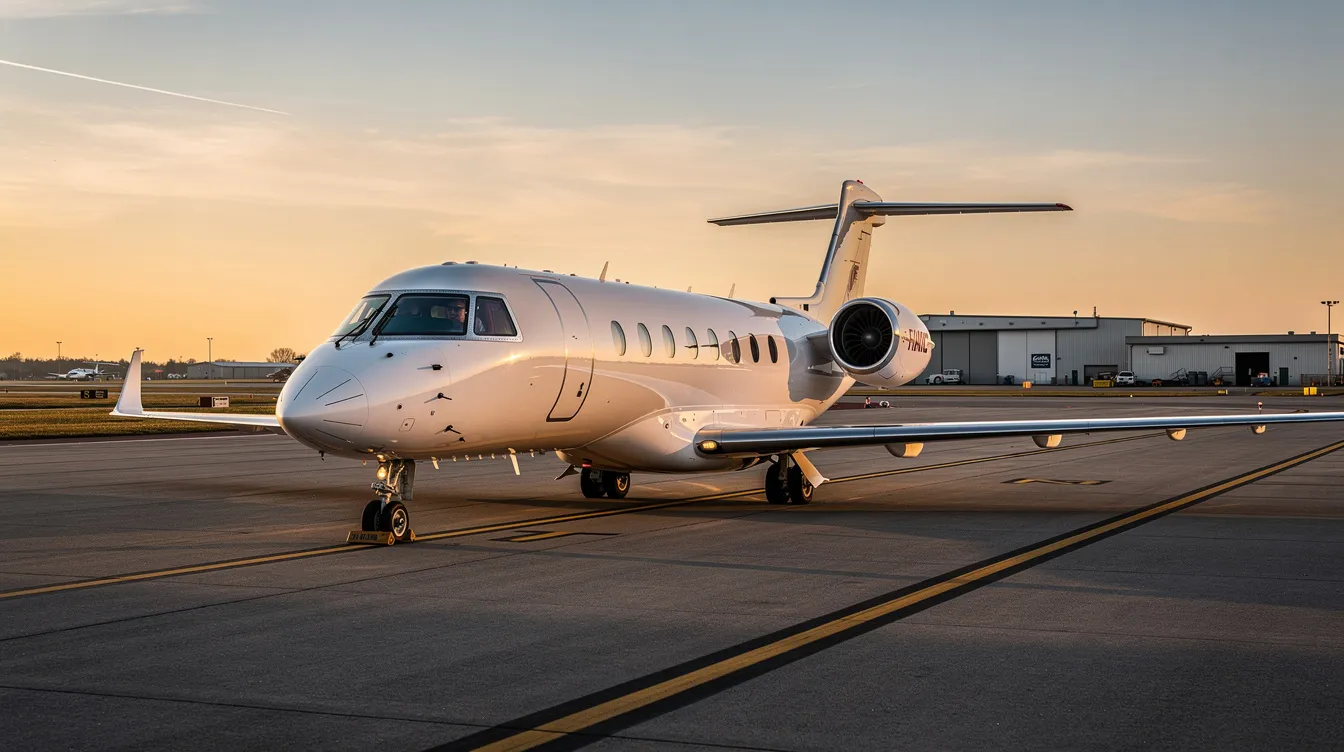
Status jets have evolved from exclusive ownership to flexible, on-demand access, allowing travelers to fly privately without the hassles of commercial aviation. Platforms like Jettly provide instant pricing and access to over 20,000 aircraft, making private travel more accessible for business and leisure travelers alike. This shift emphasizes convenience, time savings, and the ability to travel on one's own schedule.
Jay Franco Serevilla
Oct 6, 2026
|
5
min read
View all
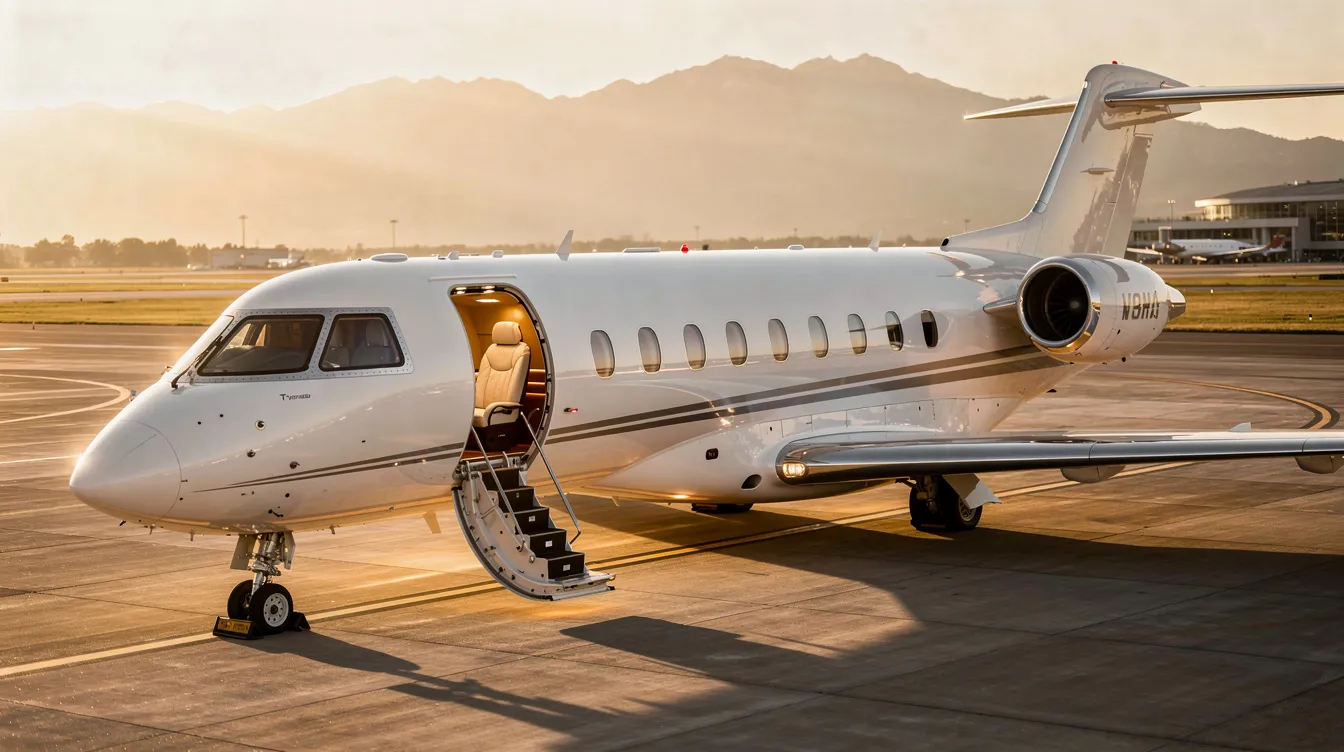
In 2026, understanding the costs associated with private jet ownership is essential for potential buyers. This guide outlines acquisition prices, ongoing expenses, and the benefits of chartering through platforms like Jettly. With costs ranging from hundreds of thousands to over $100 million, buyers must consider both initial investments and substantial annual expenses.
Jay Franco Serevilla
Oct 6, 2026
|
5
min read

View all
Helicopters typically stay airborne for 2 to 6 hours, depending on their class and mission profile. Factors like fuel capacity, payload, and weather conditions significantly influence their endurance and range. Understanding these aspects is crucial for effective flight planning and operational efficiency.
Jeff Ryan Serevilla
Oct 6, 2026
|
5
min read

View all
The Cessna 182's useful load is crucial for pilots when planning flights, as it determines how much weight can be carried, including passengers and fuel. This guide explores the useful load across various Cessna 182 models, highlighting trade-offs and practical loading scenarios for effective flight planning.
Jeff Ryan Serevilla
Oct 6, 2026
|
5
min read

View all
As of May 2026, airplane fuel prices in the U.S. range from $7.00 to $9.20 per gallon for Jet A, significantly impacting private flight costs. Understanding these prices is crucial for frequent flyers, as fuel constitutes a major portion of charter expenses. Jettly offers transparent pricing that incorporates real-time fuel costs to help travelers budget effectively.
Jeff Ryan Serevilla
Oct 6, 2026
|
5
min read

View all
Private jet charter in Colorado Springs offers a convenient and flexible travel solution for business and leisure travelers. With access to over 20,000 aircraft through Jettly, booking a flight is quick and hassle-free, allowing you to bypass commercial airline delays and enjoy tailored services. Experience the benefits of private aviation, including direct airport access and personalized itineraries.
Jeff Ryan Serevilla
Oct 6, 2026
|
5
min read
Explore our latest articles and updates.

5
min read
JetBlue Private: How JetBlue Mint Compares to On‑Demand Private Jet Travel
This guide compares JetBlue's premium Mint service and charter options to true private jet travel, helping travelers choose based on comfort, privacy, flexibility, and value. "JetBlue private" typically refers to JetBlue Mint, Mint Studio, or JetBlue Charters, which offer premium commercial experiences rather than traditional private jet services. While JetBlue provides strong amenities like lie-flat seats and priority boarding, true private jet services, such as those offered by Jettly, allow for on-demand scheduling, greater privacy, and access to a wider range of airports. Ultimately, travelers should consider JetBlue for cost-effective, straightforward routes and Jettly for more complex or time-sensitive travel needs.
Read More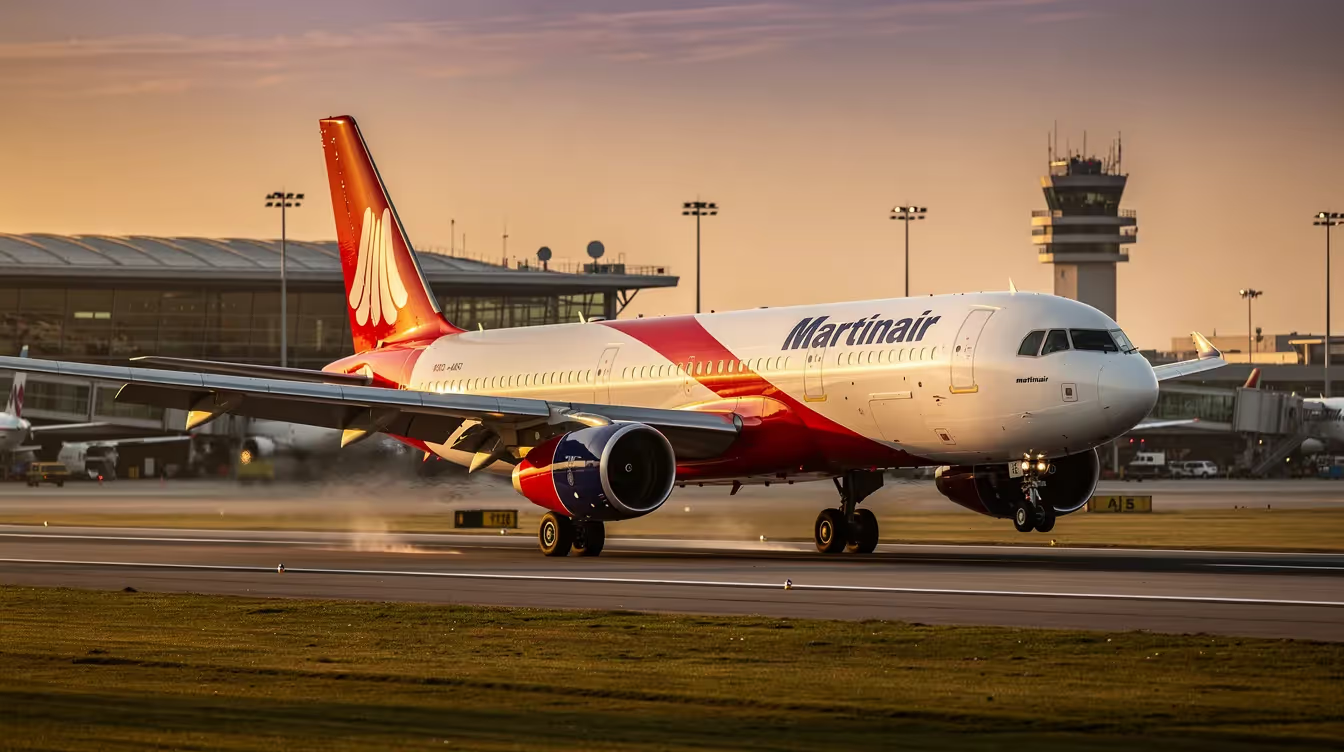
5
min read
Martinair: Cargo Operations, Aircraft Charter Services, and Career Opportunities
Martinair is a Dutch cargo airline under the Air France–KLM group, specializing in global freight transportation with a fleet of Boeing 747 freighters, while U.S. operators like MartinAir and Martinaire focus on regional aircraft charter and cargo services. Since ceasing passenger flights in 2011, Martinair has concentrated on heavy logistics, express cargo, and specialized shipments, such as perishables and pharmaceuticals. For travelers and businesses needing flexible air travel, Jettly offers a digital marketplace for on-demand private charters, providing access to over 20,000 aircraft globally. This allows customers to efficiently compare options for both scheduled cargo services with Martinair and urgent charter needs through Jettly.
Read MoreJoin our community and receive the latest blog updates directly in your inbox.
MEMBERSHIPS AND ASSOCIATIONS



Disclaimer: Jettly operates as a charter broker, offering access to a global digital jet charter marketplace. Jettly is not a direct air carrier and does not own or operate aircraft. All advertised flights are conducted by third-party air carriers that are fully licensed and hold the appropriate Part 135 or Part 121 certifications issued by the Federal Aviation Administration (FAA) or equivalent regulatory authorities under U.S. or foreign law. Jettly complies fully with the U.S. Department of Transportation's Part 295 and Part 298 Charter Broker regulations. Jettly does not carry additional liability insurance. Passengers are covered by aircraft operator insurance. TICO: 50023770


