


Login
Get Instant Pricing On 23,000+ Aircraft


This article explores Tiger Woods' $53 million Gulfstream G550 and how high-performance private aviation serves as a crucial tool for top athletes. Beyond comfort and luxury, the jet's low cabin altitude pressurization, massive storage for specialized physio equipment, and direct long-range flight capabilities help Woods manage chronic injuries and travel fatigue while navigating a demanding global competition schedule.
Roz C
Sep 1, 2026
|
5
min read


View all
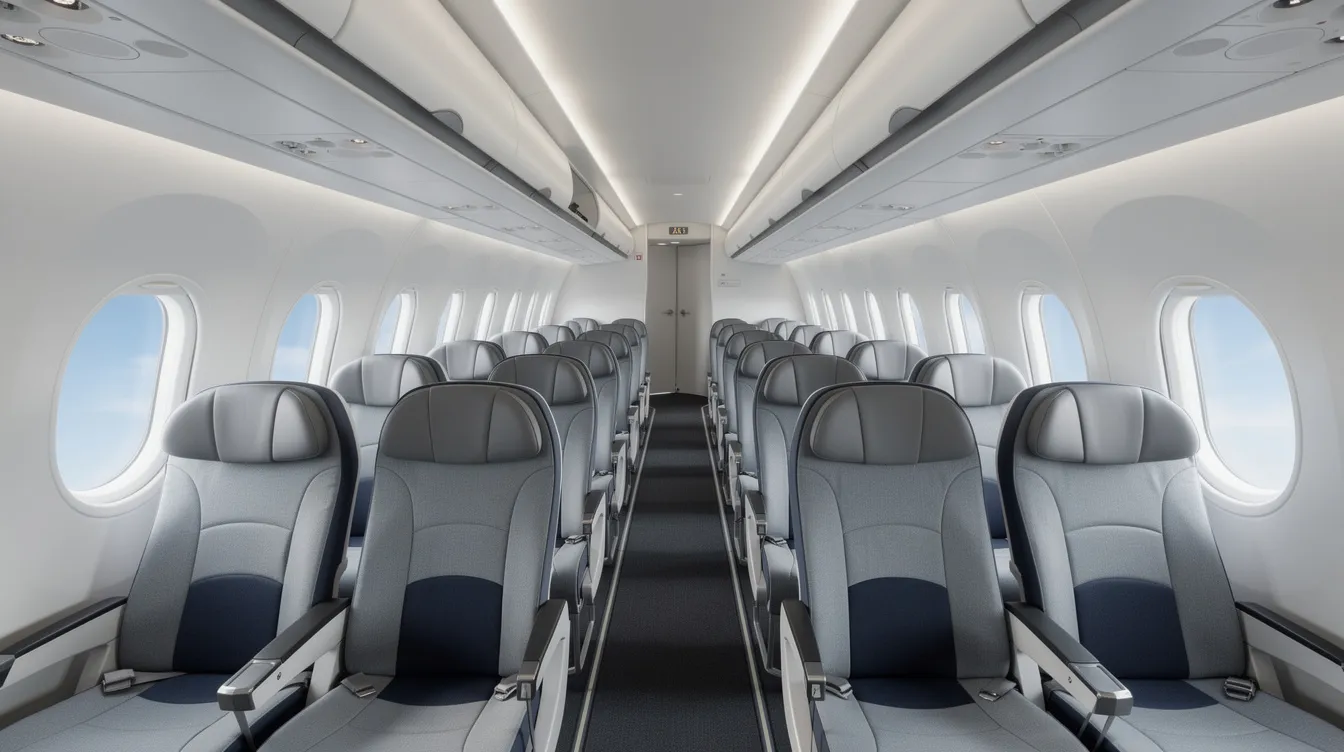
The Boeing 787-8 seat map is essential for travelers seeking comfort on long flights. This guide details cabin layouts, best seat selections, and features like power outlets and Wi-Fi. It also compares commercial flying with private jet charters for those desiring more privacy and flexibility.
Jay Franco Serevilla
Aug 9, 2026
|
5
min read
View all
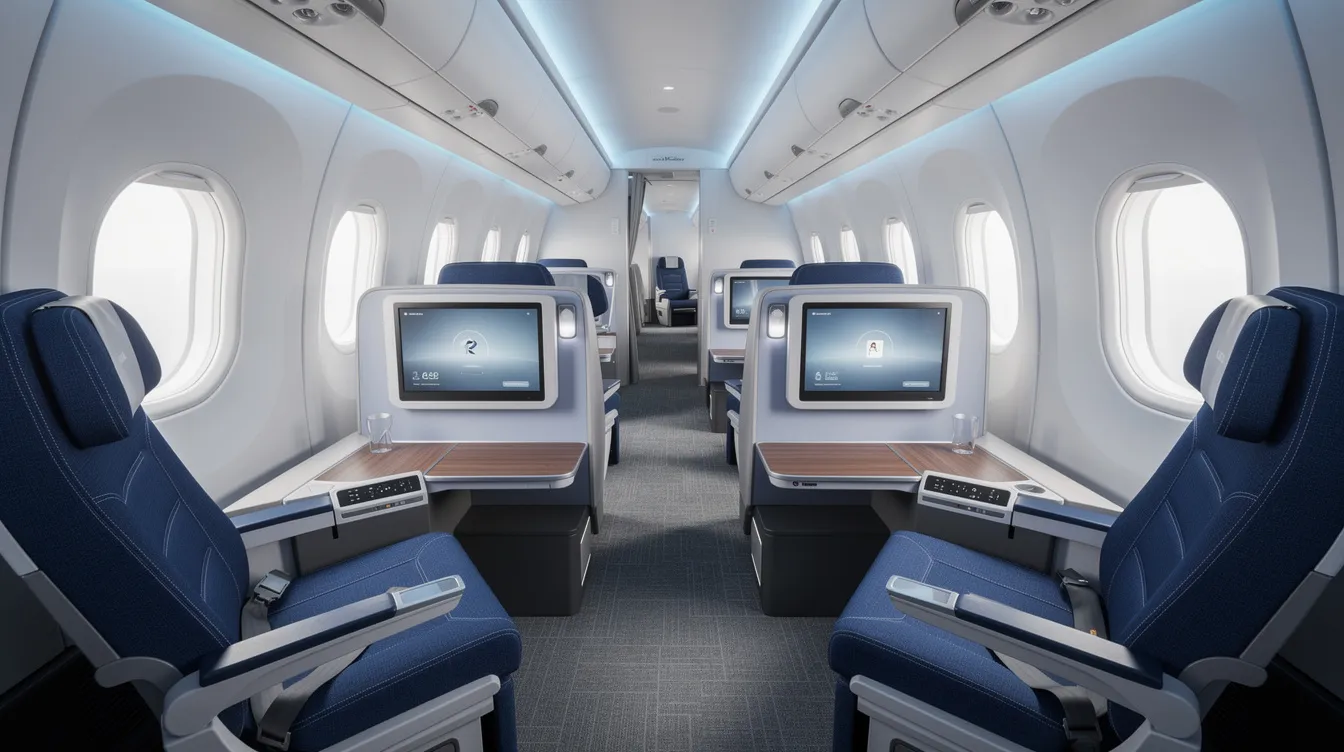
American Airlines Premium Economy on the Boeing 787 offers travelers enhanced comfort with a spacious 2-3-2 layout, upgraded meals, and advanced inflight entertainment. While it provides a significant upgrade over standard economy, it lacks some features of business class, such as lounge access and lie-flat seats. For those seeking privacy and flexibility, private jet charter may be a better option.
Jay Franco Serevilla
Aug 9, 2026
|
5
min read
View all
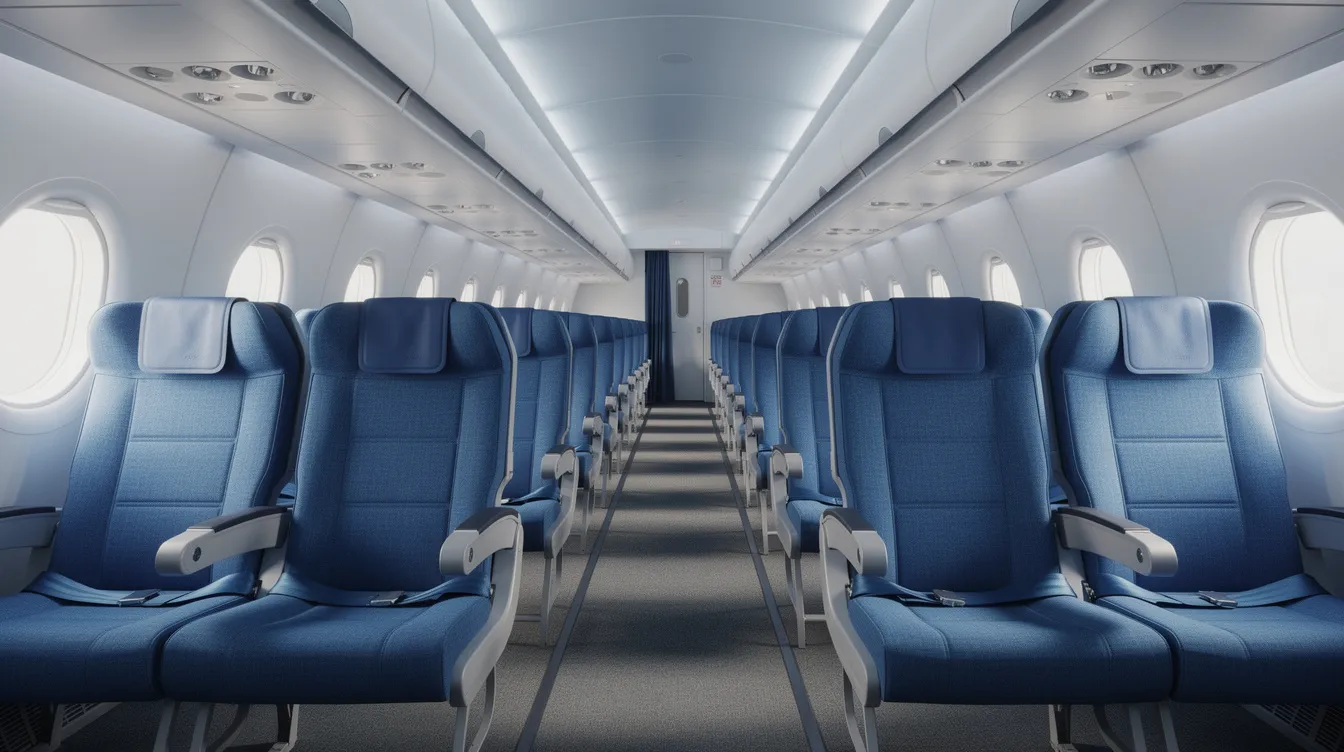
The Delta Boeing 737-800 is a popular aircraft for domestic flights, featuring a three-class cabin layout with modern amenities. This guide covers seat selection strategies, comfort levels, and how the experience compares to private jet charters. For travelers seeking privacy and flexibility, private options through Jettly may offer a compelling alternative.
Jay Franco Serevilla
Aug 9, 2026
|
5
min read
View all
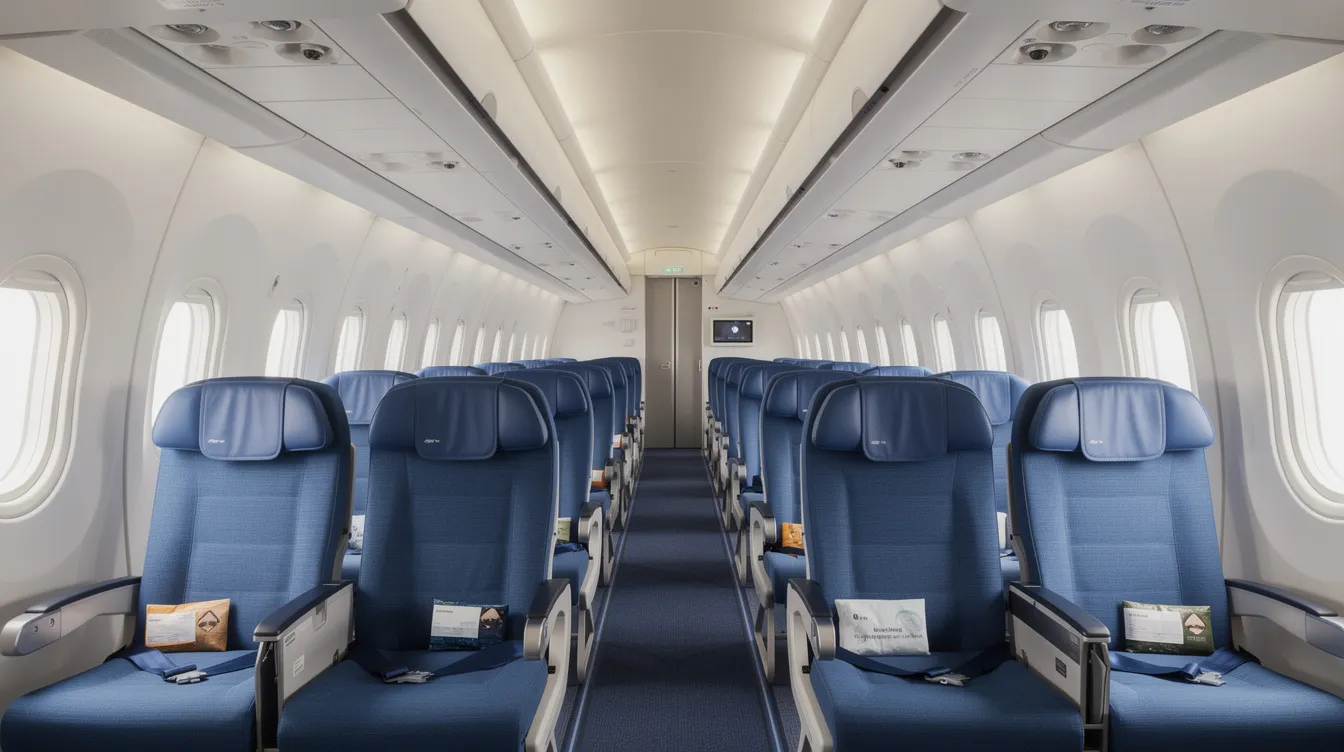
The Southwest Boeing 737-700 is a popular narrowbody aircraft used for domestic flights, featuring a single-cabin layout with 143 economy seats. This guide covers seat types, layout, comfort, and how it compares to private jet charters, helping travelers make informed choices for their next flight. Understanding the nuances of the 737-700 can enhance your travel experience, whether you opt for economy seating or consider private travel alternatives.
Jay Franco Serevilla
Aug 9, 2026
|
5
min read
View all
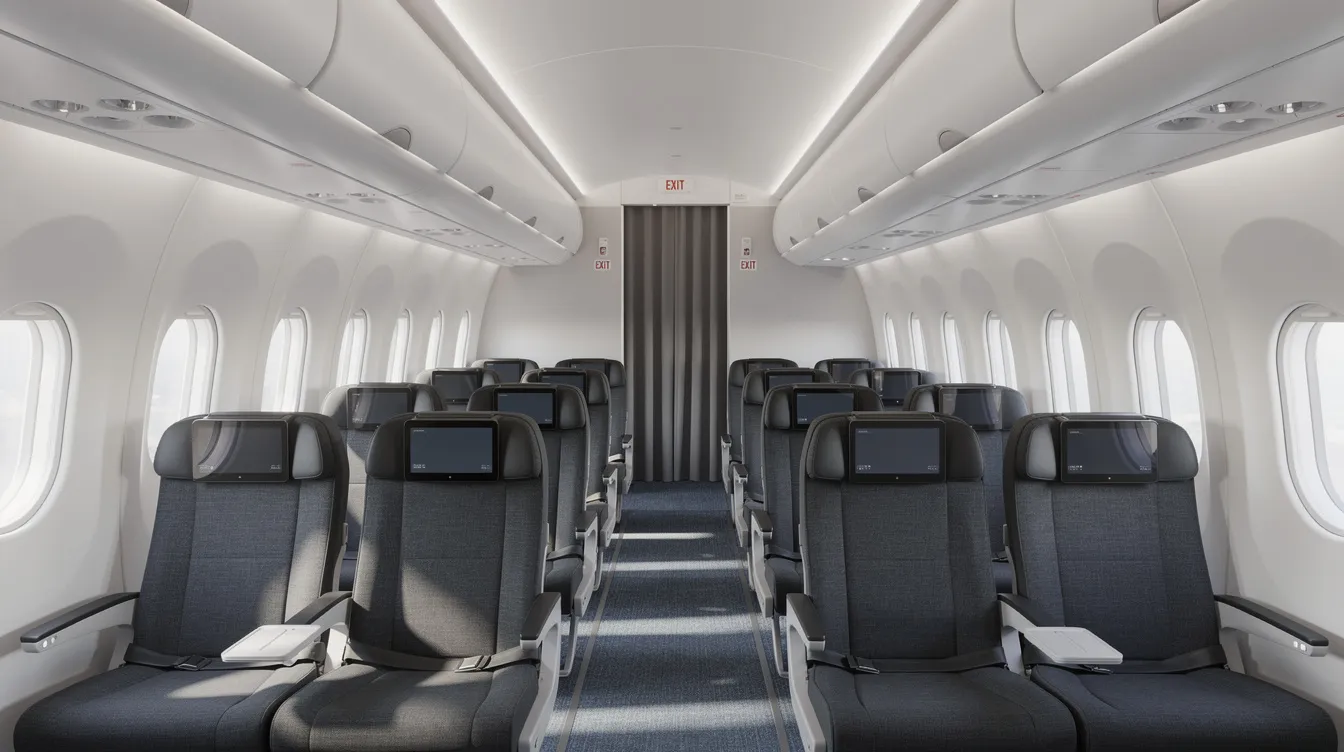
The American Airlines 787-8 offers a diverse seating arrangement across three cabins, catering to various passenger needs. This guide details the seat map, highlights the best seats, and compares the commercial experience to private jet travel with Jettly. Discover how to optimize your long-haul flight experience or explore private charter options for greater flexibility and comfort.
Jay Franco Serevilla
Aug 9, 2026
|
5
min read
View all
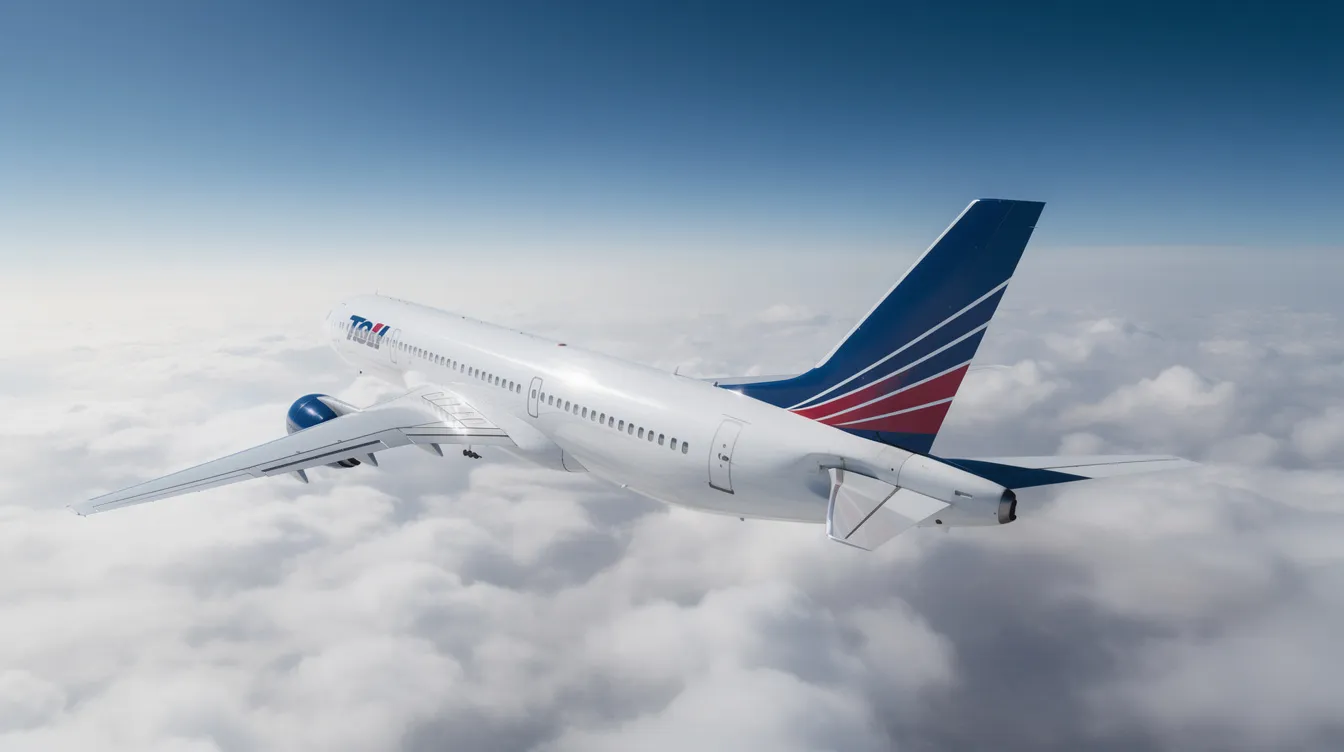
Discover the inner workings of the British royal plane, where practicality meets security. The RAF Voyager and Envoy IV jets serve as flying offices for the royal family, prioritizing efficiency over opulence. This article delves into their features, costs, and how royal travel compares to modern private jet options.
Jay Franco Serevilla
Aug 9, 2026
|
5
min read
Explore our latest articles and updates.
5
min read
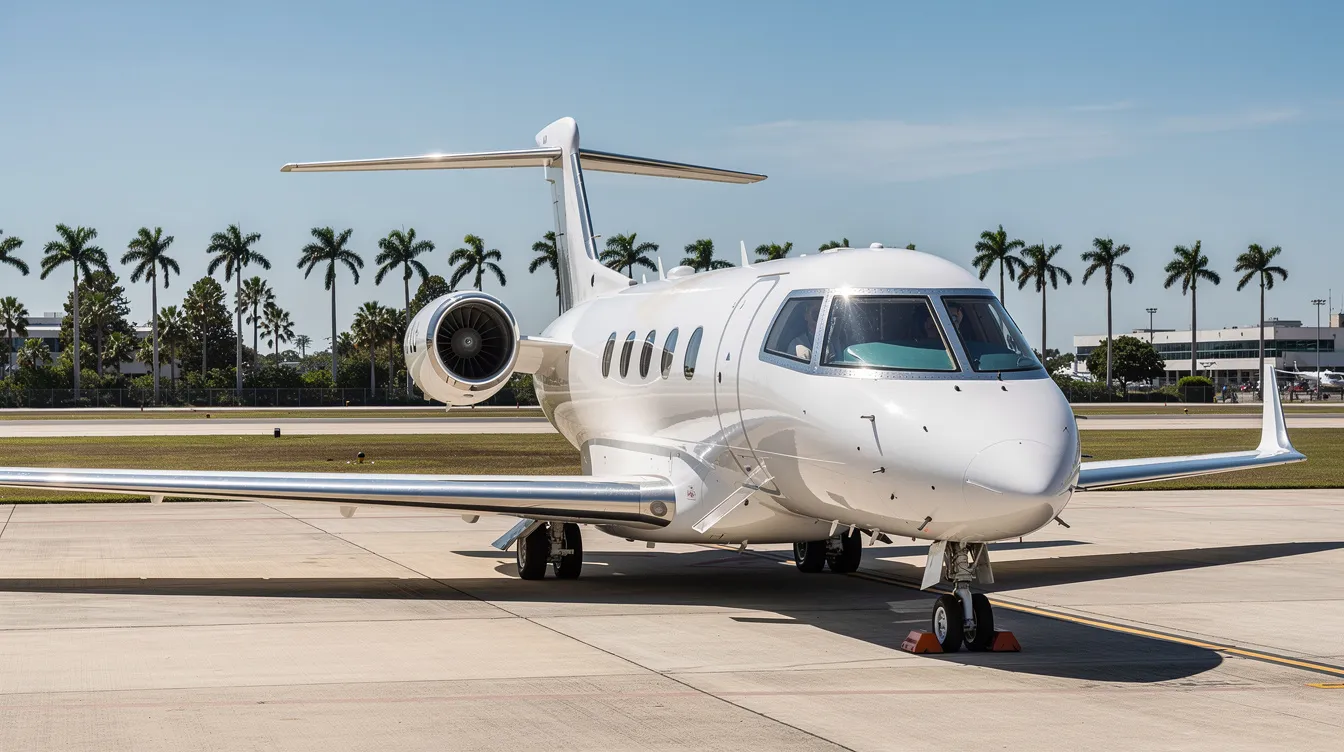
N1Y: Embraer Legacy 500 Registration, Flight History, and Charter Options
N1Y is a 2016 Embraer Legacy 500 based in Naples, Florida, offering a spacious cabin and advanced avionics for business and leisure travel. This guide provides insights into its registration, flight history, and charter options through platforms like Jettly, which offers access to over 20,000 aircraft worldwide.
Read More
5
min read
N588AT Gulfstream G-V Charter Guide: Cabin, Specs, and How to Book with Jettly
The N588AT Gulfstream G-V is a premier heavy jet designed for intercontinental travel, offering a spacious cabin for up to fourteen passengers. This guide provides insights into its specifications, onboard amenities, and the booking process through Jettly's platform, making it an ideal choice for both business and leisure travel.
Read MoreJoin our community and receive the latest blog updates directly in your inbox.
MEMBERSHIPS AND ASSOCIATIONS



Disclaimer: Jettly operates as a charter broker, offering access to a global digital jet charter marketplace. Jettly is not a direct air carrier and does not own or operate aircraft. All advertised flights are conducted by third-party air carriers that are fully licensed and hold the appropriate Part 135 or Part 121 certifications issued by the Federal Aviation Administration (FAA) or equivalent regulatory authorities under U.S. or foreign law. Jettly complies fully with the U.S. Department of Transportation's Part 295 and Part 298 Charter Broker regulations. Jettly does not carry additional liability insurance. Passengers are covered by aircraft operator insurance. TICO: 50023770


