



Login
Get Instant Pricing On 23,000+ Aircraft

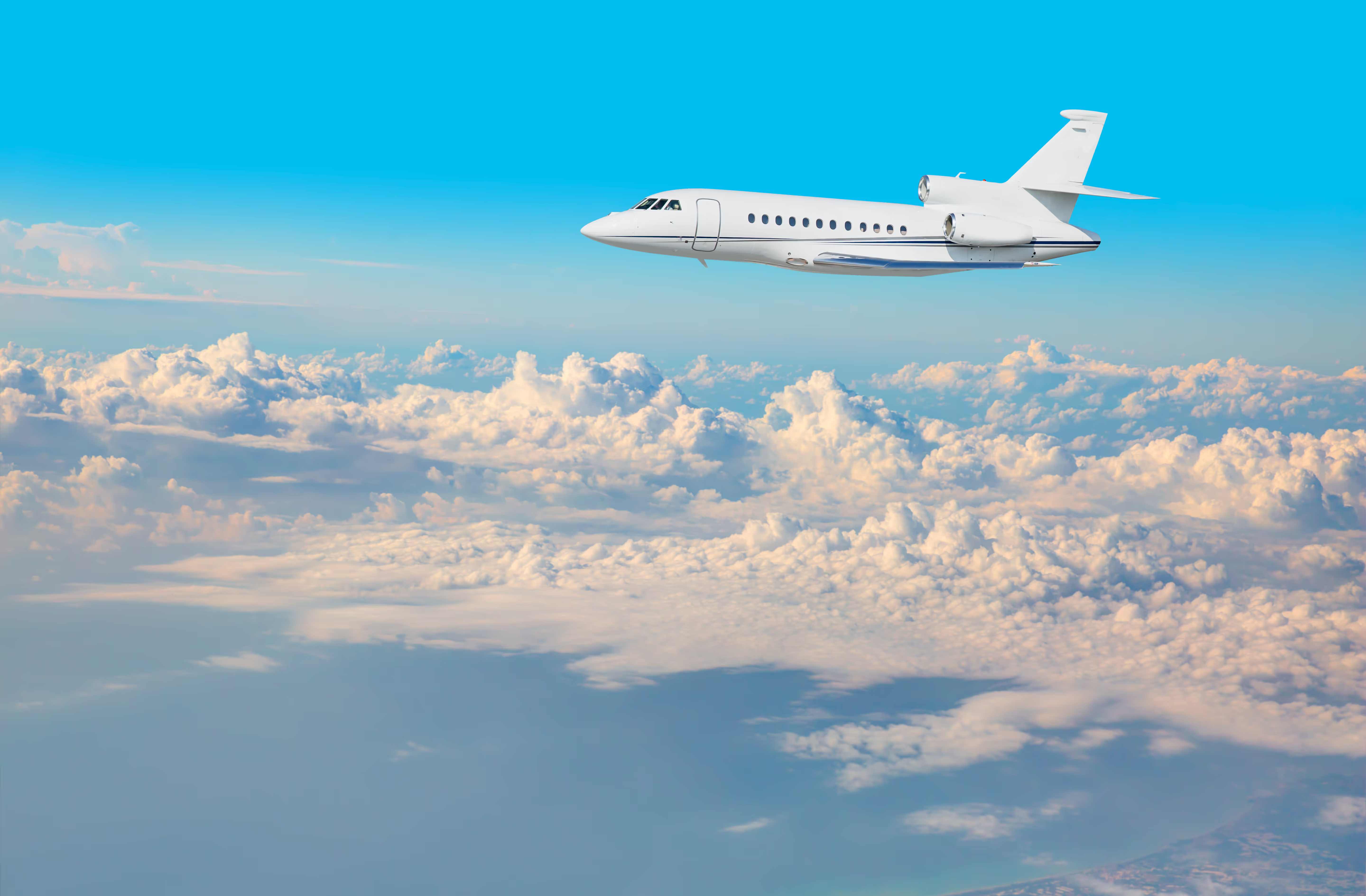
Private jet rentals are increasingly attractive for corporate travel as companies seek efficiency, flexibility, and time savings over the constraints of commercial schedules. While first class remains more affordable for solo or small-team travel, private charters offer better value for larger groups or multi-stop trips where time and productivity matter most. Beyond cost, charters provide privacy, direct routes, and the ability to conduct business in-flight. Ultimately, a hybrid approach—using first class for smaller trips and private jets for critical or complex travel—offers the best balance of cost and convenience.
Jay Franco Serevilla
Oct 6, 2025
|
5
min read


View all
On-demand private flights offer a cost-effective and flexible alternative to fractional jet ownership, allowing you to pay only for the flight hours you use. Ideal for individuals who need between 50 and 500 flight hours per year, this service eliminates upfront costs and long-term commitments. While planning and flexibility can be more challenging, a reliable broker can ensure dependable alternatives. Trust Jettly to simplify your transition and enhance your private flying experience.
Justin Crabbe
May 6, 2025
|
5 minutes
min read
Explore our latest articles and updates.
5
min read
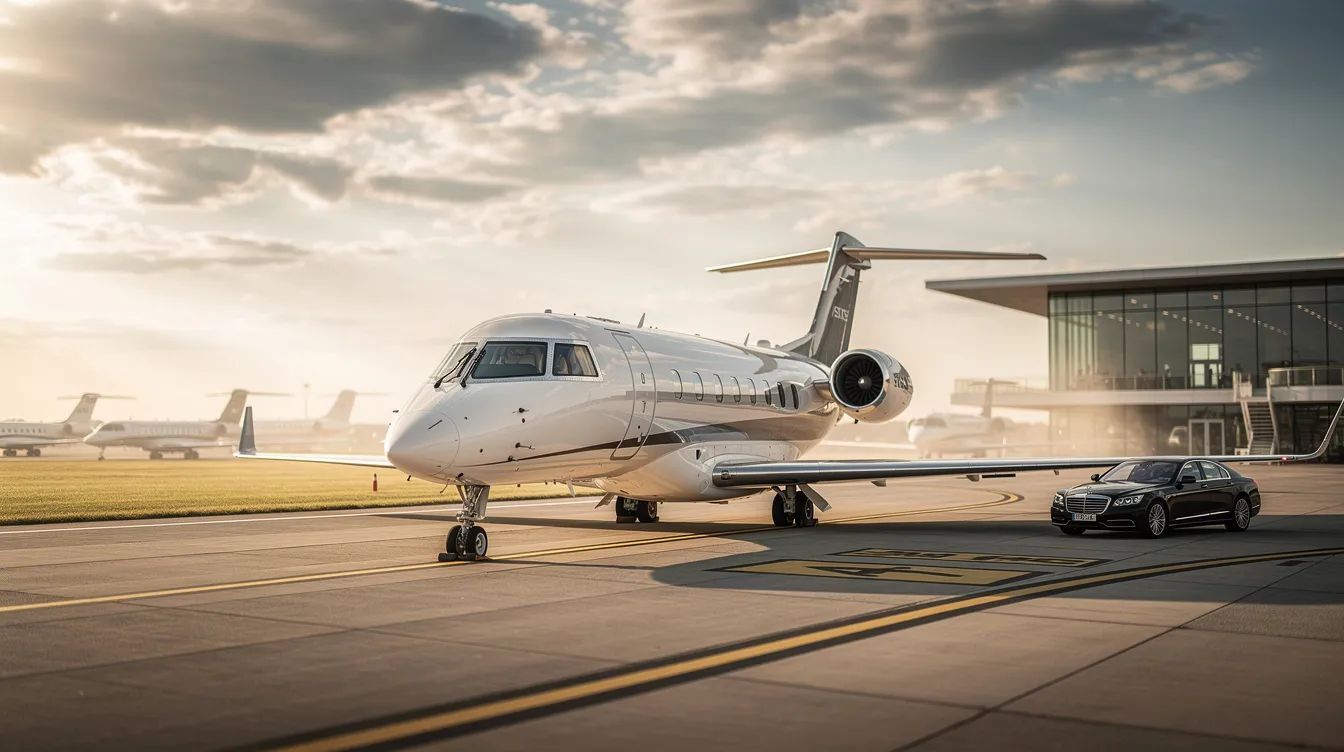
Why Did Flights Go Up Today? (And What You Can Do About It)
Flight prices can increase rapidly due to real-time pricing algorithms, booking surges, and changes in seat inventory. Understanding these dynamics allows travelers to make informed decisions, whether adjusting travel dates or considering private jet charters for better control over costs. This guide explores the reasons behind fare spikes and offers strategies to manage travel expenses effectively.
Read More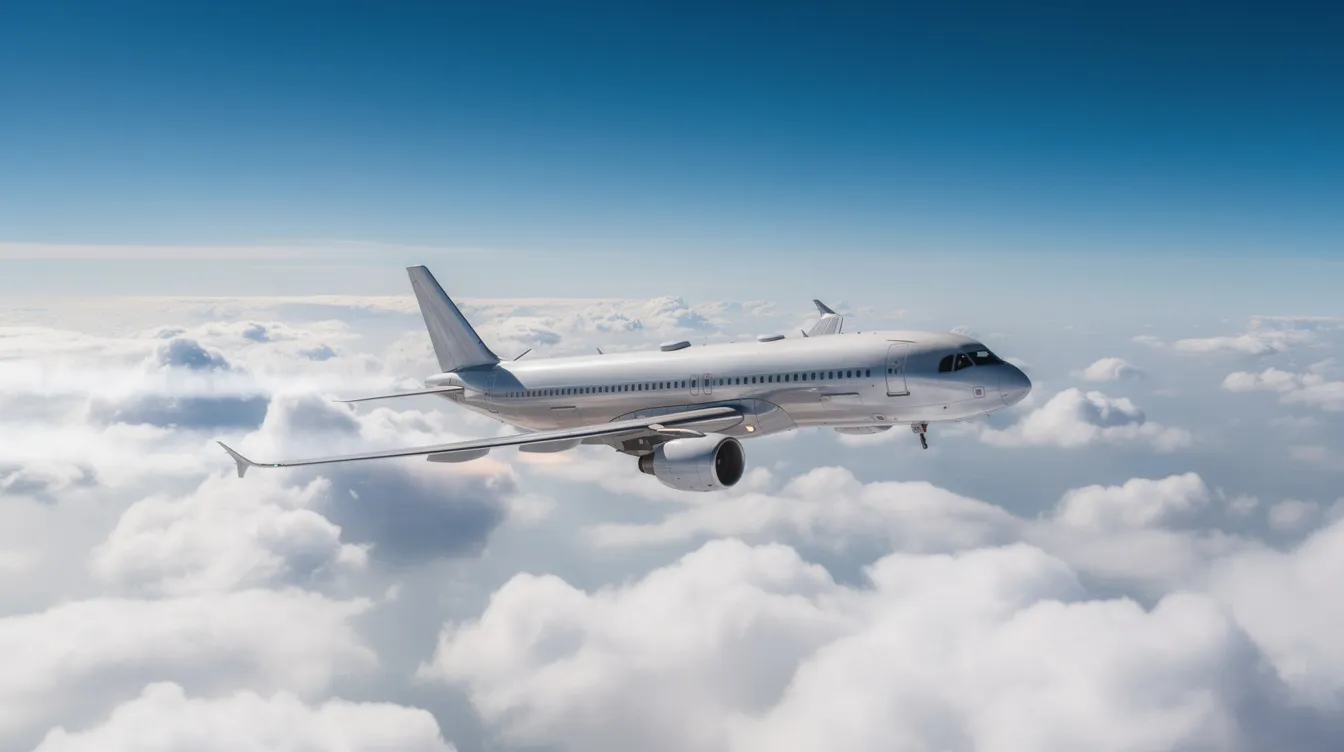
5
min read
Why Planes Fly at 35,000 Feet: The Real Reason Behind Cruising Altitude
Planes typically fly at 35,000 feet because this altitude optimizes fuel efficiency, engine performance, and passenger comfort while minimizing turbulence. The thin air at this height reduces aerodynamic drag, allowing aircraft to travel faster and consume less fuel. Additionally, flying at this altitude helps avoid most weather disturbances, ensuring a smoother ride for passengers.
Read MoreJoin our community and receive the latest blog updates directly in your inbox.
MEMBERSHIPS AND ASSOCIATIONS



Disclaimer: Jettly operates as a charter broker, offering access to a global digital jet charter marketplace. Jettly is not a direct air carrier and does not own or operate aircraft. All advertised flights are conducted by third-party air carriers that are fully licensed and hold the appropriate Part 135 or Part 121 certifications issued by the Federal Aviation Administration (FAA) or equivalent regulatory authorities under U.S. or foreign law. Jettly complies fully with the U.S. Department of Transportation's Part 295 and Part 298 Charter Broker regulations. Jettly does not carry additional liability insurance. Passengers are covered by aircraft operator insurance. TICO: 50023770


