


Login
Get Instant Pricing On 23,000+ Aircraft


The Cessna 172, a popular training aircraft, has a service ceiling of approximately 14,000 feet, influenced by factors like weight, temperature, and density altitude. Understanding this ceiling is crucial for pilots in planning safe flights, especially in mountainous regions. For those needing to fly higher, private jet charters through platforms like Jettly offer a viable alternative.
Jay Franco Serevilla
Aug 15, 2026
|
5
min read


View all
Transavia is a popular low-cost airline in Europe, known for its budget-friendly fares to sunny destinations. However, travelers should be aware of additional fees and potential service issues that can inflate costs. For those prioritizing flexibility and personalized service, private jet charters through platforms like Jettly may offer a more suitable alternative.
Jay Franco Serevilla
Jul 24, 2026
|
5
min read

View all
ARC Aviation is a key player in the aviation industry, offering specialized services in air charter, compliance, and operational solutions. This guide delves into ARC Aviation as both a consultancy and a broader industry concept, highlighting its importance for private aircraft owners and aviation professionals. Understanding ARC Aviation ensures safe and flexible air travel, making it essential for navigating modern aviation complexities.
Jay Franco Serevilla
Jul 24, 2026
|
5
min read

View all
Understanding the operating costs of the Diamond DA62 is crucial for potential buyers. This comprehensive guide details expenses from fuel and maintenance to hangar fees, helping buyers create a realistic budget. With operating costs ranging from $130,000 to $170,000 annually, the DA62 stands out for its fuel efficiency and modern features.
Jay Franco Serevilla
Jul 24, 2026
|
5
min read

View all
Traveling to Whitford, whether in Australia, England, or Oregon, can be streamlined with Jettly's private jet charter services. Offering instant pricing and access to over 20,000 aircraft, Jettly simplifies the booking process for both business and leisure travelers. Enjoy time savings, flexibility, and personalized services tailored to your travel needs.
Jay Franco Serevilla
Jul 22, 2026
|
5
min read

View all
N444SC is a 2000 Gulfstream G-V, a premier ultra-long-range business jet capable of accommodating up to 14 passengers. This guide provides essential information on its specifications, performance, and how to charter this aircraft through Jettly, ensuring a seamless travel experience.
Jay Franco Serevilla
Jul 22, 2026
|
5
min read
View all
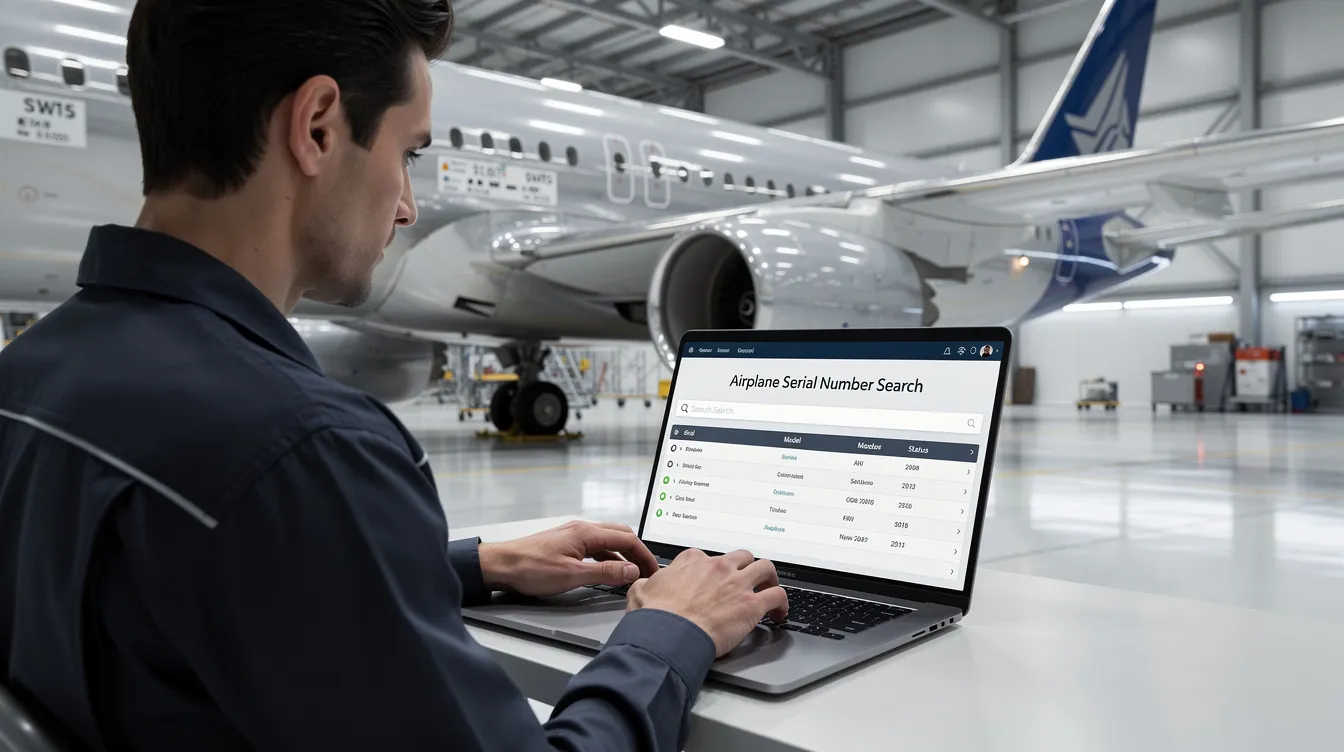
Running an airplane serial number search is crucial for verifying an aircraft's identity and history, especially for buyers, brokers, and charter travelers. This guide outlines how to effectively search by serial number, ensuring safety and compliance in private aviation. Understanding the significance of serial numbers helps in making informed decisions regarding aircraft purchases and chartering.
Jay Franco Serevilla
Jul 22, 2026
|
5
min read
Explore our latest articles and updates.
5
min read
Entry Level Private Jet: Smart Ways to Start Flying Private with Jettly
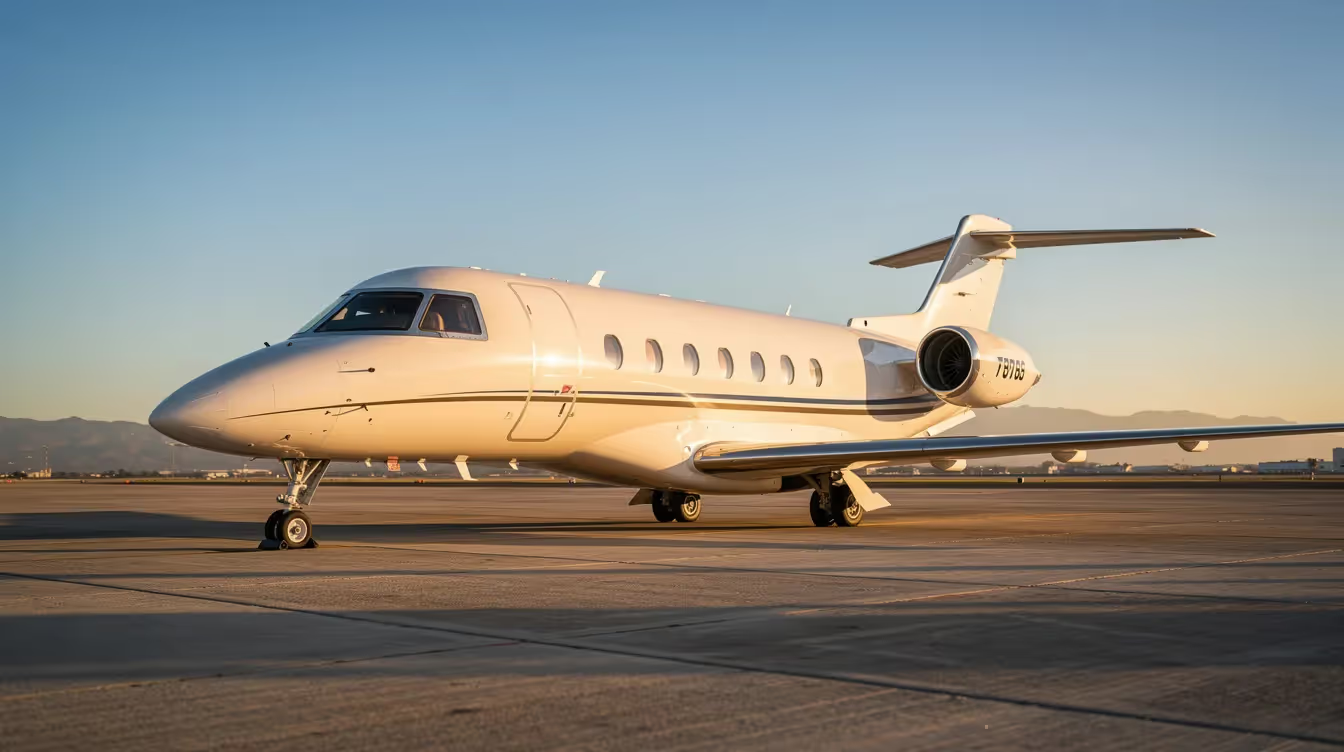
Entry-level private jets, particularly very light jets (VLJs), provide an accessible option for travelers seeking the benefits of private aviation, such as time savings, flexibility, and privacy, without the high costs associated with larger jets or ownership. Jettly offers a digital marketplace for chartering these jets, allowing users to compare options, access smaller airports, and enjoy lower hourly rates, typically starting in the low four figures. Popular models include the Embraer Phenom 100, Cessna Citation Mustang, and Cirrus Vision Jet, each catering to different passenger needs and trip lengths. With no long-term commitments required, Jettly simplifies the booking process, making private flying more attainable for business and leisure travelers alike.
Read More
5
min read
Luxury Private Jets for Sale: Aircraft, Costs, and Smarter Alternatives with Jettly
Demand for luxury private jets has increased significantly since 2020, driven by health-conscious travelers seeking privacy and executives prioritizing time efficiency. Prices for jets range from $2.4 million for smaller models to over $400 million for fully customized aircraft, with ownership typically making sense for those flying 200-400+ hours annually. Many buyers are now considering charter options through platforms like Jettly, which offer access to a wide range of jets without the capital investment of ownership. Key considerations for potential buyers include aircraft type, operating costs, and the benefits of chartering versus owning.
Read MoreJoin our community and receive the latest blog updates directly in your inbox.
MEMBERSHIPS AND ASSOCIATIONS



Disclaimer: Jettly operates as a charter broker, offering access to a global digital jet charter marketplace. Jettly is not a direct air carrier and does not own or operate aircraft. All advertised flights are conducted by third-party air carriers that are fully licensed and hold the appropriate Part 135 or Part 121 certifications issued by the Federal Aviation Administration (FAA) or equivalent regulatory authorities under U.S. or foreign law. Jettly complies fully with the U.S. Department of Transportation's Part 295 and Part 298 Charter Broker regulations. Jettly does not carry additional liability insurance. Passengers are covered by aircraft operator insurance. TICO: 50023770


