



Login
Get Instant Pricing On 23,000+ Aircraft

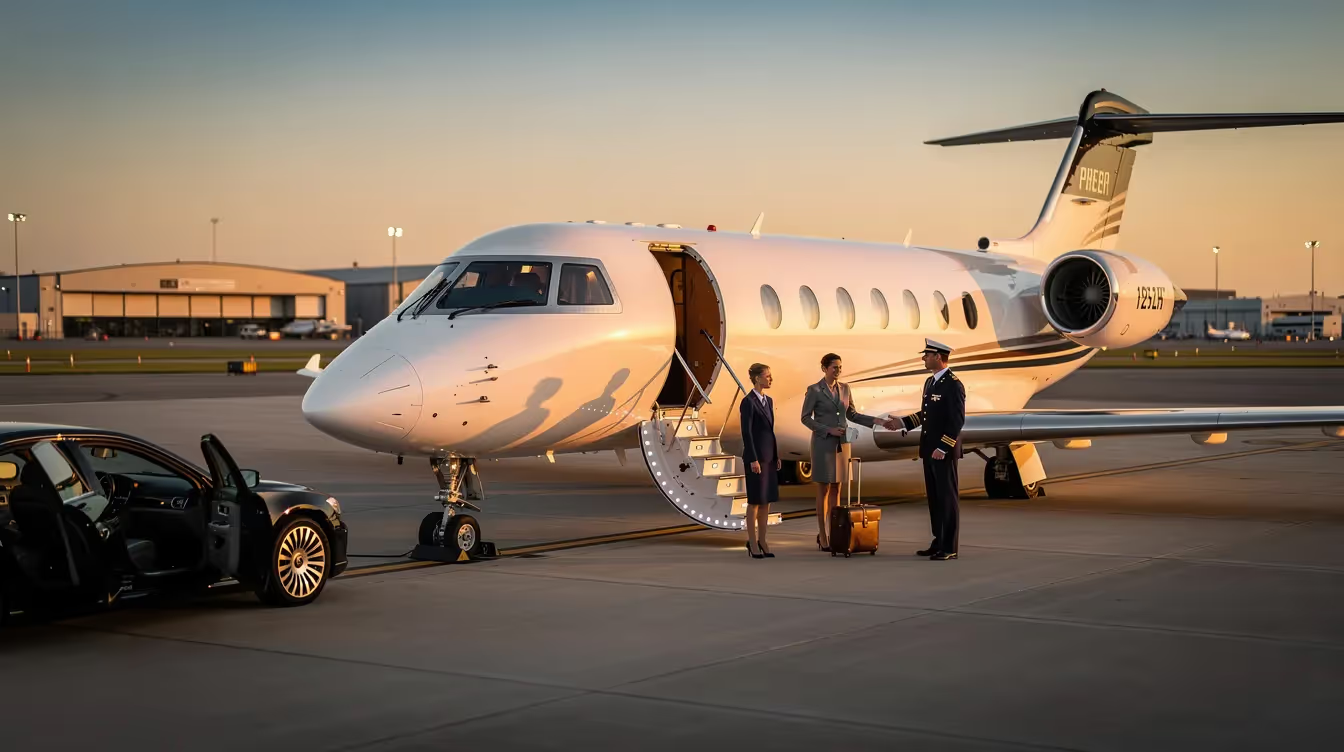
The 2026 Buyer’s Guide for midsize jets outlines essential considerations for potential buyers, including aircraft options, ownership costs, and the decision between purchasing or chartering. Midsize jets, priced between $5–$15 million, typically seat 6–9 passengers and have ranges of 2,000–3,500 nautical miles, with operating costs around $2,800–$4,500 per flight hour. Popular models include the Cessna Citation XLS, Citation Latitude, and Hawker 800XP, with buyers encouraged to test jets through Jettly's charter platform before making a purchase. The guide emphasizes the importance of aligning mission profiles with aircraft capabilities and understanding financial implications to make informed decisions in the midsize jet market.
Jay Franco Serevilla
Mar 31, 2026
|
5
min read


View all
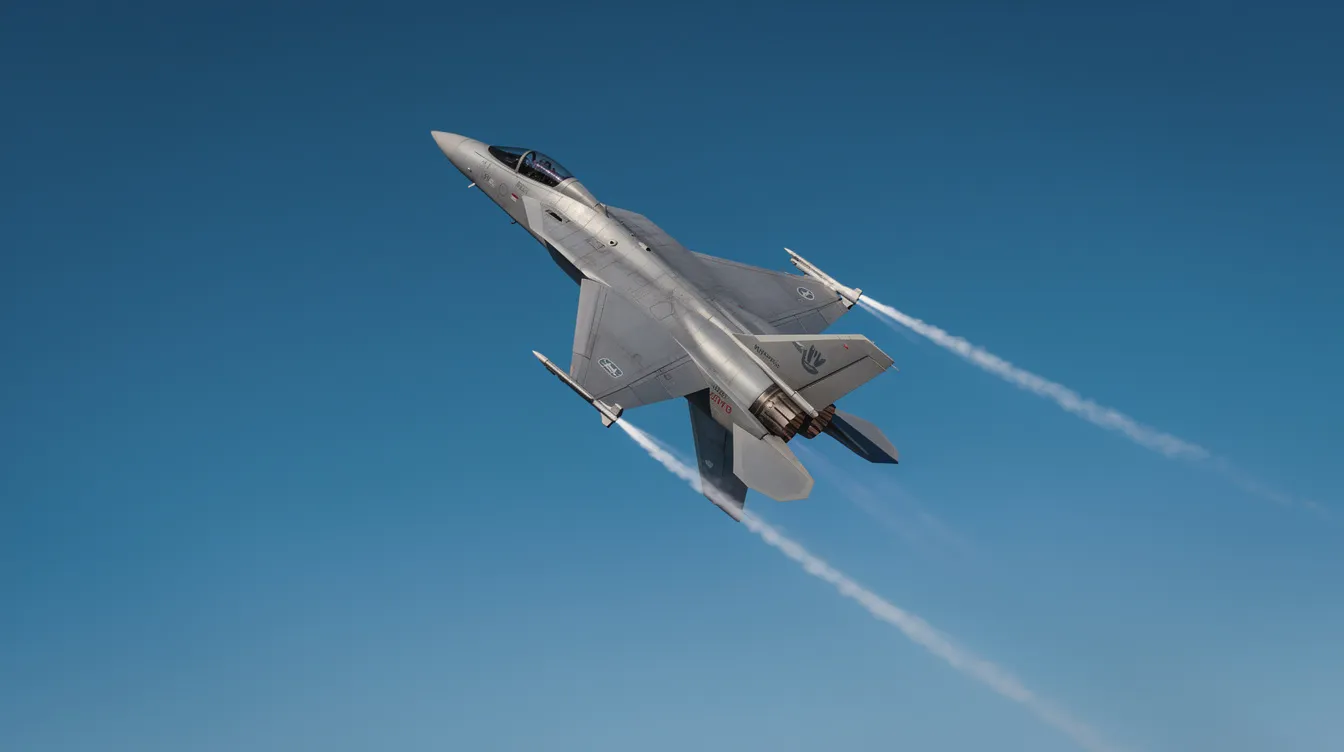
Jet flying offers a thrilling contrast between adrenaline-pumping fighter jet flights and the luxurious comfort of private jet charters. This guide explores both experiences, helping aviation enthusiasts and business travelers choose the right option for their needs. Jettly stands out as a premier platform for private jet charters, providing instant pricing and access to a global fleet.
Jay Franco Serevilla
Oct 1, 2026
|
5
min read
View all
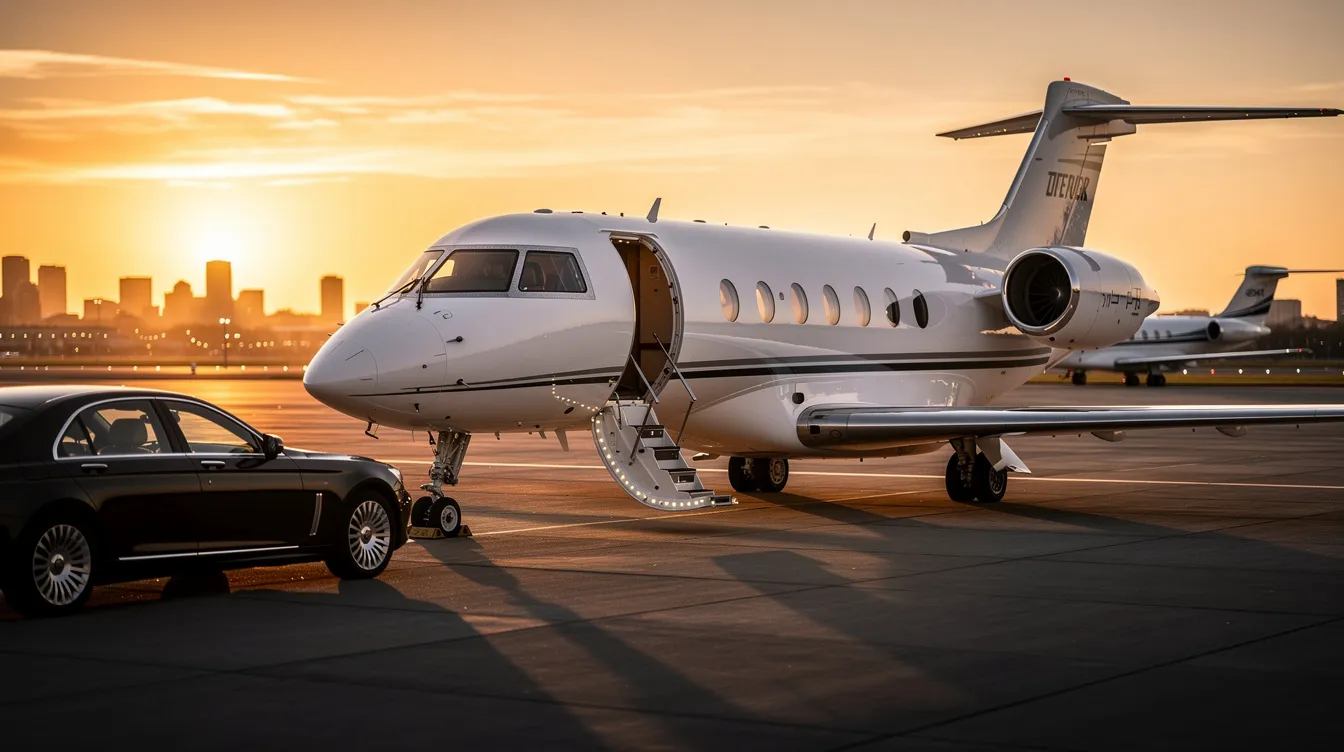
Planet 9 Aviation specializes in ultra-long-range private jet travel, offering a managed fleet for intercontinental charters. Through Jettly, travelers can easily access these services without the need for ownership or jet cards, ensuring flexibility and convenience in booking private flights.
Jay Franco Serevilla
Oct 1, 2026
|
5
min read
View all
Aviation blogs have evolved into essential resources for student pilots, aviation businesses, and private jet travelers. They provide valuable insights on flight training, market trends, and charter options, helping readers make informed decisions. With contributions from industry professionals, these blogs serve as a bridge between education and practical application in aviation.
Jay Franco Serevilla
Oct 1, 2026
|
5
min read
View all
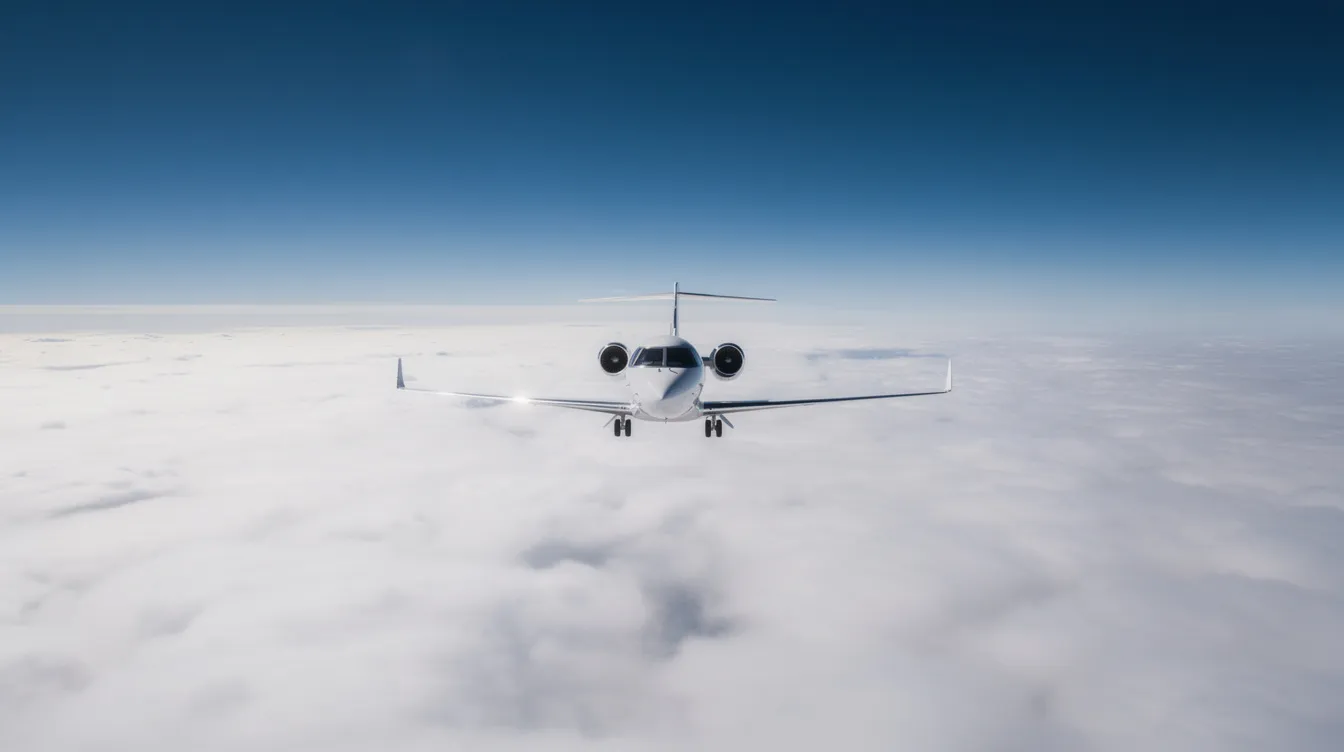
Jet stream turbulence is a common challenge for private fliers, occurring unexpectedly in clear skies and often causing discomfort. Understanding its causes and effects can help travelers manage their flights more effectively, especially as climate change is projected to increase turbulence severity. This article outlines practical strategies for navigating jet stream turbulence, including flexible routing and aircraft selection.
Jay Franco Serevilla
Oct 1, 2026
|
5
min read
View all
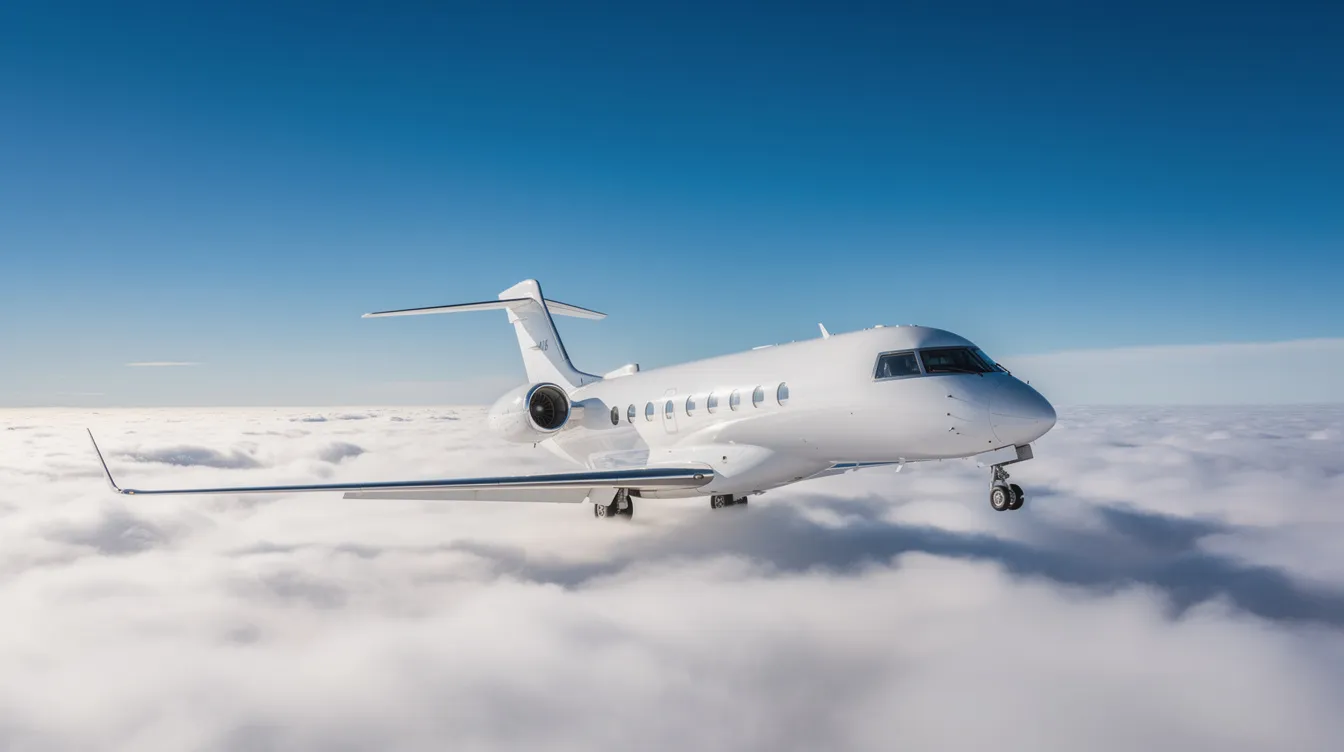
Turbulence is a common concern for air travelers, often misunderstood but generally not dangerous. This guide explains the science behind turbulence, how pilots manage it, and why private jets can offer a smoother experience. Understanding turbulence can help alleviate anxiety and enhance confidence during flights.
Jay Franco Serevilla
Oct 1, 2026
|
5
min read
View all
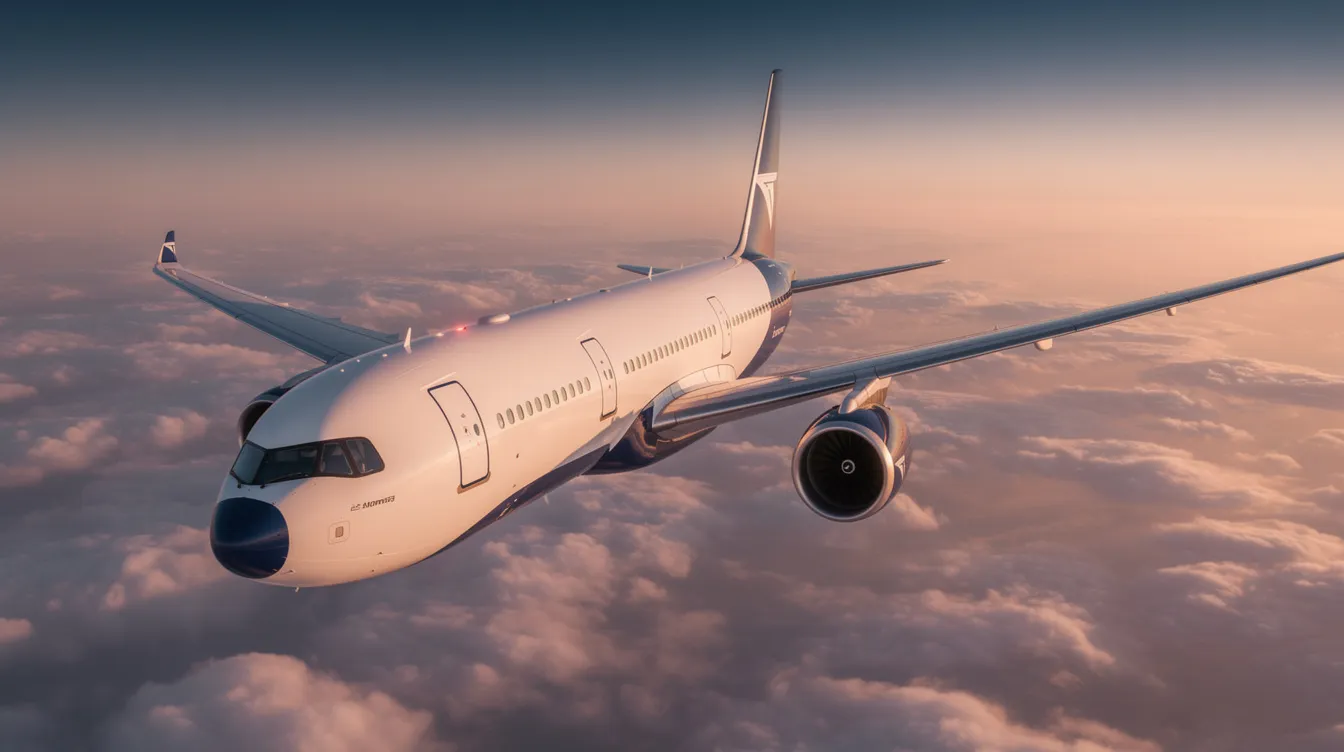
Tuesday and Wednesday are typically the best days to buy plane tickets, with Sunday evenings also showing competitive prices. However, dynamic pricing means that the best day can vary based on demand and route. Booking in advance and being flexible with travel dates are key strategies for securing lower fares.
Jay Franco Serevilla
Oct 1, 2026
|
5
min read
Explore our latest articles and updates.
5
min read
Why Did Flights Go Up Today? (And What You Can Do About It)
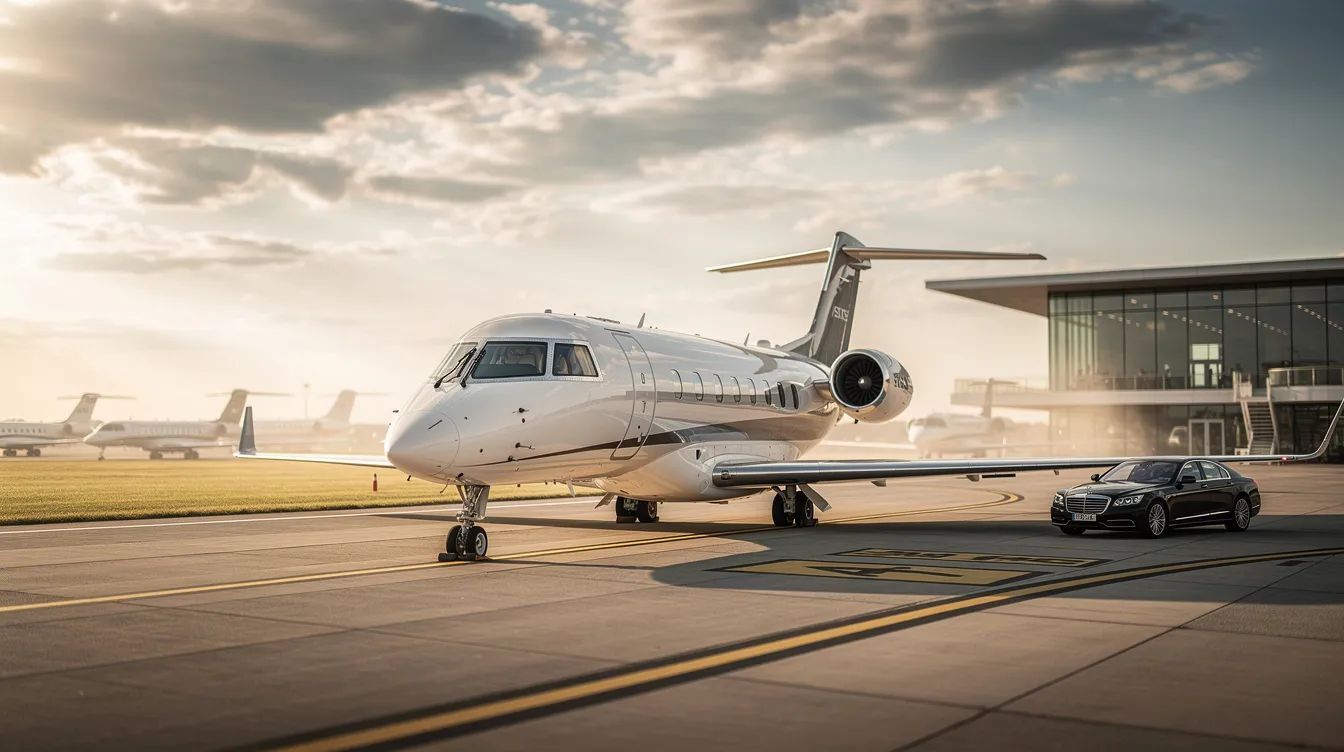
Flight prices can increase rapidly due to real-time pricing algorithms, booking surges, and changes in seat inventory. Understanding these dynamics allows travelers to make informed decisions, whether adjusting travel dates or considering private jet charters for better control over costs. This guide explores the reasons behind fare spikes and offers strategies to manage travel expenses effectively.
Read More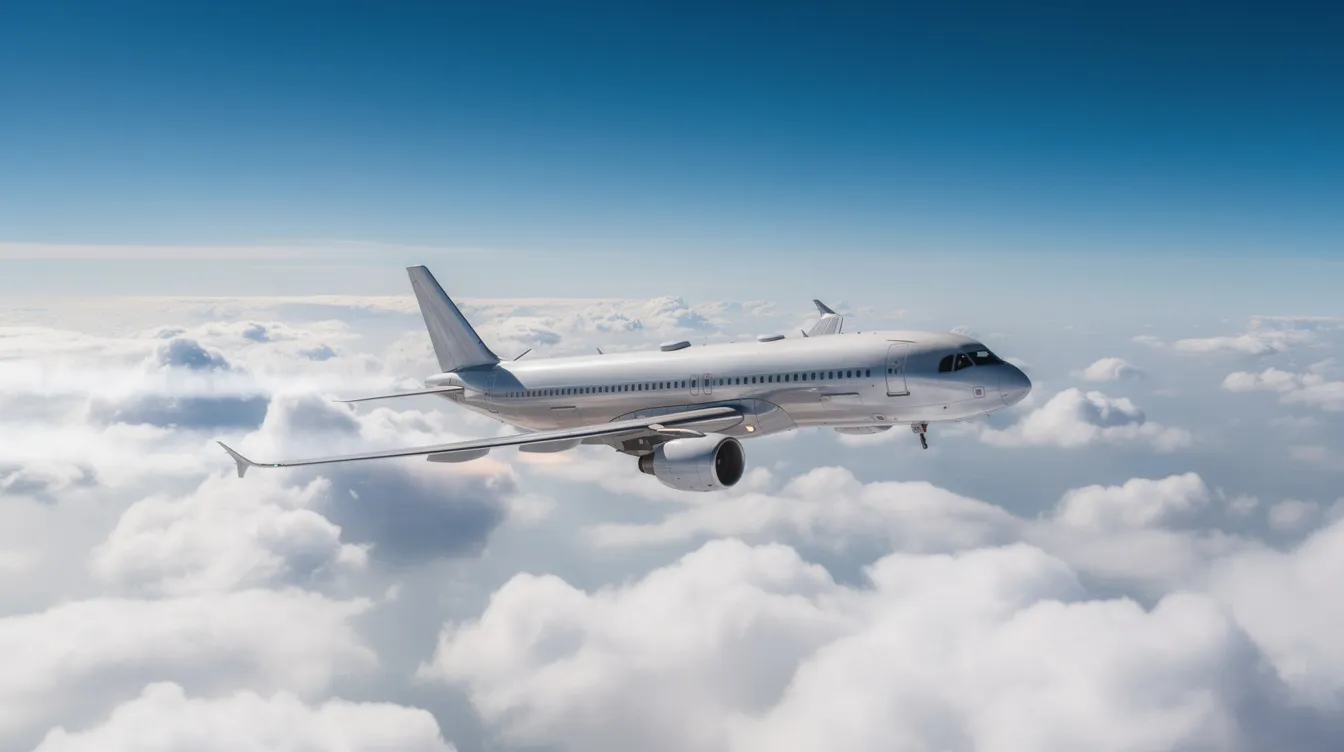
5
min read
Why Planes Fly at 35,000 Feet: The Real Reason Behind Cruising Altitude
Planes typically fly at 35,000 feet because this altitude optimizes fuel efficiency, engine performance, and passenger comfort while minimizing turbulence. The thin air at this height reduces aerodynamic drag, allowing aircraft to travel faster and consume less fuel. Additionally, flying at this altitude helps avoid most weather disturbances, ensuring a smoother ride for passengers.
Read MoreJoin our community and receive the latest blog updates directly in your inbox.
MEMBERSHIPS AND ASSOCIATIONS



Disclaimer: Jettly operates as a charter broker, offering access to a global digital jet charter marketplace. Jettly is not a direct air carrier and does not own or operate aircraft. All advertised flights are conducted by third-party air carriers that are fully licensed and hold the appropriate Part 135 or Part 121 certifications issued by the Federal Aviation Administration (FAA) or equivalent regulatory authorities under U.S. or foreign law. Jettly complies fully with the U.S. Department of Transportation's Part 295 and Part 298 Charter Broker regulations. Jettly does not carry additional liability insurance. Passengers are covered by aircraft operator insurance. TICO: 50023770


