


Login
Get Instant Pricing On 23,000+ Aircraft


Royal Air Freight Inc. has been a trusted name in charter and air freight services since 1961, specializing in expedited cargo and passenger flights across North America. Jettly, a digital charter broker, offers a broader marketplace for comparing private jet and cargo flight options, providing travelers with greater flexibility and instant pricing.
Jay Franco Serevilla
Sep 27, 2026
|
5
min read



View all
The Cessna 172, a popular training aircraft, has a service ceiling of approximately 14,000 feet, influenced by factors like weight, temperature, and density altitude. Understanding this ceiling is crucial for pilots in planning safe flights, especially in mountainous regions. For those needing to fly higher, private jet charters through platforms like Jettly offer a viable alternative.
Jay Franco Serevilla
Aug 15, 2026
|
5
min read

View all
The avioneta Cessna, including models like the Cessna 172 Skyhawk and Grand Caravan, is a popular choice for private flying and flight training. Known for their safety, versatility, and cost-effectiveness, these light aircraft serve a variety of missions from training to charter flights. This guide explores their history, key models, and how to charter a Cessna through Jettly's platform.
Jay Franco Serevilla
Aug 15, 2026
|
5
min read

View all
The Cessna Silver Eagle is a unique turboprop conversion of the Cessna P210, featuring a Rolls-Royce engine for enhanced performance and reliability. This guide explores its specifications, ownership considerations, and charter alternatives for those seeking turboprop capabilities without the commitment of ownership.
Jay Franco Serevilla
Aug 15, 2026
|
5
min read

View all
The Cessna 150/150 conversion transforms a standard Cessna 150 into a more powerful and capable aircraft, ideal for training and commuting. With a 150-hp Lycoming engine, it offers improved climb rates and cruise speeds, making it a popular choice among pilots. This guide provides essential information on performance, specifications, and ownership considerations for prospective buyers.
Jay Franco Serevilla
Aug 13, 2026
|
5
min read
View all
The Cessna 150/150 conversion transforms a standard Cessna 150 into a more powerful and capable aircraft, ideal for training and commuting. With a 150-hp Lycoming engine, it offers improved climb rates and cruise speeds, making it a popular choice among pilots. This guide provides essential information on performance, specifications, and ownership considerations for prospective buyers.
Jay Franco Serevilla
Aug 13, 2026
|
5
min read
View all
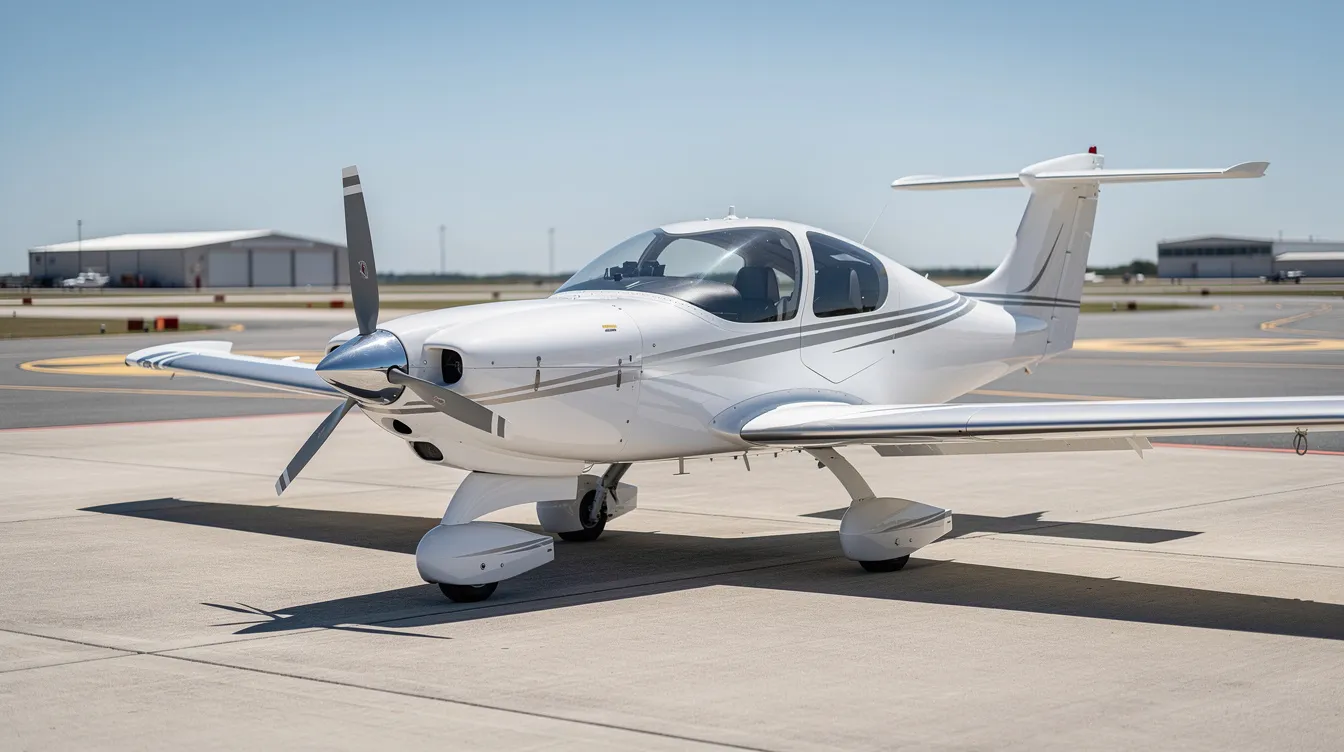
The Cessna TTx, also known as the Model T240, is a high-performance single-engine piston aircraft renowned for its speed and advanced avionics. With a turbocharged engine and a sleek composite design, it offers exceptional capabilities for personal and business travel. Although production ended in 2018, the TTx remains a popular choice in the pre-owned market for experienced pilots and aviation enthusiasts.
Jay Franco Serevilla
Aug 13, 2026
|
5
min read
Explore our latest articles and updates.

5
min read
VistaJet Pricing: Costs, Comparisons, and Smarter Alternatives with Jettly
VistaJet pricing ranges from $15,000 to $25,000 per hour, depending on the aircraft type and membership terms, requiring a significant upfront investment and a minimum commitment of 25 hours per year. The subscription-based model offers guaranteed access to flight hours but may not be cost-effective for occasional flyers. In contrast, Jettly provides on-demand charter services with a flexible pricing structure and access to over 20,000 aircraft, making it a better option for those seeking flexibility without long-term commitments. Travelers should evaluate their flying needs and compare costs, commitments, and service offerings between VistaJet and Jettly to determine the best fit.
Read More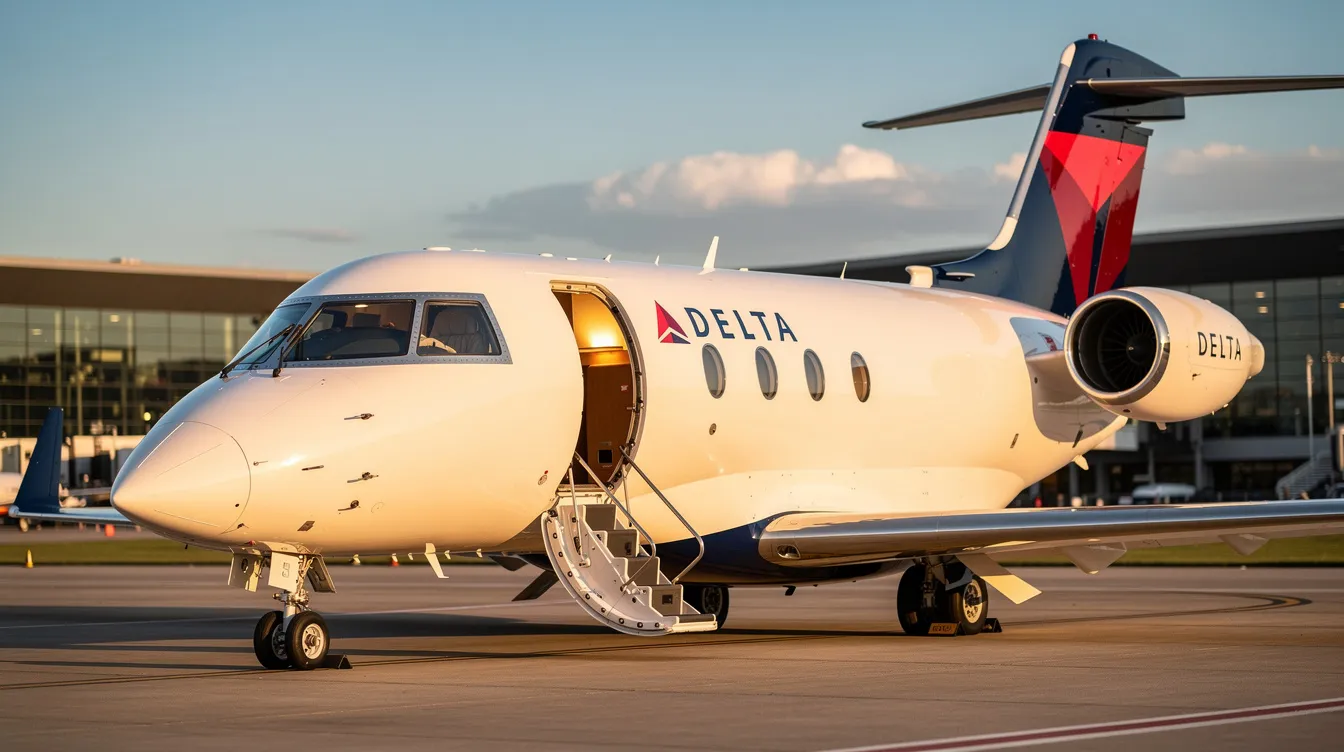
5
min read
Private Jet Delta: How Delta Private Jets Evolved and Where Jettly Fits In Modern Private Aviation
Delta Private Jets, once a subsidiary of Delta Air Lines, merged into Wheels Up in January 2020, marking a significant shift in private aviation linked to commercial airlines. While Delta continues to partner with Wheels Up for private aviation services, demand for flexible, airline-connected private travel has surged, leading to the emergence of alternatives like Jettly. Jettly offers a digital marketplace for private jet charters, providing access to over 20,000 aircraft globally with instant quotes and no pre-purchase requirements, catering to travelers seeking convenience and flexibility. This evolution reflects a broader trend towards on-demand private aviation, allowing seamless integration with commercial flights and enhanced travel options for both business and leisure customers.
Read MoreJoin our community and receive the latest blog updates directly in your inbox.
MEMBERSHIPS AND ASSOCIATIONS



Disclaimer: Jettly operates as a charter broker, offering access to a global digital jet charter marketplace. Jettly is not a direct air carrier and does not own or operate aircraft. All advertised flights are conducted by third-party air carriers that are fully licensed and hold the appropriate Part 135 or Part 121 certifications issued by the Federal Aviation Administration (FAA) or equivalent regulatory authorities under U.S. or foreign law. Jettly complies fully with the U.S. Department of Transportation's Part 295 and Part 298 Charter Broker regulations. Jettly does not carry additional liability insurance. Passengers are covered by aircraft operator insurance. TICO: 50023770


