


Login
Get Instant Pricing On 23,000+ Aircraft


Flying a plane requires skilled, licensed pilots who undergo extensive training. This article explores the various types of pilots, their training processes, and the controls they manage during flights. It also highlights the role of private jet charter services like Jettly in connecting travelers with professional pilots and aircraft.
Jay Franco Serevilla
Oct 1, 2026
|
5
min read



View all
Key West International Airport (EYW) is the main gateway to Key West, FL, located just 2 miles from downtown. It serves both commercial and private flights, offering nonstop service to over 20 U.S. destinations. This comprehensive guide covers airlines, terminal layout, ground transportation, and travel tips for a smooth arrival in the Florida Keys.
Jay Franco Serevilla
Aug 15, 2026
|
5
min read

View all
Harry Reid International Airport (LAS) is the main airport for Las Vegas, handling over 58 million passengers in 2024. With two terminals and extensive flight options, it serves both commercial and private flyers, offering a range of ground transportation and private jet services through Jettly. This guide provides essential information on airport layout, airlines, and travel tips for a smooth journey.
Jay Franco Serevilla
Aug 15, 2026
|
5
min read
View all
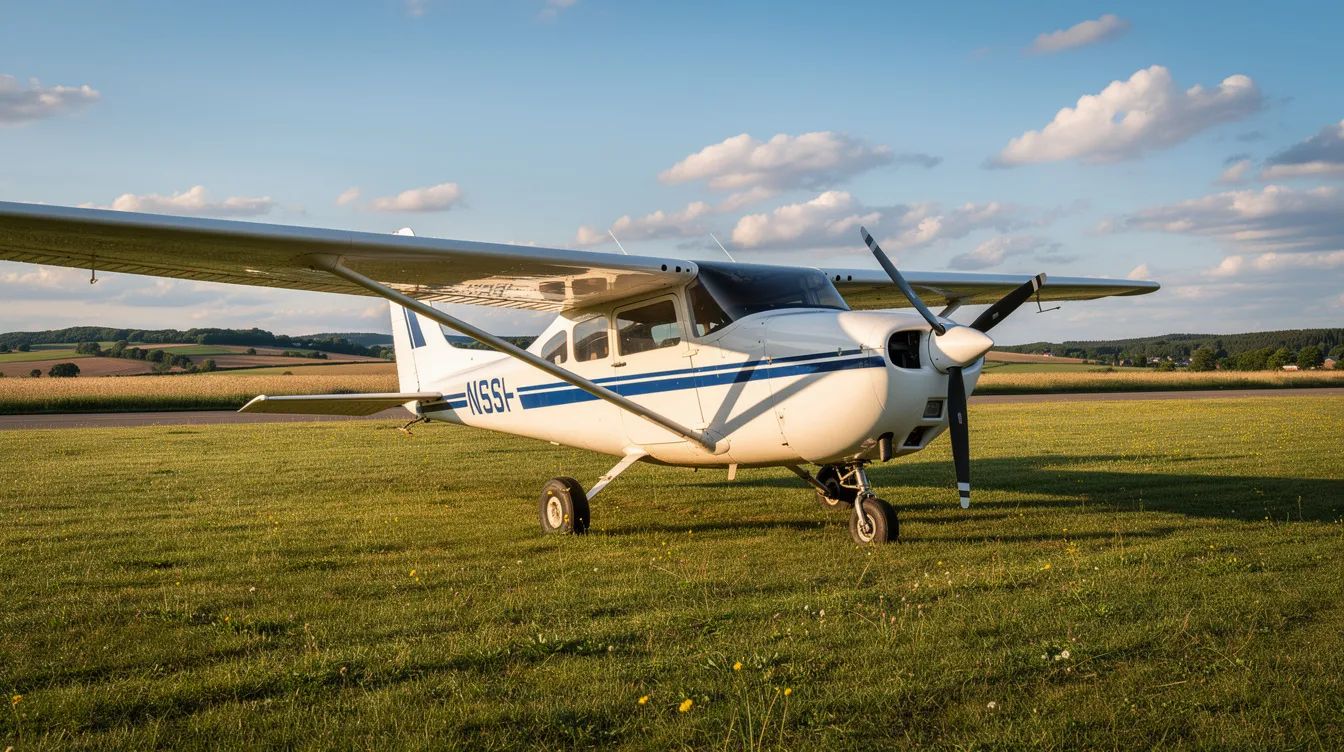
The Cessna 150 and 152 are the smallest widely produced Cessna aircraft, primarily used for flight training and short trips. Known for their simplicity and low operating costs, these two-seat planes have introduced countless pilots to aviation. This guide explores their specifications, history, and practical uses, including insights on renting or chartering through platforms like Jettly.
Jay Franco Serevilla
Aug 15, 2026
|
5
min read
View all
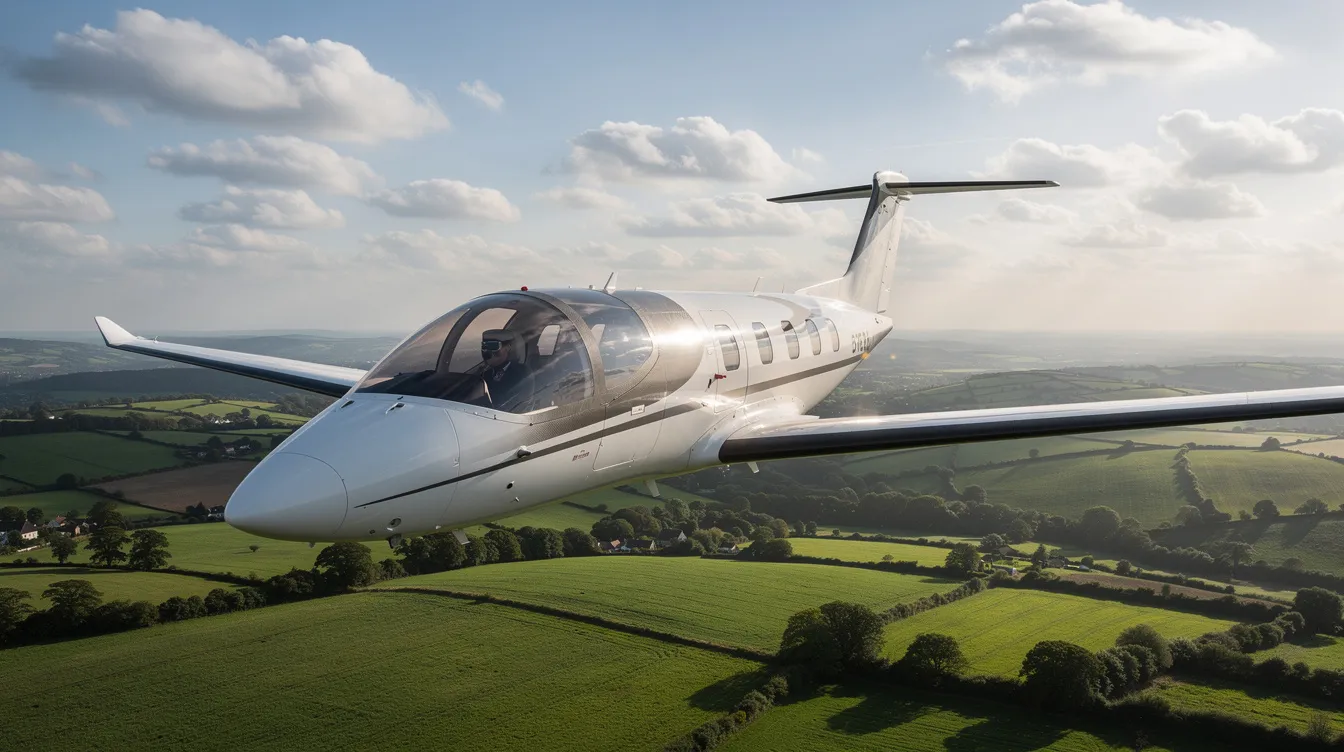
Small plane manufacturers play a crucial role in general aviation, providing aircraft for training, personal travel, and utility missions. Key brands like Cessna, Cirrus, and Piper dominate the market, each offering unique models that cater to various needs. As the aviation industry evolves, advancements in safety and technology are shaping the future of light aircraft.
Jay Franco Serevilla
Aug 15, 2026
|
5
min read
View all
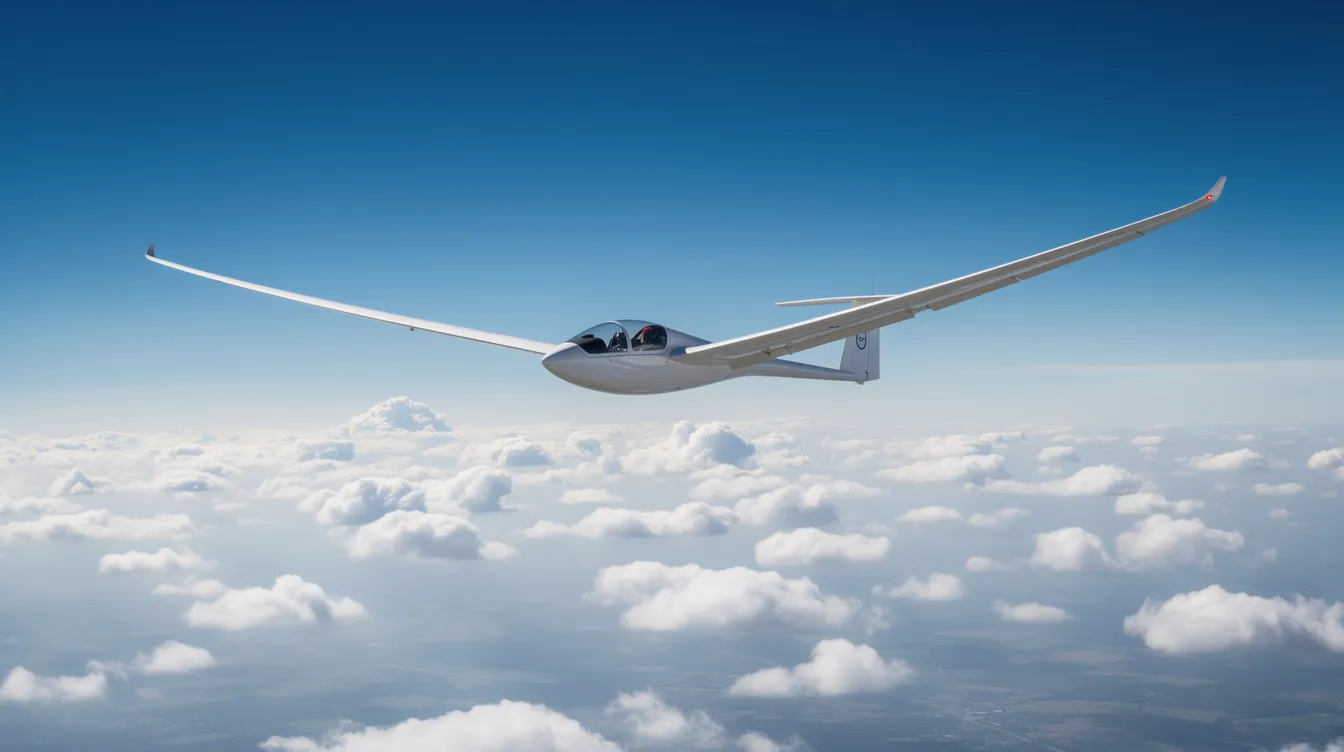
This comprehensive guide explores sailplane gliders, high-performance unpowered aircraft designed for long-distance soaring. It covers aerodynamics, soaring techniques, training, and the differences between sailplanes and other aircraft. Whether you're an aspiring pilot or an aviation enthusiast, this guide provides valuable insights into the world of modern gliding.
Jay Franco Serevilla
Aug 15, 2026
|
5
min read
View all
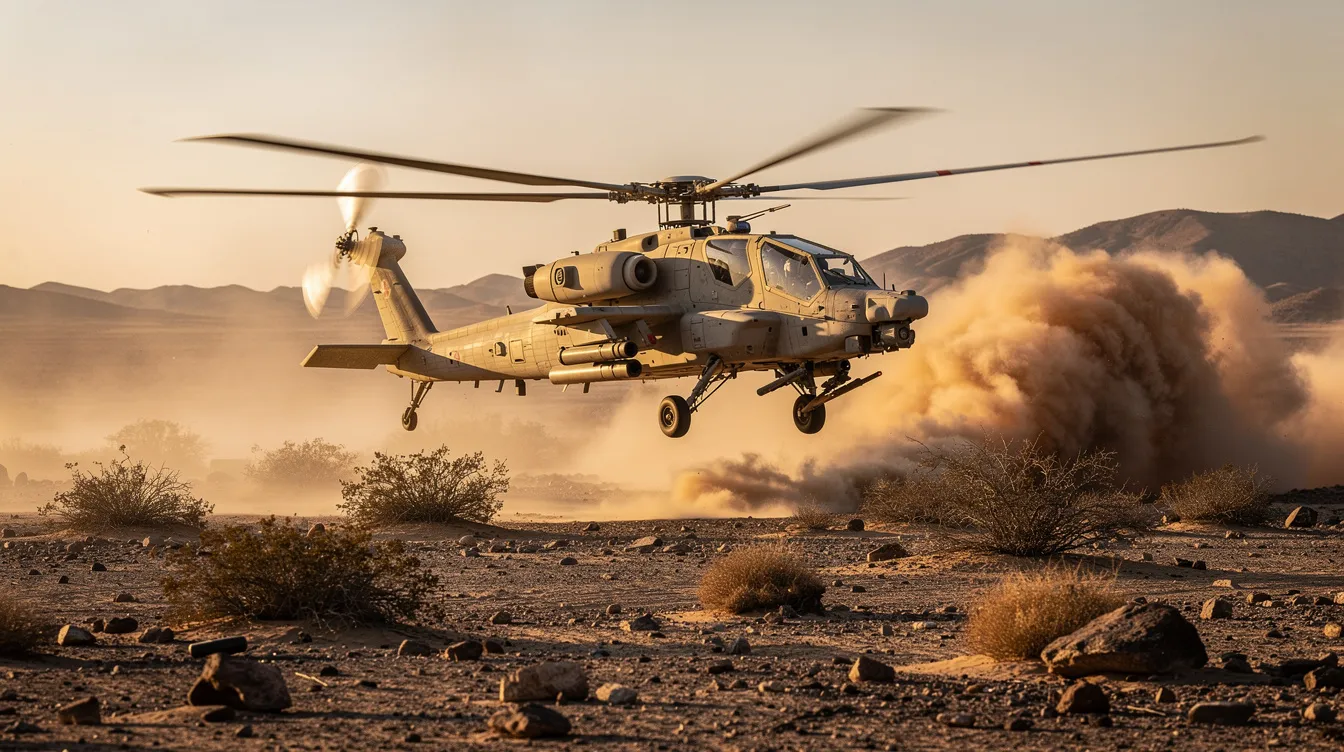
The AH-64 Apache is a formidable twin-engine attack helicopter with a fuselage length of 58 ft 3 in and a rotor diameter of 48 ft. Its dimensions significantly influence its operational capabilities, including range, payload, and battlefield performance. Understanding these specifications is crucial for military logistics and mission planning.
Jay Franco Serevilla
Aug 15, 2026
|
5
min read
Explore our latest articles and updates.

5
min read
How Fractional Jet Ownership Works: The Complete Guide
Fractional jet ownership allows individuals or companies to purchase a share of a specific aircraft, typically ranging from 1/16 to 1/2, granting them a proportional number of flight hours annually and access to equivalent aircraft when their own is unavailable. This model provides the benefits of private jet travel, including professional management and operational ease, while reducing the financial burden compared to full ownership. Owners can expect to fly between 50 to 400 hours per year, depending on their share size, and the management company handles all operational aspects under FAA regulations. While fractional ownership requires a significant initial investment and ongoing fees, it offers equity and flexibility, making it suitable for frequent flyers, whereas those flying less may prefer alternatives like jet cards or charter services.
Read More
5
min read
Fractional Jet Ownership Cost: The Complete Pricing Breakdown
Fractional jet ownership in 2026 typically requires an upfront investment of $500,000 to over $1.5 million for a share, along with monthly management fees ranging from $8,000 to $25,000 and hourly flight costs of $4,000 to $9,000, leading to total five-year costs that can exceed $1 million. The structure includes various fees such as acquisition costs, management fees, fuel surcharges, and depreciation, making it essential for potential buyers to understand the complete financial implications. While fractional ownership offers flexibility and access to aircraft, it may not be cost-effective for those flying under 150 hours annually, where alternatives like jet cards could provide better value. A thorough analysis of all costs and usage patterns is crucial for informed decision-making in private aviation investments.
Read MoreJoin our community and receive the latest blog updates directly in your inbox.
MEMBERSHIPS AND ASSOCIATIONS



Disclaimer: Jettly operates as a charter broker, offering access to a global digital jet charter marketplace. Jettly is not a direct air carrier and does not own or operate aircraft. All advertised flights are conducted by third-party air carriers that are fully licensed and hold the appropriate Part 135 or Part 121 certifications issued by the Federal Aviation Administration (FAA) or equivalent regulatory authorities under U.S. or foreign law. Jettly complies fully with the U.S. Department of Transportation's Part 295 and Part 298 Charter Broker regulations. Jettly does not carry additional liability insurance. Passengers are covered by aircraft operator insurance. TICO: 50023770


