


Login
Get Instant Pricing On 23,000+ Aircraft


Flying a plane requires skilled, licensed pilots who undergo extensive training. This article explores the various types of pilots, their training processes, and the controls they manage during flights. It also highlights the role of private jet charter services like Jettly in connecting travelers with professional pilots and aircraft.
Jay Franco Serevilla
Oct 1, 2026
|
5
min read


View all
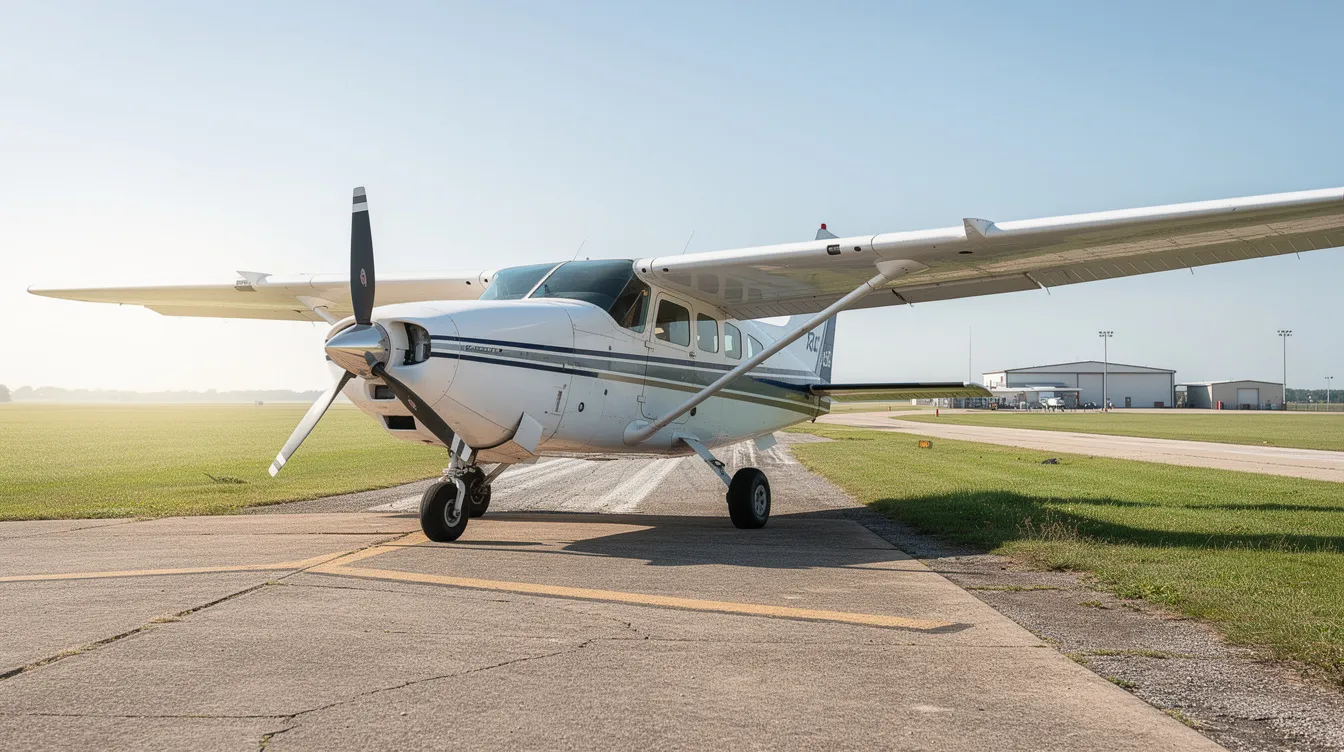
Cessna twin-engine aircraft have significantly influenced private aviation since the 1950s, offering models like the 310, 340A, and 421C that combine performance and safety. These versatile planes are ideal for charter, training, and personal use, providing enhanced operational flexibility and engine redundancy. This guide helps pilots and aviation enthusiasts understand the advantages and operational considerations of Cessna twin-engine aircraft.
Jay Franco Serevilla
Aug 12, 2026
|
5
min read
View all
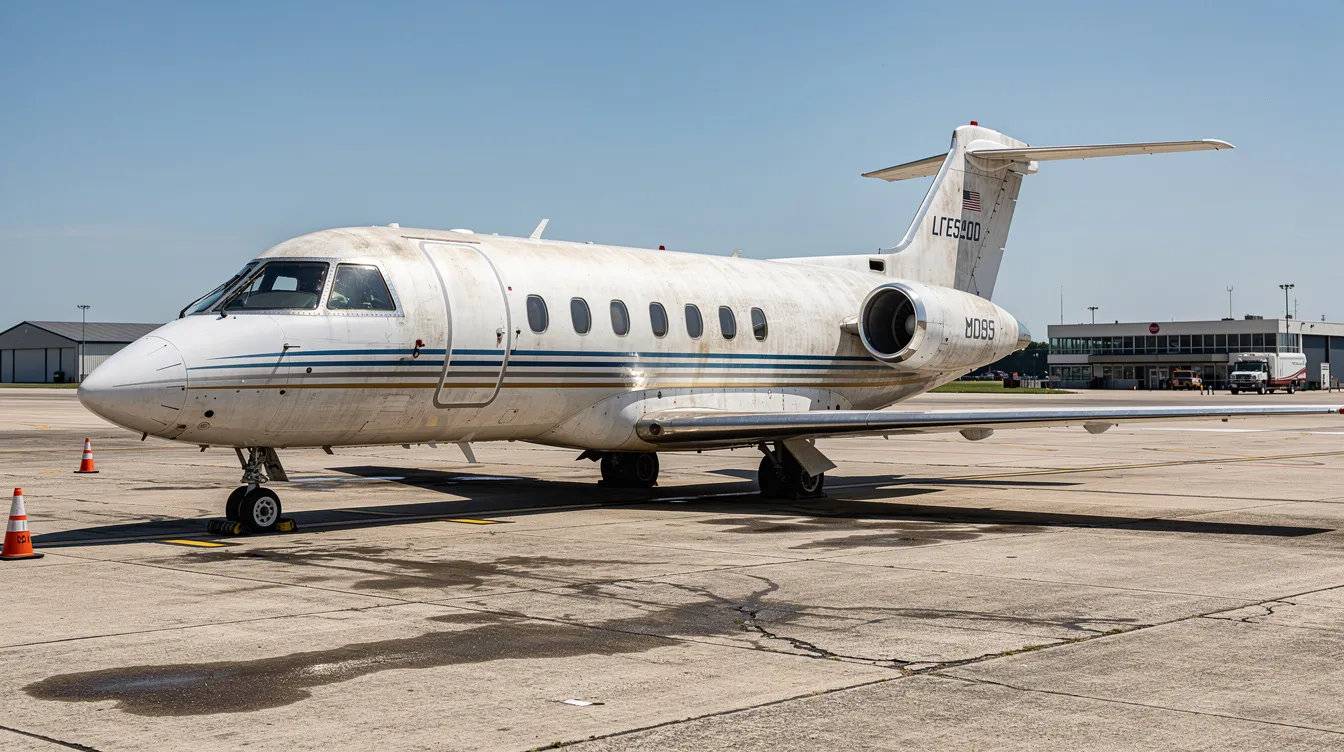
Buying a private jet for under $1 million can be appealing, but it often means acquiring older aircraft with high operating costs. This guide explores the options available, the true costs of ownership, and when chartering through platforms like Jettly may be a better choice. Understanding the pros and cons of older jets versus chartering is crucial for potential buyers.
Jay Franco Serevilla
Aug 12, 2026
|
5
min read

View all
Understanding the best time to book flights can save travelers money and enhance their travel experience. This guide outlines optimal booking windows for both domestic and international flights, as well as when to consider private jet charters through Jettly for added convenience and flexibility.
Jay Franco Serevilla
Aug 12, 2026
|
5
min read

View all
This guide compares Sky Bird Travel, a leading airline consolidator, with Jettly, a digital private jet charter platform. It helps travelers and decision-makers evaluate the benefits of commercial airfare versus private jet options, focusing on pricing, service levels, and customer experience.
Jay Franco Serevilla
Aug 12, 2026
|
5
min read

View all
Arrow Aviation encompasses various helicopter-focused aviation companies, primarily known for its MRO center in Broussard, Louisiana. This guide helps fleet managers and travelers compare helicopter leasing and maintenance services with private jet charter options, highlighting the advantages of each for different mission profiles.
Jay Franco Serevilla
Aug 12, 2026
|
5
min read

View all
Hiring a private jet for family travel with Jettly simplifies the flying experience by offering flexibility, safety, and convenience. Families can skip crowded terminals, arrive just minutes before departure, and enjoy tailored in-flight services. With access to over 20,000 aircraft worldwide, Jettly ensures a stress-free journey for families of all sizes.
Jay Franco Serevilla
Aug 12, 2026
|
5
min read
Explore our latest articles and updates.

5
min read
Austin Executive Airport (EDC) Guide for Private Flyers
Austin Executive Airport (EDC) serves as a vital hub for private and business aviation in the Austin area, offering a streamlined alternative to Austin–Bergstrom International Airport. With a 6,025-foot runway and modern facilities, EDC caters to corporate travelers and private pilots, providing quick access to downtown Austin and nearby tech campuses. The airport features 24-hour FBO services through Henriksen Jet Center, ensuring exceptional customer service and operational efficiency. Jettly's platform simplifies the charter process, allowing users to compare aircraft options and pricing for a seamless private travel experience.
Read More
5
min read
Private Jet Indonesia: Charter Guide, Airports, Pricing & Travel with Jettly
Private jet travel in Indonesia offers a convenient and flexible way to navigate the country's vast archipelago of over 17,000 islands, providing direct access to major cities and remote destinations. Jettly, a leading digital platform, simplifies the booking process with instant pricing and a wide selection of aircraft, catering to both business and leisure travelers. Pricing varies based on aircraft type and distance, with typical hourly rates ranging from $2,000 for turboprops to $23,000 for VIP airliners. Key airports include Soekarno Hatta International Airport in Jakarta and Ngurah Rai International Airport in Bali, making it easier for travelers to access popular routes like Jakarta to Bali and Jakarta to Singapore.
Read MoreJoin our community and receive the latest blog updates directly in your inbox.
MEMBERSHIPS AND ASSOCIATIONS



Disclaimer: Jettly operates as a charter broker, offering access to a global digital jet charter marketplace. Jettly is not a direct air carrier and does not own or operate aircraft. All advertised flights are conducted by third-party air carriers that are fully licensed and hold the appropriate Part 135 or Part 121 certifications issued by the Federal Aviation Administration (FAA) or equivalent regulatory authorities under U.S. or foreign law. Jettly complies fully with the U.S. Department of Transportation's Part 295 and Part 298 Charter Broker regulations. Jettly does not carry additional liability insurance. Passengers are covered by aircraft operator insurance. TICO: 50023770


