



Login
Get Instant Pricing On 23,000+ Aircraft

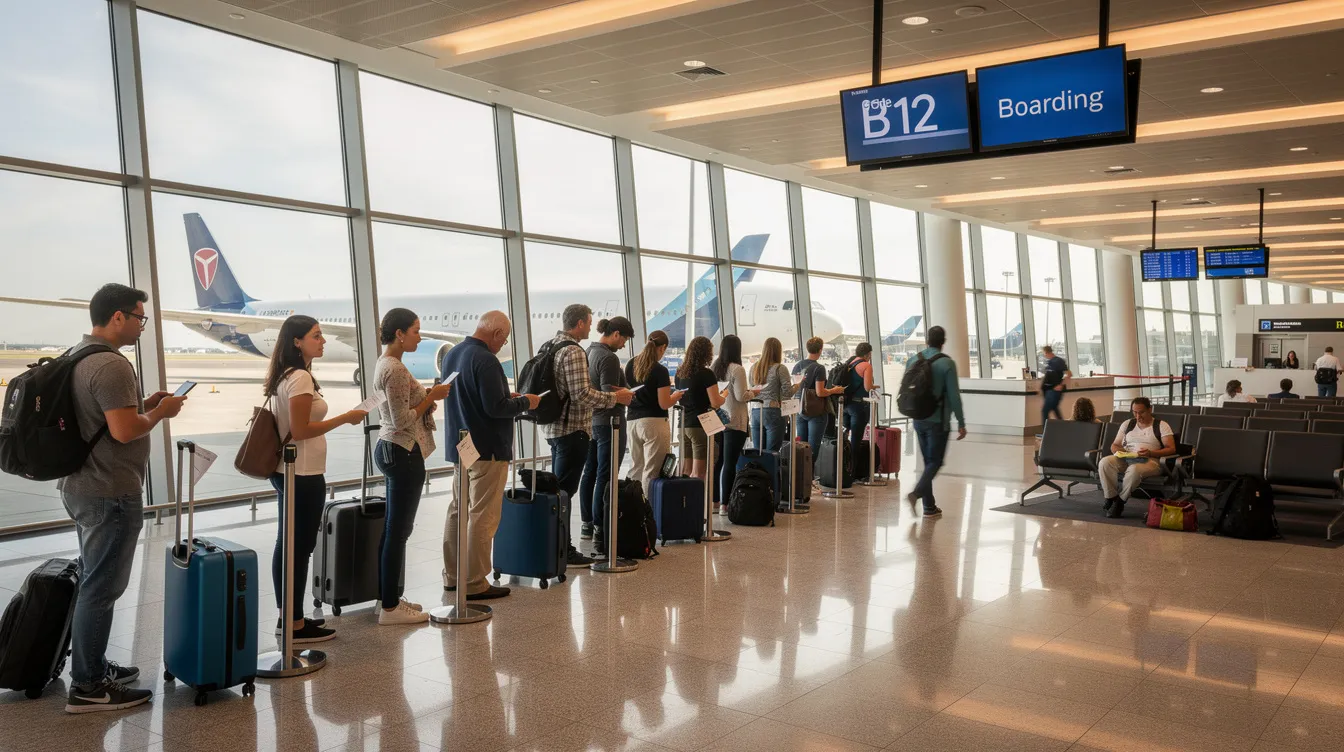
Delta Air Lines utilizes a structured boarding system with eight numbered zones plus pre-boarding, determining the order in which passengers board based on cabin class, fare type, and loyalty status. Understanding this system is crucial for travelers considering commercial flights versus private jet charters, as it impacts overhead bin space and wait times. For those seeking a more streamlined experience, private jet options like Jettly eliminate the complexities of boarding zones altogether.
Jay Franco Serevilla
Oct 25, 2026
|
5
min read



View all
Becoming a helicopter pilot can take anywhere from 2 months to 2 years, depending on the type of license and training frequency. A private pilot license typically requires 40 flight hours, while a commercial license demands 150 hours. Factors such as training intensity, weather conditions, and flight school choice significantly influence the timeline and costs involved.
Jay Franco Serevilla
Oct 20, 2026
|
5
min read

View all
Leasing a helicopter provides operators and individuals with access to aircraft without the hefty upfront costs of ownership. This flexible arrangement allows for predictable payments and can be tailored to suit various operational needs, whether through wet or dry leases. For those flying less frequently, on-demand charter services may offer a more cost-effective solution.
Jay Franco Serevilla
Oct 20, 2026
|
5
min read

View all
Helicopters typically fly between 500 and 5,000 feet during routine operations, with some models reaching service ceilings of 20,000 feet or more. The highest recorded flight reached 40,820 feet in 1972, but most helicopters operate much lower due to factors like air density and engine power. Understanding these limits is essential for travelers considering helicopter charters for various missions.
Jay Franco Serevilla
Oct 20, 2026
|
5
min read
View all
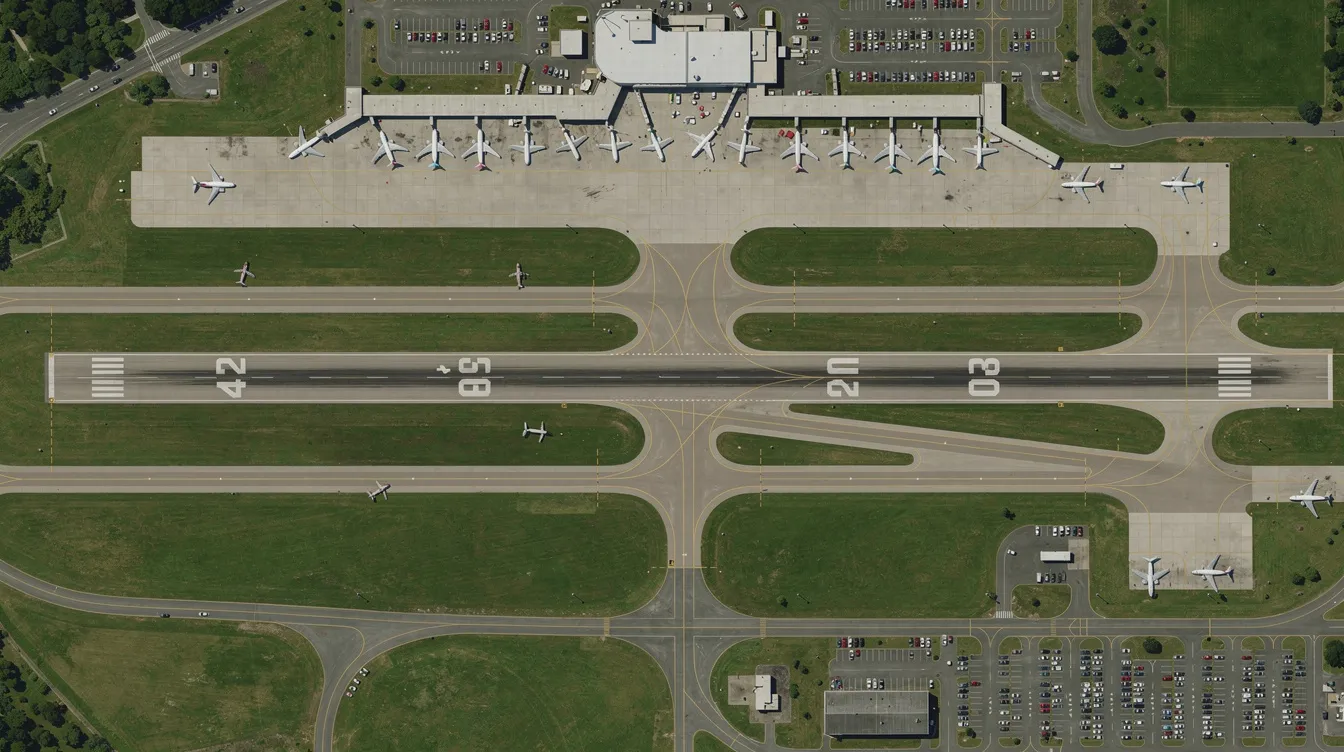
Chesapeake Regional Airport (KCPK) is a premier destination for private and charter aviation in coastal Virginia, offering a 5,500-foot runway and dedicated facilities. This guide provides essential information for pilots and travelers, including booking options through Jettly, making it an ideal choice for efficient and private travel.
Jeff Ryan Serevilla
Oct 20, 2026
|
5
min read
View all
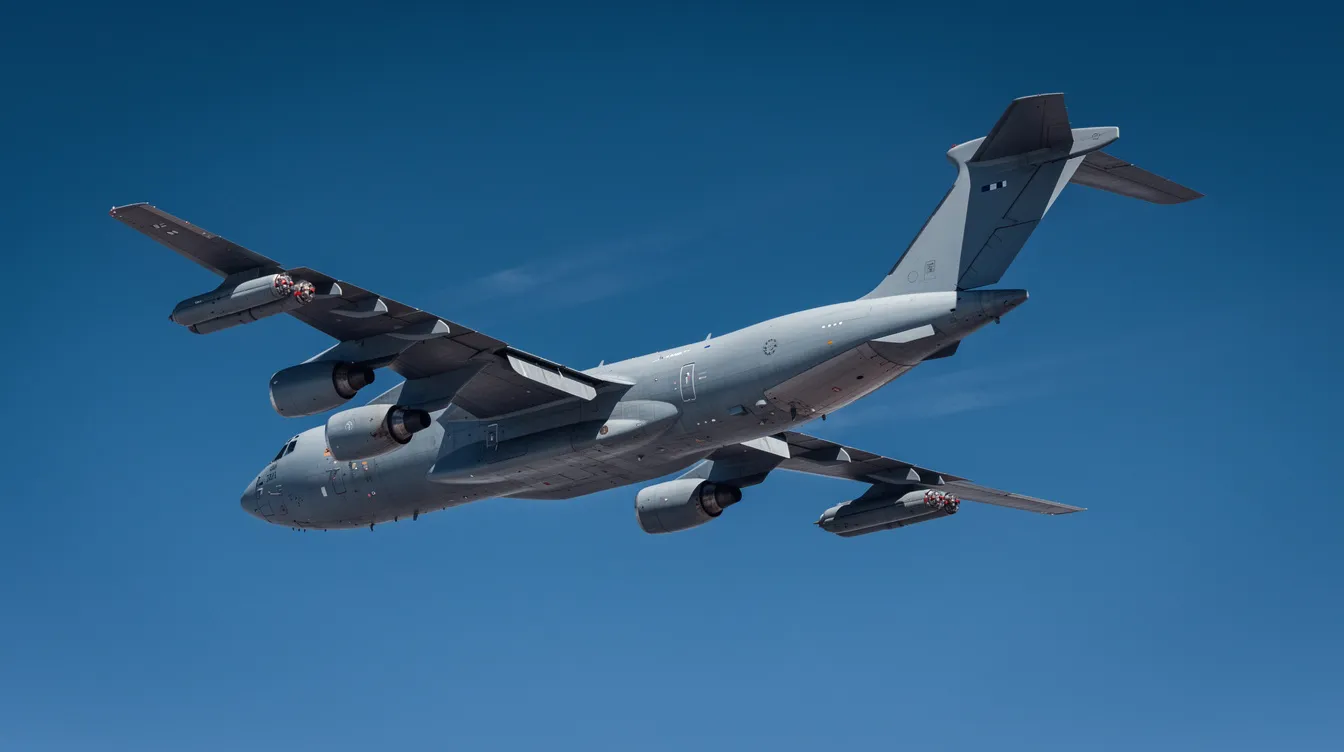
The KC-135 Stratotanker has a long history of accidents, with over 50 fatal crashes since its introduction in the 1950s. Recent incidents, including a crash in March 2026 that killed six crew members, highlight ongoing safety challenges in military aviation. Lessons learned from these accidents have led to significant improvements in training and operational procedures, benefiting both military and civilian aviation.
Jeff Ryan Serevilla
Oct 20, 2026
|
5
min read

View all
Many major airlines, including American Airlines and Japan Airlines, have experienced fatal crashes throughout their histories. While these incidents are significant, they must be viewed in context, as air travel remains one of the safest modes of transportation today. Understanding the historical data and safety improvements can help travelers make informed decisions about their flight options.
Jeff Ryan Serevilla
Oct 20, 2026
|
5
min read
Explore our latest articles and updates.
5
min read
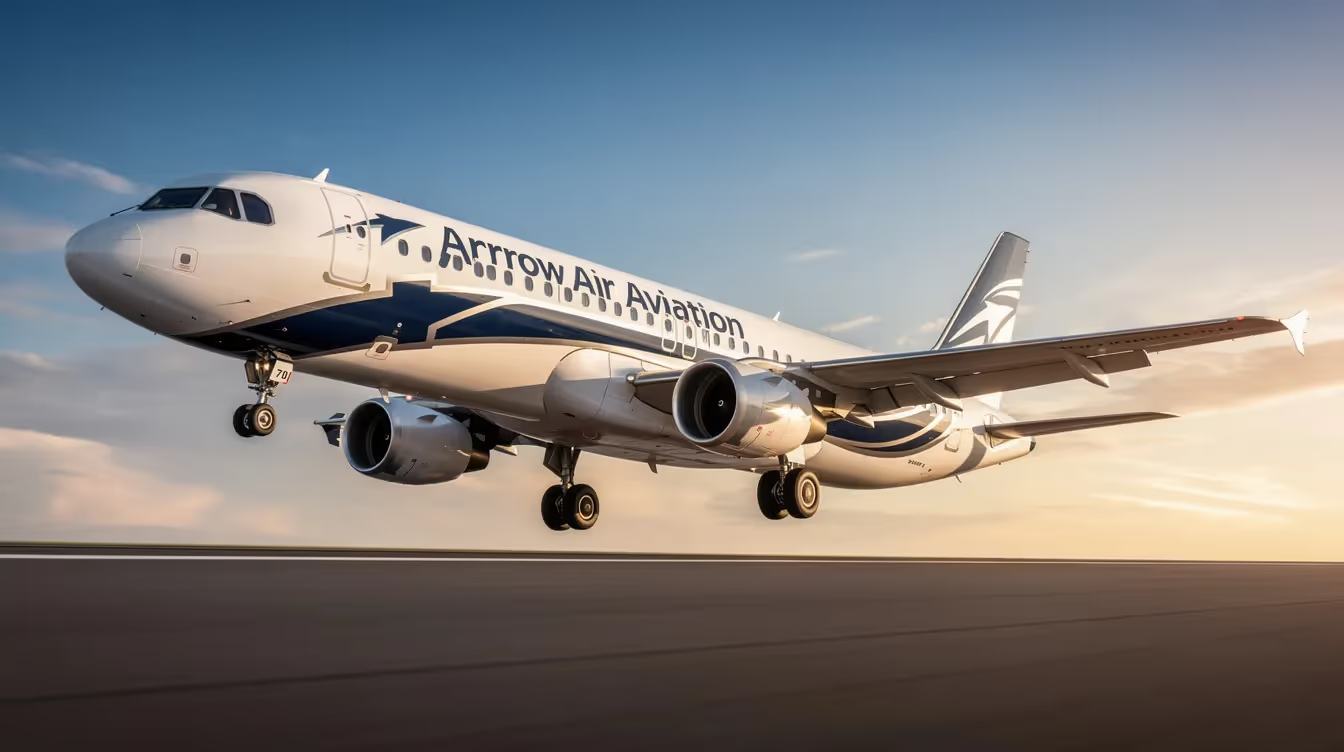
Arrow Air: History, Flight 1285, and Its Legacy in Aviation Safety
Arrow Air Flight 1285 crashed on December 12, 1985, shortly after takeoff from Gander, Newfoundland, resulting in the deaths of all 256 people on board, making it Canada's deadliest aviation disaster. The investigation revealed that ice contamination on the wings and an underestimation of the aircraft's weight contributed to the crash, leading to significant changes in aviation safety protocols in Canada. The controversy surrounding the investigation, including a dissenting minority report that proposed alternative theories, ultimately led to the dissolution of the Canadian Aviation Safety Board and the establishment of the Transportation Safety Board of Canada. Today, lessons from this tragedy continue to shape modern aviation practices, emphasizing rigorous safety standards, data-driven flight planning, and transparency in operations, as exemplified by platforms like Jettly.
Read More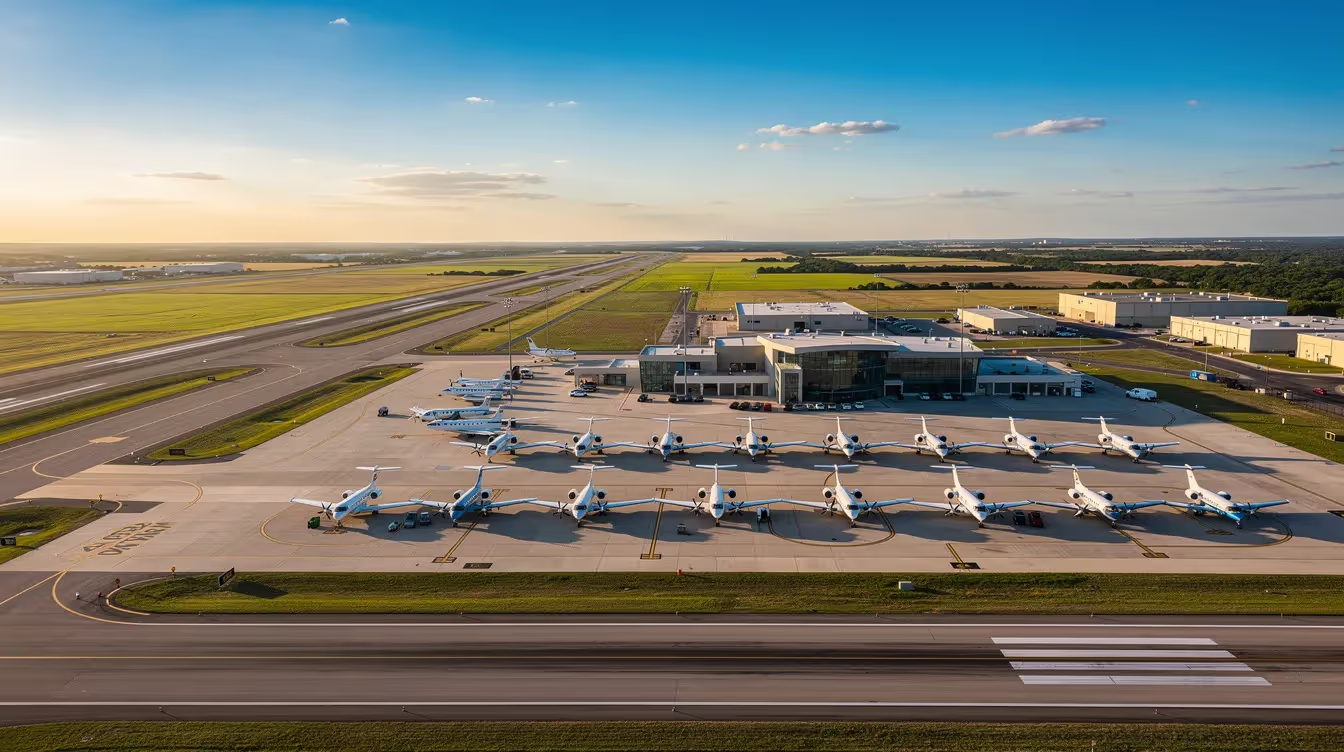
5
min read
Austin Executive Airport (EDC) Guide for Private Flyers
Austin Executive Airport (EDC) serves as a vital hub for private and business aviation in the Austin area, offering a streamlined alternative to Austin–Bergstrom International Airport. With a 6,025-foot runway and modern facilities, EDC caters to corporate travelers and private pilots, providing quick access to downtown Austin and nearby tech campuses. The airport features 24-hour FBO services through Henriksen Jet Center, ensuring exceptional customer service and operational efficiency. Jettly's platform simplifies the charter process, allowing users to compare aircraft options and pricing for a seamless private travel experience.
Read MoreJoin our community and receive the latest blog updates directly in your inbox.
MEMBERSHIPS AND ASSOCIATIONS



Disclaimer: Jettly operates as a charter broker, offering access to a global digital jet charter marketplace. Jettly is not a direct air carrier and does not own or operate aircraft. All advertised flights are conducted by third-party air carriers that are fully licensed and hold the appropriate Part 135 or Part 121 certifications issued by the Federal Aviation Administration (FAA) or equivalent regulatory authorities under U.S. or foreign law. Jettly complies fully with the U.S. Department of Transportation's Part 295 and Part 298 Charter Broker regulations. Jettly does not carry additional liability insurance. Passengers are covered by aircraft operator insurance. TICO: 50023770


