


Login
Get Instant Pricing On 23,000+ Aircraft

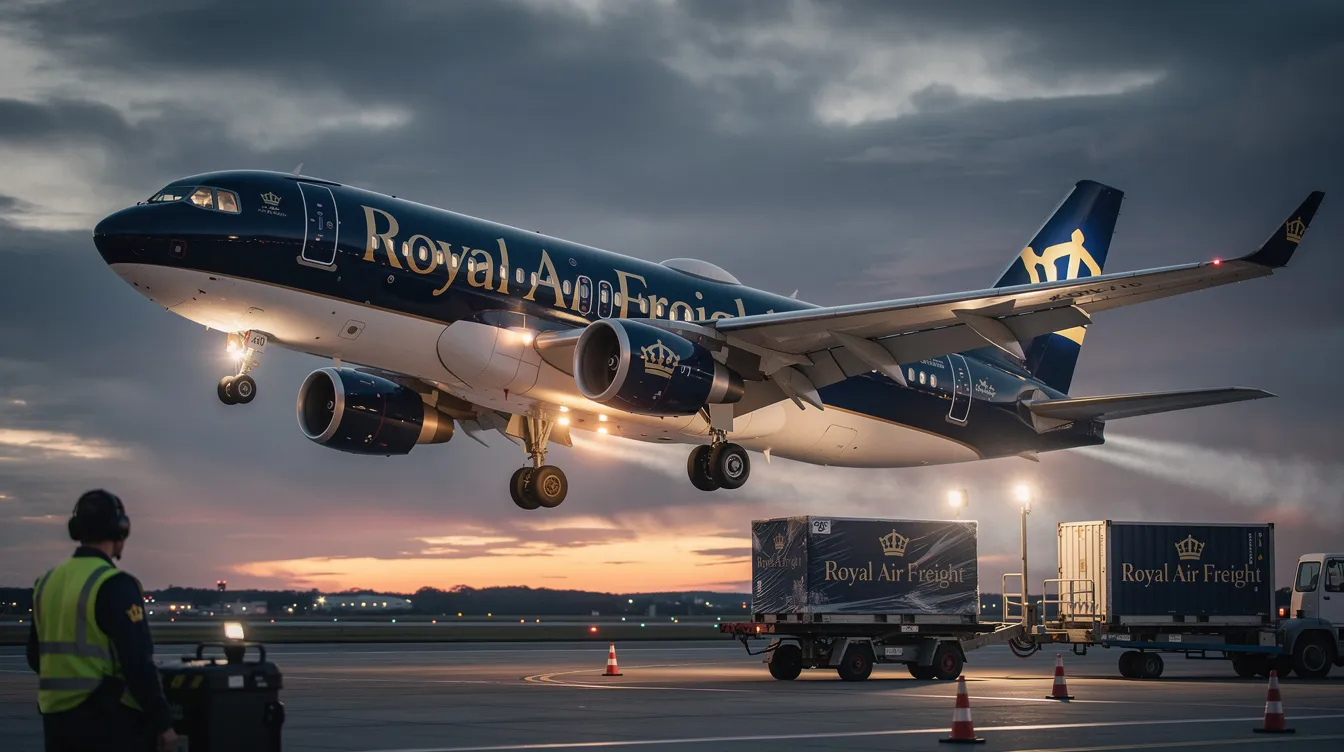
Royal Air Freight Inc. has been a trusted name in charter and air freight services since 1961, specializing in expedited cargo and passenger flights across North America. Jettly, a digital charter broker, offers a broader marketplace for comparing private jet and cargo flight options, providing travelers with greater flexibility and instant pricing.
Jay Franco Serevilla
Sep 27, 2026
|
5
min read


View all
The Cirrus SR20 is a revolutionary single-engine aircraft known for its advanced safety features, including the Cirrus Airframe Parachute System (CAPS) and cutting-edge avionics. Since its debut in 1999, it has become a preferred choice for pilots and flight schools, offering a blend of performance, comfort, and technology. This guide explores its capabilities, market position, and how it compares to chartering larger aircraft.
Jay Franco Serevilla
Aug 2, 2026
|
5
min read

View all
The Cirrus SR22 is a high-performance, single-engine aircraft that has set the standard for safety and comfort in private aviation since its introduction in 2001. With features like the Cirrus Airframe Parachute System (CAPS) and advanced avionics, it offers an efficient and cost-effective option for personal and business travel. Its versatility and modern design make it a popular choice for charter services, especially for regional trips.
Jay Franco Serevilla
Aug 2, 2026
|
5
min read

View all
QAV 1 (IEEE 802.1Qav) is a crucial networking standard that ensures low-latency delivery of audio and video streams in private aviation. It enhances in-flight connectivity for seamless streaming and communication, while robust security measures protect sensitive data. Platforms like Jettly leverage QAV 1 to provide a superior digital charter experience for travelers.
Jay Franco Serevilla
Aug 2, 2026
|
5
min read

View all
The Boeing 777 family features a range of weights from 134 tonnes for the 777-200 to over 171 tonnes for the 777-300ER, with maximum takeoff weights reaching up to 805,000 pounds. Understanding these weights is crucial for evaluating range, fuel efficiency, and airport compatibility, impacting airline economics and travel options for private charter clients. Jettly specializes in matching travelers with aircraft that best suit their needs.
Jay Franco Serevilla
Aug 2, 2026
|
5
min read

View all
Jet 1 Aviation, based in Naples, FL, offers comprehensive aircraft sales, charter, and management services, leveraging decades of industry experience. In contrast, Jettly provides a tech-driven platform for on-demand private jet charters, allowing travelers to book flights quickly and flexibly without ownership commitments. Understanding both models helps travelers make informed decisions based on their flying needs.
Jay Franco Serevilla
Aug 2, 2026
|
5
min read
View all
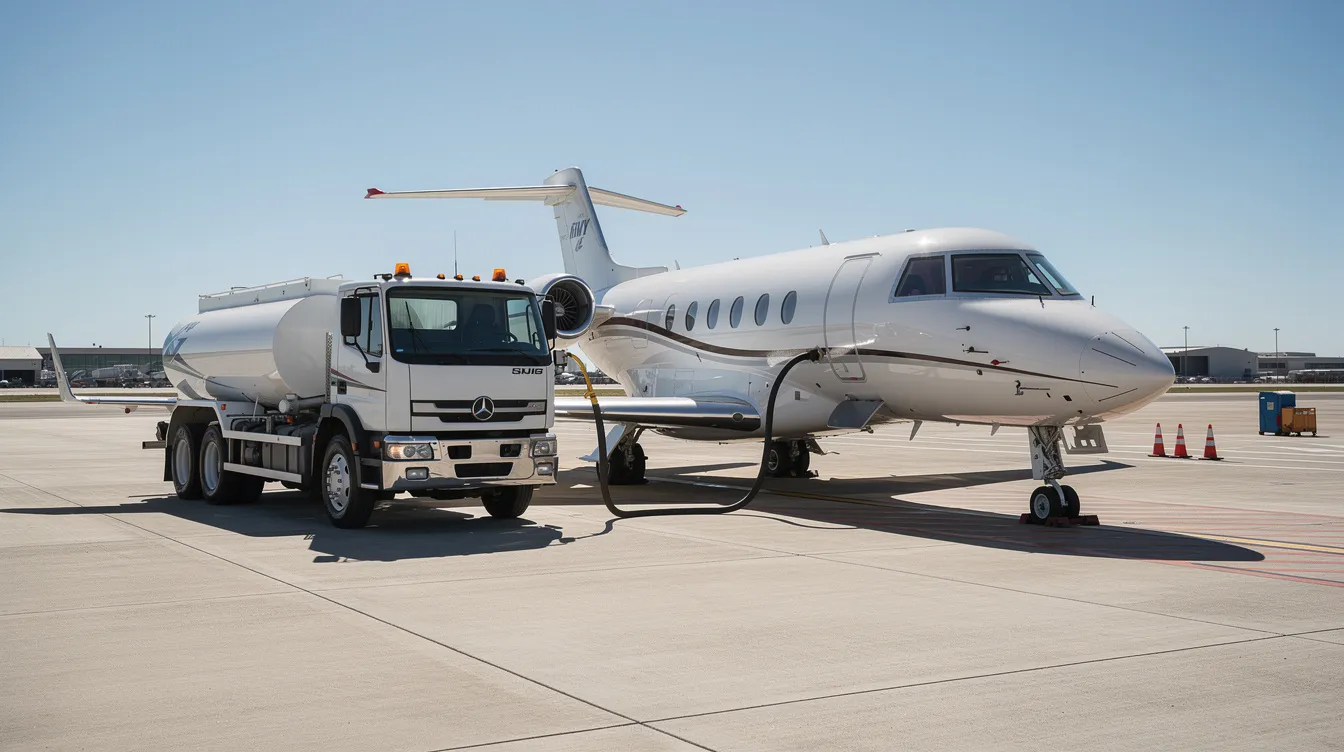
Understanding the weight of Jet A fuel is crucial for private jet flyers, as it impacts aircraft performance, range, and baggage limits. Jet A fuel weighs approximately 6.7 pounds per gallon at standard temperature, but this can vary with temperature changes. Accurate fuel weight calculations are essential for safe and efficient flight planning.
Jay Franco Serevilla
Jul 29, 2026
|
5
min read
Explore our latest articles and updates.
5
min read
ATR 72-500: Regional Workhorse and Charter-Capable Turboprop
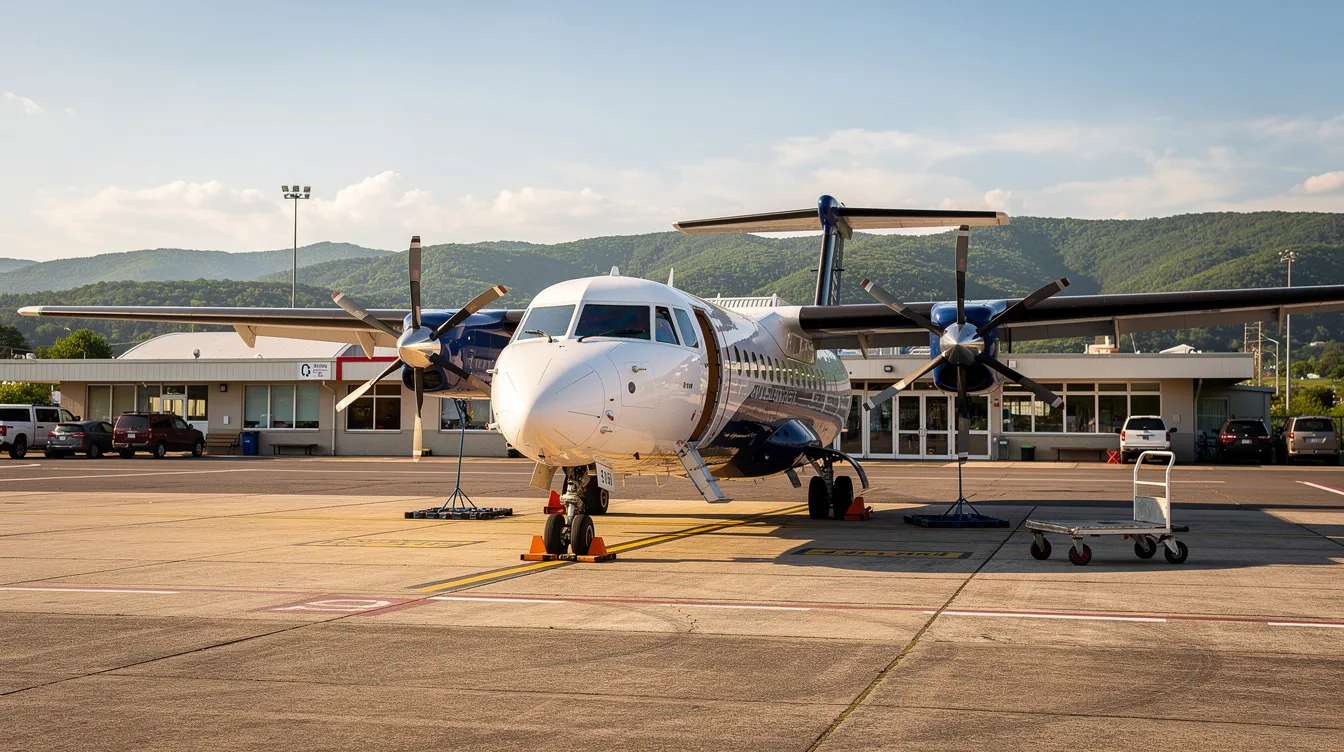
The ATR 72-500 is a cost-efficient turboprop aircraft designed for regional routes, offering low operating costs and the ability to access smaller airports that larger jets cannot serve. With a seating capacity of 68 to 74 passengers and a maximum operating cost of approximately $2,879 per hour, it is favored by regional airlines and charter operators for its fuel efficiency and versatility. The aircraft features advanced systems for improved performance and passenger comfort, making it suitable for both passenger and cargo operations. Platforms like Jettly facilitate access to the ATR 72-500 for group charters, emphasizing its economic advantages for large travel groups and regional logistics.
Read More
5
min read
Embraer ERJ 190 Private Charter Guide: Cabin, Performance, and Costs
The Embraer ERJ 190 is a regional jet ideal for chartering, accommodating 50 to 100 passengers with a comfortable 2+2 seating layout and a maximum range of approximately 2,400 nautical miles. Charter rates typically start at $14,000 to $16,000 per flight hour, making it a cost-effective option for group travel compared to splitting into smaller jets or booking larger airliners. The aircraft's ability to operate from shorter runways allows access to regional airports, enhancing its versatility for corporate shuttles, sports teams, and event logistics. Jettly provides a streamlined online booking process for the ERJ 190, offering transparent pricing and support for customized itineraries.
Read MoreJoin our community and receive the latest blog updates directly in your inbox.
MEMBERSHIPS AND ASSOCIATIONS



Disclaimer: Jettly operates as a charter broker, offering access to a global digital jet charter marketplace. Jettly is not a direct air carrier and does not own or operate aircraft. All advertised flights are conducted by third-party air carriers that are fully licensed and hold the appropriate Part 135 or Part 121 certifications issued by the Federal Aviation Administration (FAA) or equivalent regulatory authorities under U.S. or foreign law. Jettly complies fully with the U.S. Department of Transportation's Part 295 and Part 298 Charter Broker regulations. Jettly does not carry additional liability insurance. Passengers are covered by aircraft operator insurance. TICO: 50023770


