


Login
Get Instant Pricing On 23,000+ Aircraft


This article explores Tiger Woods' $53 million Gulfstream G550 and how high-performance private aviation serves as a crucial tool for top athletes. Beyond comfort and luxury, the jet's low cabin altitude pressurization, massive storage for specialized physio equipment, and direct long-range flight capabilities help Woods manage chronic injuries and travel fatigue while navigating a demanding global competition schedule.
Roz C
Sep 1, 2026
|
5
min read



View all
The Winnebago Heli-Home represents a unique intersection of aviation and RV culture, showcasing the dream of a flying camper. Despite its innovative design, high costs and operational complexities prevented it from becoming mainstream. Today, modern alternatives like Jettly offer efficient air travel paired with traditional RV experiences, allowing adventurous travelers to explore remote destinations without the burdens of ownership.
Jay Franco Serevilla
Aug 24, 2026
|
5
min read

View all
Jet trailers, manufactured by Jet Company in Humboldt, Iowa, are specialized semi-trailers designed for agriculture, construction, and heavy hauling. This comprehensive guide covers various models, including side dumps, grain hoppers, and drop decks, detailing their specifications, pricing, and unique features that enhance performance and resale value.
Jay Franco Serevilla
Aug 24, 2026
|
5
min read
View all
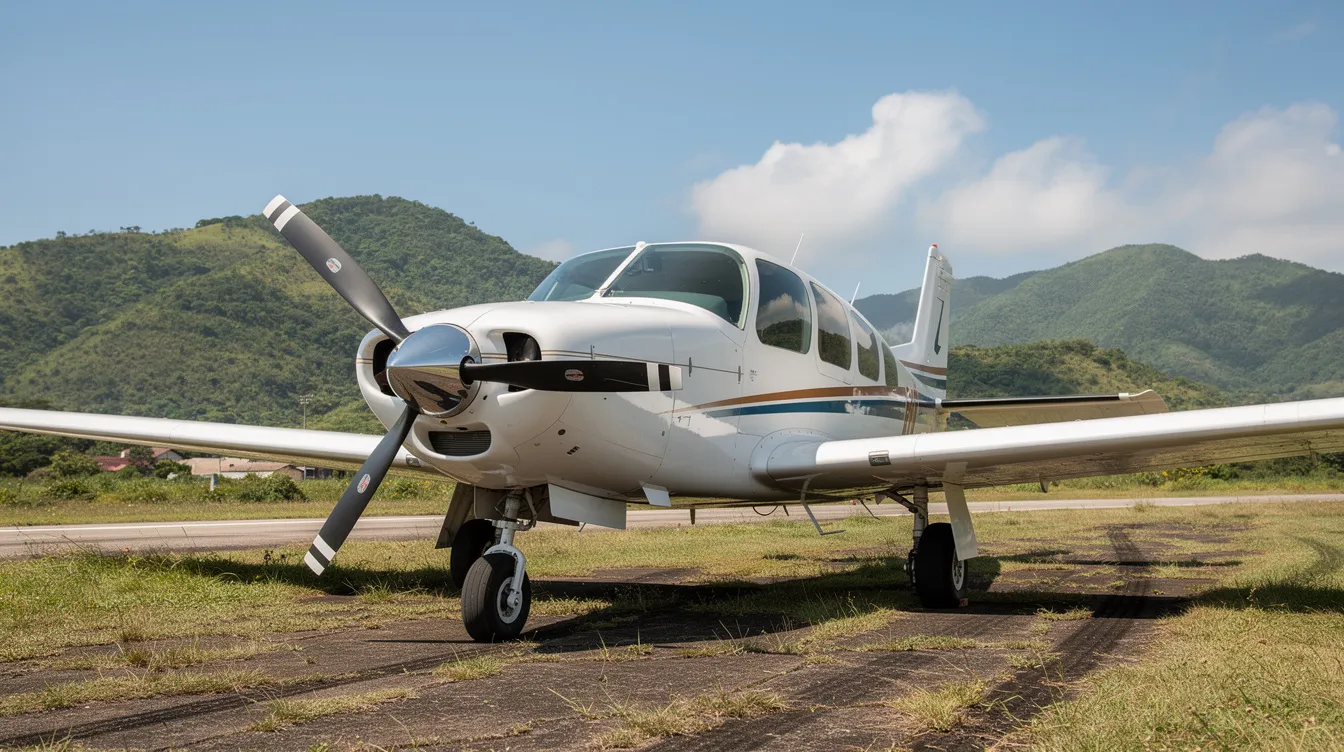
Cessna turboprops, including the Grand Caravan EX and SkyCourier, are versatile aircraft ideal for private aviation, especially for remote and regional missions. With their short takeoff and landing capabilities, they can access locations that jets cannot, making them a cost-effective choice for both passenger and cargo transport. This guide provides insights into their specifications, interior options, and how to book through Jettly.
Jay Franco Serevilla
Aug 24, 2026
|
5
min read

View all
The Cessna P210N is a turbocharged, pressurized single-engine aircraft known for its efficiency and comfort at altitude. With a maximum range of 661 NM and a service ceiling of 23,000 feet, it is ideal for regional travel. However, potential owners should consider significant operating costs and maintenance requirements before purchasing.
Jay Franco Serevilla
Aug 24, 2026
|
5
min read

View all
The Cessna Caravan is a versatile turboprop aircraft known for its cruise speed and operational efficiency. With variants like the Grand Caravan EX achieving speeds of up to 195 knots, it excels in regional charter missions, especially to smaller airports. This guide provides insights into its performance, technical specifications, and practical applications for travelers.
Jay Franco Serevilla
Aug 24, 2026
|
5
min read

View all
Mountain aviation specializes in flying private jets to high-altitude destinations, overcoming unique challenges like reduced aircraft performance and rapidly changing weather. With platforms like Jettly, travelers can access popular mountain resorts efficiently, avoiding long drives and commercial flight hassles. This article explores the nuances of mountain aviation and how it caters to the needs of discerning travelers seeking convenience and flexibility.
Jay Franco Serevilla
Aug 24, 2026
|
5
min read
Explore our latest articles and updates.
5
min read
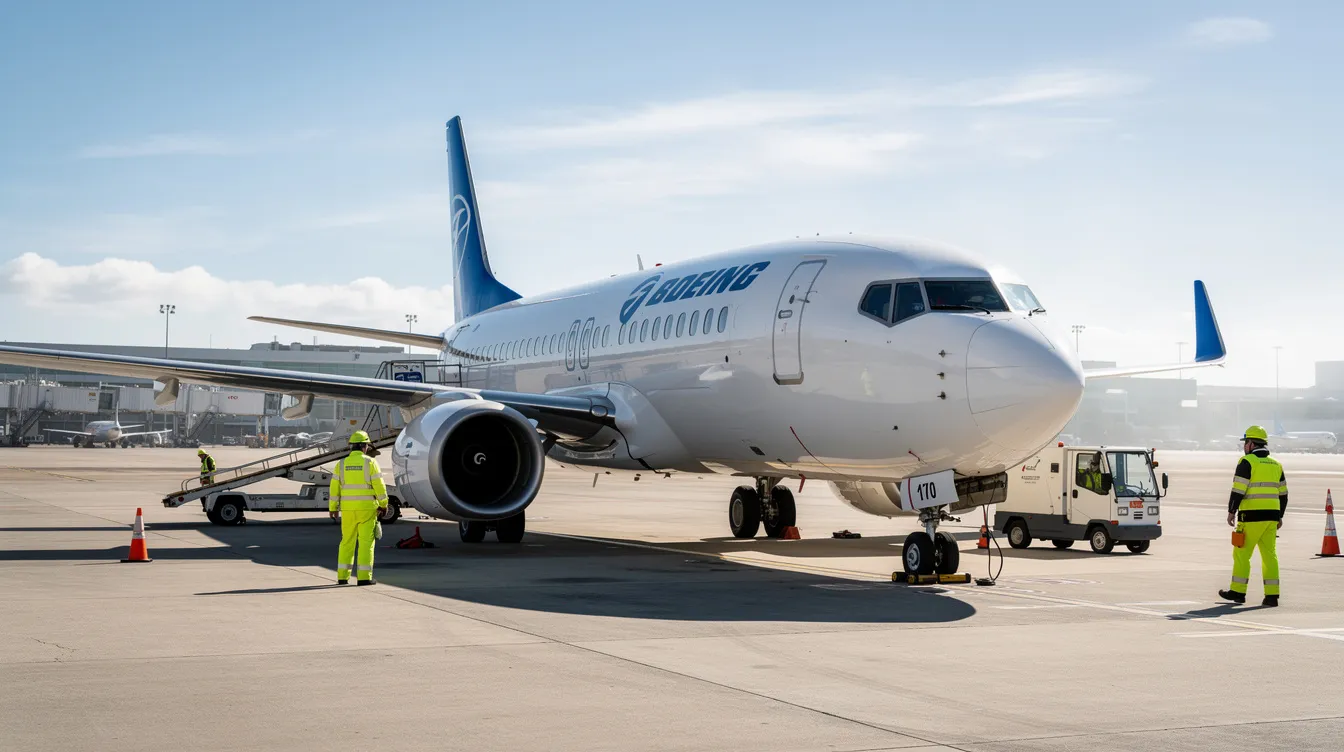
Boeing 737 Seat Capacity: How Many Passengers Can Each Variant Carry?
The Boeing 737 is the most-produced commercial jetliner, with a seating capacity ranging from 85 to 230 passengers depending on the variant and configuration. This guide explores the seating capacities of various 737 models, highlighting how cabin layouts and airline choices impact passenger comfort and efficiency. Understanding these factors is crucial for travelers and airline planners alike.
Read More
5
min read
Empty Leg Flights Phoenix: How to Save on Private Jets from the Valley
Empty leg flights from Phoenix provide an excellent opportunity for travelers to save significantly on private jet charters. These one-way repositioning flights often offer discounts of 25-75%, making them a cost-effective choice for both business and leisure travelers. With multiple airports and a variety of aircraft available, flexible travelers can take advantage of these deals for spontaneous trips.
Read MoreJoin our community and receive the latest blog updates directly in your inbox.
MEMBERSHIPS AND ASSOCIATIONS



Disclaimer: Jettly operates as a charter broker, offering access to a global digital jet charter marketplace. Jettly is not a direct air carrier and does not own or operate aircraft. All advertised flights are conducted by third-party air carriers that are fully licensed and hold the appropriate Part 135 or Part 121 certifications issued by the Federal Aviation Administration (FAA) or equivalent regulatory authorities under U.S. or foreign law. Jettly complies fully with the U.S. Department of Transportation's Part 295 and Part 298 Charter Broker regulations. Jettly does not carry additional liability insurance. Passengers are covered by aircraft operator insurance. TICO: 50023770


