



Login
Get Instant Pricing On 23,000+ Aircraft


Zimex Aviation, established in 1969, specializes in flying to remote and challenging environments where conventional airlines often cannot operate. With a diverse fleet of turboprop aircraft, Zimex provides essential services such as oil and gas logistics, humanitarian airlift, and express cargo. The company emphasizes safety and operational excellence, making it a key player in the global logistics and humanitarian support sectors.
Jeff Ryan Serevilla
Oct 22, 2026
|
5
min read


View all
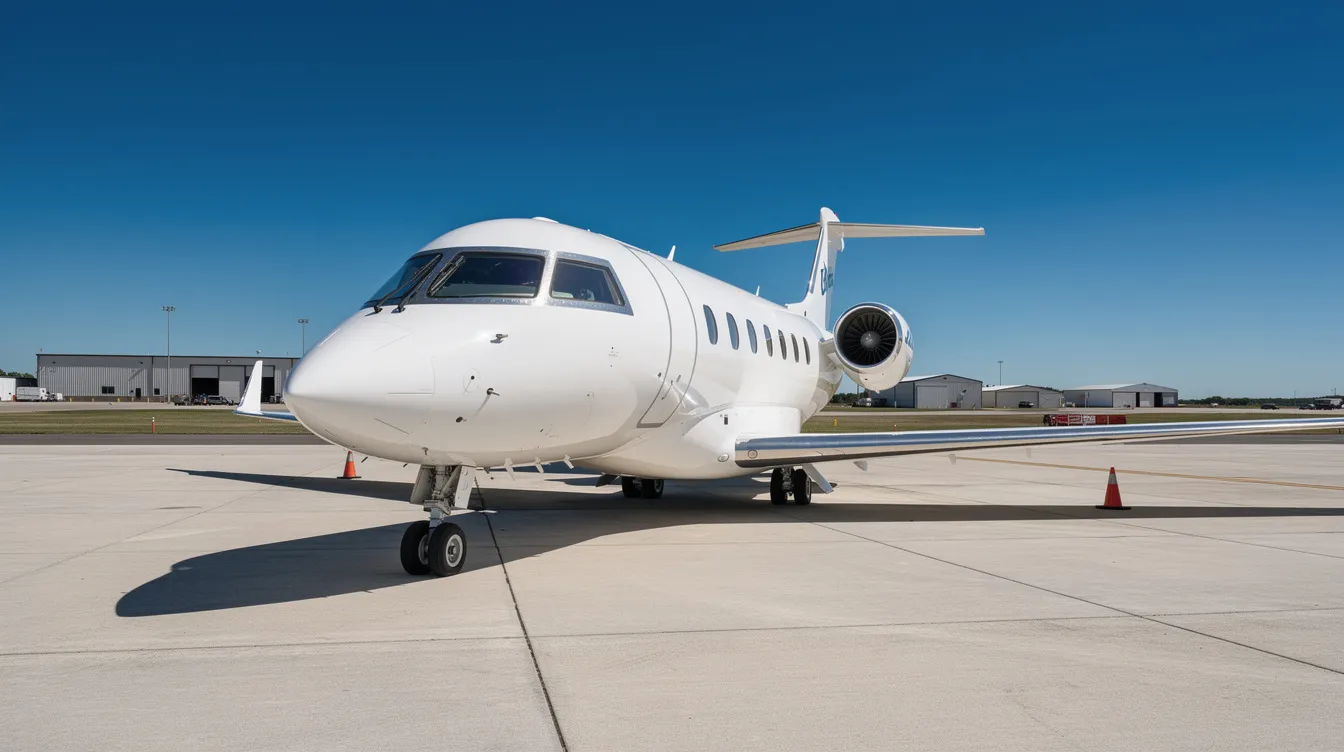
Exclusive jets have evolved from a luxury reserved for the elite to an accessible option for travelers seeking on-demand private flights. Jettly connects users to over 20,000 aircraft worldwide, offering instant pricing and flexibility without the burdens of ownership. This guide explores how private flights work today, their costs, and how to choose the right aircraft for any journey.
Jay Franco Serevilla
Aug 19, 2026
|
5
min read
View all
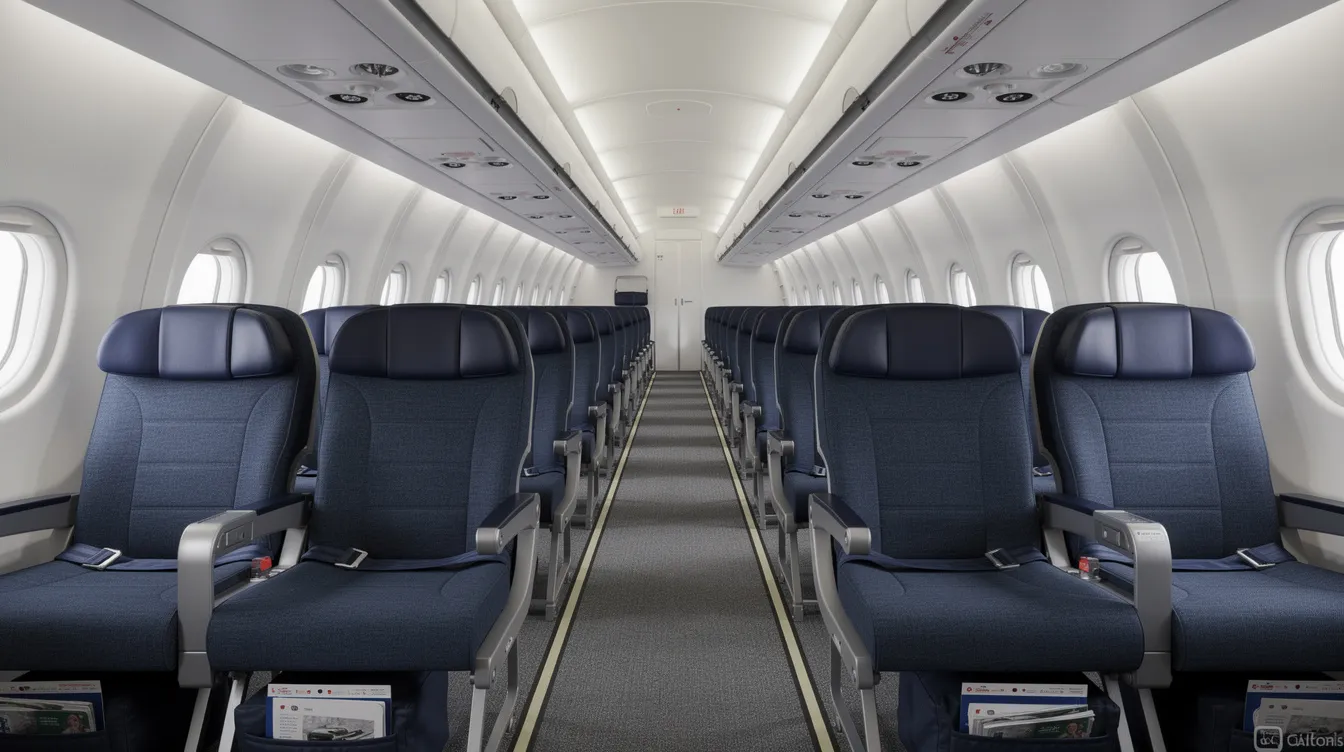
Empty seats on planes often stem from safety regulations, crew requirements, and revenue management strategies, making them unavailable for passengers. While it may seem like an opportunity to move, many empty seats are reserved for operational reasons. For those seeking guaranteed space and flexibility, private jet charters through platforms like Jettly provide a customizable flying experience without the uncertainty of commercial flights.
Jay Franco Serevilla
Aug 19, 2026
|
5
min read
View all
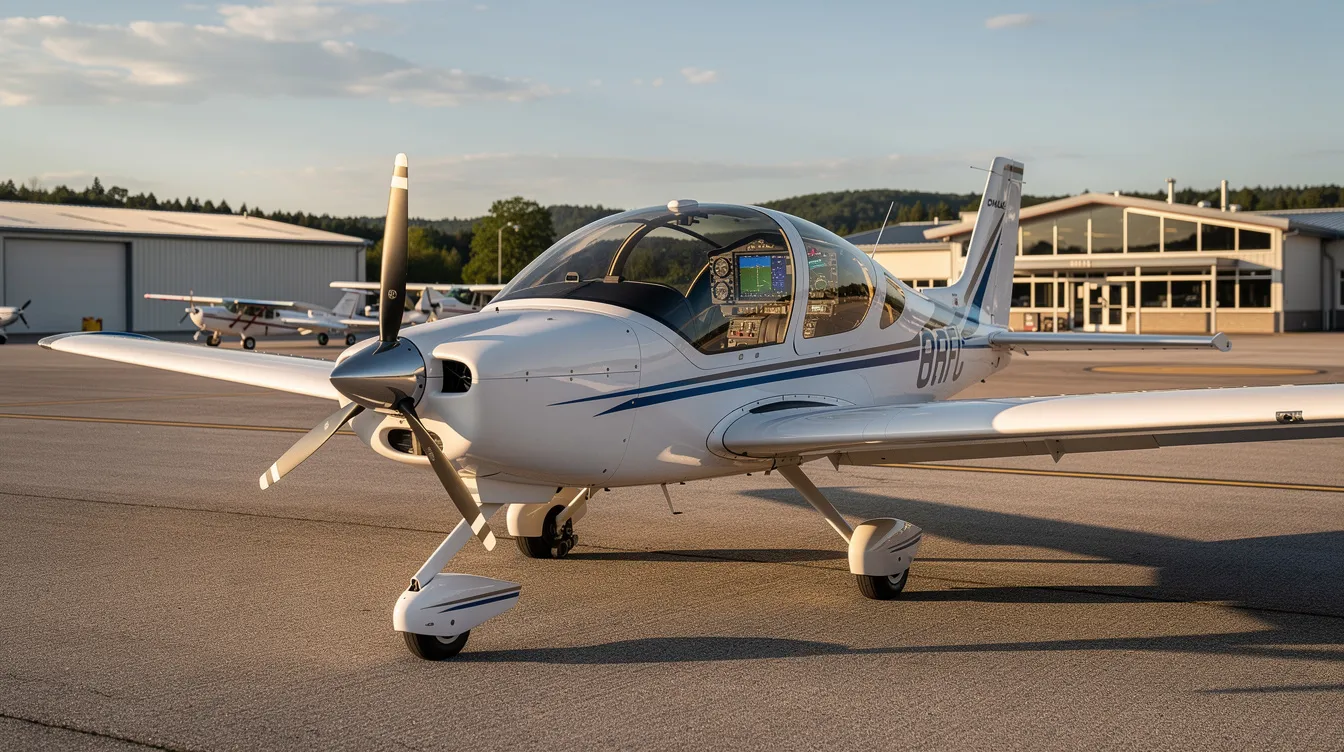
This guide provides a comprehensive overview of small plane ownership costs, including purchase prices, maintenance, and chartering options. It highlights the financial implications of owning a small aircraft versus chartering through Jettly, emphasizing that true ownership costs can significantly exceed the initial purchase price. For those flying under 100-150 hours annually, chartering is often the more economical choice.
Jay Franco Serevilla
Aug 19, 2026
|
5
min read

View all
Semi-private flights to Los Angeles offer a convenient alternative to commercial travel, combining the comfort of private aviation with per-seat pricing. Passengers enjoy reduced airport hassle, upgraded comfort, and access to multiple regional airports. This guide details routes, costs, and how Jettly can help you choose the best option for your travel needs.
Jay Franco Serevilla
Aug 19, 2026
|
5
min read
View all
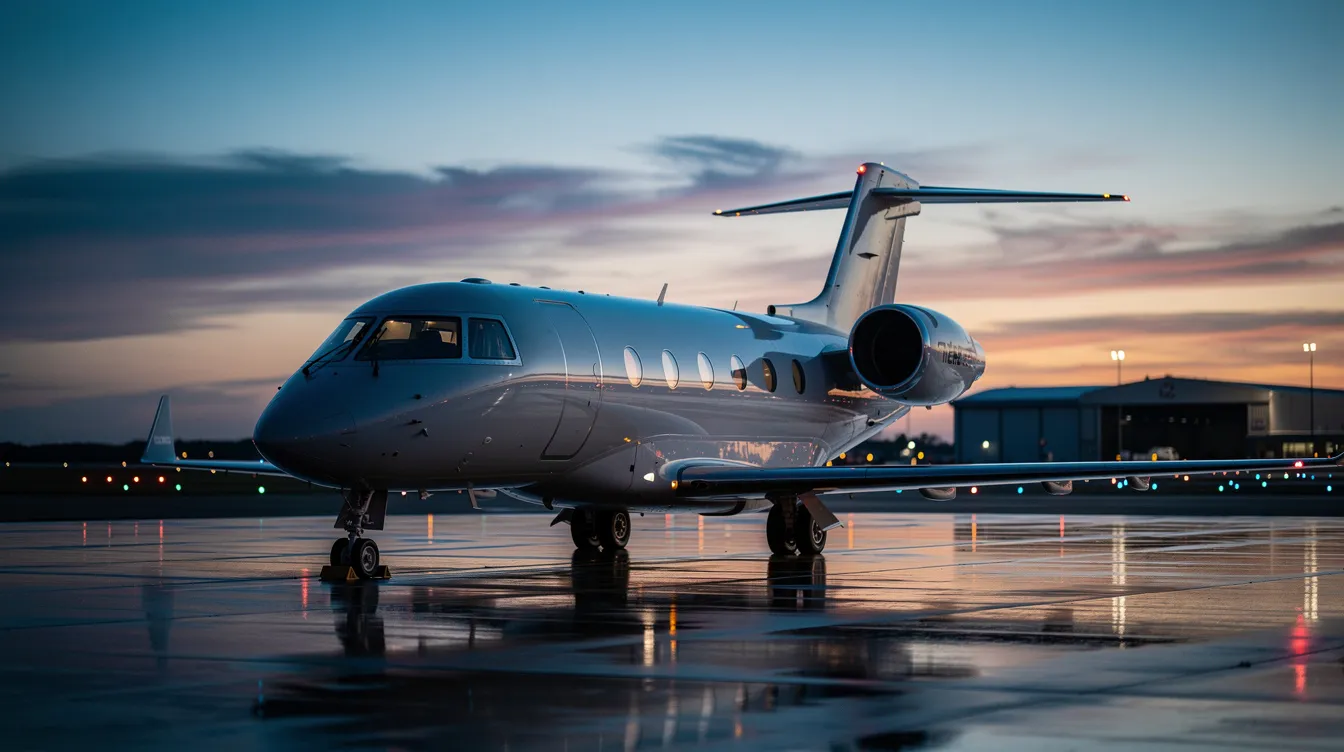
Private plane international travel offers unmatched speed, flexibility, and convenience compared to commercial flights. This comprehensive guide covers everything from selecting the right aircraft to navigating customs and booking through Jettly's digital marketplace. With private jets, travelers can save hours and enjoy a more personalized flying experience.
Jay Franco Serevilla
Aug 19, 2026
|
5
min read
View all
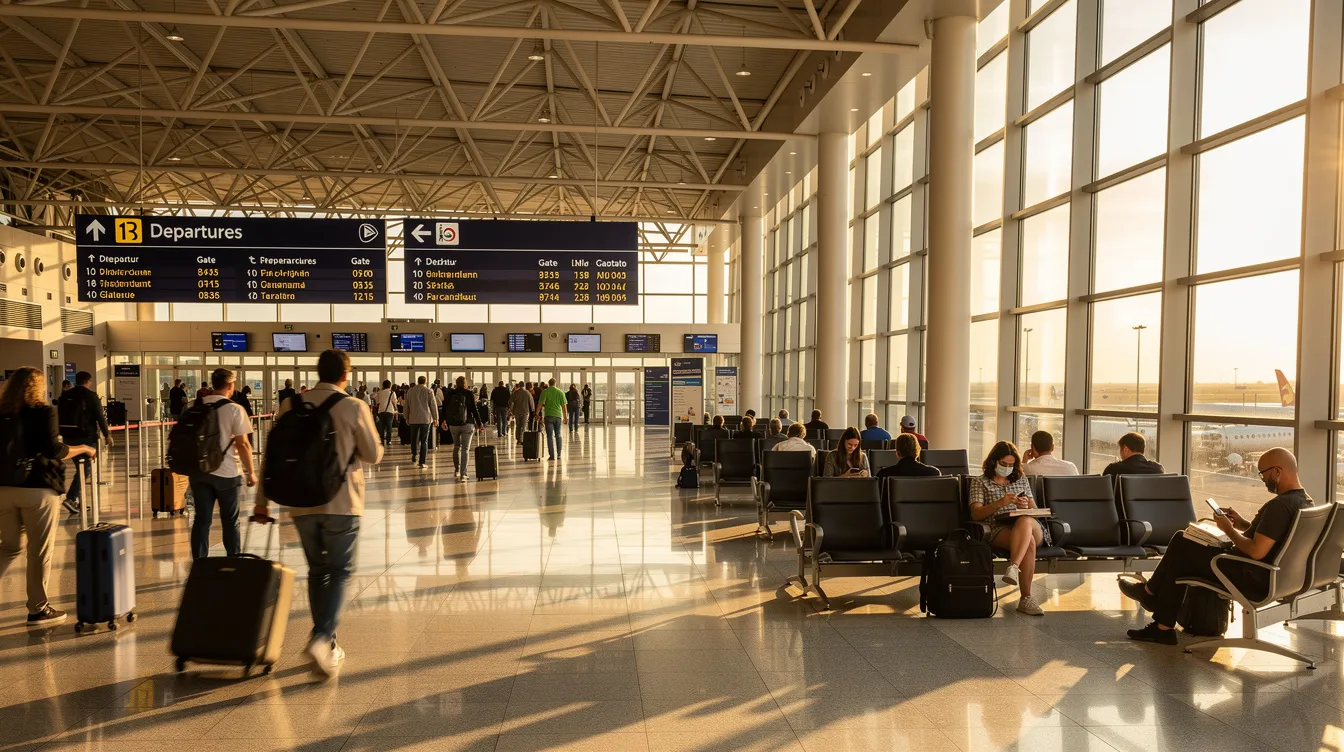
Value airlines have revolutionized air travel by offering low base fares and customizable pricing, making flying accessible to millions. However, travelers must consider trade-offs in comfort and flexibility. This guide explores how value airlines operate, their major players, and when private jet charters like Jettly may offer better value.
Jay Franco Serevilla
Aug 19, 2026
|
5
min read
Explore our latest articles and updates.

5
min read
Private Jet One Way: How One-Way Charters & Empty Legs Really Work
One-way private jet charters offer flexibility for travelers with uncertain return plans, allowing direct access to destinations without the hassle of crowded terminals. These charters can be paired with discounted empty leg flights, which occur when jets reposition without passengers, providing cost-saving opportunities for flexible travelers. Jettly's platform facilitates easy booking and comparison of over 20,000 aircraft, with transparent pricing that includes all relevant fees. Overall, one-way charters are ideal for business and leisure travelers seeking convenience and efficiency in their travel arrangements.
Read More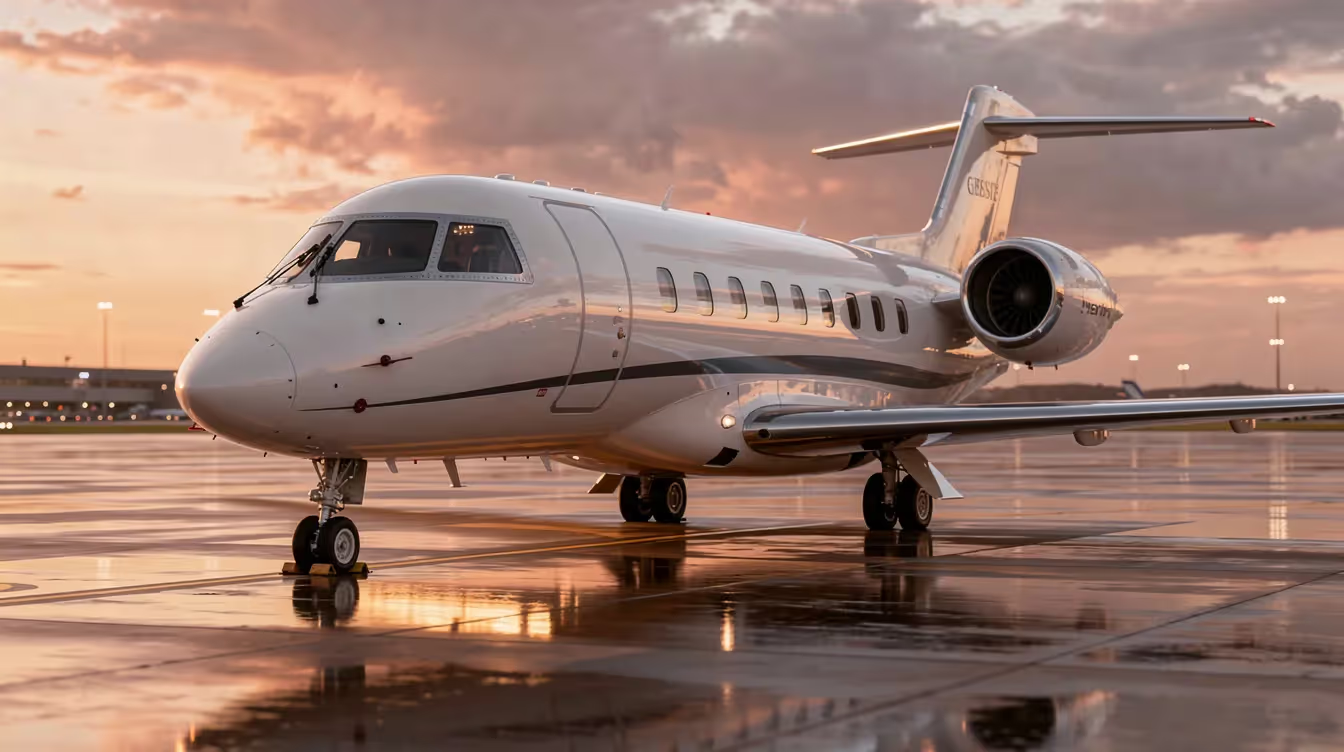
5
min read
Private Jet for 15 Passengers: Best Aircraft, Costs & How to Charter with Jettly
Chartering a private jet for 15 passengers provides a spacious, comfortable, and flexible travel solution ideal for business groups, families, or special events. This guide outlines the best aircraft options, typical costs ranging from $7,000 to $15,000 per flight hour, and operational considerations, emphasizing the importance of selecting the right jet for privacy and amenities. Jettly simplifies the booking process, offering transparent pricing and access to a global fleet, while also providing insights on comparing costs between single large jets and multiple smaller jets. Overall, private jet travel enhances productivity and convenience, making it a preferred choice for group travel compared to commercial airlines.
Read MoreJoin our community and receive the latest blog updates directly in your inbox.
MEMBERSHIPS AND ASSOCIATIONS



Disclaimer: Jettly operates as a charter broker, offering access to a global digital jet charter marketplace. Jettly is not a direct air carrier and does not own or operate aircraft. All advertised flights are conducted by third-party air carriers that are fully licensed and hold the appropriate Part 135 or Part 121 certifications issued by the Federal Aviation Administration (FAA) or equivalent regulatory authorities under U.S. or foreign law. Jettly complies fully with the U.S. Department of Transportation's Part 295 and Part 298 Charter Broker regulations. Jettly does not carry additional liability insurance. Passengers are covered by aircraft operator insurance. TICO: 50023770


