



Login
Get Instant Pricing On 23,000+ Aircraft


Certain aircraft have gained notoriety for their poor safety records, particularly the Fokker F28 and McDonnell Douglas MD-11, which exhibit high hull loss rates. While the Boeing 737 family has the highest total fatalities, this is largely due to its extensive use rather than inherent danger. Understanding these statistics is crucial for travelers assessing aviation safety.
Jeff Ryan Serevilla
Oct 22, 2026
|
5
min read


View all
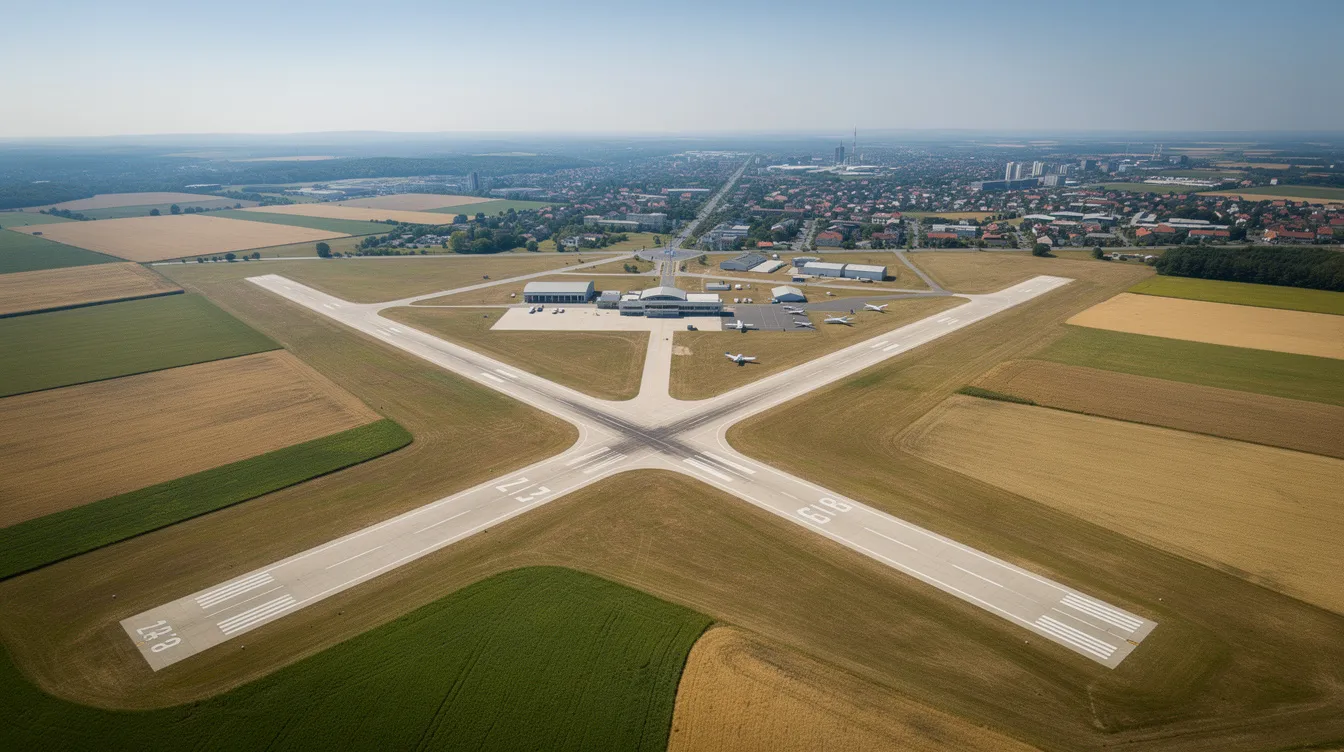
Hastings Municipal Airport (HSI) in Nebraska is a public-use airport primarily serving private general aviation and charter flights. With two concrete runways and modern facilities, it offers a convenient alternative to larger commercial airports for business and leisure travelers. Managed by the City of Hastings, the airport supports a variety of aircraft and provides essential services for pilots and passengers alike.
Jay Franco Serevilla
Aug 15, 2026
|
5
min read

View all
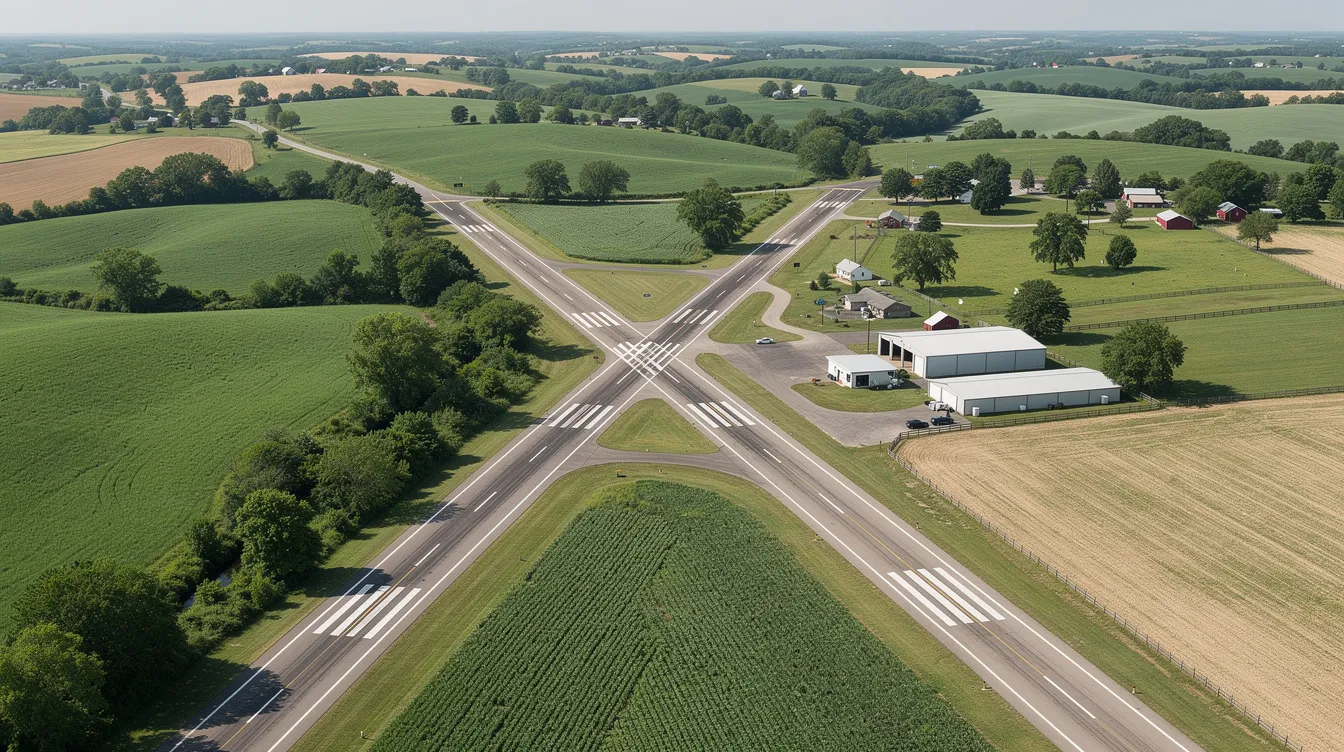
Cottage Grove State Airport (61S), also known as Jim Wright Field, is a public general aviation airport located in Lane County, Oregon. It features a 3,188-foot runway and serves private pilots and charter flights, offering essential services and nearby attractions for travelers. This guide provides insights into the airport's operations, facilities, and local highlights for a seamless flying experience.
Jay Franco Serevilla
Aug 15, 2026
|
5
min read
View all
Rolla National Airport (VIH) is a key general aviation hub in south-central Missouri, offering private flyers a convenient alternative to larger airports. With two 5,500-foot runways and modern facilities, it supports a range of aircraft for business and leisure travel. Jettly's platform allows easy charter access, making it ideal for quick, flexible trips.
Jay Franco Serevilla
Aug 15, 2026
|
5
min read

View all
West Kootenay Regional Airport (YCG) is a crucial air link for the West Kootenay region, connecting communities like Castlegar, Nelson, and Trail to Vancouver. Despite its scenic location, the airport faces challenges with flight reliability due to mountainous terrain and weather conditions, earning it the nickname 'Cancelgar.' This guide provides insights into commercial and private travel options, amenities, and essential tips for navigating this regional airport.
Jay Franco Serevilla
Aug 15, 2026
|
5
min read
View all
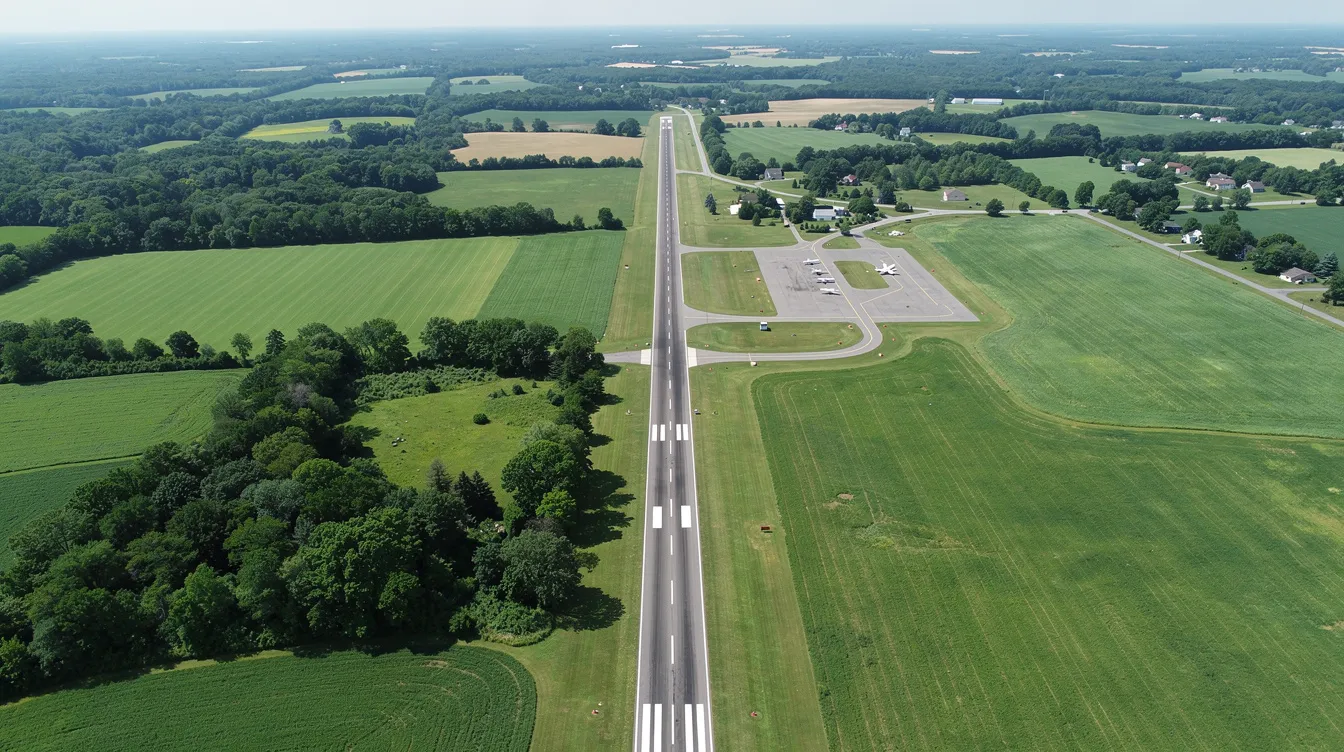
St. Mary's County Regional Airport (2W6) is a key general aviation hub near Leonardtown, MD, offering a 4,150-foot runway and plans for expansion. It serves as a convenient alternative for private flyers, providing access to various aircraft types through Jettly's platform. With its strategic location and growing aviation community, 2W6 caters to both business and leisure travelers, ensuring efficient and flexible travel options.
Jay Franco Serevilla
Aug 15, 2026
|
5
min read

View all
The SCF airport code designates Scottsdale Airport, a premier general aviation facility in Arizona, ideal for private jet travelers. With its strategic location and efficient services, SCF offers significant time savings compared to larger airports like Phoenix Sky Harbor. Jettly's platform simplifies charter bookings, ensuring a seamless travel experience for clients heading to Scottsdale.
Jay Franco Serevilla
Aug 15, 2026
|
5
min read
Explore our latest articles and updates.

5
min read
Fractional Ownership vs Jet Card vs Charter: Which Is Right for You?
This guide compares three private aviation options: fractional ownership, jet cards, and on-demand charter, highlighting their distinct trade-offs in cost, commitment, flexibility, and aircraft consistency. Fractional ownership requires a significant upfront investment and long-term commitment, making it suitable for frequent flyers (100-200+ hours/year) who value consistent access to a specific aircraft. Jet cards offer a more flexible, pay-as-you-go model ideal for moderate flyers (25-100 hours/year) seeking predictable pricing without ownership risks. On-demand charter is the most flexible and cost-effective option for occasional flyers (under 25 hours/year), allowing users to pay only for the flights they take without any long-term commitments.
Read More
5
min read
How Fractional Jet Ownership Works: The Complete Guide
Fractional jet ownership allows individuals or companies to purchase a share of a specific aircraft, typically ranging from 1/16 to 1/2, granting them a proportional number of flight hours annually and access to equivalent aircraft when their own is unavailable. This model provides the benefits of private jet travel, including professional management and operational ease, while reducing the financial burden compared to full ownership. Owners can expect to fly between 50 to 400 hours per year, depending on their share size, and the management company handles all operational aspects under FAA regulations. While fractional ownership requires a significant initial investment and ongoing fees, it offers equity and flexibility, making it suitable for frequent flyers, whereas those flying less may prefer alternatives like jet cards or charter services.
Read MoreJoin our community and receive the latest blog updates directly in your inbox.
MEMBERSHIPS AND ASSOCIATIONS



Disclaimer: Jettly operates as a charter broker, offering access to a global digital jet charter marketplace. Jettly is not a direct air carrier and does not own or operate aircraft. All advertised flights are conducted by third-party air carriers that are fully licensed and hold the appropriate Part 135 or Part 121 certifications issued by the Federal Aviation Administration (FAA) or equivalent regulatory authorities under U.S. or foreign law. Jettly complies fully with the U.S. Department of Transportation's Part 295 and Part 298 Charter Broker regulations. Jettly does not carry additional liability insurance. Passengers are covered by aircraft operator insurance. TICO: 50023770


