


Login
Get Instant Pricing On 23,000+ Aircraft

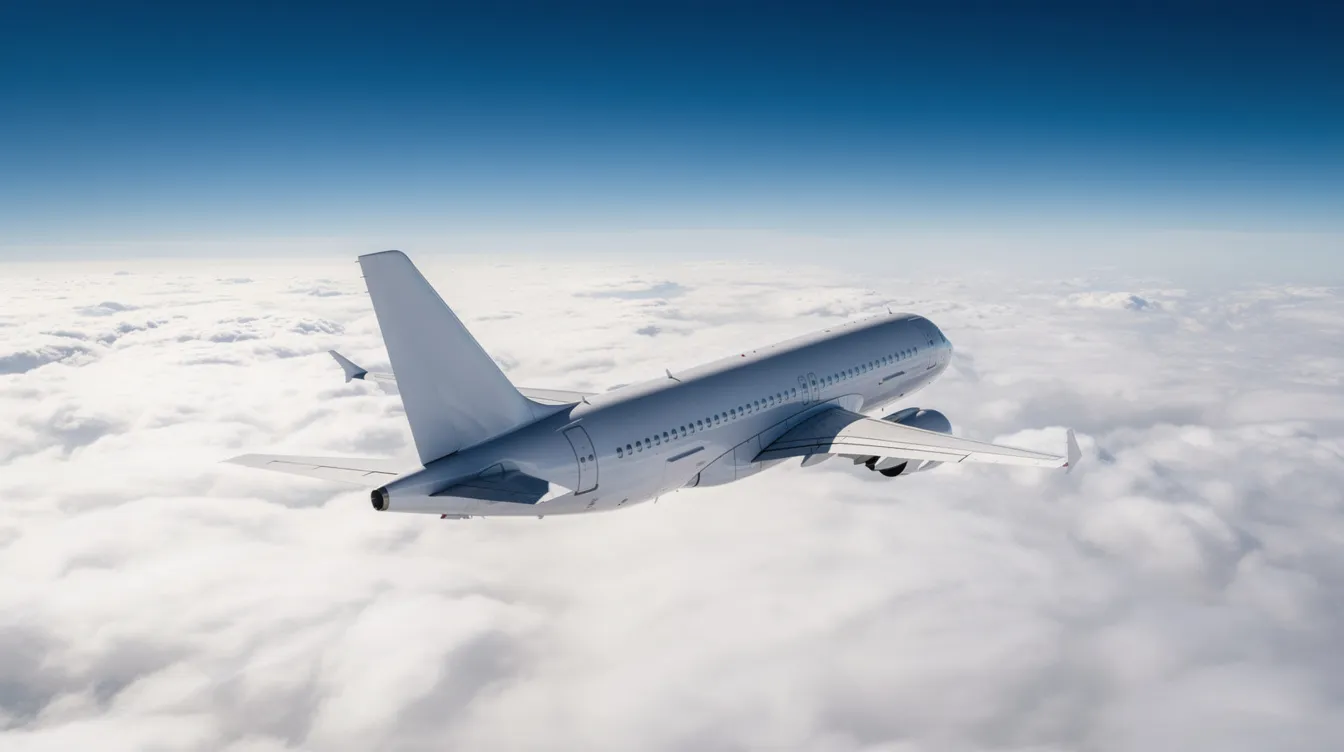
Most commercial planes fly between 9 to 12 km, while private jets can reach up to 15.5 km. The chosen altitude balances fuel efficiency, safety, and passenger comfort. Understanding these heights helps travelers appreciate the dynamics of air travel and optimize their flight experience.
Jay Franco Serevilla
Sep 12, 2026
|
5
min read


View all
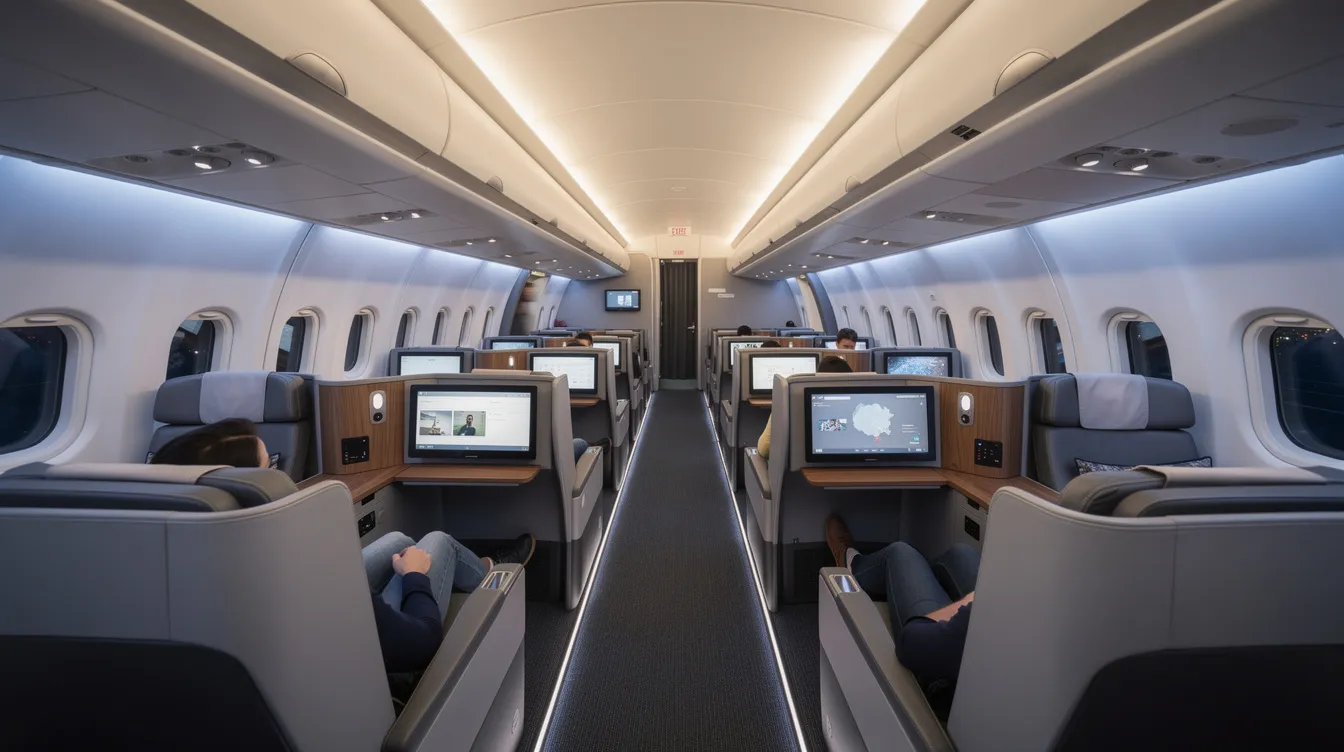
Luxury plane tickets now encompass business class, first class, and private jet charters, offering travelers a range of options and pricing complexities. Jettly provides a digital platform connecting users to over 20,000 aircraft globally, often making private jet charters financially competitive with premium cabin tickets, especially for groups. The guide details the features and costs associated with various classes, highlighting that private jets can save time and offer greater flexibility compared to commercial flights. Ultimately, the best choice depends on group size, schedule flexibility, and personal preferences for comfort and privacy.
Jay Franco Serevilla
Jul 7, 2026
|
5
min read
View all
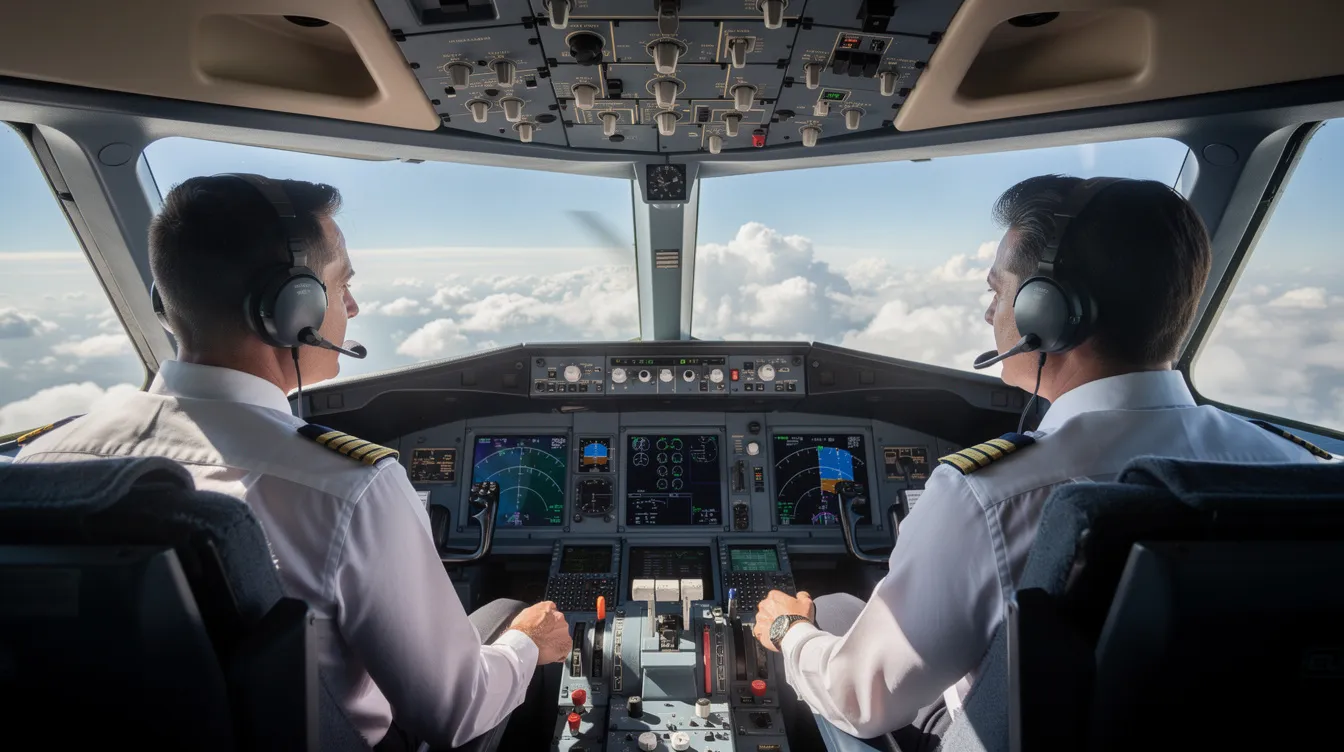
In 2026, co-pilot salaries vary significantly based on airline type, experience, and aircraft, with first-year regional co-pilots earning between $70,000 and $90,000, while those at major airlines can make $100,000 to $155,000, and experienced pilots on widebody aircraft can exceed $200,000. The average salary for co-pilots in the U.S. is approximately $130,916, with potential total compensation reaching up to $450,000 for senior captains. Factors influencing pay include seniority, aircraft type, and airline contracts, with cargo airlines and private jet charters often offering higher compensation. The demand for pilots is expected to remain strong through the 2030s, making co-pilot careers financially rewarding and stable.
Jay Franco Serevilla
Jul 7, 2026
|
5
min read
View all
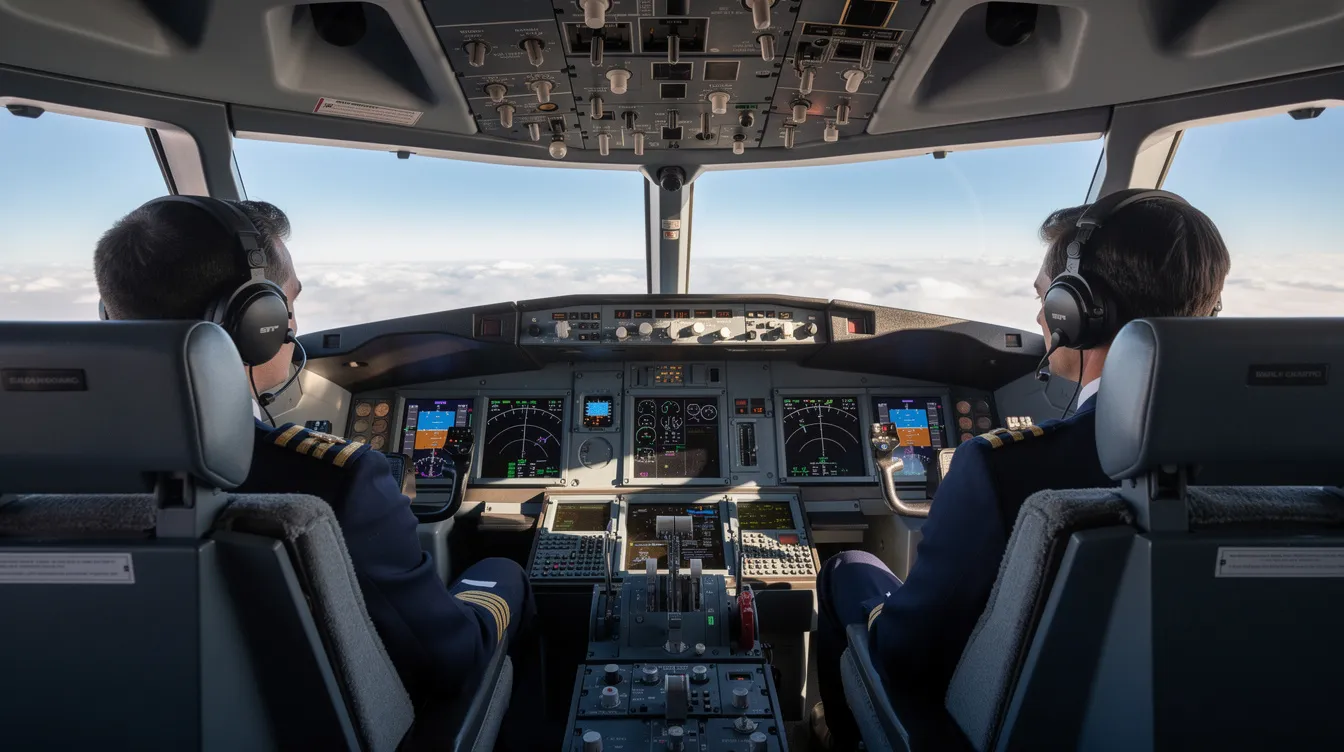
In 2026, airline and commercial pilots are expected to earn significantly higher salaries, with average earnings for airline pilots exceeding $200,000 and experienced pilots at major carriers potentially earning between $300,000 and $450,000 or more. The median annual wage for airline pilots is projected at approximately $226,600, while commercial pilots earn around $122,670. Factors influencing pilot salaries include employer type, aircraft size, rank, and geographic location, with major airlines offering the best compensation packages. Despite high training costs, the strong demand for pilots and rising salaries make pursuing a career in aviation financially attractive.
Jay Franco Serevilla
Jul 7, 2026
|
5
min read
View all
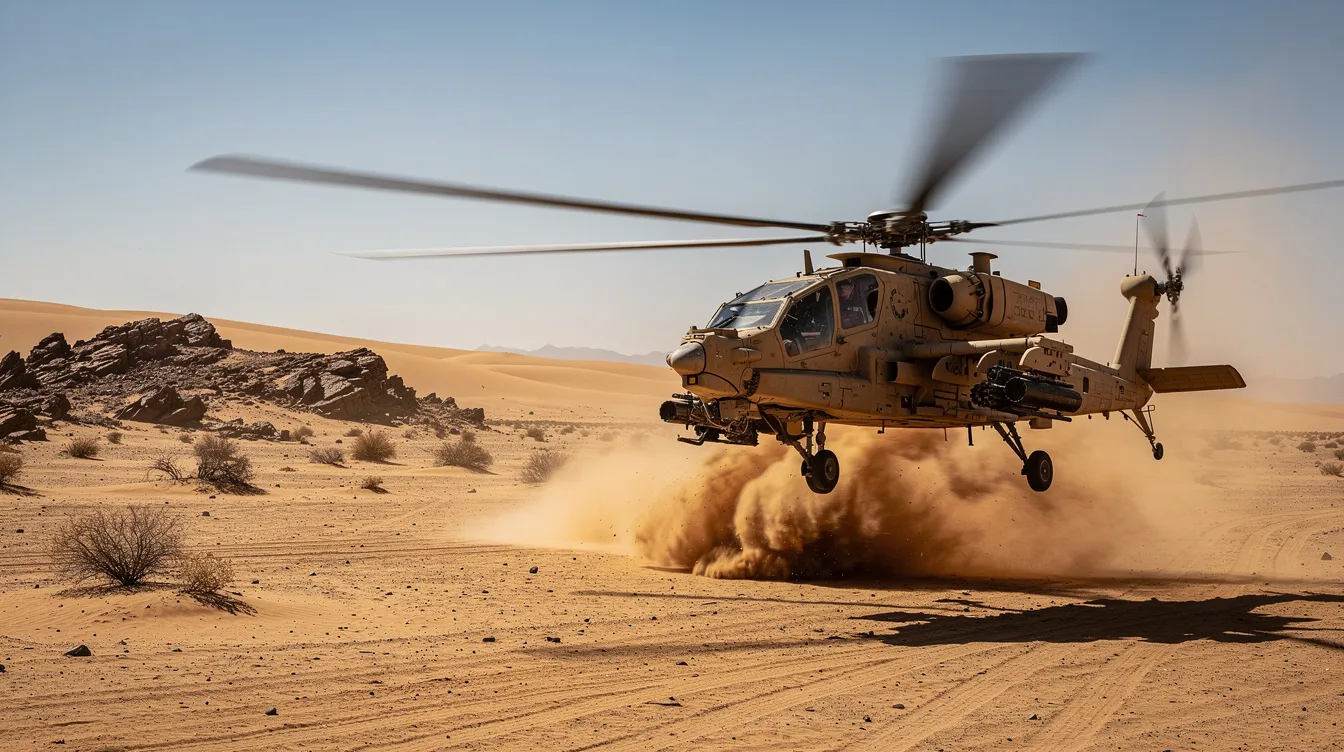
The AH-64 Apache helicopter, a leading attack aircraft, is expected to have a flyaway cost between $35 million and $50 million in 2026, with total program costs potentially exceeding $100 million when including weapons and support packages. Factors influencing its price include advanced avionics, weapons integration, and ongoing modernization efforts, reflecting its combat-proven capabilities and extensive operational history. The Apache's costs have risen significantly since its introduction, with the current AH-64E variant priced around $52 million, driven by sophisticated technology and the need for continuous upgrades. Despite its high price, the Apache's proven effectiveness in combat justifies the investment for many military forces worldwide.
Jay Franco Serevilla
Jul 7, 2026
|
5
min read
View all
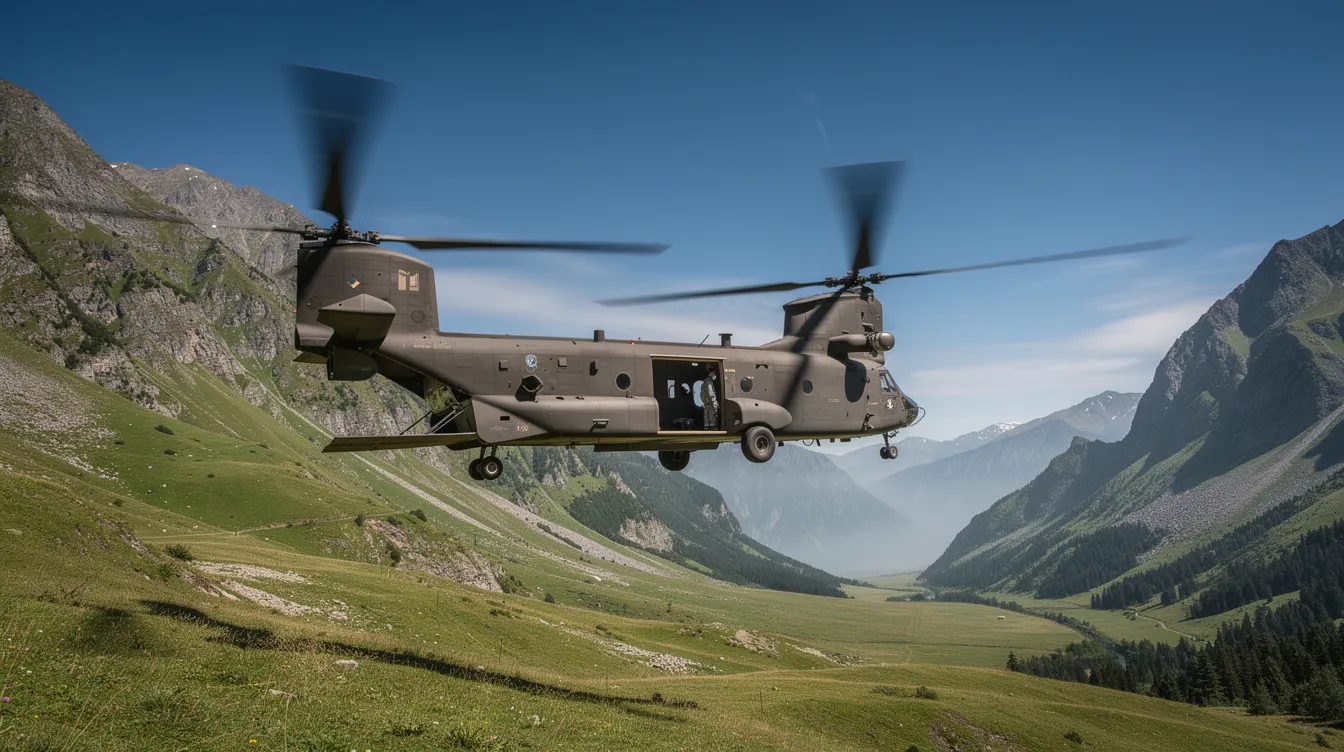
Chinook helicopters for sale primarily consist of surplus CH-47D models, which have been retired from military service and are available for civilian use, while the newer CH-47F variant remains restricted to military and allied governments. The CH-47D models typically sell for $2 to $3.5 million but require significant refurbishment and compliance with regulatory requirements for civilian operation. Buyers must navigate various financial, legal, and operational challenges, making chartering through platforms like Jettly a practical alternative for those needing heavy-lift capabilities without the complexities of ownership. Understanding the market dynamics and operational restrictions is crucial for organizations considering the acquisition or chartering of Chinook helicopters.
Jay Franco Serevilla
Jul 7, 2026
|
5
min read
View all
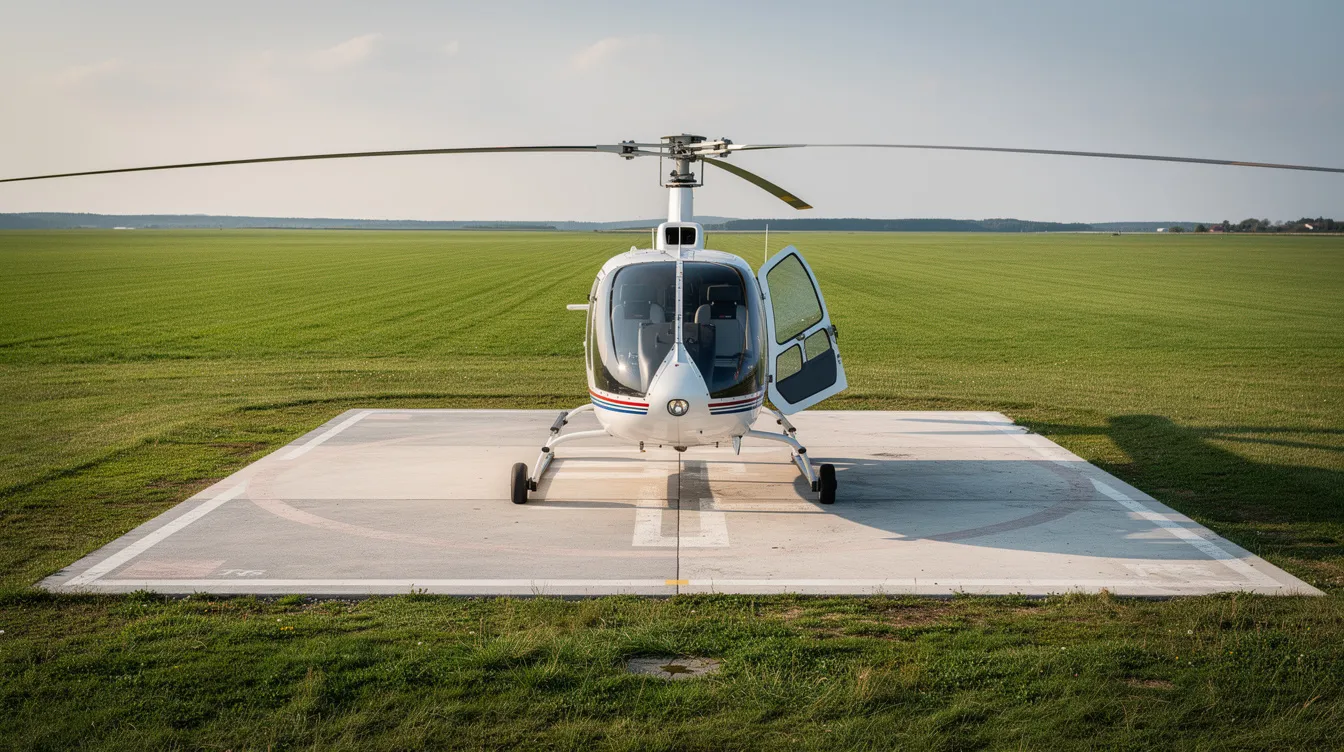
The Robinson R22 is a compact, two-seat light helicopter widely recognized for its role in pilot training since its production began in 1979, with over 4,800 units delivered by 2019. It features a 124-hp Lycoming O-320 engine, a maximum takeoff weight of 1,370 lbs, and is known for its low operating costs and mechanical simplicity, making it ideal for flight schools and utility work. While the R22 is not suitable for luxury charter due to its basic design and limited capacity, it serves as a foundational training aircraft for many pilots who later transition to turbine helicopters and private jets. Overall, the R22's affordability and performance have solidified its place in aviation, particularly for aspiring pilots.
Jay Franco Serevilla
Jul 7, 2026
|
5
min read
Explore our latest articles and updates.
5
min read
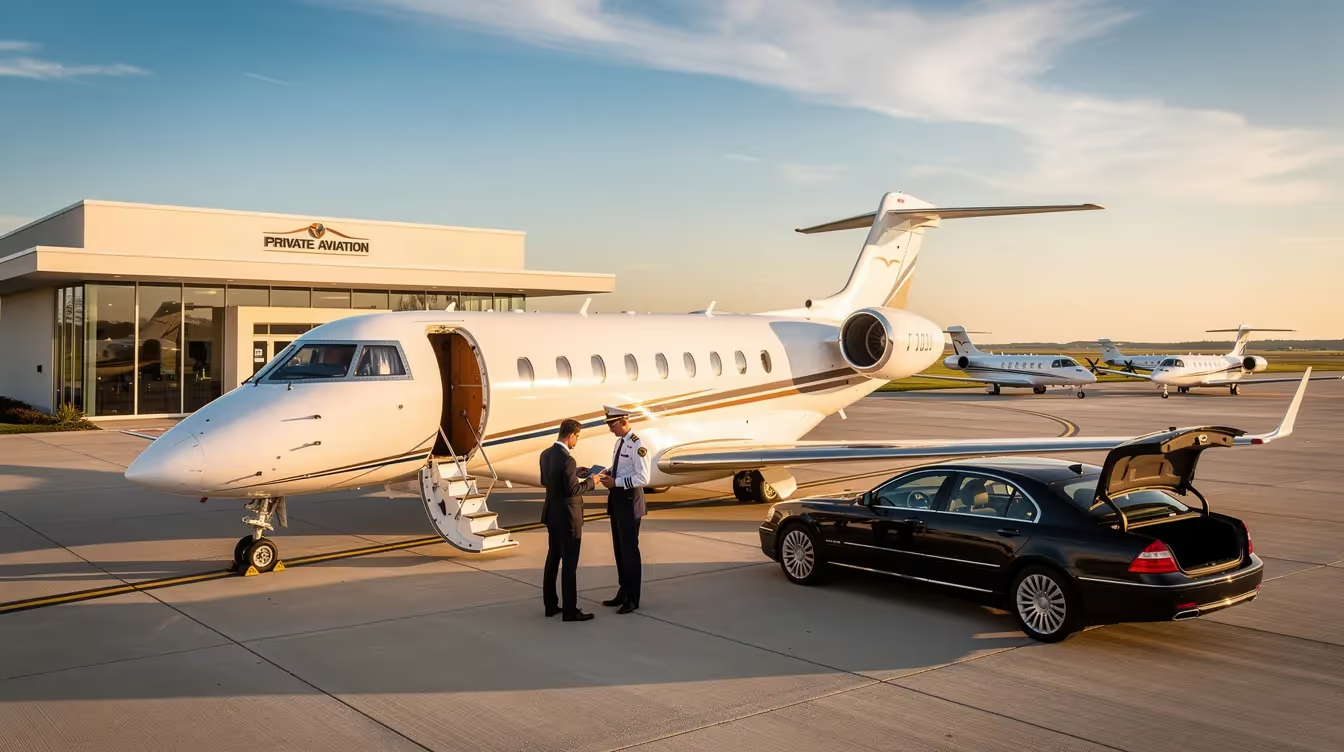
The Private Jets of Celebrities: Ownership, Popular Models, and Environmental Impact
Celebrity private jets serve as both logistical solutions and status symbols, providing efficiency, privacy, and branding opportunities for high-profile individuals. While ownership can offer control and customization, many celebrities prefer flexible access models like leasing or chartering due to the high operational costs and public scrutiny associated with ownership. The environmental impact of private aviation has come under increasing scrutiny, with private jets emitting significantly more CO2 per passenger than commercial flights, prompting discussions about sustainability in the industry. As technology advances and the demand for responsible travel grows, the future of celebrity aviation will likely focus on balancing luxury with environmental consciousness.
Read More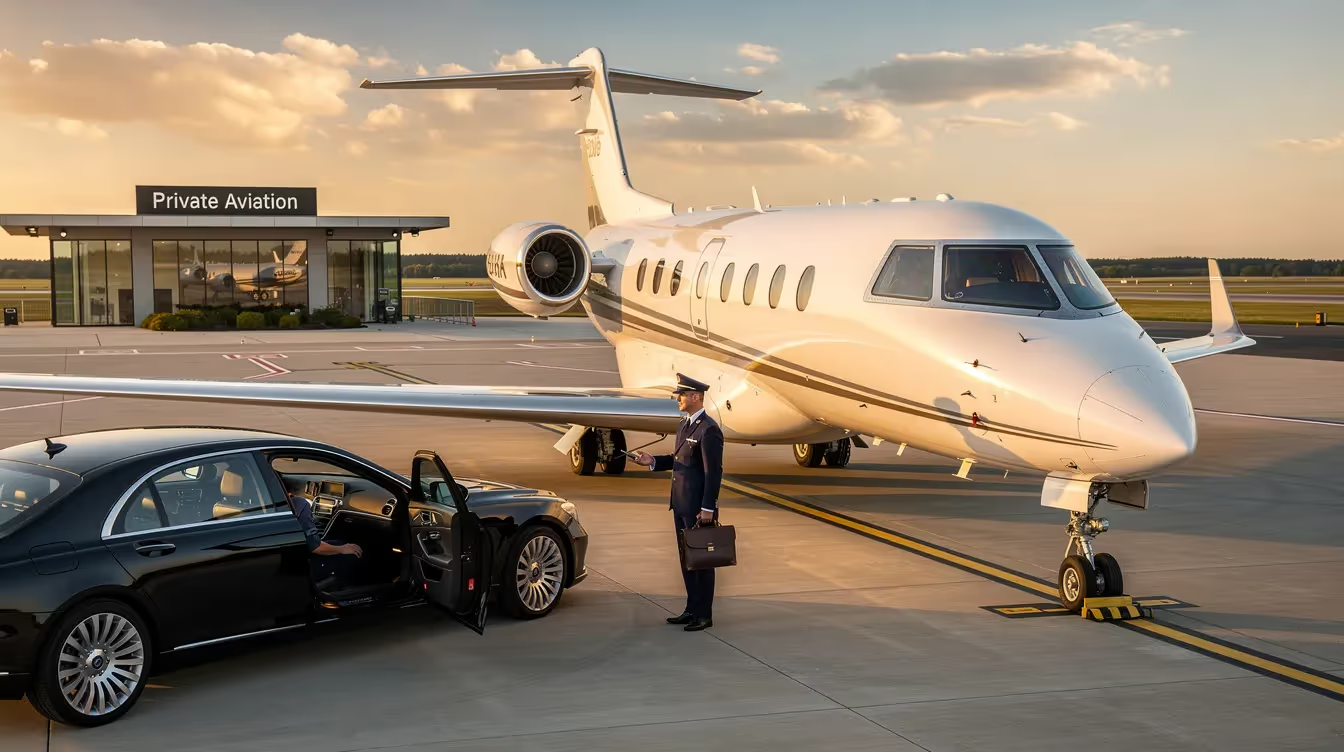
5
min read
Saudia Private Aviation: Aircraft Charter, Ground Handling, and Operations in Saudi Arabia
Saudia Private Aviation (SPA), the private branch of Saudi Arabian Airlines, specializes in aircraft charter, ground handling, and operational support throughout Saudi Arabia, with its headquarters in Jeddah. Founded in 2009, SPA has positioned itself as a premier provider of luxury private aviation services, catering to high-profile clients including royalty and government officials, and is aligned with Saudi Arabia's Vision 2030 to enhance the country's aviation sector. The company operates a diverse fleet and a network of state-of-the-art Fixed Base Operators (FBOs) in major cities, emphasizing a high-touch customer experience with 24/7 support and tailored services. As the private aviation market in Saudi Arabia evolves, SPA's comprehensive offerings and strategic partnerships position it as a key player in this growing sector.
Read MoreJoin our community and receive the latest blog updates directly in your inbox.
MEMBERSHIPS AND ASSOCIATIONS



Disclaimer: Jettly operates as a charter broker, offering access to a global digital jet charter marketplace. Jettly is not a direct air carrier and does not own or operate aircraft. All advertised flights are conducted by third-party air carriers that are fully licensed and hold the appropriate Part 135 or Part 121 certifications issued by the Federal Aviation Administration (FAA) or equivalent regulatory authorities under U.S. or foreign law. Jettly complies fully with the U.S. Department of Transportation's Part 295 and Part 298 Charter Broker regulations. Jettly does not carry additional liability insurance. Passengers are covered by aircraft operator insurance. TICO: 50023770


