


Login
Get Instant Pricing On 23,000+ Aircraft


The leading fractional jet ownership providers in the U.S. are NetJets, Flexjet, PlaneSense, and Airshare, each offering distinct fleet models, pricing structures, and service approaches. NetJets is the largest provider, known for its extensive fleet and global reach, making it ideal for high-utilization travelers, while Flexjet emphasizes premium service and cabin design for those seeking a more personalized experience. PlaneSense focuses on turboprop and light jet efficiency for regional travel, and Airshare offers a day-based model suited for multi-leg itineraries in the central U.S. Prospective owners should carefully evaluate each provider's strengths, limitations, and cost structures to find the best fit for their travel needs.
Jeff Ryan Serevilla
May 17, 2026
|
5
min read


View all
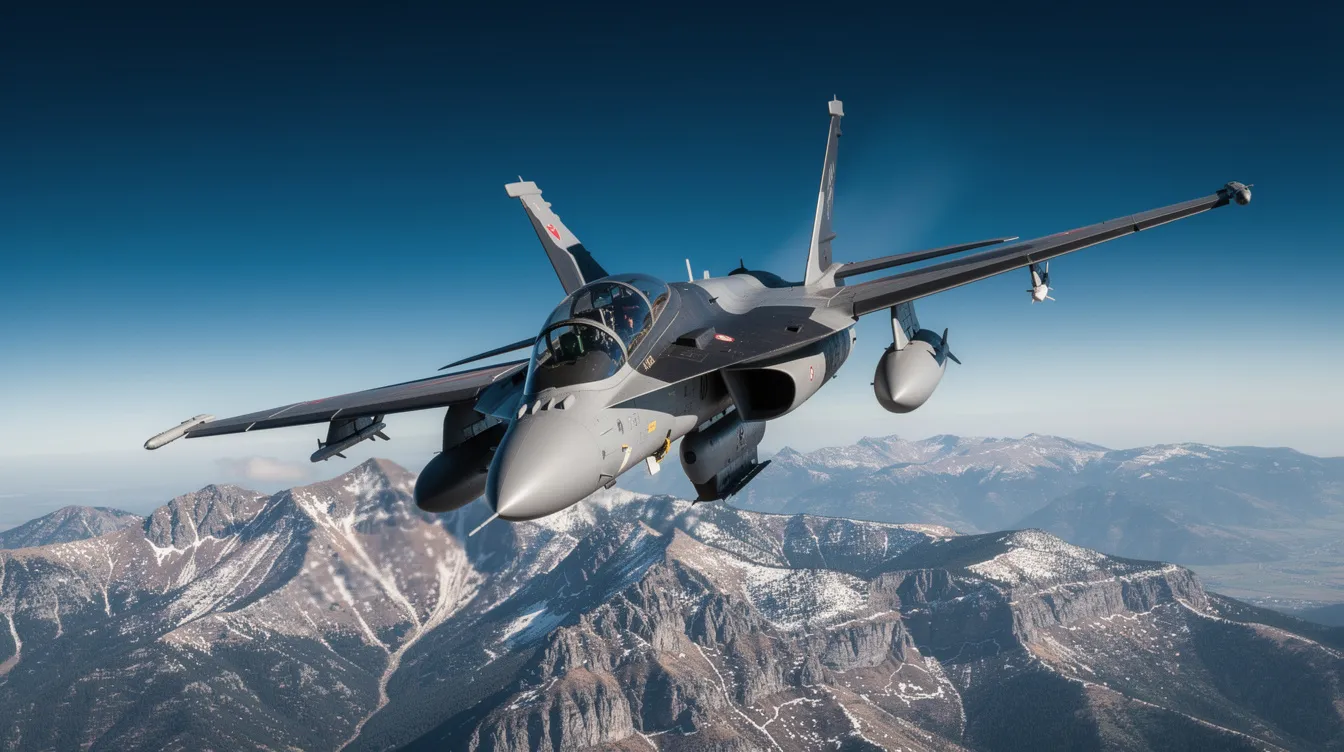
Getting a ride in a fighter jet is an exhilarating experience available to civilians worldwide. This guide outlines how to book a flight, what to expect during the ride, and the various options available, from aerobatic flights to air combat simulations. With no prior aviation experience required, anyone can enjoy the thrill of flying in a retired military jet under the guidance of certified pilots.
Jay Franco Serevilla
Oct 11, 2026
|
5
min read
View all
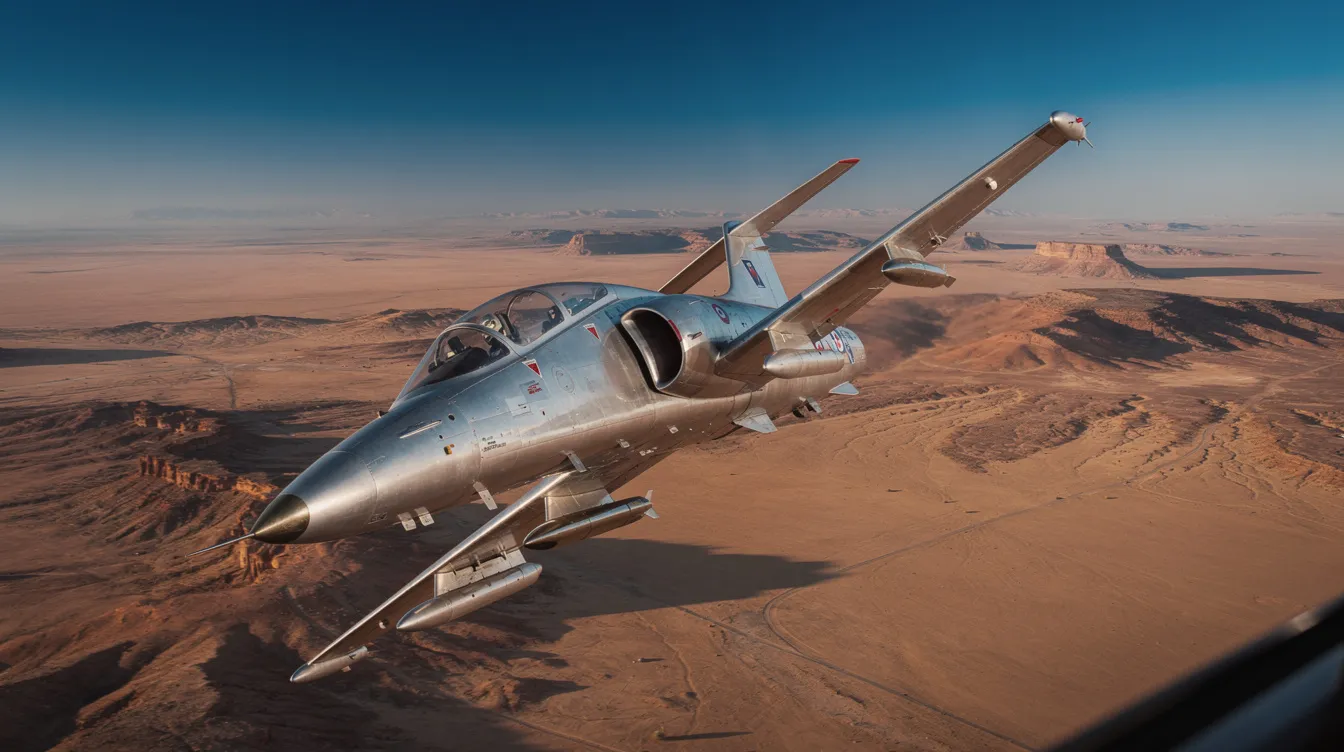
Flying a fighter jet is a thrilling experience that can range from $2,500 for a brief trainer ride to over $35,000 for a supersonic mission. This guide details the costs, aircraft types, and factors influencing pricing, helping aviation enthusiasts plan their dream flight. Whether you're seeking a short orientation or an adrenaline-pumping aerobatic mission, understanding these costs is essential for budgeting your adventure.
Jay Franco Serevilla
Oct 11, 2026
|
5
min read

View all
Military jets play crucial roles in modern aviation, ranging from fighter jets to bombers and trainers, each designed for specific missions. The evolution from early subsonic designs to advanced fifth-generation fighters showcases significant technological advancements that have transformed air combat. Innovations in military aviation also benefit civilian and business aviation, enhancing safety and performance.
Jay Franco Serevilla
Oct 11, 2026
|
5
min read
View all
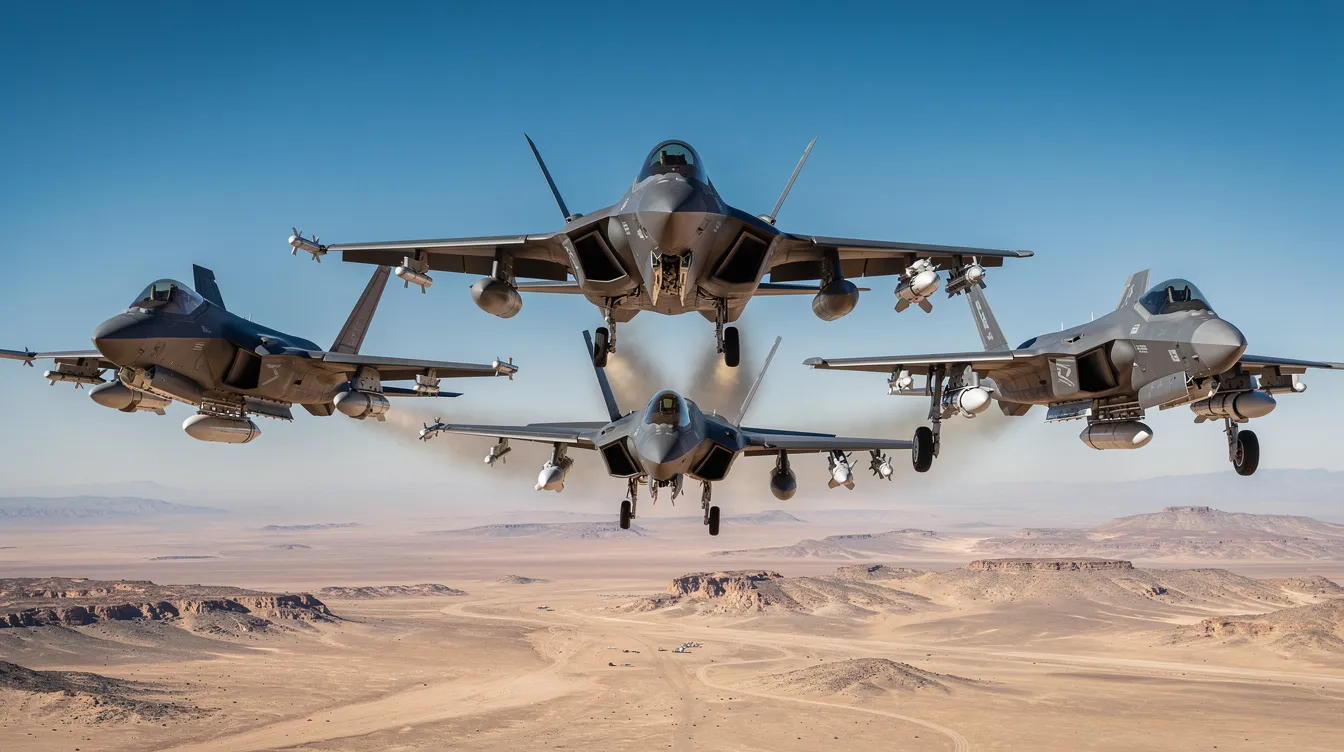
The U.S. military operates approximately 3,300 fighter and attack jets, making it the largest military aviation force globally. This fleet includes advanced fifth-generation fighters and a robust bomber inventory, reflecting the U.S.'s significant air power capabilities. As the military transitions to newer aircraft, the influence of military aviation extends into the private sector, enhancing private jet travel options.
Jay Franco Serevilla
Oct 11, 2026
|
5
min read

View all
Understanding the most expensive day to fly can help travelers save money on flights. Sundays are typically the priciest for commercial airlines, while private jet pricing varies based on demand and events. This guide offers insights on when to fly, how airlines price tickets, and strategies to avoid peak prices.
Jay Franco Serevilla
Oct 11, 2026
|
5
min read
View all
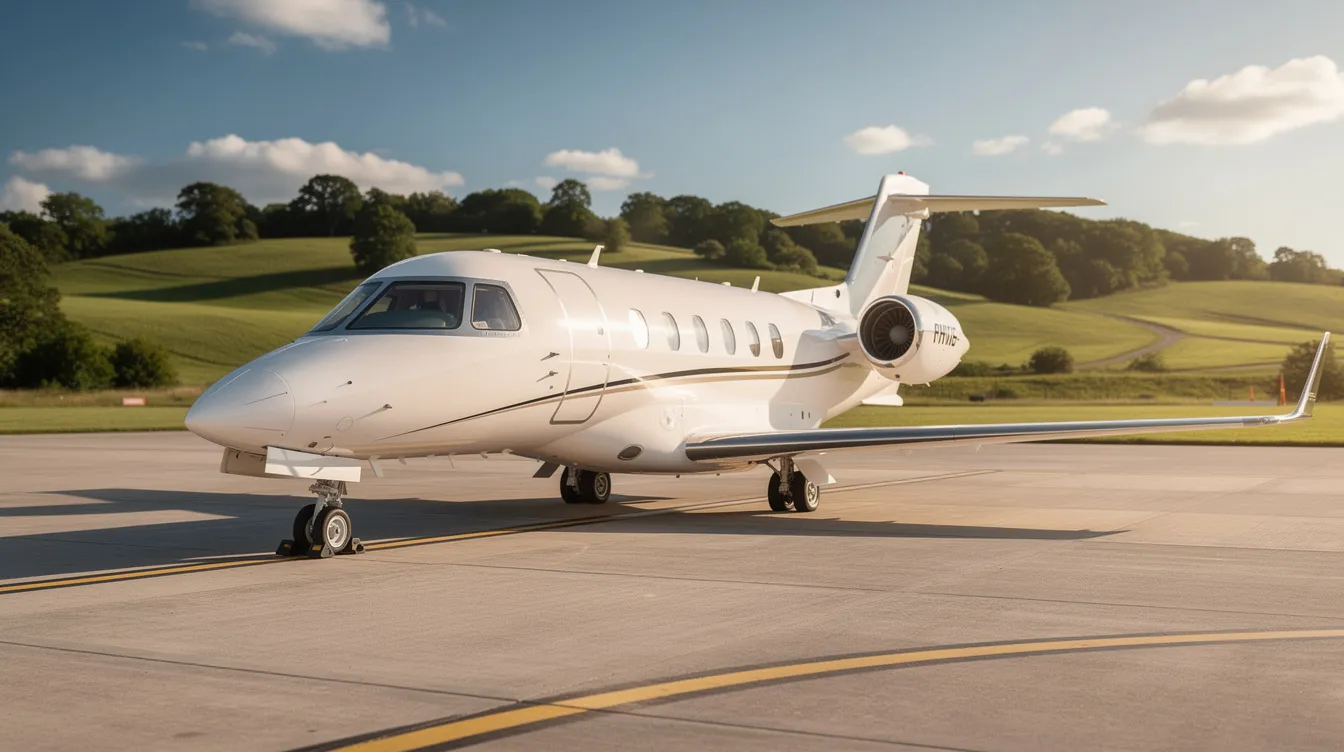
In 2026, private jet hourly rates range from $2,300 for turboprops to $23,000 for VIP airliners. This guide details the factors influencing these rates, including aircraft type, route complexity, and additional fees. Understanding these elements can help travelers budget effectively and find the best options for their needs.
Jay Franco Serevilla
Oct 11, 2026
|
5
min read
Explore our latest articles and updates.

5 minutes
min read
Private Jet Card Programs vs. Private Jet Fractional Ownership – What Makes the Most Sense?
This blog post compares the benefits and commitments of jet card programs and private jet fractional ownership. Jet card programs offer flexibility with short-term commitments and are ideal for those who plan trips in advance. On the other hand, private jet fractional ownership provides more reliable availability with long-term contracts, making it suitable for frequent travelers with unpredictable schedules. Ultimately, the choice depends on one's travel frequency and the need for reliability versus cost savings.
Read More5 minutes
min read
Helicopter Range: How Far Can They Fly? Types & Factors Explained
This blog explores the diverse range capabilities of helicopters, highlighting variations from civilian models to advanced military designs. It discusses the factors that influence a helicopter's effective range, including engine type and operational requirements, while noting recent technological advancements. Innovations in fuel systems and aerodynamics are leading to significant improvements, as exemplified by the Bell V-280 Valor. Ultimately, understanding these range limitations is crucial for safe operations and enhances the appreciation of helicopter versatility in various fields.
Read MoreJoin our community and receive the latest blog updates directly in your inbox.
MEMBERSHIPS AND ASSOCIATIONS



Disclaimer: Jettly operates as a charter broker, offering access to a global digital jet charter marketplace. Jettly is not a direct air carrier and does not own or operate aircraft. All advertised flights are conducted by third-party air carriers that are fully licensed and hold the appropriate Part 135 or Part 121 certifications issued by the Federal Aviation Administration (FAA) or equivalent regulatory authorities under U.S. or foreign law. Jettly complies fully with the U.S. Department of Transportation's Part 295 and Part 298 Charter Broker regulations. Jettly does not carry additional liability insurance. Passengers are covered by aircraft operator insurance. TICO: 50023770


