



Login
Get Instant Pricing On 23,000+ Aircraft

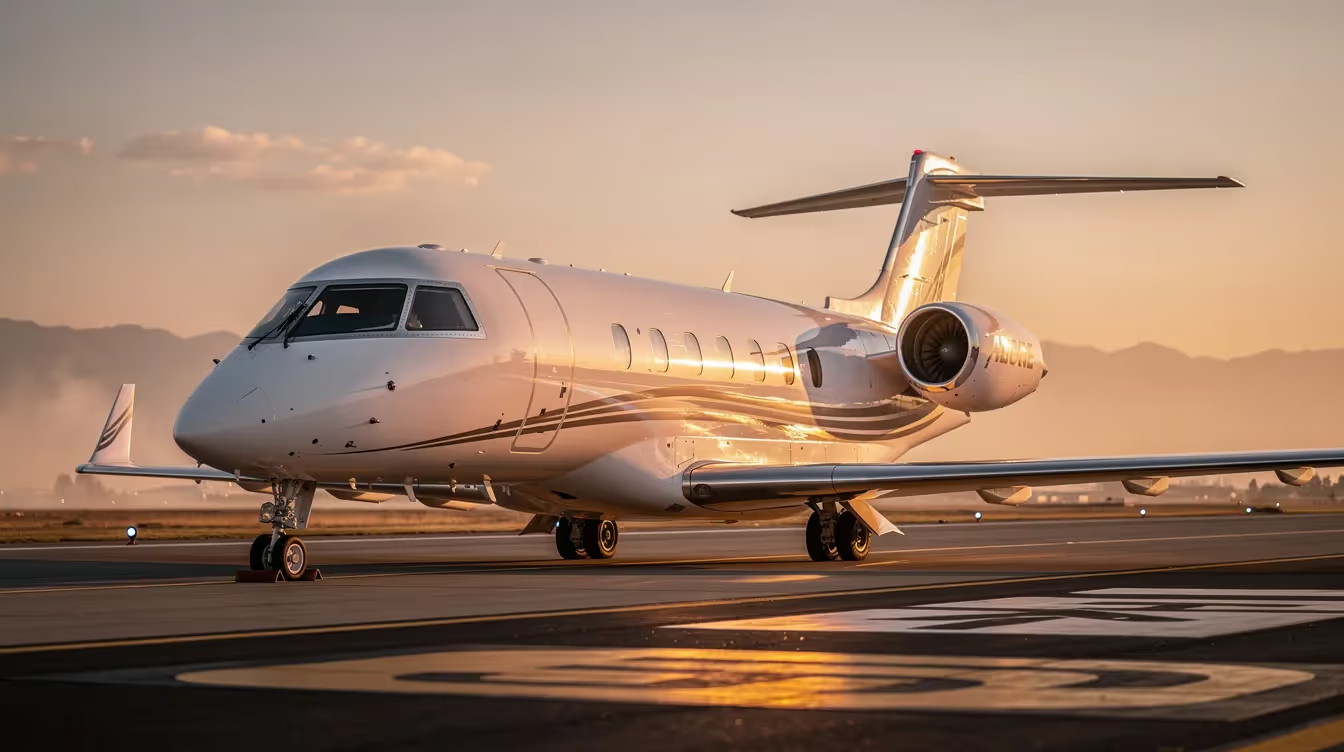
San Juan's two main airports, Luis Muñoz Marín International Airport (SJU) and Fernando Luis Ribas Dominicci Airport (SIG), cater to different travel needs, with SJU serving as the primary international gateway and handling 90% of Puerto Rico's air traffic, while SIG focuses on regional flights and private charters. SJU offers extensive commercial and private jet services, featuring multiple terminals and a robust infrastructure, whereas SIG provides quicker access to downtown San Juan and is ideal for short hops to nearby islands. Jettly facilitates private jet bookings to both airports, allowing travelers to compare options based on their itinerary and aircraft requirements. Understanding the distinct advantages of each airport can help travelers optimize their travel plans in and around Puerto Rico.
Jay Franco Serevilla
May 4, 2026
|
5
min read



View all
Knowing when to buy a flight ticket can save you money and enhance your travel experience. This guide provides insights into optimal booking windows for domestic and international flights, as well as tips for using price tracking tools and understanding dynamic pricing. By planning ahead and utilizing available resources, travelers can secure the best deals and enjoy a smoother journey.
Jay Franco Serevilla
Oct 13, 2026
|
5
min read
View all
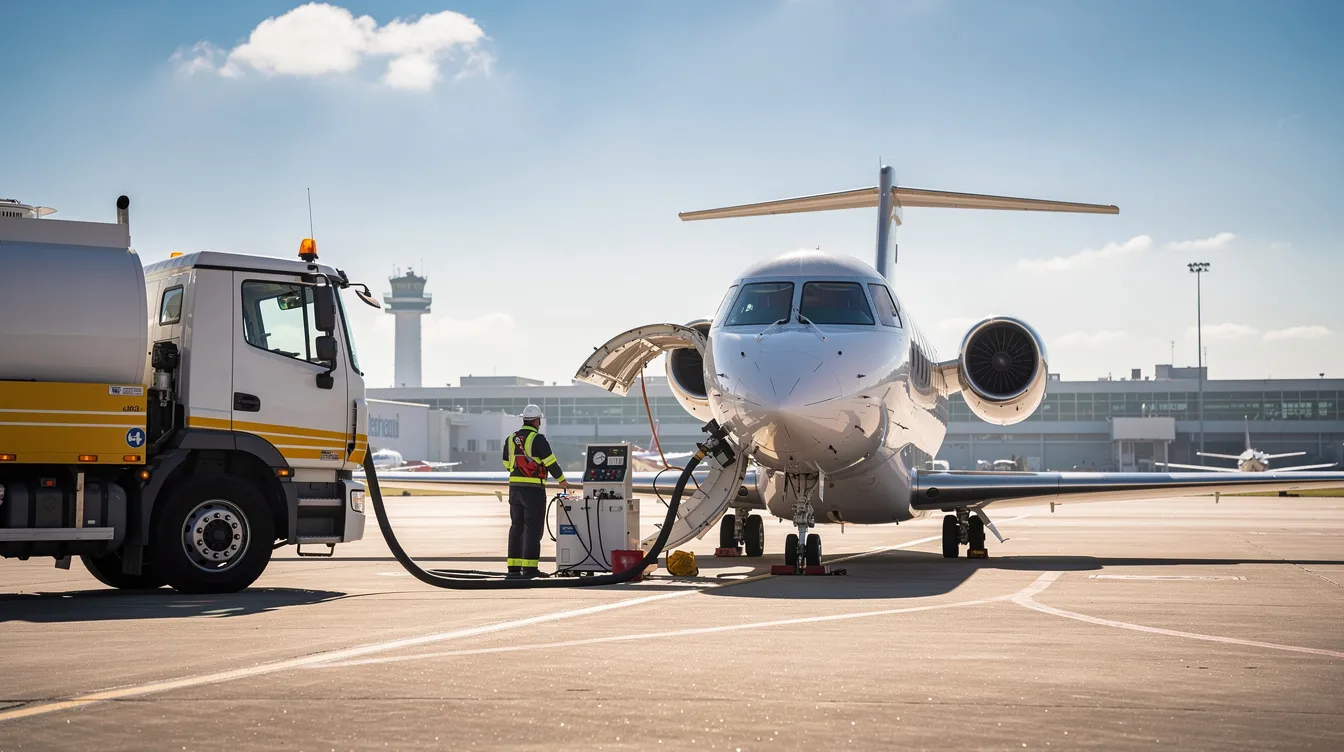
Understanding the types of jet fuel is crucial for private jet travelers. Kerosene-based fuels like Jet A and Jet A-1 are the industry standards, impacting safety, performance, and costs. Specialized fuels cater to extreme conditions, while sustainable aviation fuels are emerging as a greener alternative.
Jay Franco Serevilla
Oct 13, 2026
|
5
min read
View all
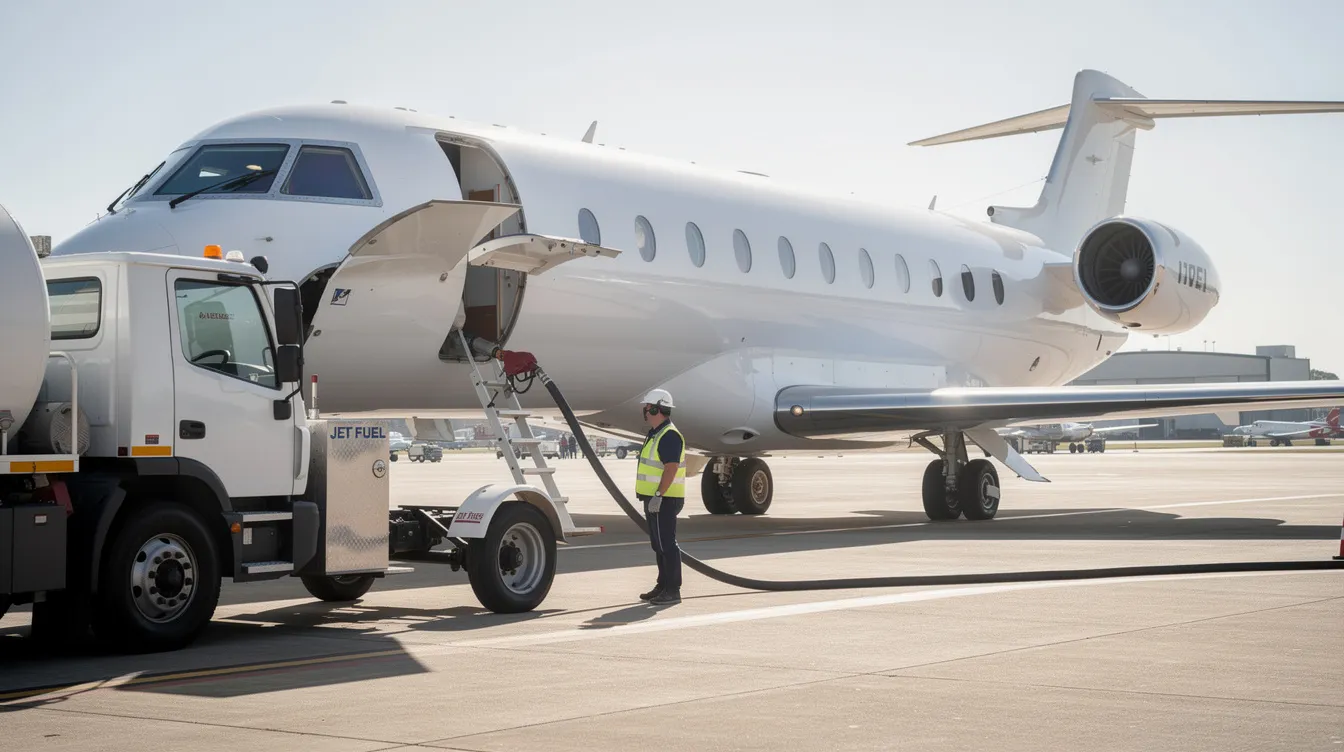
Aviation fueling is a critical process for private jets, ensuring safety and efficiency through stringent regulations and quality checks. This guide explores the types of aviation fuels, the fueling process, and the importance of proper fuel management for charter flights. Understanding these elements is essential for travelers to appreciate how they impact flight safety, range, and costs.
Jay Franco Serevilla
Oct 13, 2026
|
5
min read

View all
Knowing when to book international flights can save you significant money. Generally, aim to book 3 to 6 months in advance for economy fares, and 6 to 9 months for peak seasons. Understanding the best booking windows and seasonal trends is crucial for securing the best deals.
Jay Franco Serevilla
Oct 13, 2026
|
5
min read
View all
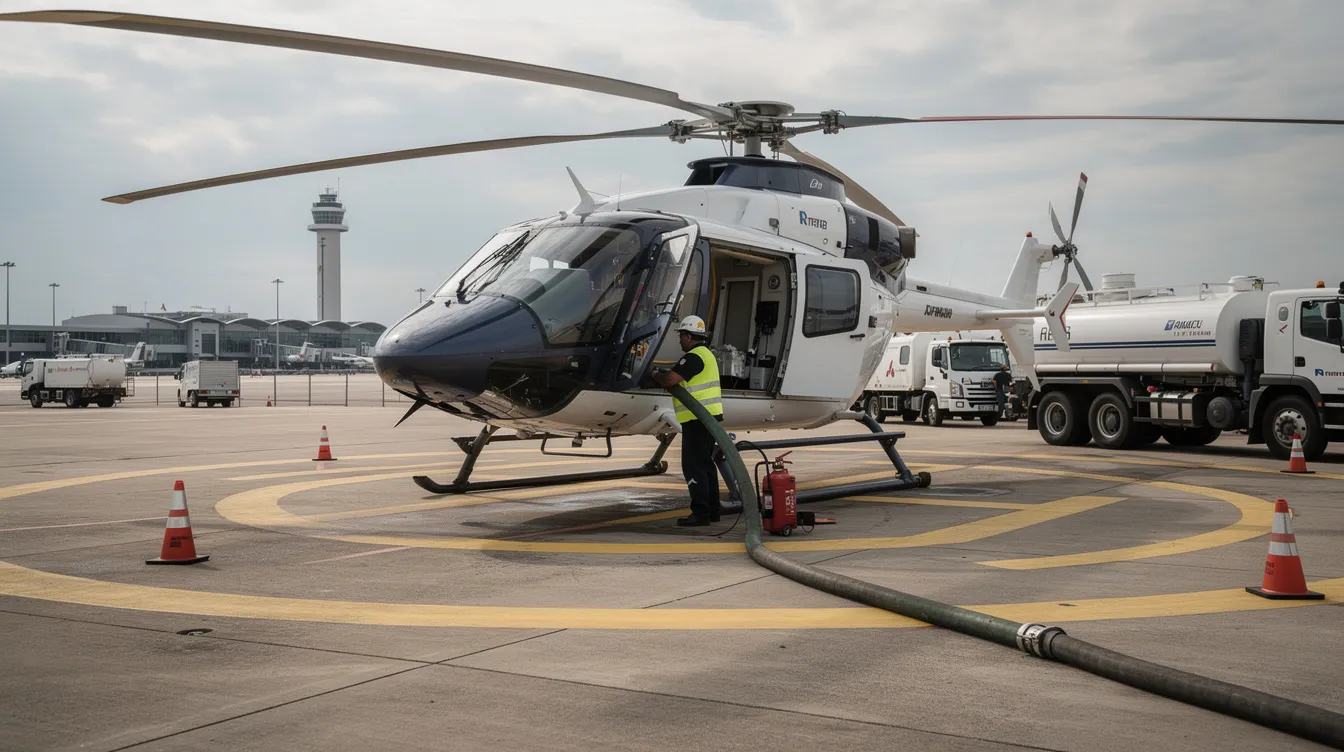
Helicopters primarily use two types of fuel: aviation gasoline (AvGas) for piston engines and kerosene-based jet fuel for turbine engines. Understanding the fuel type is crucial as it affects operating costs, range, and availability at heliports, which are important factors for private flyers. With the rise of sustainable aviation fuels, the industry is also moving towards greener options without compromising performance.
Jay Franco Serevilla
Oct 13, 2026
|
5
min read
View all
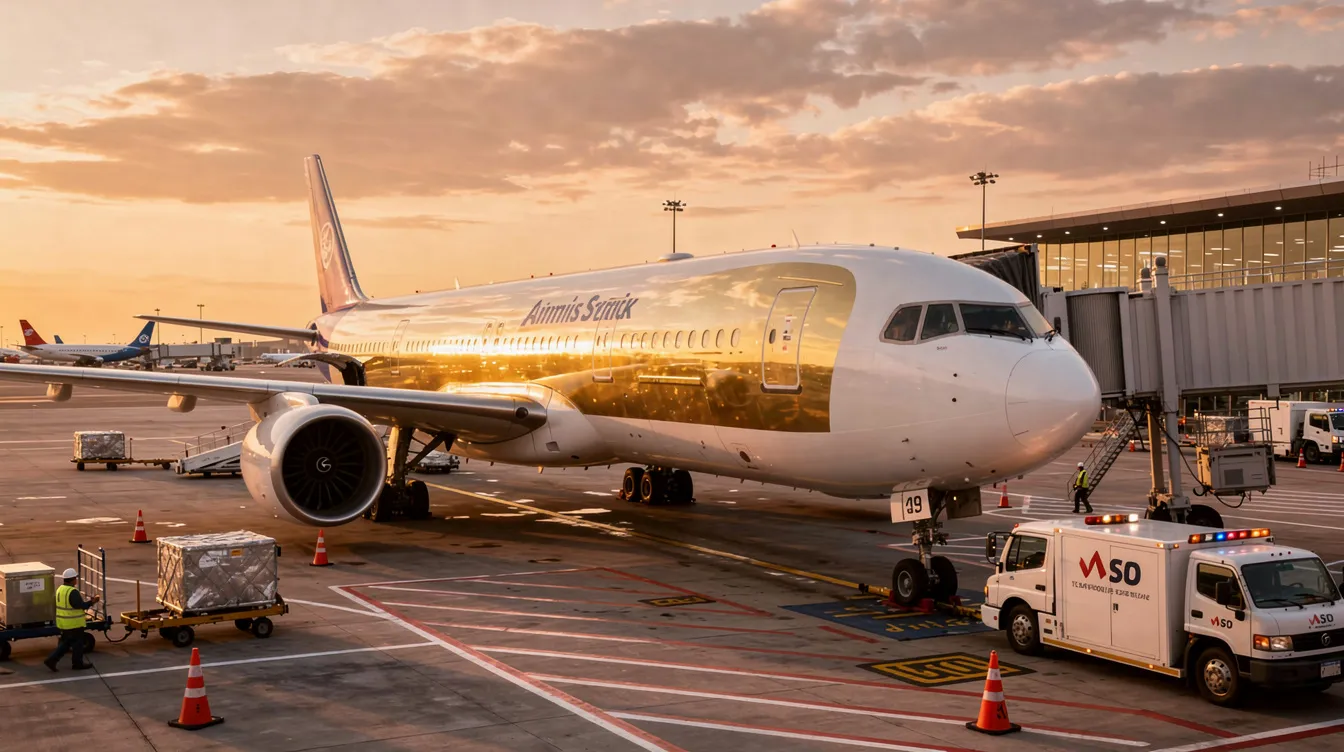
The belief that airline tickets are cheaper on Tuesdays is largely a myth in 2026, as prices are now set dynamically based on various factors. Booking windows, travel days, and demand patterns play a more significant role in determining airfare than the specific day of the week. Travelers should focus on flexible booking strategies and timing rather than chasing specific days for the best deals.
Jay Franco Serevilla
Oct 13, 2026
|
5
min read
Explore our latest articles and updates.

5
min read
How Fast Do Jet Airliners Fly? Exploring Typical Speeds, Influencing Factors, and Comparisons with Private Jets
Modern jet airliners typically cruise at speeds between 550 and 600 mph (Mach 0.85 to 0.90), while private jets may operate at similar or slightly higher speeds but can save time by avoiding hub airports and delays. Factors such as aircraft design, altitude, wind conditions, and regulatory limits influence actual flight speeds. Despite advancements in technology, commercial airliner speeds have remained relatively stable due to economic and environmental considerations. Understanding these dynamics helps travelers make informed choices between commercial and private aviation options.
Read More
5
min read
Jet Aircraft Price: What It Really Costs to Fly, Rent, or Own in 2026
In 2026, the cost of jet aircraft varies significantly, with new private jets priced from $2 million for very light jets to over $400 million for customized VIP airliners, while charter rates range from $1,500 to $28,000 per hour based on aircraft type. For most business travelers, chartering is more economical than ownership, especially for those flying fewer than 200-300 hours annually, as ownership entails substantial fixed and variable costs. Jettly, a digital private jet charter platform, offers a transparent marketplace for on-demand bookings, allowing users to compare costs and access over 20,000 aircraft globally. Key strategies for reducing costs include choosing the right aircraft size, being flexible with travel times, and utilizing empty leg flights.
Read MoreJoin our community and receive the latest blog updates directly in your inbox.
MEMBERSHIPS AND ASSOCIATIONS



Disclaimer: Jettly operates as a charter broker, offering access to a global digital jet charter marketplace. Jettly is not a direct air carrier and does not own or operate aircraft. All advertised flights are conducted by third-party air carriers that are fully licensed and hold the appropriate Part 135 or Part 121 certifications issued by the Federal Aviation Administration (FAA) or equivalent regulatory authorities under U.S. or foreign law. Jettly complies fully with the U.S. Department of Transportation's Part 295 and Part 298 Charter Broker regulations. Jettly does not carry additional liability insurance. Passengers are covered by aircraft operator insurance. TICO: 50023770


