



Login
Get Instant Pricing On 23,000+ Aircraft

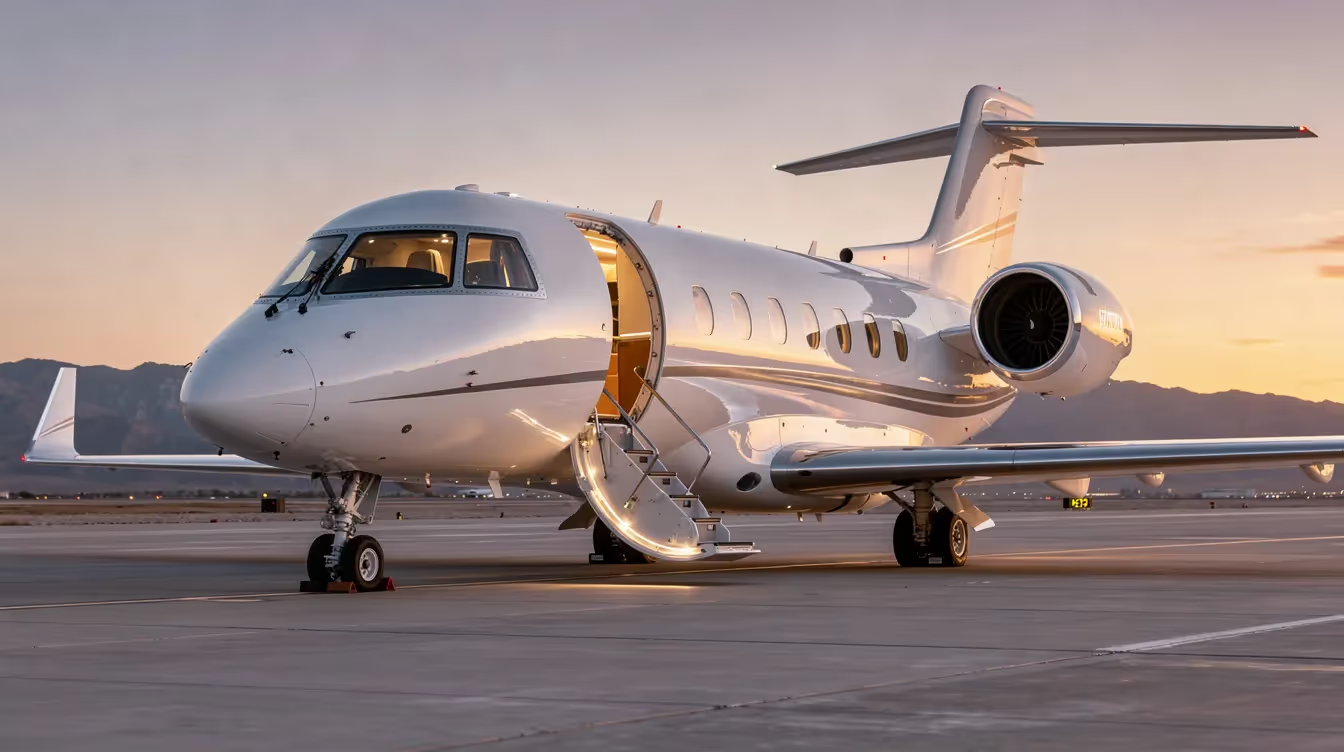
Understanding the difference between planes and jets is crucial for travelers in private aviation, as jets are specifically powered by jet engines and designed for higher speeds and longer distances compared to propeller planes. Jets excel in long-haul travel, typically cruising at 400–600+ mph and accessing a wider range of airports, while turboprops are more efficient for short regional flights. Platforms like Jettly offer access to over 20,000 aircraft, allowing travelers to easily compare options based on their specific needs, such as distance, budget, and airport access. Ultimately, choosing the right aircraft depends on factors like trip duration, passenger count, and desired flexibility.
Jay Franco Serevilla
May 6, 2026
|
5
min read


View all
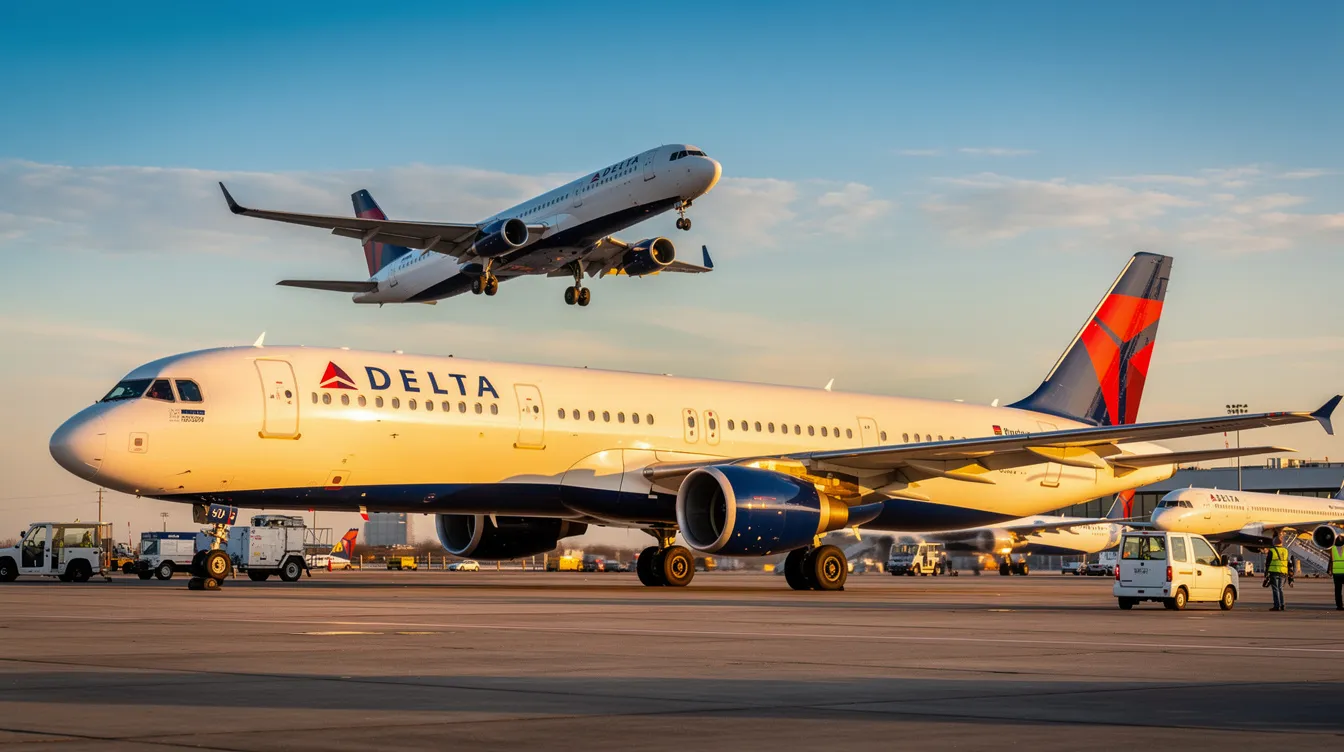
Delta Air Lines boasts one of the largest fleets in the world, featuring over 1,000 aircraft from Airbus and Boeing. This article explores Delta's fleet history, current aircraft, and the advantages of private jet charters for travelers seeking flexibility and privacy. Discover how Delta's evolution from historic jets to modern fuel-efficient models shapes the aviation landscape today.
Jay Franco Serevilla
Oct 17, 2026
|
5
min read
View all
This comprehensive aircraft charter guide provides essential insights on how to choose, book, and fly with confidence using Jettly's digital platform. It covers various jet categories, the charter process, and highlights the benefits of private aviation for both personal and business travel. With access to over 20,000 aircraft and transparent pricing, Jettly simplifies the charter experience for travelers.
Jay Franco Serevilla
Oct 14, 2026
|
5
min read

View all
This guide explores the landscape of private jet ownership, highlighting famous owners like Oprah Winfrey and Prince Al Waleed bin Talal. It also discusses the advantages of private jet charter services, such as Jettly, which provide flexible access to a wide range of aircraft without the burdens of ownership. Understanding the different models of private jet access can help travelers make informed decisions about their flying needs.
Jay Franco Serevilla
Oct 14, 2026
|
5
min read
View all
Jettly simplifies private charter flights, offering travelers on-demand access to over 20,000 aircraft worldwide. With flexible scheduling and transparent pricing, it caters to business, family, and group travel needs, ensuring a seamless experience from booking to arrival.
Jay Franco Serevilla
Oct 14, 2026
|
5
min read
View all
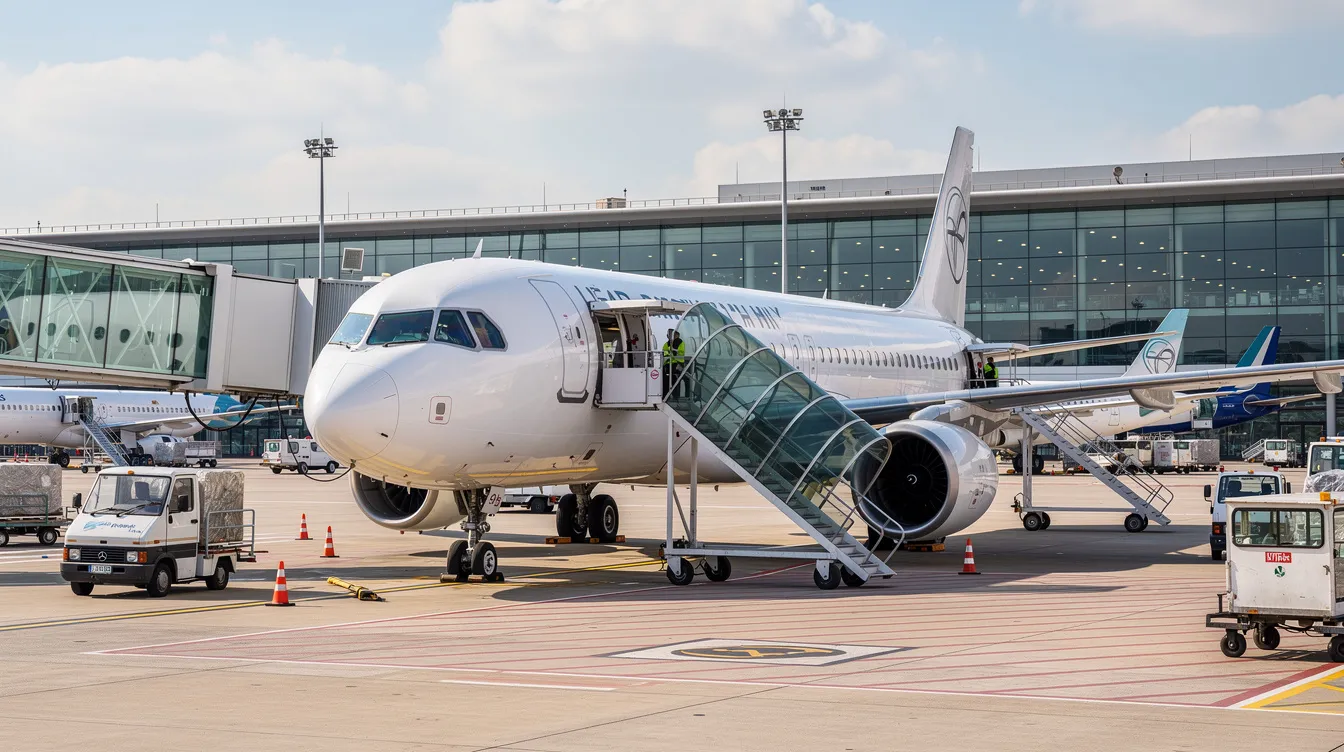
The Boeing 737 is a versatile aircraft with a passenger capacity ranging from 85 to 230, depending on the variant and layout. Most commonly, the 737-800 and 737 MAX models accommodate between 162 and 200 passengers. This guide details the seating capacities across different generations and compares them to private jet options for tailored travel experiences.
Jay Franco Serevilla
Oct 14, 2026
|
5
min read
View all
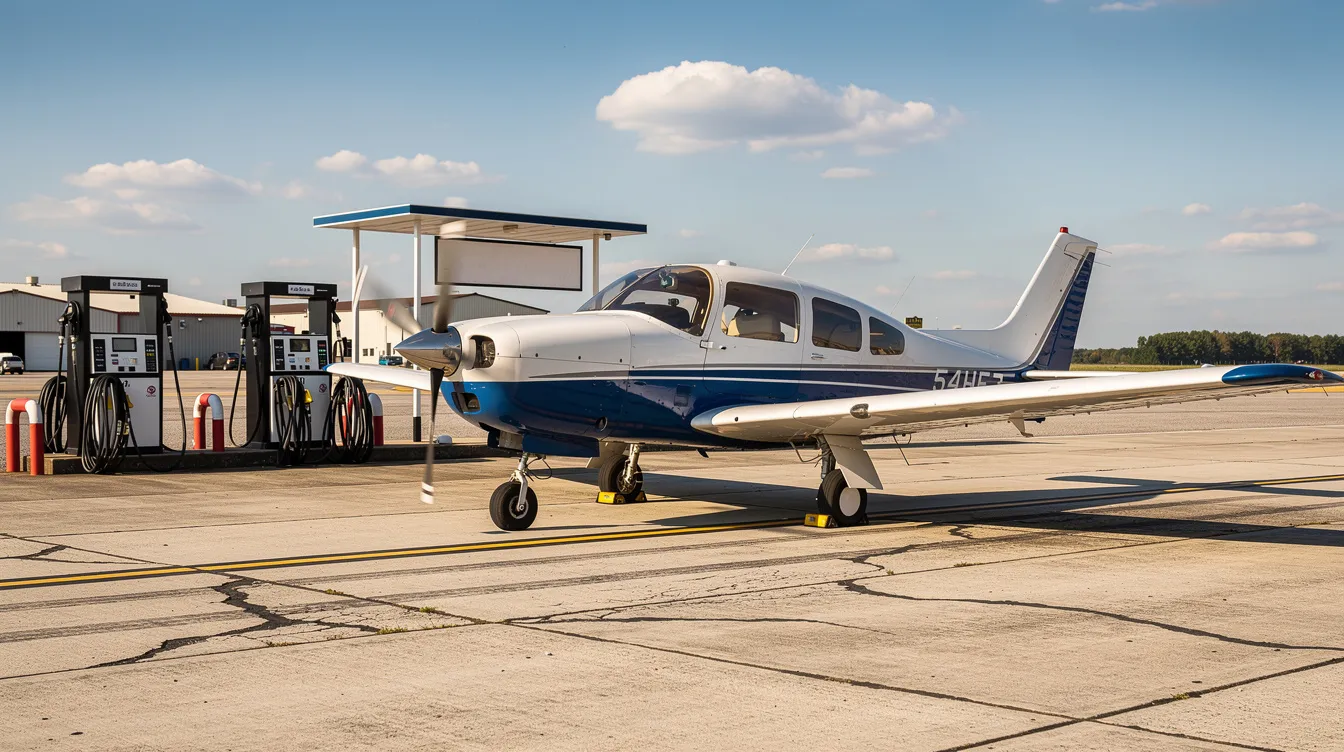
In 2026, fuel costs for small planes vary significantly based on aircraft type and fuel consumption rates. Single-engine pistons typically incur costs of $60–$80 per hour, while turboprops can reach $500–$600 per hour. Understanding these expenses is crucial for budgeting and flight planning for private pilots and aircraft owners.
Jay Franco Serevilla
Oct 14, 2026
|
5
min read
Explore our latest articles and updates.
5
min read
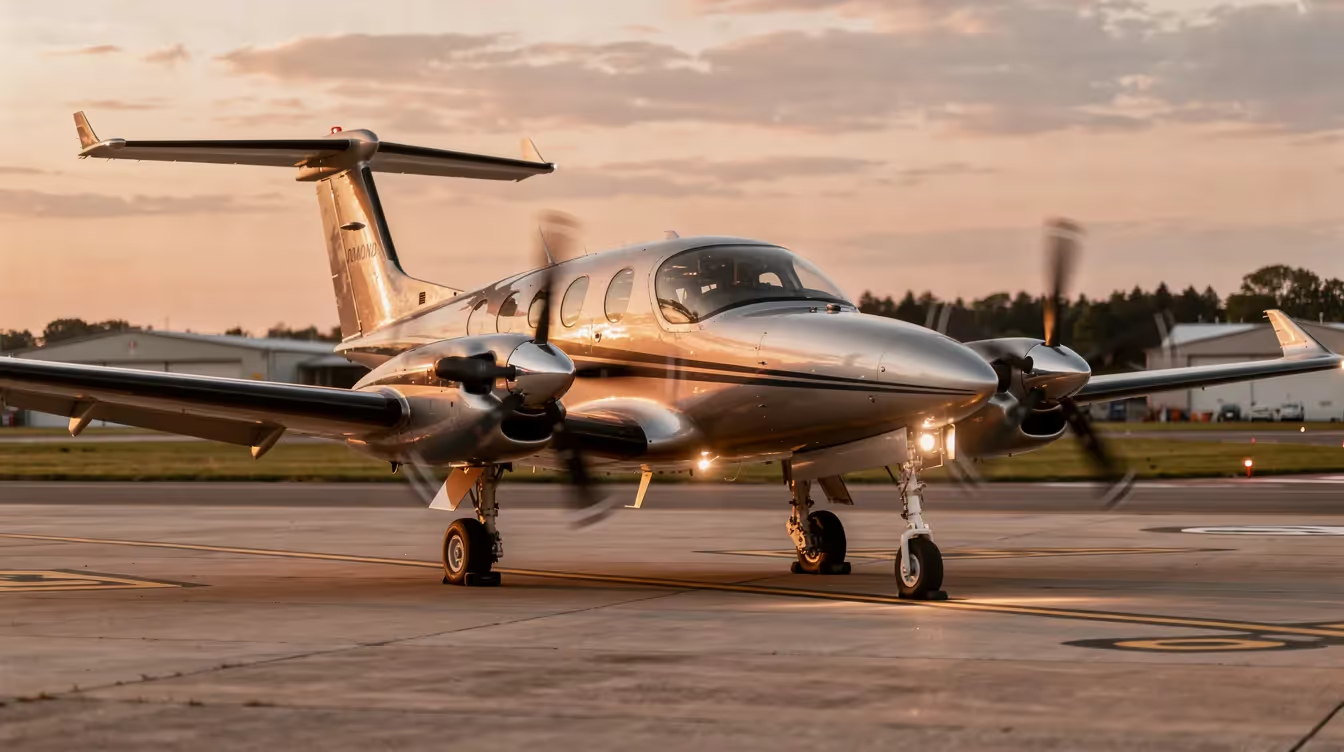
Diamond DA 62: The Modern Twin for Private Charter and Personal Ownership
The Diamond DA62 is a modern twin-engine piston aircraft designed for private ownership and charter, offering seven seats and efficient performance since its introduction in 2015. Powered by twin 180 hp diesel engines, it boasts a max cruise speed of 192 KTAS and a range of approximately 1,280 nm, making it ideal for regional trips. Its composite construction enhances safety and comfort, while features like gull-wing doors and a spacious cabin cater to both business and family travelers. The DA62's fuel efficiency and lower operating costs compared to single-engine aircraft and light jets make it a compelling choice for those seeking a reliable and versatile private aviation solution.
Read More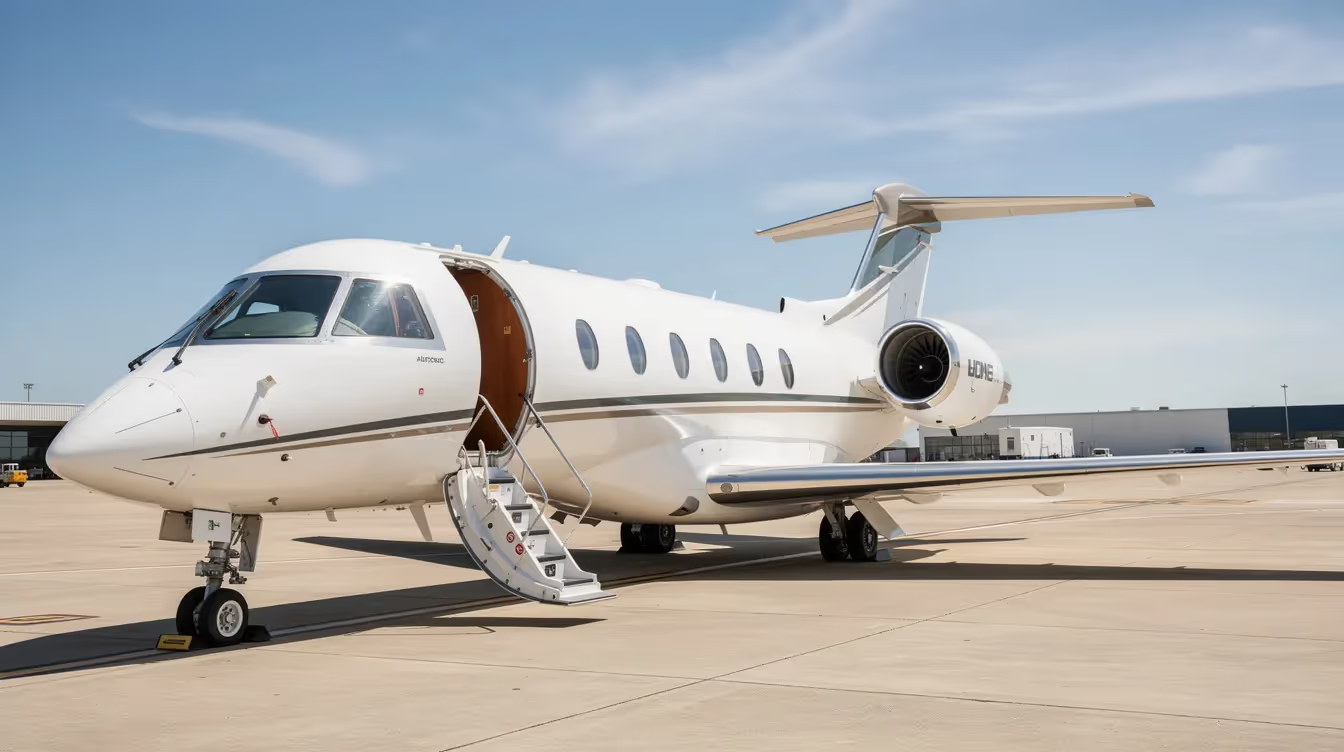
5
min read
Comprehensive Private Plane Safety Statistics and Insights
Private aviation presents higher fatality risks compared to commercial airlines, with general aviation accidents averaging 0.84–1.19 fatalities per 100,000 flight hours, while charter flights under FAA Part 135 regulations show significantly better safety metrics at 0.201 fatalities per 100,000 hours. The majority of private aviation accidents stem from pilot error, mechanical failure, and adverse weather, with landing accidents being the most common. Digital platforms like Jettly enhance safety by connecting travelers with vetted operators that adhere to stricter regulatory standards, thereby reducing risks associated with private flying. Overall, when professionally operated, private flights can be as safe as or safer than everyday road travel, especially when using reputable charter services.
Read MoreJoin our community and receive the latest blog updates directly in your inbox.
MEMBERSHIPS AND ASSOCIATIONS



Disclaimer: Jettly operates as a charter broker, offering access to a global digital jet charter marketplace. Jettly is not a direct air carrier and does not own or operate aircraft. All advertised flights are conducted by third-party air carriers that are fully licensed and hold the appropriate Part 135 or Part 121 certifications issued by the Federal Aviation Administration (FAA) or equivalent regulatory authorities under U.S. or foreign law. Jettly complies fully with the U.S. Department of Transportation's Part 295 and Part 298 Charter Broker regulations. Jettly does not carry additional liability insurance. Passengers are covered by aircraft operator insurance. TICO: 50023770


