


Login
Get Instant Pricing On 23,000+ Aircraft


The Cessna 150, introduced in 1959, is a highly influential two-seat training aircraft that has helped hundreds of thousands of pilots earn their wings, remaining a staple in flight schools and flying clubs worldwide. With nearly 23,839 units produced, it is known for its forgiving handling, low operating costs, and simple systems, making it ideal for student pilots. While it excels in training and recreational flying, its limited capacity and range make it unsuitable for business or family travel, where larger charter aircraft are more appropriate. As pilots progress from the Cessna 150, they often transition to more capable aircraft for their evolving travel needs, sometimes utilizing charter services like Jettly for efficient transportation.
Jay Franco Serevilla
Apr 18, 2026
|
5
min read


View all
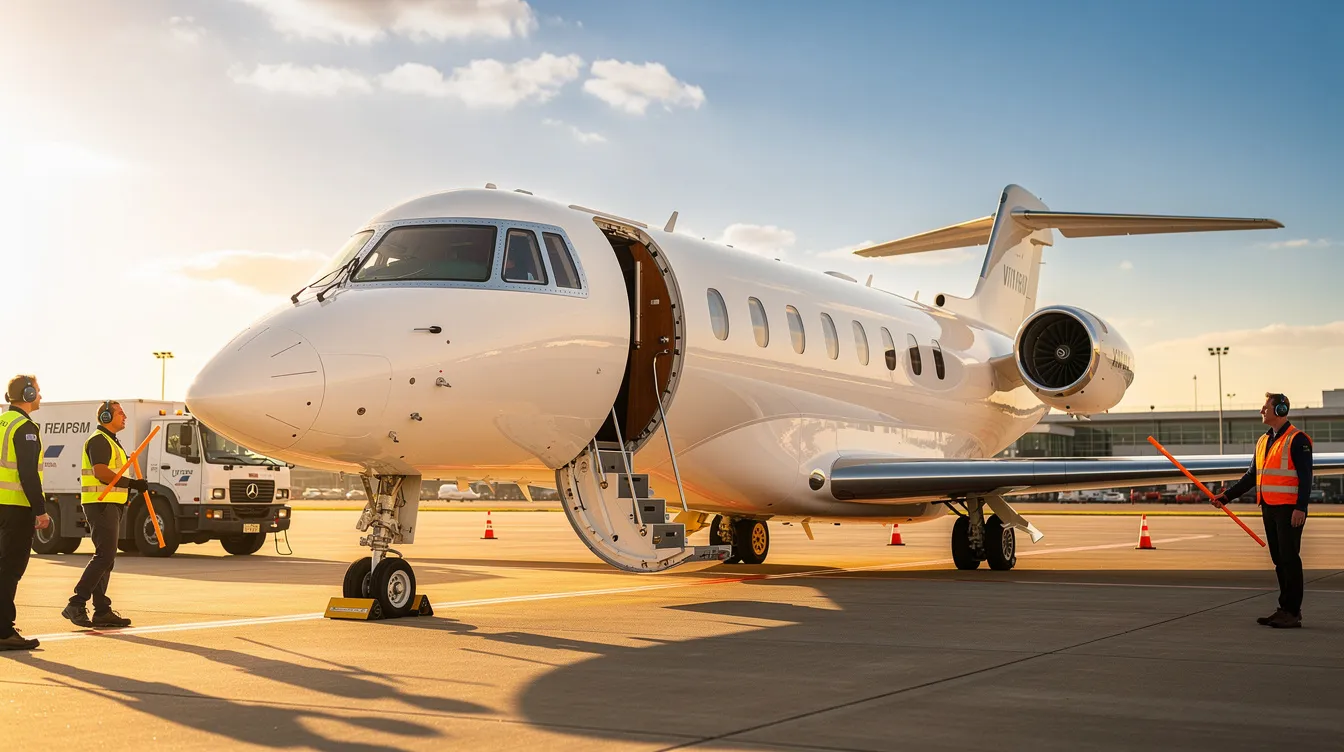
Private flight club memberships offer a range of costs influenced by initiation fees, monthly dues, and hourly rates. Understanding these components helps travelers make informed decisions between membership and on-demand charter options. With costs varying significantly based on aircraft type and usage, it's essential to evaluate personal travel needs and frequency before committing.
Jeff Ryan Serevilla
Oct 8, 2026
|
5
min read

View all
Taneja Aerospace & Aviation Ltd's current share price is ₹344.20, reflecting a 1.7% decrease. With a P/E ratio of approximately 47, the stock indicates strong growth expectations in the aerospace sector, making it an intriguing option for investors. This guide provides essential trading data, valuation metrics, and insights into the company's fundamentals and market trends.
Jeff Ryan Serevilla
Oct 8, 2026
|
5
min read

View all
In 2026, no major airline has been identified as having the most crashes, with serious incidents primarily involving smaller operators. Despite 61 reported crashes resulting in 397 fatalities, commercial flying remains one of the safest modes of transportation due to stringent regulations and advanced safety technologies. Understanding aviation safety statistics is crucial for travelers to make informed decisions about their air travel options.
Jay Franco Serevilla
Oct 7, 2026
|
5
min read

View all
The survival rate of plane crashes is significantly higher than commonly believed, with around 90% of accidents being survivable. Factors such as seat location, crew training, and aircraft design play crucial roles in enhancing safety. By choosing regulated operators like Jettly, travelers can further ensure high safety standards in private aviation.
Jay Franco Serevilla
Oct 7, 2026
|
5
min read

View all
Volare Aviation offers boutique private aviation services at Oxford Airport, specializing in aircraft ownership, management, and charter. With the rise of digital platforms like Jettly, private jet and helicopter travel has become more accessible, allowing travelers to choose flexible options without the need for ownership. This article explores the advantages of private aviation, including reduced travel time and personalized service.
Jay Franco Serevilla
Oct 7, 2026
|
5
min read

View all
Plane crashes are often the result of a combination of factors, including human error, mechanical failures, and weather conditions. Despite media coverage suggesting otherwise, air travel remains statistically safe, with improvements in aviation safety over the decades. Understanding the causes and trends can help travelers make informed decisions about their flying options.
Jay Franco Serevilla
Oct 7, 2026
|
5
min read
Explore our latest articles and updates.

5
min read
Private Jet Terminal: How FBOs Transform the Private Aviation Experience
Private jet terminals, or Fixed Base Operators (FBOs), enhance the private aviation experience by providing exclusive, efficient services that allow travelers to bypass the long waits and crowded spaces of commercial airports. Operated by companies like Jet Aviation and Signature Aviation, these terminals enable passengers to arrive just 15 to 30 minutes before departure, offering seamless transitions from vehicle to aircraft. Jettly utilizes a global network of over 5,000 FBOs to streamline the entire journey, including check-in, security, and customs clearance, while ensuring personalized service tailored to individual needs. Key factors for selecting an FBO include location, runway length, operating hours, and available ground services, all of which contribute to a more efficient and luxurious travel experience.
Read More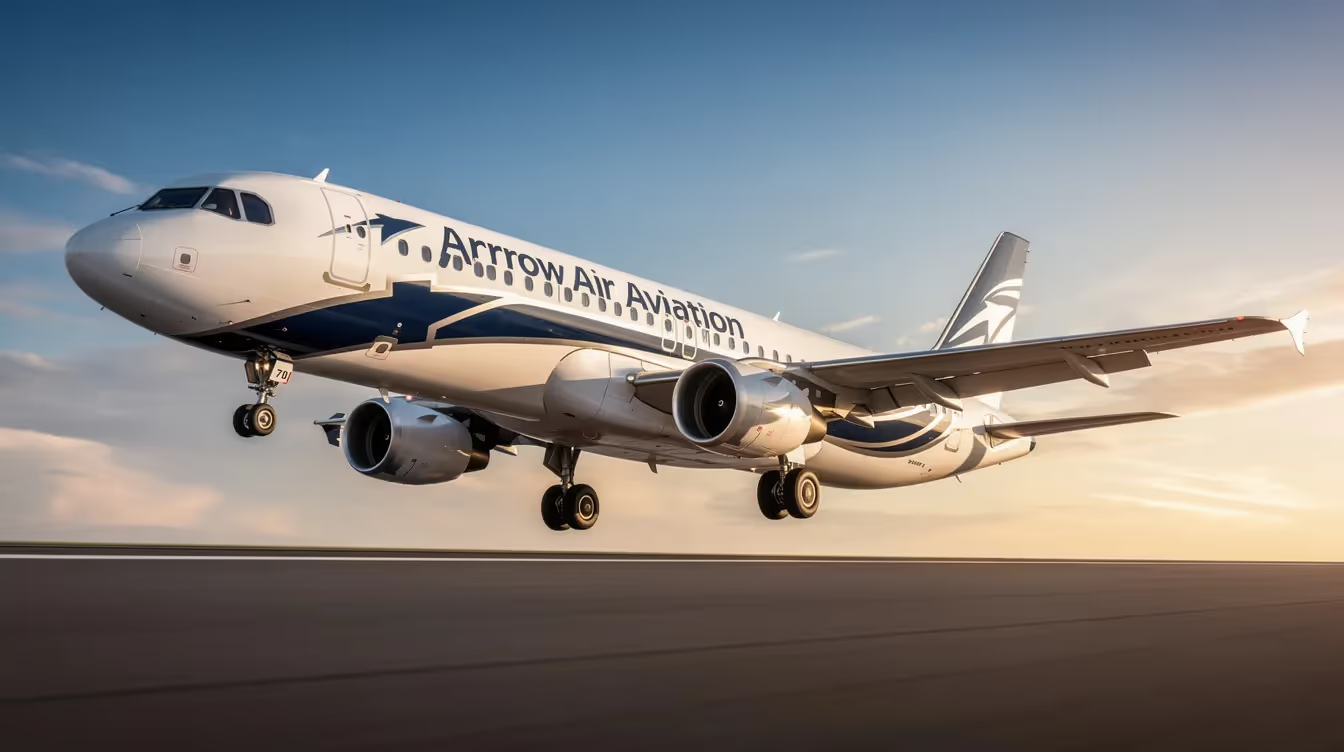
5
min read
Arrow Air: History, Flight 1285, and Its Legacy in Aviation Safety
Arrow Air Flight 1285 crashed on December 12, 1985, shortly after takeoff from Gander, Newfoundland, resulting in the deaths of all 256 people on board, making it Canada's deadliest aviation disaster. The investigation revealed that ice contamination on the wings and an underestimation of the aircraft's weight contributed to the crash, leading to significant changes in aviation safety protocols in Canada. The controversy surrounding the investigation, including a dissenting minority report that proposed alternative theories, ultimately led to the dissolution of the Canadian Aviation Safety Board and the establishment of the Transportation Safety Board of Canada. Today, lessons from this tragedy continue to shape modern aviation practices, emphasizing rigorous safety standards, data-driven flight planning, and transparency in operations, as exemplified by platforms like Jettly.
Read MoreJoin our community and receive the latest blog updates directly in your inbox.
MEMBERSHIPS AND ASSOCIATIONS



Disclaimer: Jettly operates as a charter broker, offering access to a global digital jet charter marketplace. Jettly is not a direct air carrier and does not own or operate aircraft. All advertised flights are conducted by third-party air carriers that are fully licensed and hold the appropriate Part 135 or Part 121 certifications issued by the Federal Aviation Administration (FAA) or equivalent regulatory authorities under U.S. or foreign law. Jettly complies fully with the U.S. Department of Transportation's Part 295 and Part 298 Charter Broker regulations. Jettly does not carry additional liability insurance. Passengers are covered by aircraft operator insurance. TICO: 50023770


