



Login
Get Instant Pricing On 23,000+ Aircraft


Mining charter flights are private air services that facilitate efficient transportation of personnel and equipment to remote mining sites, which are often inaccessible by commercial airlines. These flights are crucial for optimizing logistics, ensuring safety, and maintaining productivity in challenging environments, particularly in regions like Australia, Canada, and South Africa. Digital platforms like Jettly enhance the chartering process by providing transparent pricing, instant booking, and a variety of aircraft options tailored to specific mining needs. By leveraging these services, mining companies can reduce travel time, improve workforce morale, and ensure operational continuity in isolated locations.
Jay Franco Serevilla
Apr 21, 2026
|
5
min read


View all
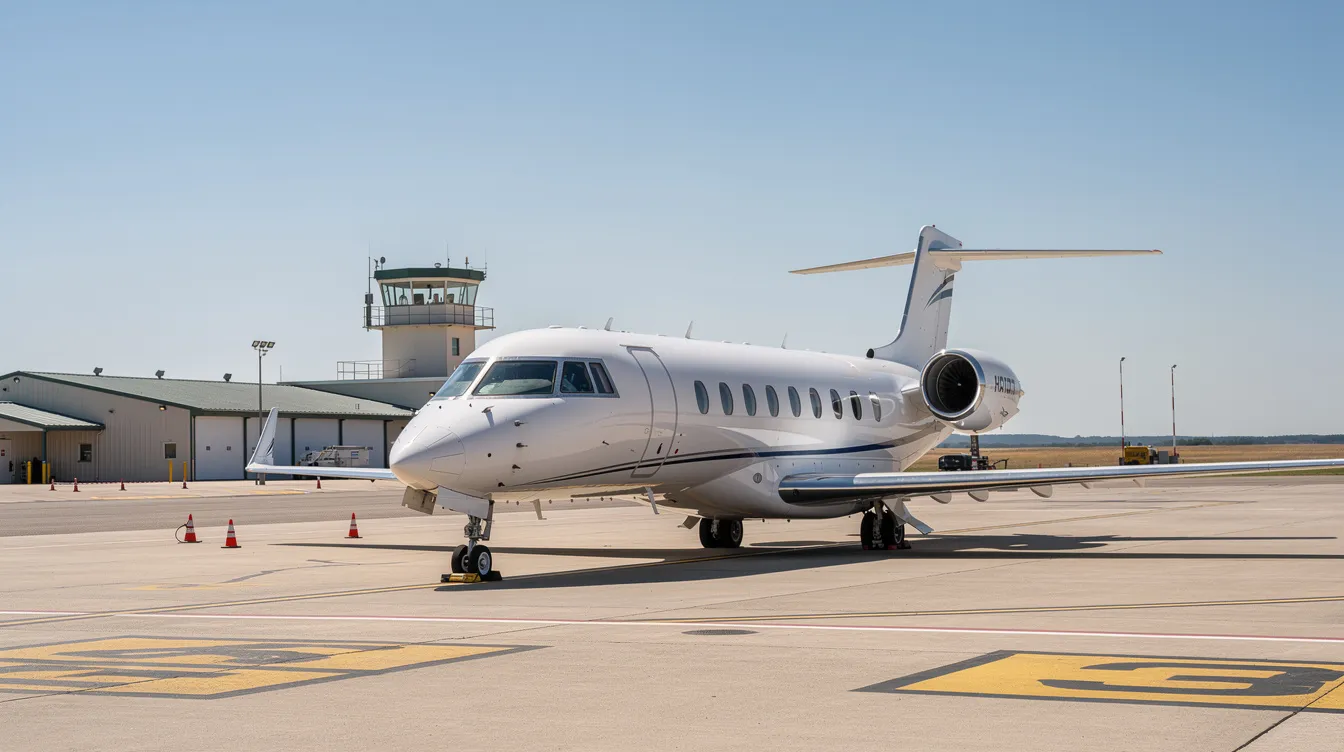
This comprehensive aircraft charter guide provides essential insights on how to choose, book, and fly with confidence using Jettly's digital platform. It covers various jet categories, the charter process, and highlights the benefits of private aviation for both personal and business travel. With access to over 20,000 aircraft and transparent pricing, Jettly simplifies the charter experience for travelers.
Jay Franco Serevilla
Oct 14, 2026
|
5
min read

View all
This guide explores the landscape of private jet ownership, highlighting famous owners like Oprah Winfrey and Prince Al Waleed bin Talal. It also discusses the advantages of private jet charter services, such as Jettly, which provide flexible access to a wide range of aircraft without the burdens of ownership. Understanding the different models of private jet access can help travelers make informed decisions about their flying needs.
Jay Franco Serevilla
Oct 14, 2026
|
5
min read
View all
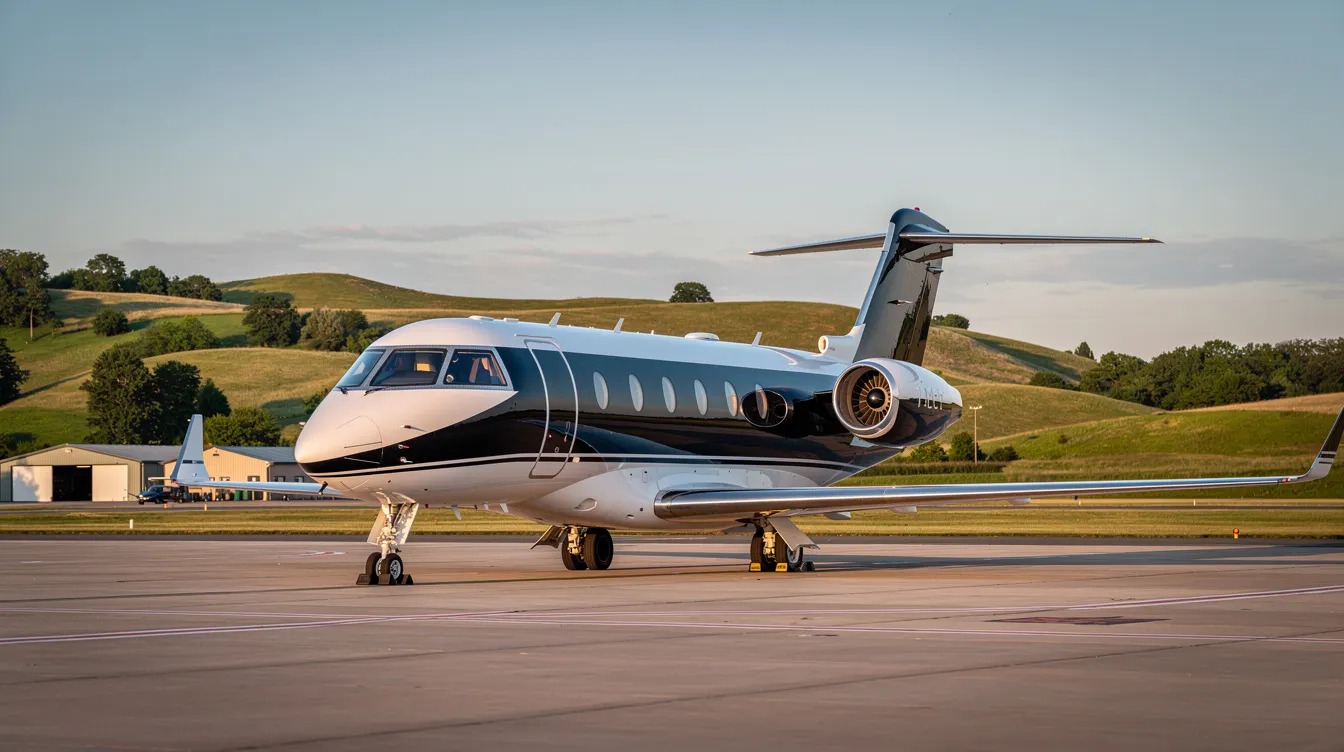
Jettly simplifies private charter flights, offering travelers on-demand access to over 20,000 aircraft worldwide. With flexible scheduling and transparent pricing, it caters to business, family, and group travel needs, ensuring a seamless experience from booking to arrival.
Jay Franco Serevilla
Oct 14, 2026
|
5
min read
View all
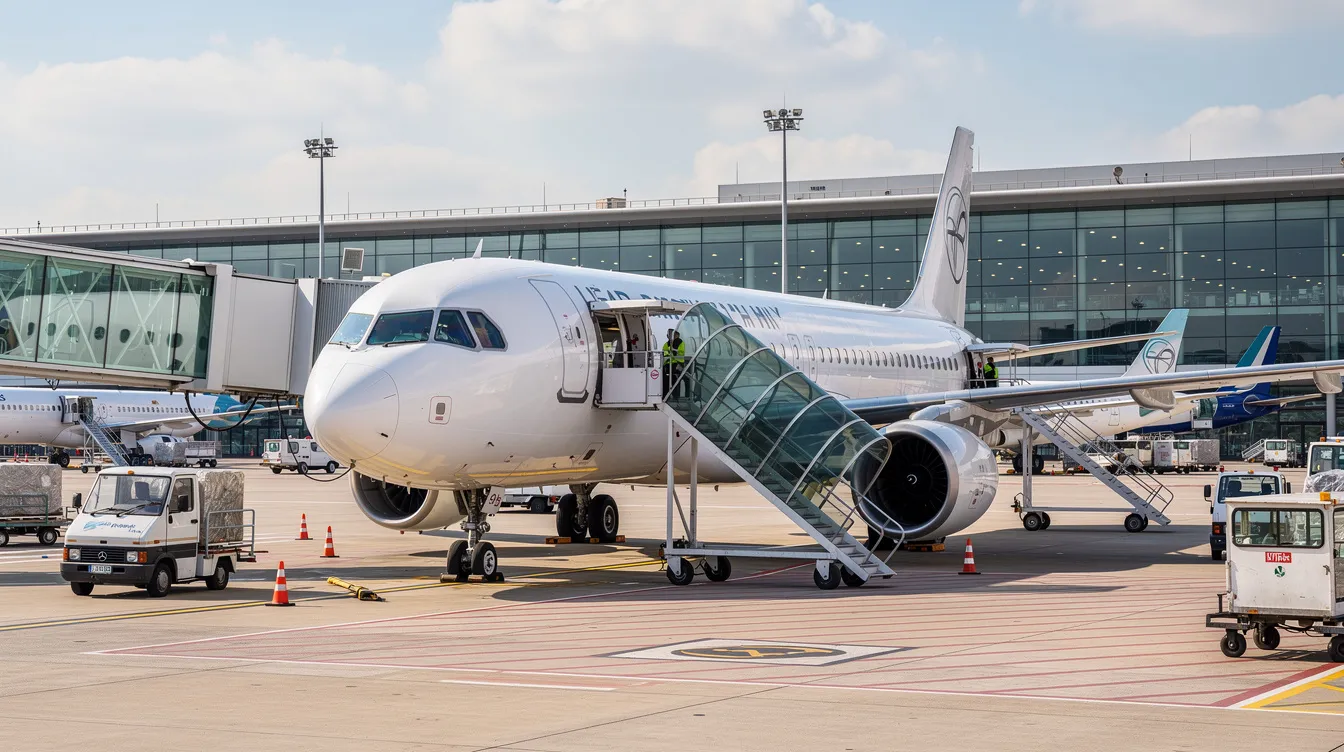
The Boeing 737 is a versatile aircraft with a passenger capacity ranging from 85 to 230, depending on the variant and layout. Most commonly, the 737-800 and 737 MAX models accommodate between 162 and 200 passengers. This guide details the seating capacities across different generations and compares them to private jet options for tailored travel experiences.
Jay Franco Serevilla
Oct 14, 2026
|
5
min read
View all
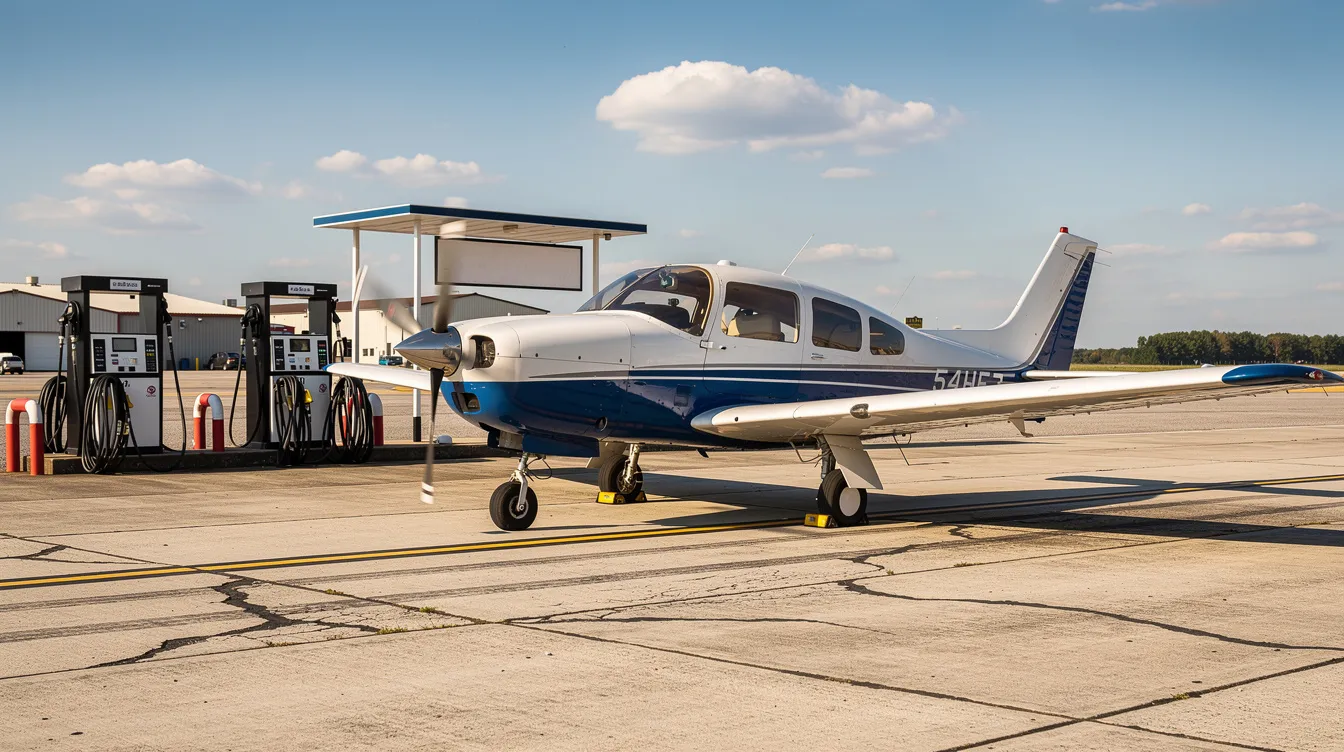
In 2026, fuel costs for small planes vary significantly based on aircraft type and fuel consumption rates. Single-engine pistons typically incur costs of $60–$80 per hour, while turboprops can reach $500–$600 per hour. Understanding these expenses is crucial for budgeting and flight planning for private pilots and aircraft owners.
Jay Franco Serevilla
Oct 14, 2026
|
5
min read
View all
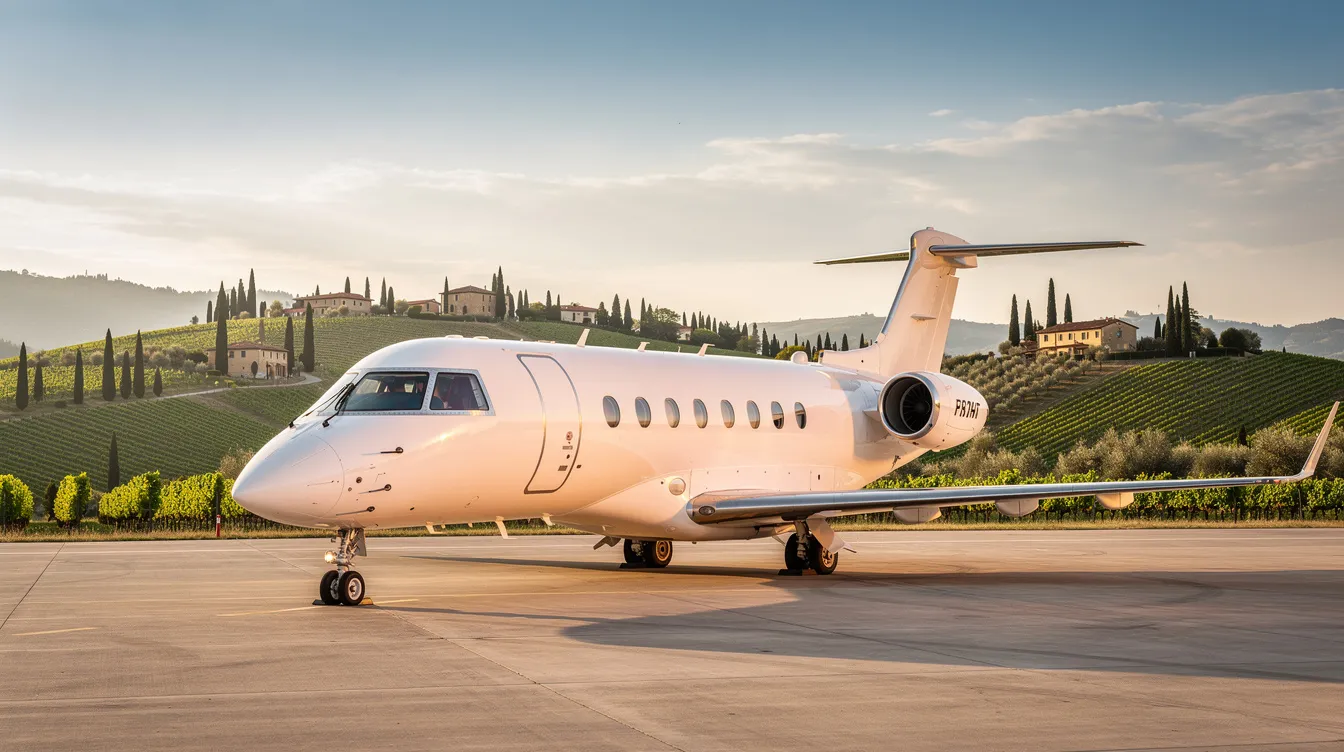
Flying by private jet to Italy offers unmatched flexibility and speed, making it ideal for both business and leisure travelers. This comprehensive guide covers routes, costs, and how Jettly simplifies the booking process, ensuring a seamless travel experience. Discover the advantages of private aviation and how it can enhance your Italian journey.
Jay Franco Serevilla
Oct 14, 2026
|
5
min read
Explore our latest articles and updates.

5
min read
Private Jet Terminal: How FBOs Transform the Private Aviation Experience
Private jet terminals, or Fixed Base Operators (FBOs), enhance the private aviation experience by providing exclusive, efficient services that allow travelers to bypass the long waits and crowded spaces of commercial airports. Operated by companies like Jet Aviation and Signature Aviation, these terminals enable passengers to arrive just 15 to 30 minutes before departure, offering seamless transitions from vehicle to aircraft. Jettly utilizes a global network of over 5,000 FBOs to streamline the entire journey, including check-in, security, and customs clearance, while ensuring personalized service tailored to individual needs. Key factors for selecting an FBO include location, runway length, operating hours, and available ground services, all of which contribute to a more efficient and luxurious travel experience.
Read More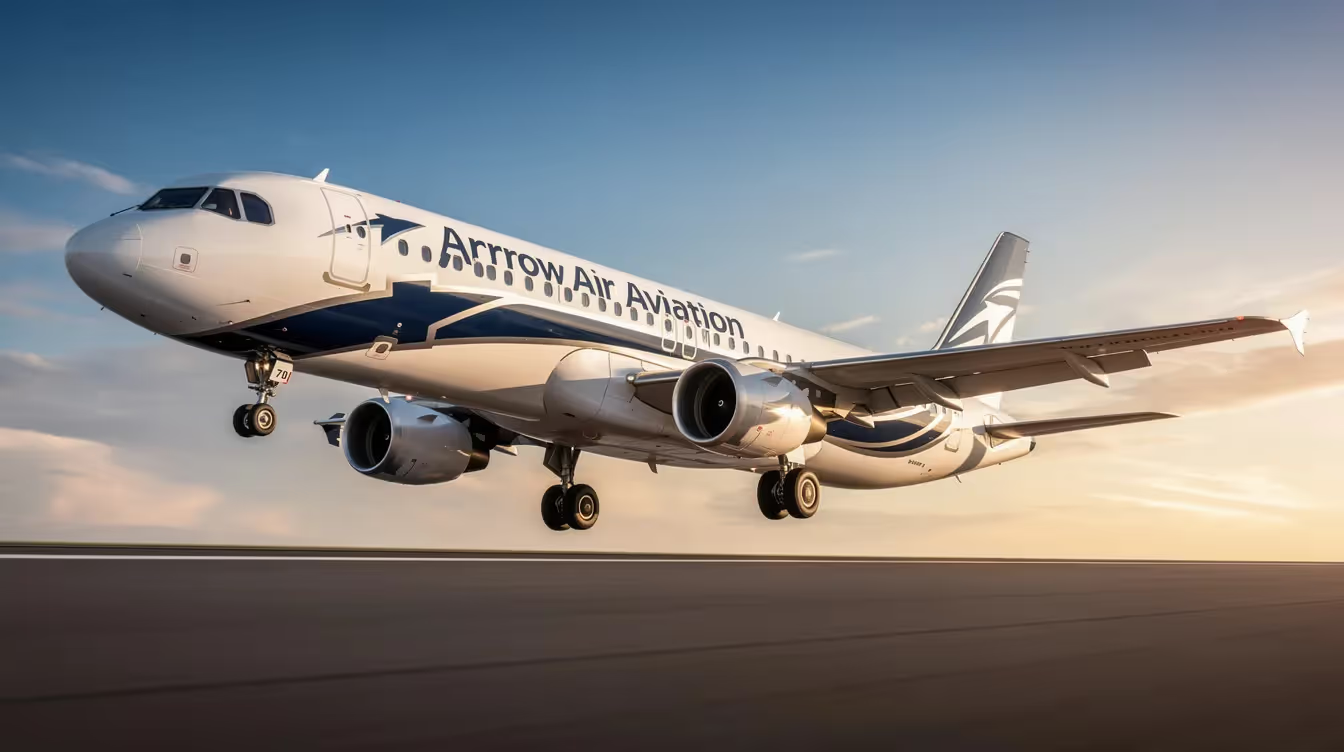
5
min read
Arrow Air: History, Flight 1285, and Its Legacy in Aviation Safety
Arrow Air Flight 1285 crashed on December 12, 1985, shortly after takeoff from Gander, Newfoundland, resulting in the deaths of all 256 people on board, making it Canada's deadliest aviation disaster. The investigation revealed that ice contamination on the wings and an underestimation of the aircraft's weight contributed to the crash, leading to significant changes in aviation safety protocols in Canada. The controversy surrounding the investigation, including a dissenting minority report that proposed alternative theories, ultimately led to the dissolution of the Canadian Aviation Safety Board and the establishment of the Transportation Safety Board of Canada. Today, lessons from this tragedy continue to shape modern aviation practices, emphasizing rigorous safety standards, data-driven flight planning, and transparency in operations, as exemplified by platforms like Jettly.
Read MoreJoin our community and receive the latest blog updates directly in your inbox.
MEMBERSHIPS AND ASSOCIATIONS



Disclaimer: Jettly operates as a charter broker, offering access to a global digital jet charter marketplace. Jettly is not a direct air carrier and does not own or operate aircraft. All advertised flights are conducted by third-party air carriers that are fully licensed and hold the appropriate Part 135 or Part 121 certifications issued by the Federal Aviation Administration (FAA) or equivalent regulatory authorities under U.S. or foreign law. Jettly complies fully with the U.S. Department of Transportation's Part 295 and Part 298 Charter Broker regulations. Jettly does not carry additional liability insurance. Passengers are covered by aircraft operator insurance. TICO: 50023770


