



Login
Get Instant Pricing On 23,000+ Aircraft


Sports team charter flights provide a tailored and efficient travel solution for teams, allowing them to control schedules, reduce transit times, and enjoy customized amenities. By bypassing commercial delays and using private terminals, teams can focus on recovery and preparation, enhancing performance on game day. Jettly simplifies the booking process with access to over 20,000 aircraft, offering instant quotes and tailored travel solutions for various team needs. This guide outlines the benefits of charter flights, aircraft options, and how Jettly supports seamless travel for sports organizations.
Jay Franco Serevilla
Apr 22, 2026
|
5
min read



View all
Robert Gray Army Airfield (KGRK) serves as a vital joint-use airfield for Fort Hood and the Killeen area, facilitating both military and commercial aviation. With a 9,997-foot runway and 24-hour operations, it supports a range of aircraft and offers direct access to Central Texas. This travel guide provides essential information for military personnel, families, and business travelers using KGRK.
Jeff Ryan Serevilla
Oct 21, 2026
|
5
min read

View all
Floyd W. Jones Lebanon Airport (KLBO) is a premier general aviation airport in Lebanon, Missouri, catering to private jet travelers. With a 5,000-foot runway and dedicated FBO services, it offers a convenient alternative to larger airports, ensuring faster turnarounds and less congestion for corporate and leisure travelers alike.
Jeff Ryan Serevilla
Oct 21, 2026
|
5
min read

View all
FlightAware is a leading flight tracking platform that provides real-time data on commercial and general aviation flights. It offers features like live maps, flight status updates, and historical data, making it ideal for travelers and aviation enthusiasts. However, for those needing to book private flights, Jettly serves as a complementary service, offering access to a vast inventory of aircraft and transparent pricing.
Jay Franco Serevilla
Oct 21, 2026
|
5
min read

View all
Staying updated on Southwest Airlines flight status is essential for a smooth travel experience. This guide explains how to check flight status using the Southwest app, website, and airport displays, while also discussing when private jet charters through Jettly may be a better option for time-sensitive travelers. Understanding flight status terms and utilizing real-time updates can help avoid delays and ensure timely arrivals.
Jay Franco Serevilla
Oct 21, 2026
|
5
min read
View all
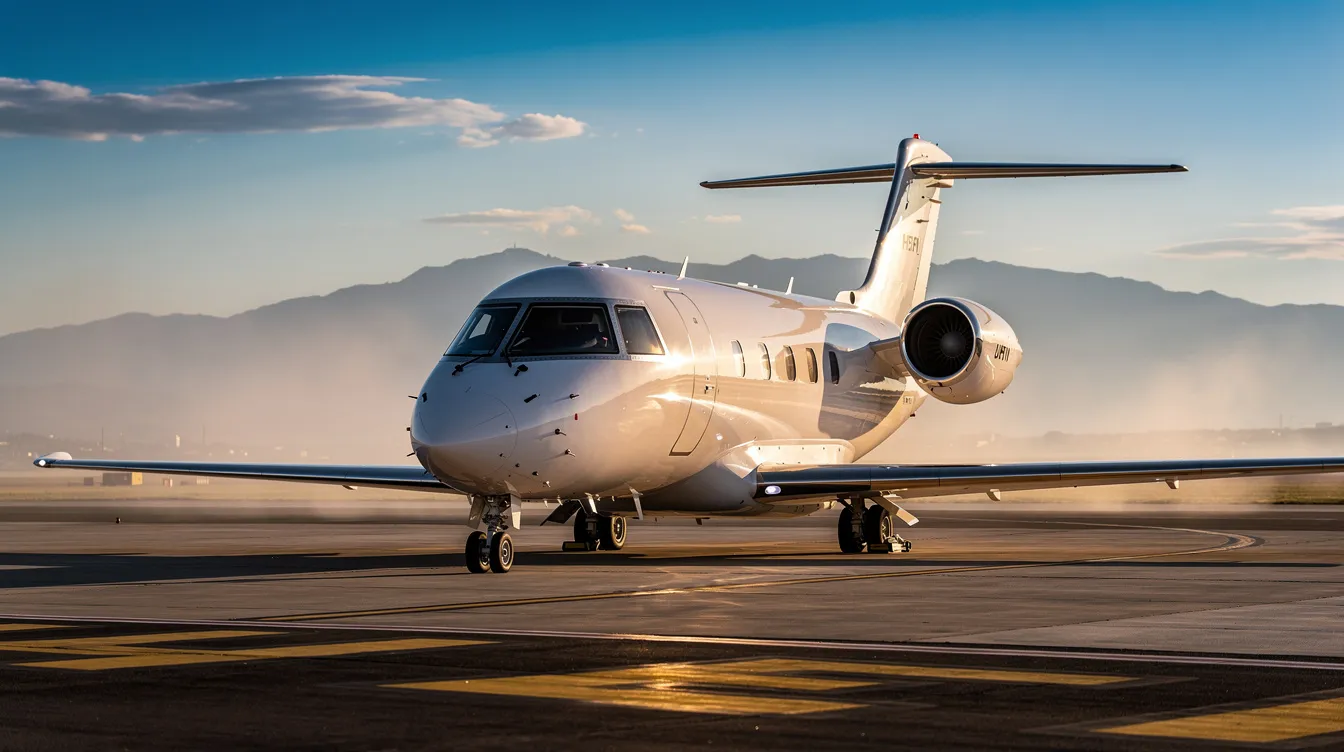
Private jet hire costs in 2026 range from $2,300 to over $22,000 per hour, influenced by aircraft type, route, and timing. This guide provides a comprehensive breakdown of costs, including hidden fees and savings opportunities, helping travelers budget effectively for their private jet experience.
Jay Franco Serevilla
Oct 21, 2026
|
5
min read
View all
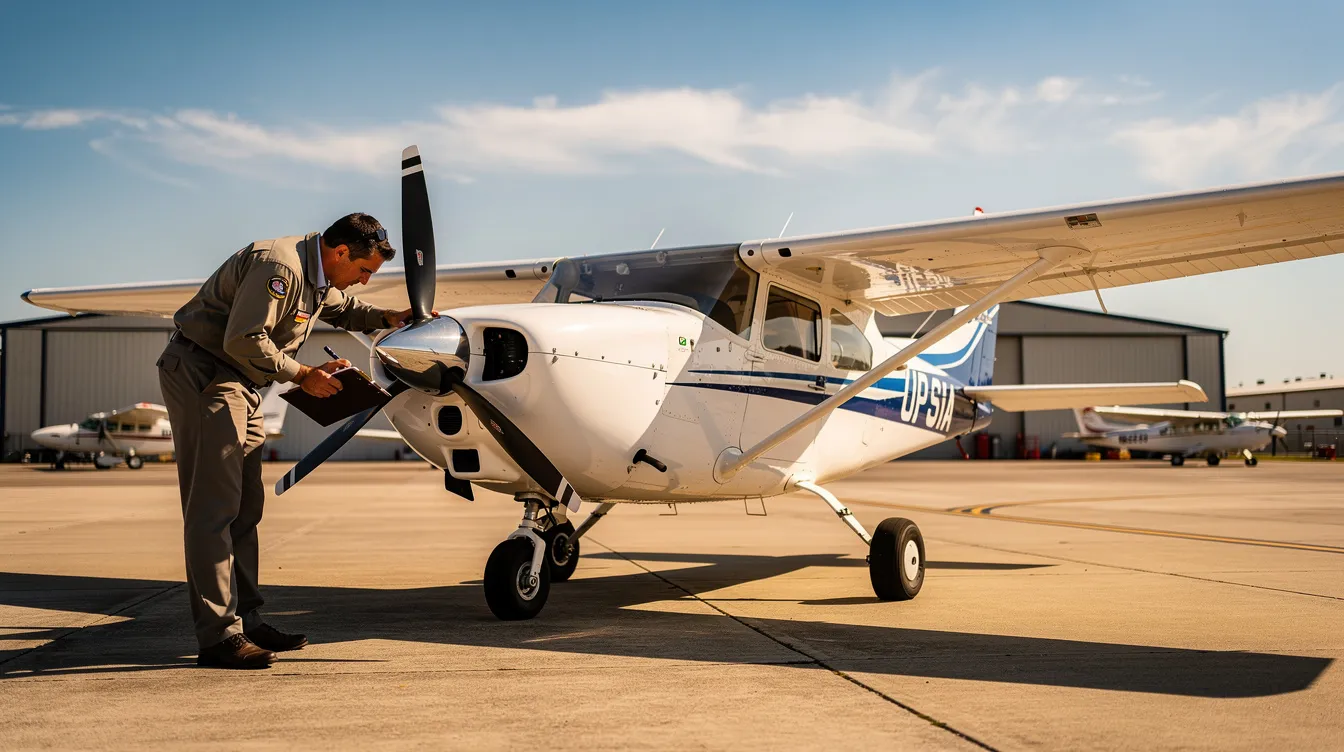
The career of an aircraft pilot encompasses various roles, from commercial and airline pilots to military and private pilots. Aspiring pilots must navigate a structured training path, including obtaining necessary certifications and flight hours. With a growing demand for qualified pilots, especially in 2026, this guide outlines the essential steps, costs, and opportunities in the aviation industry.
Jay Franco Serevilla
Oct 21, 2026
|
5
min read
Explore our latest articles and updates.

5
min read
Pup Plane: Guide to the Preceptor N3 Pup, Super Pup, and Ultra Pup for Modern Pilots
The Pup Plane guide focuses on the Preceptor N3 Pup family, which includes the N3 Pup, Super Pup, and Ultra Pup, catering to modern pilots and aviation enthusiasts interested in homebuilt aircraft. These lightweight, high-wing planes, developed in the late 1970s and 1980s, are known for their affordability and ease of construction, with the N3 Pup qualifying as an ultralight under FAR Part 103 regulations. While these aircraft are ideal for recreational flying, they are not suitable for commercial charter services, which are better served by platforms like Jettly that offer access to a wide range of professionally operated private jets. Understanding the differences between Pup planes and charter options helps pilots and travelers make informed decisions based on their flying needs.
Read More
5
min read
Pilot Lessons Cost in 2026: What You’ll Really Pay to Learn to Fly
In 2026, pilot lesson costs range from $10,000 to $20,000 for a Private Pilot License and can exceed $130,000 for a full professional training path. Key expenses include hourly flight rates ($150–$250), instructor fees, testing costs, and living expenses, with total costs often surpassing advertised minimums due to additional flight hours needed. Training frequency significantly impacts costs, with more frequent flying leading to faster completion and lower overall expenses. Financing options, including loans, GI Bill benefits, and scholarships, can help manage these costs, making flight training more accessible for aspiring pilots.
Read MoreJoin our community and receive the latest blog updates directly in your inbox.
MEMBERSHIPS AND ASSOCIATIONS



Disclaimer: Jettly operates as a charter broker, offering access to a global digital jet charter marketplace. Jettly is not a direct air carrier and does not own or operate aircraft. All advertised flights are conducted by third-party air carriers that are fully licensed and hold the appropriate Part 135 or Part 121 certifications issued by the Federal Aviation Administration (FAA) or equivalent regulatory authorities under U.S. or foreign law. Jettly complies fully with the U.S. Department of Transportation's Part 295 and Part 298 Charter Broker regulations. Jettly does not carry additional liability insurance. Passengers are covered by aircraft operator insurance. TICO: 50023770


