



Login
Get Instant Pricing On 23,000+ Aircraft

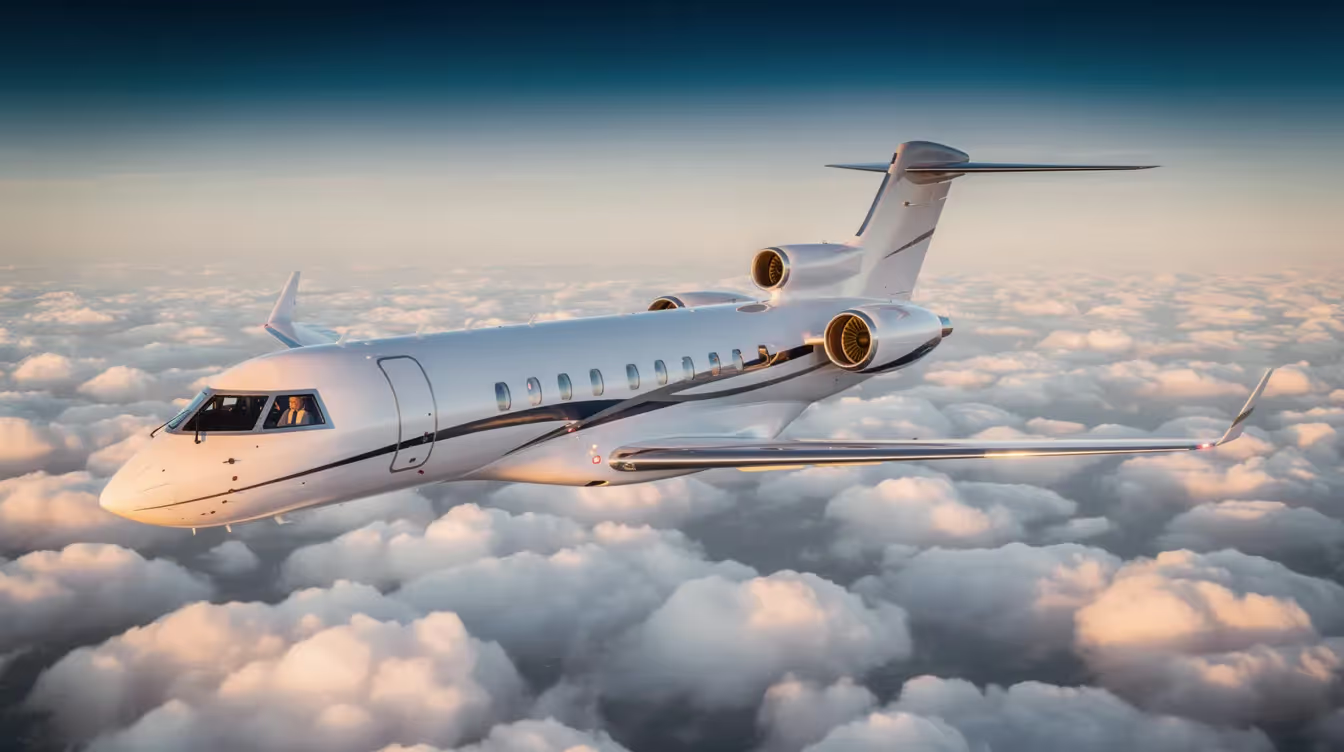
The Dassault Falcon 8X is an ultra-long-range trijet known for its sophisticated design, advanced features, and operational efficiency, capable of flying 6,450 nautical miles non-stop. It accommodates 12-16 passengers across three cabin zones and offers short-field performance, allowing access to airports that larger jets cannot use. Jettly provides on-demand charter services for the Falcon 8X, featuring transparent pricing and a seamless booking process, making it an attractive option for travelers seeking intercontinental travel without the complexities of ownership. With its combination of comfort, safety, and fuel efficiency, the Falcon 8X stands out in the private jet market.
Jay Franco Serevilla
Apr 18, 2026
|
5
min read


View all
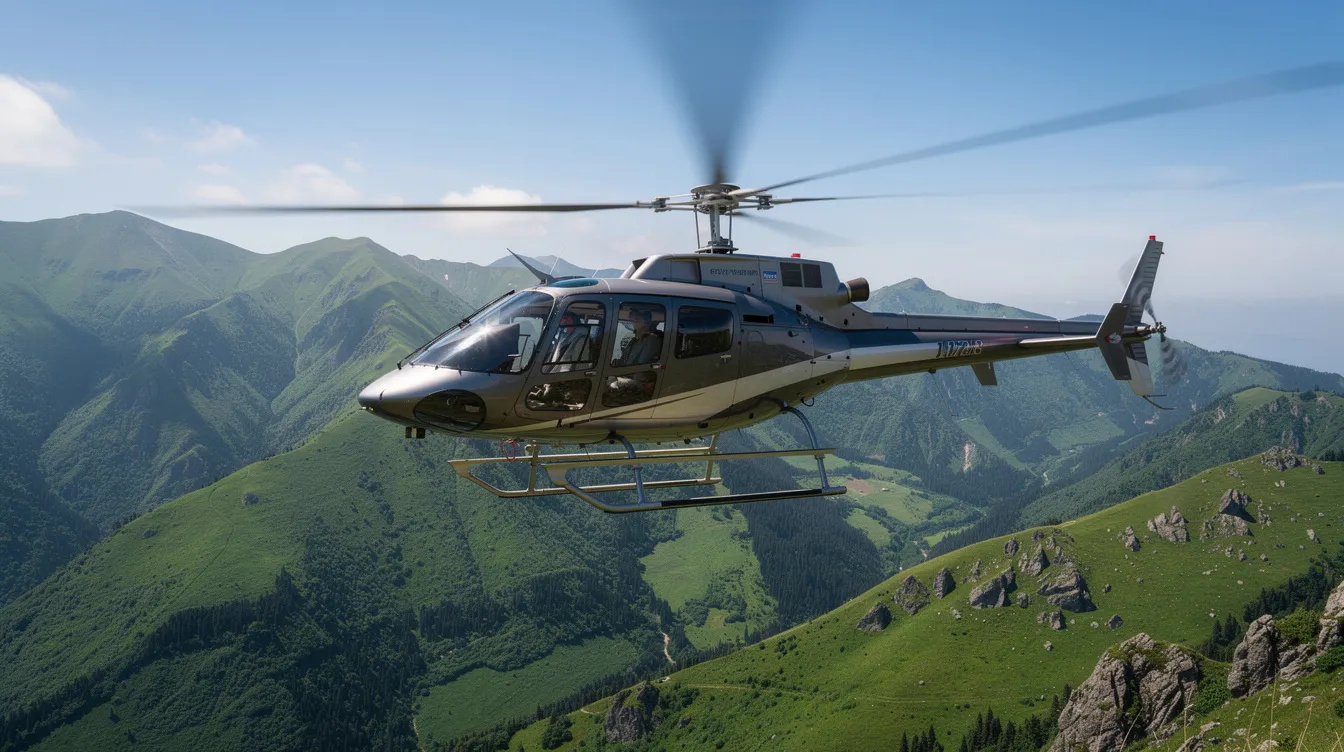
The Bell 407 is a versatile light helicopter known for its reliability and efficiency. Understanding its operating cost per hour is crucial for potential owners and charter operators, as it varies based on fixed and variable expenses. This guide provides a comprehensive breakdown of costs, helping you make informed decisions about ownership or chartering.
Jay Franco Serevilla
Oct 21, 2026
|
5
min read
View all
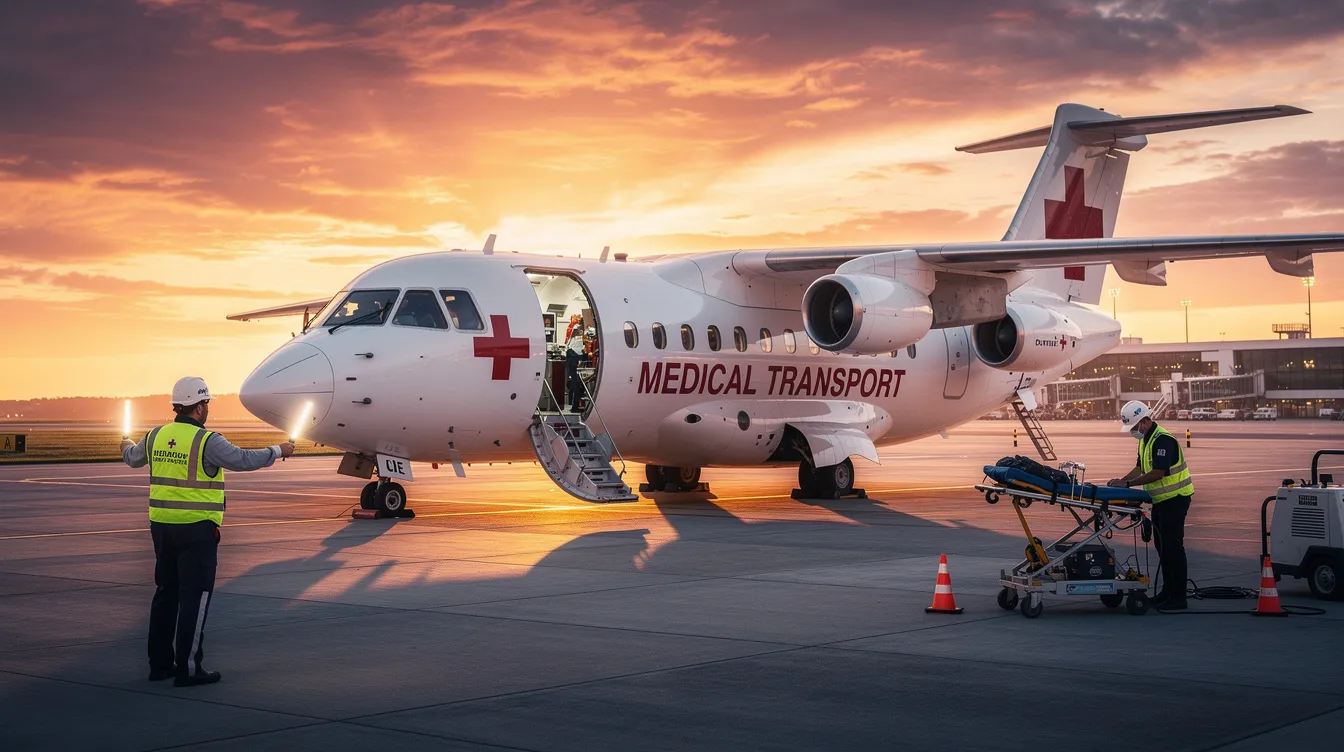
In 2026, medevac flight costs range from $25,000 for short domestic transfers to over $200,000 for complex international missions. Factors influencing pricing include distance, aircraft type, and patient medical needs. Understanding these costs is crucial for families facing urgent transport decisions, especially when insurance coverage varies significantly.
Jay Franco Serevilla
Oct 21, 2026
|
5
min read
View all
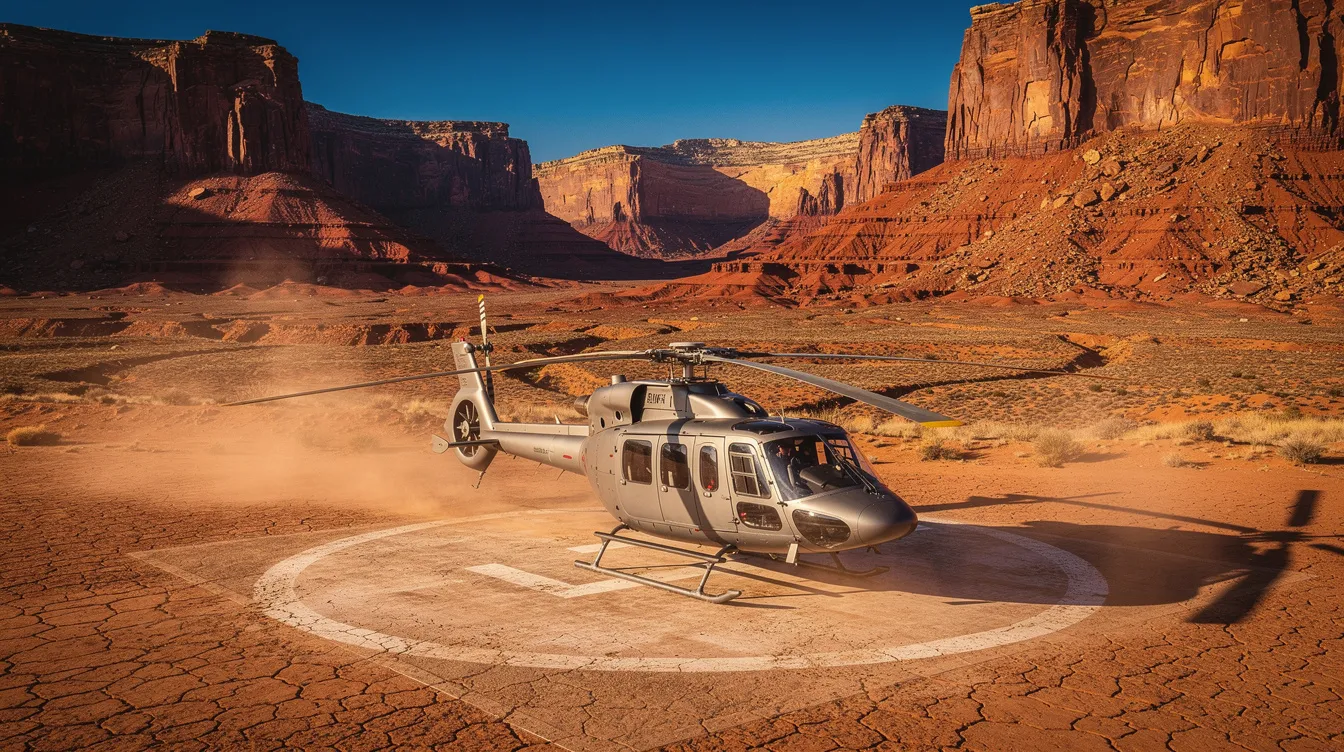
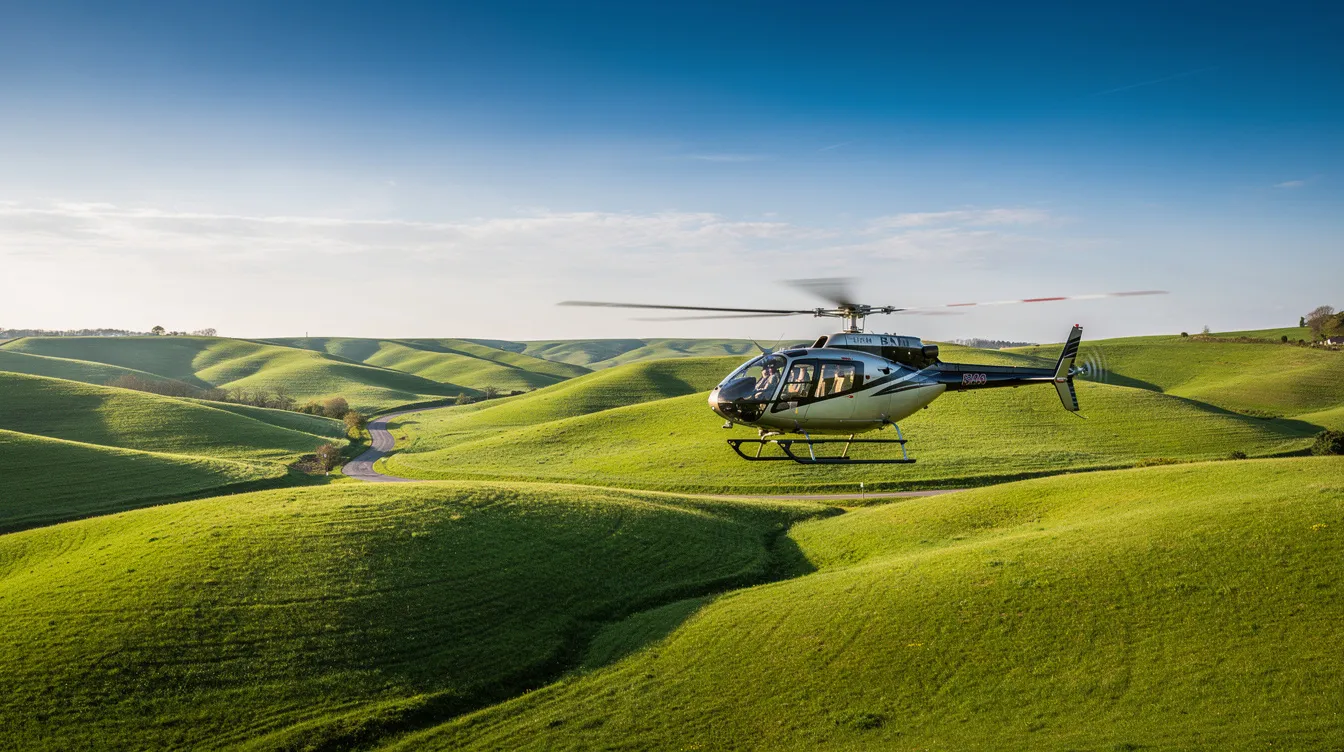
Planning a trip to Havasu Falls in 2026? The helicopter service offers a quick alternative to the challenging hike, costing approximately $300 one-way. Flights operate on select days and are first-come, first-served, so early arrival is essential. Remember, a valid permit is required for all visitors to access the falls.
Jay Franco Serevilla
Oct 20, 2026
|
5
min read
View all
Becoming a helicopter pilot can take anywhere from 2 months to 2 years, depending on the type of license and training frequency. A private pilot license typically requires 40 flight hours, while a commercial license demands 150 hours. Factors such as training intensity, weather conditions, and flight school choice significantly influence the timeline and costs involved.
Jay Franco Serevilla
Oct 20, 2026
|
5
min read

View all
Leasing a helicopter provides operators and individuals with access to aircraft without the hefty upfront costs of ownership. This flexible arrangement allows for predictable payments and can be tailored to suit various operational needs, whether through wet or dry leases. For those flying less frequently, on-demand charter services may offer a more cost-effective solution.
Jay Franco Serevilla
Oct 20, 2026
|
5
min read
View all
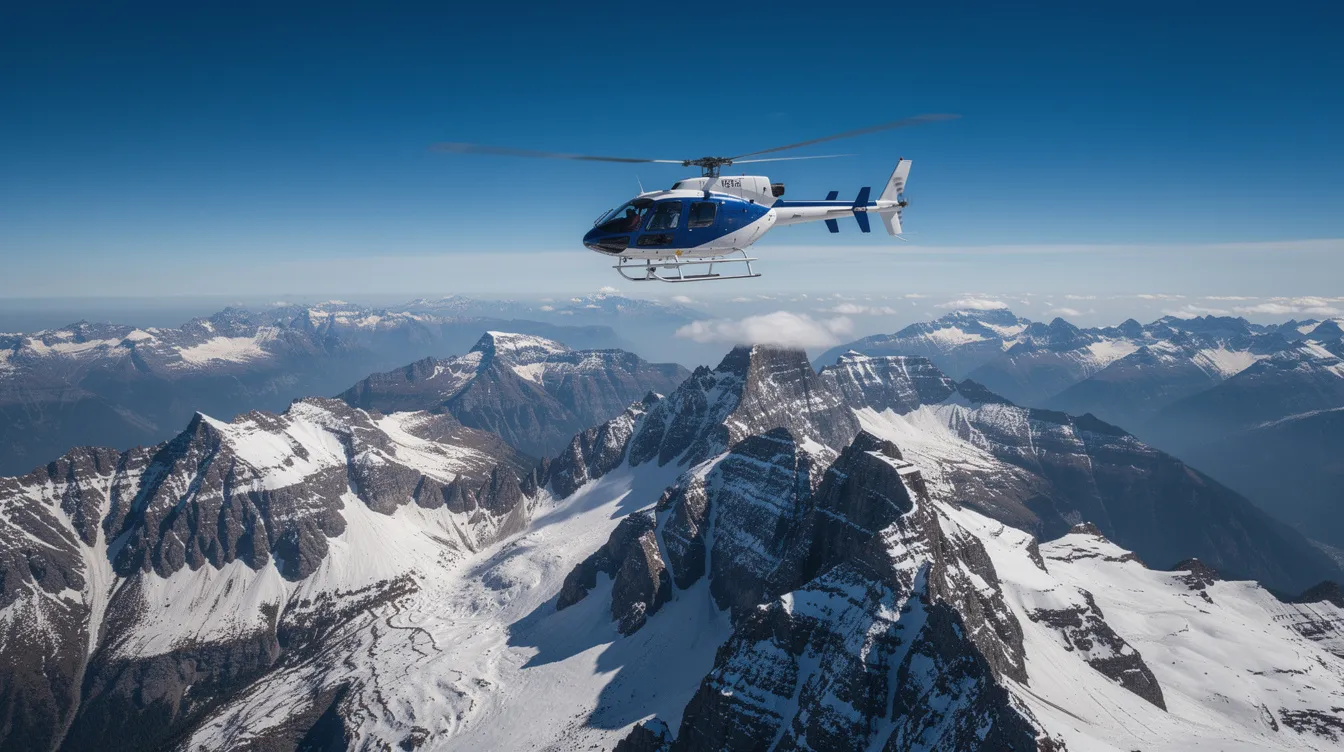
Helicopters typically fly between 500 and 5,000 feet during routine operations, with some models reaching service ceilings of 20,000 feet or more. The highest recorded flight reached 40,820 feet in 1972, but most helicopters operate much lower due to factors like air density and engine power. Understanding these limits is essential for travelers considering helicopter charters for various missions.
Jay Franco Serevilla
Oct 20, 2026
|
5
min read
Explore our latest articles and updates.

5
min read
Private Jet Terminal: How FBOs Transform the Private Aviation Experience
Private jet terminals, or Fixed Base Operators (FBOs), enhance the private aviation experience by providing exclusive, efficient services that allow travelers to bypass the long waits and crowded spaces of commercial airports. Operated by companies like Jet Aviation and Signature Aviation, these terminals enable passengers to arrive just 15 to 30 minutes before departure, offering seamless transitions from vehicle to aircraft. Jettly utilizes a global network of over 5,000 FBOs to streamline the entire journey, including check-in, security, and customs clearance, while ensuring personalized service tailored to individual needs. Key factors for selecting an FBO include location, runway length, operating hours, and available ground services, all of which contribute to a more efficient and luxurious travel experience.
Read More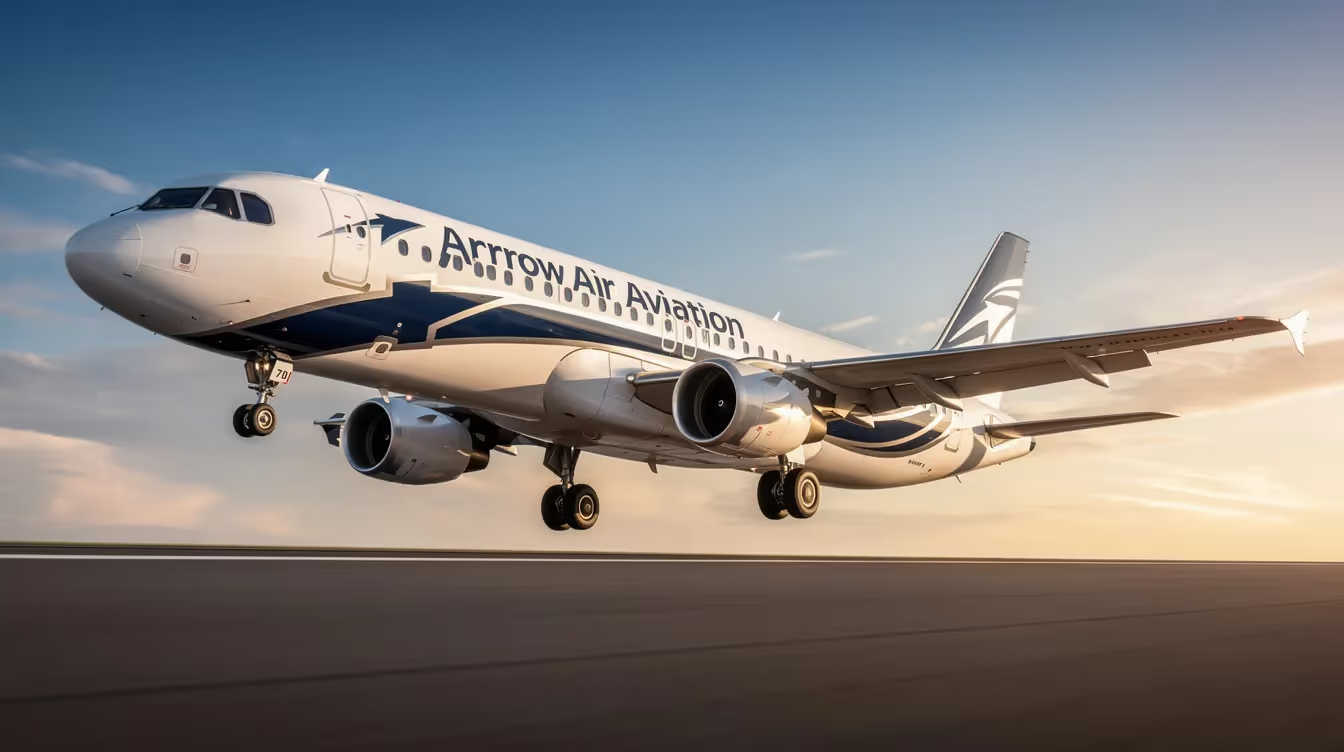
5
min read
Arrow Air: History, Flight 1285, and Its Legacy in Aviation Safety
Arrow Air Flight 1285 crashed on December 12, 1985, shortly after takeoff from Gander, Newfoundland, resulting in the deaths of all 256 people on board, making it Canada's deadliest aviation disaster. The investigation revealed that ice contamination on the wings and an underestimation of the aircraft's weight contributed to the crash, leading to significant changes in aviation safety protocols in Canada. The controversy surrounding the investigation, including a dissenting minority report that proposed alternative theories, ultimately led to the dissolution of the Canadian Aviation Safety Board and the establishment of the Transportation Safety Board of Canada. Today, lessons from this tragedy continue to shape modern aviation practices, emphasizing rigorous safety standards, data-driven flight planning, and transparency in operations, as exemplified by platforms like Jettly.
Read MoreJoin our community and receive the latest blog updates directly in your inbox.
MEMBERSHIPS AND ASSOCIATIONS



Disclaimer: Jettly operates as a charter broker, offering access to a global digital jet charter marketplace. Jettly is not a direct air carrier and does not own or operate aircraft. All advertised flights are conducted by third-party air carriers that are fully licensed and hold the appropriate Part 135 or Part 121 certifications issued by the Federal Aviation Administration (FAA) or equivalent regulatory authorities under U.S. or foreign law. Jettly complies fully with the U.S. Department of Transportation's Part 295 and Part 298 Charter Broker regulations. Jettly does not carry additional liability insurance. Passengers are covered by aircraft operator insurance. TICO: 50023770


