



Login
Get Instant Pricing On 23,000+ Aircraft

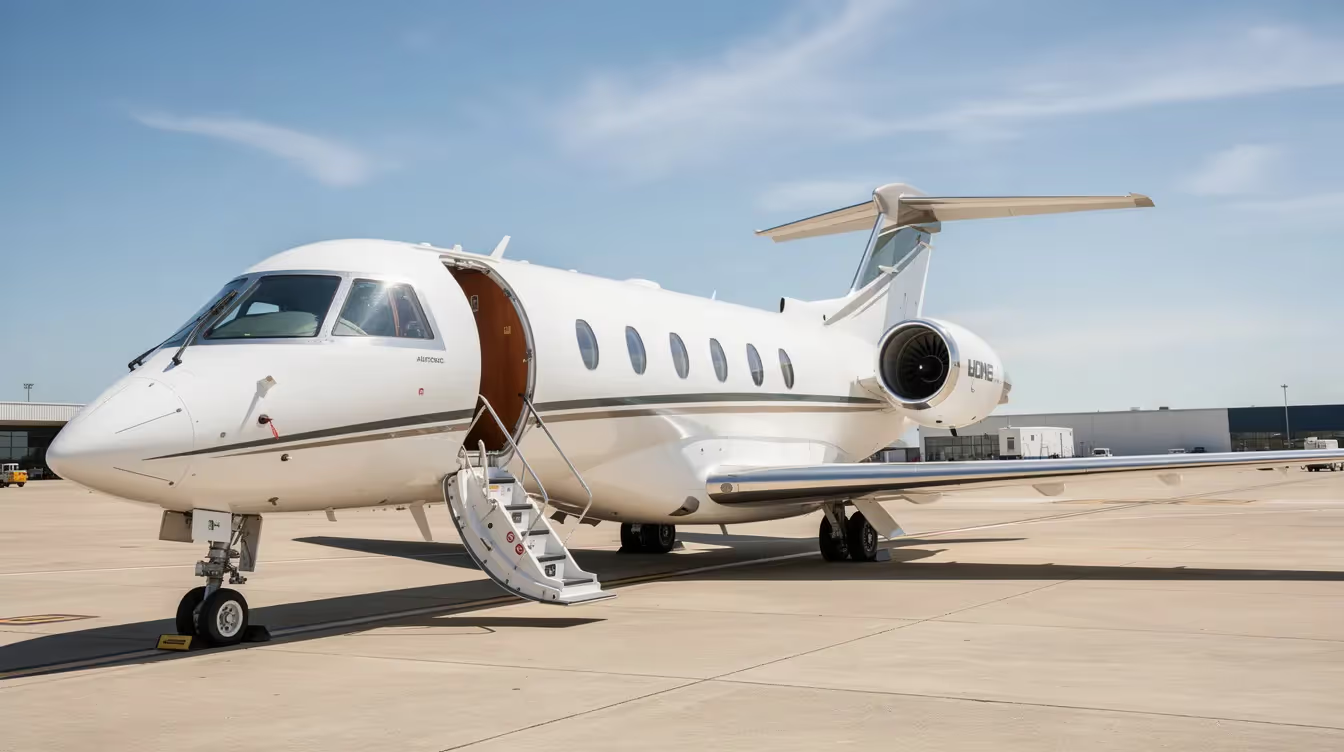
Private aviation presents higher fatality risks compared to commercial airlines, with general aviation accidents averaging 0.84–1.19 fatalities per 100,000 flight hours, while charter flights under FAA Part 135 regulations show significantly better safety metrics at 0.201 fatalities per 100,000 hours. The majority of private aviation accidents stem from pilot error, mechanical failure, and adverse weather, with landing accidents being the most common. Digital platforms like Jettly enhance safety by connecting travelers with vetted operators that adhere to stricter regulatory standards, thereby reducing risks associated with private flying. Overall, when professionally operated, private flights can be as safe as or safer than everyday road travel, especially when using reputable charter services.
Jay Franco Serevilla
Apr 14, 2026
|
5
min read


View all
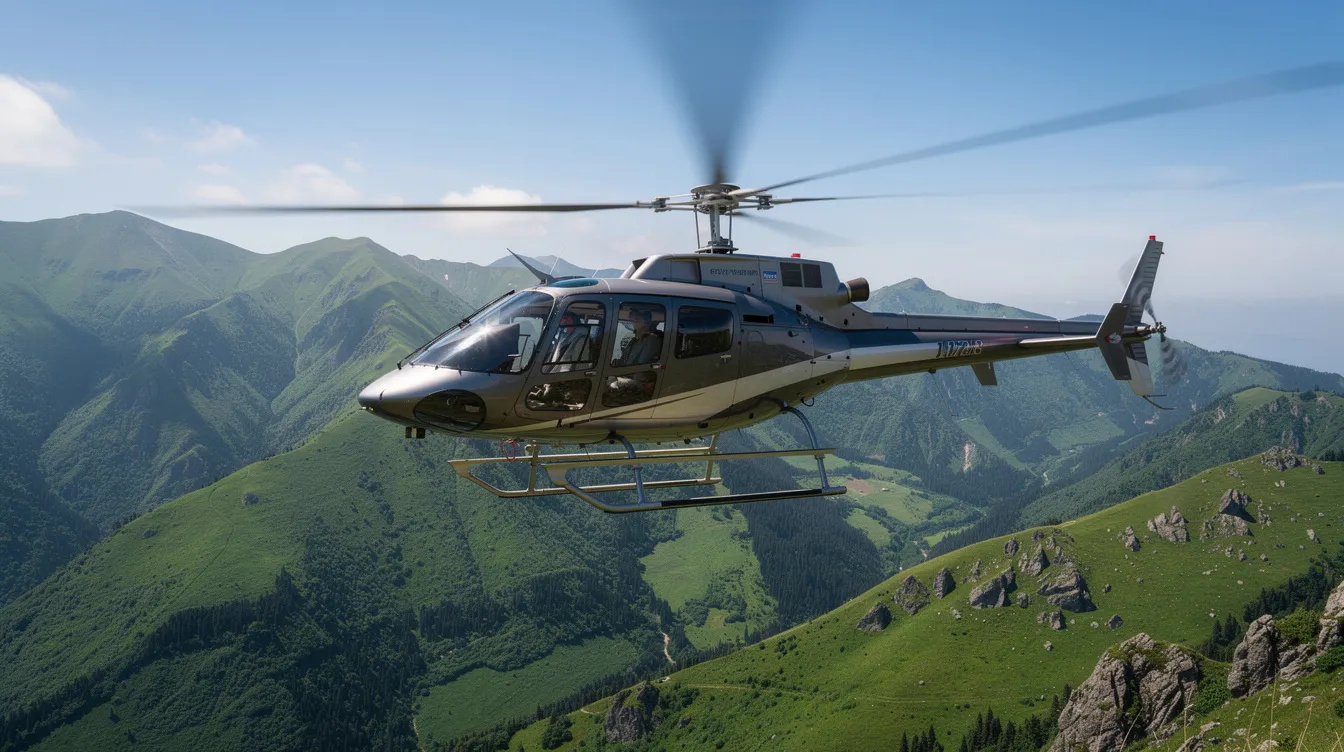
The Bell 407 is a versatile light helicopter known for its reliability and efficiency. Understanding its operating cost per hour is crucial for potential owners and charter operators, as it varies based on fixed and variable expenses. This guide provides a comprehensive breakdown of costs, helping you make informed decisions about ownership or chartering.
Jay Franco Serevilla
Oct 21, 2026
|
5
min read
View all
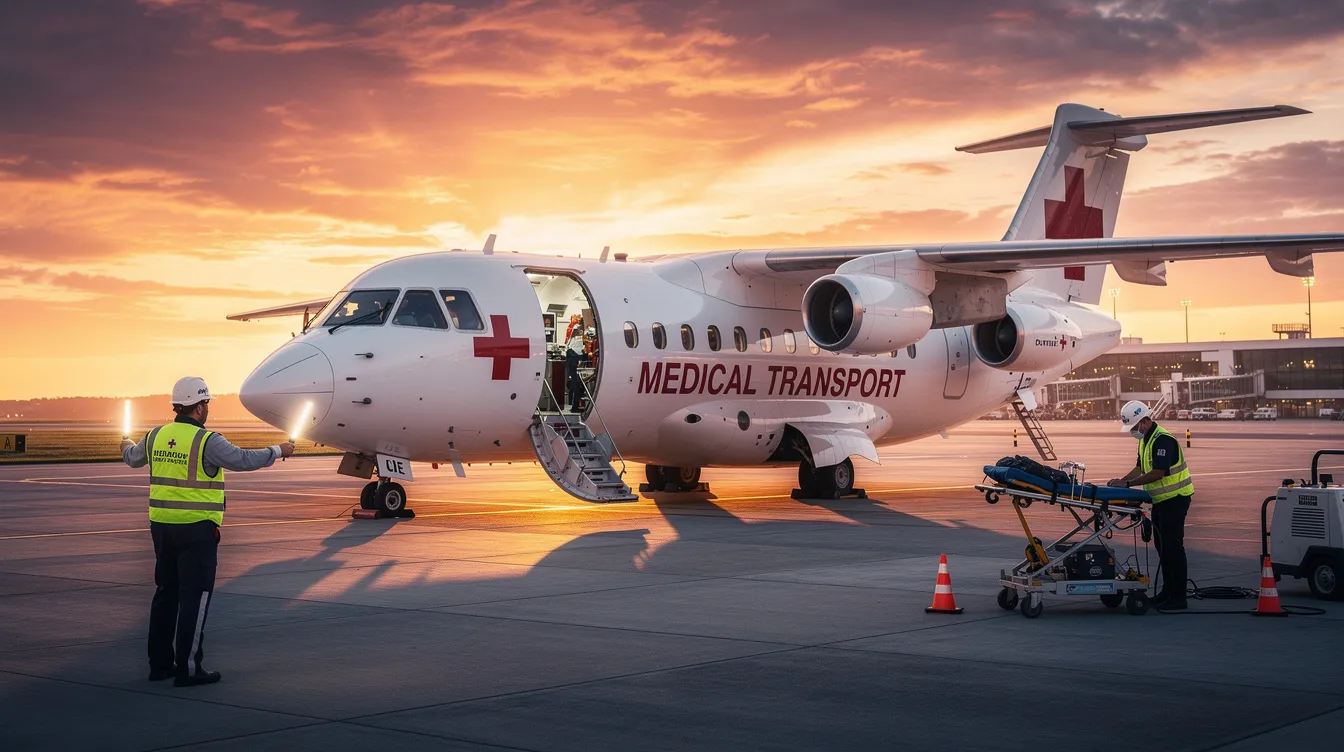
In 2026, medevac flight costs range from $25,000 for short domestic transfers to over $200,000 for complex international missions. Factors influencing pricing include distance, aircraft type, and patient medical needs. Understanding these costs is crucial for families facing urgent transport decisions, especially when insurance coverage varies significantly.
Jay Franco Serevilla
Oct 21, 2026
|
5
min read
View all
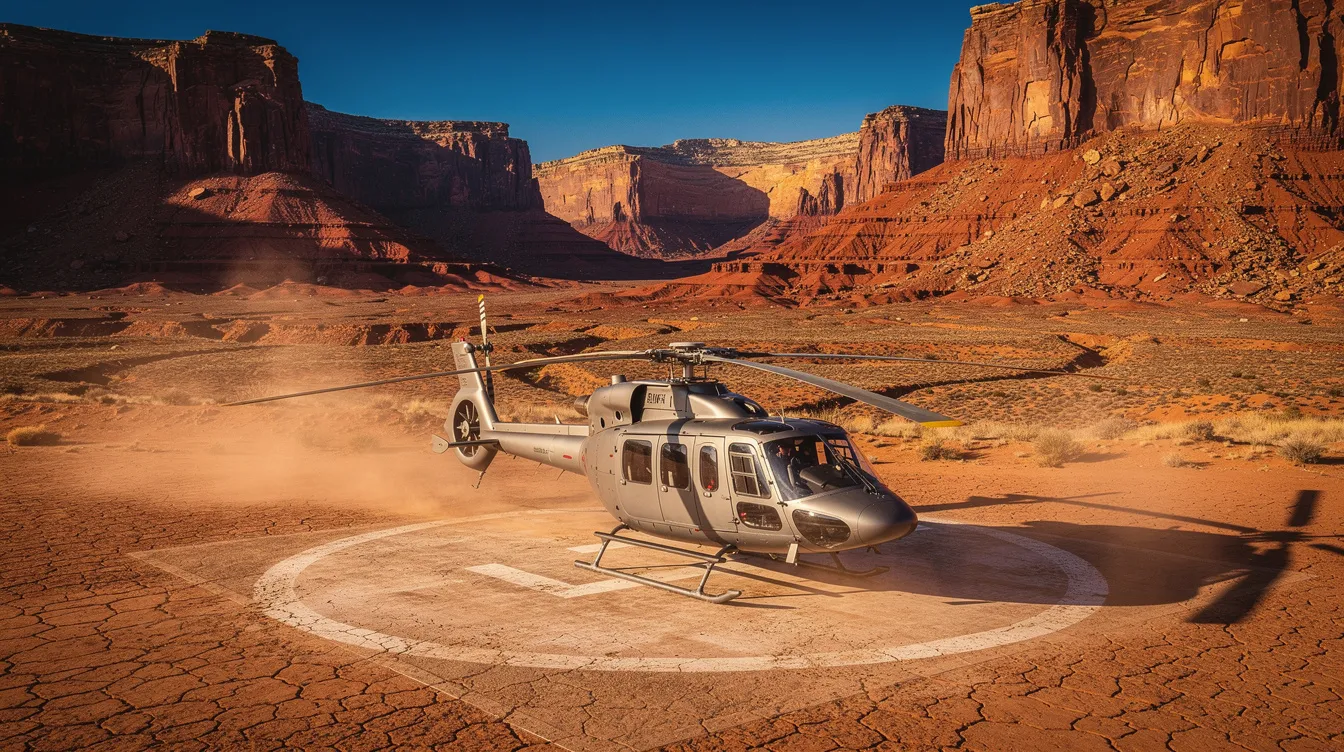
Planning a trip to Havasu Falls in 2026? The helicopter service offers a quick alternative to the challenging hike, costing approximately $300 one-way. Flights operate on select days and are first-come, first-served, so early arrival is essential. Remember, a valid permit is required for all visitors to access the falls.
Jay Franco Serevilla
Oct 20, 2026
|
5
min read
View all
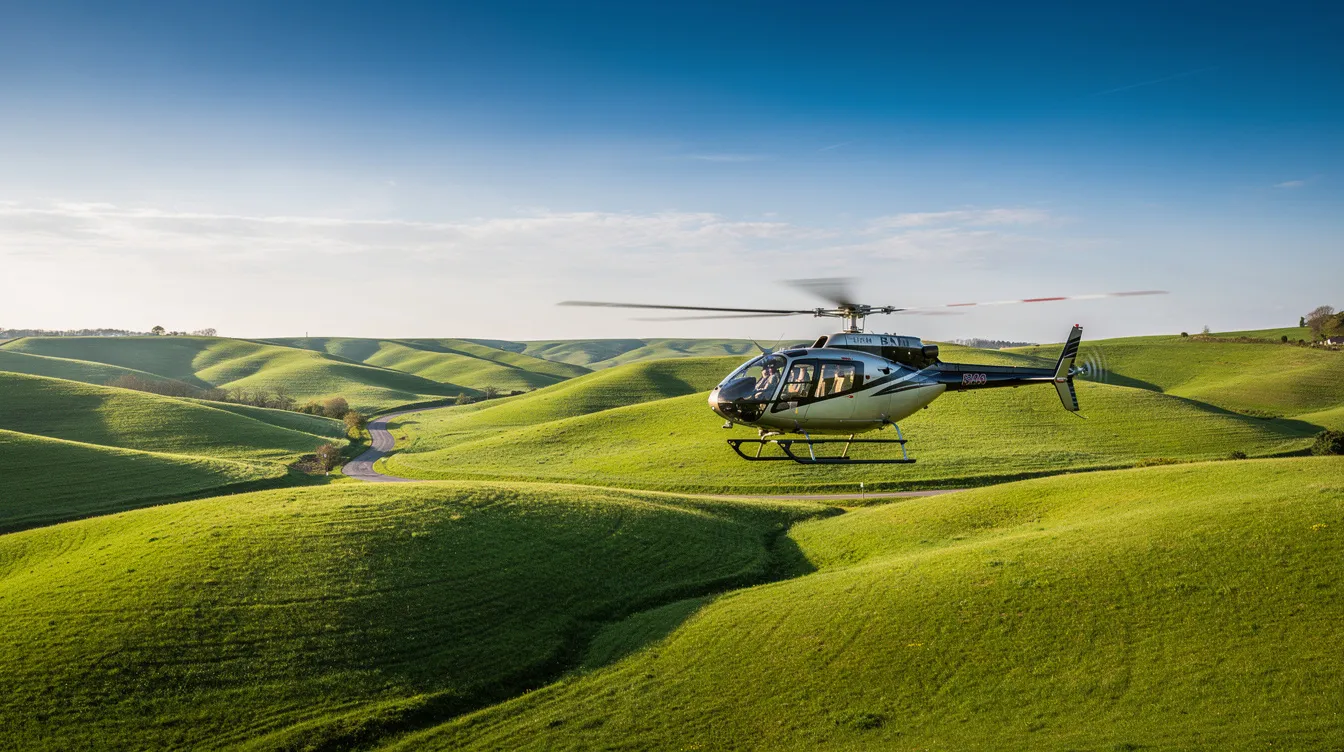
Becoming a helicopter pilot can take anywhere from 2 months to 2 years, depending on the type of license and training frequency. A private pilot license typically requires 40 flight hours, while a commercial license demands 150 hours. Factors such as training intensity, weather conditions, and flight school choice significantly influence the timeline and costs involved.
Jay Franco Serevilla
Oct 20, 2026
|
5
min read

View all
Leasing a helicopter provides operators and individuals with access to aircraft without the hefty upfront costs of ownership. This flexible arrangement allows for predictable payments and can be tailored to suit various operational needs, whether through wet or dry leases. For those flying less frequently, on-demand charter services may offer a more cost-effective solution.
Jay Franco Serevilla
Oct 20, 2026
|
5
min read
View all
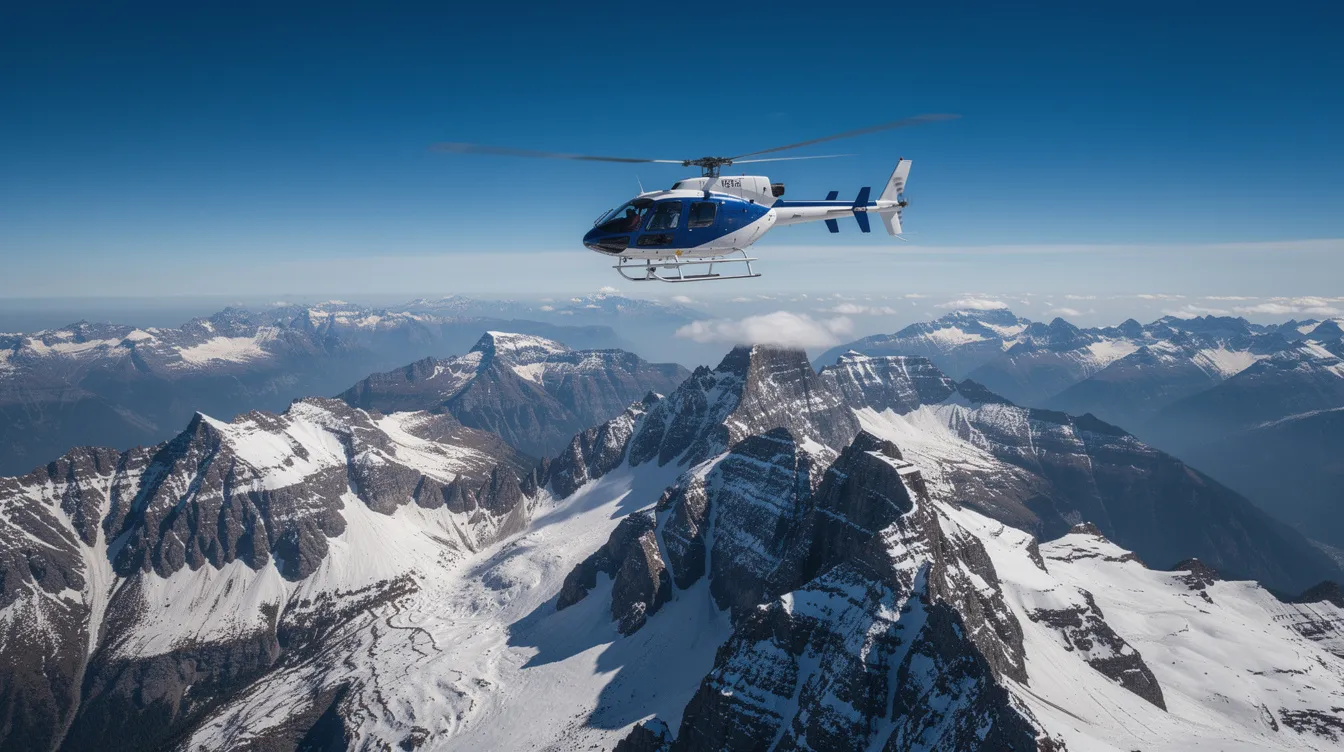
Helicopters typically fly between 500 and 5,000 feet during routine operations, with some models reaching service ceilings of 20,000 feet or more. The highest recorded flight reached 40,820 feet in 1972, but most helicopters operate much lower due to factors like air density and engine power. Understanding these limits is essential for travelers considering helicopter charters for various missions.
Jay Franco Serevilla
Oct 20, 2026
|
5
min read
Explore our latest articles and updates.
5
min read
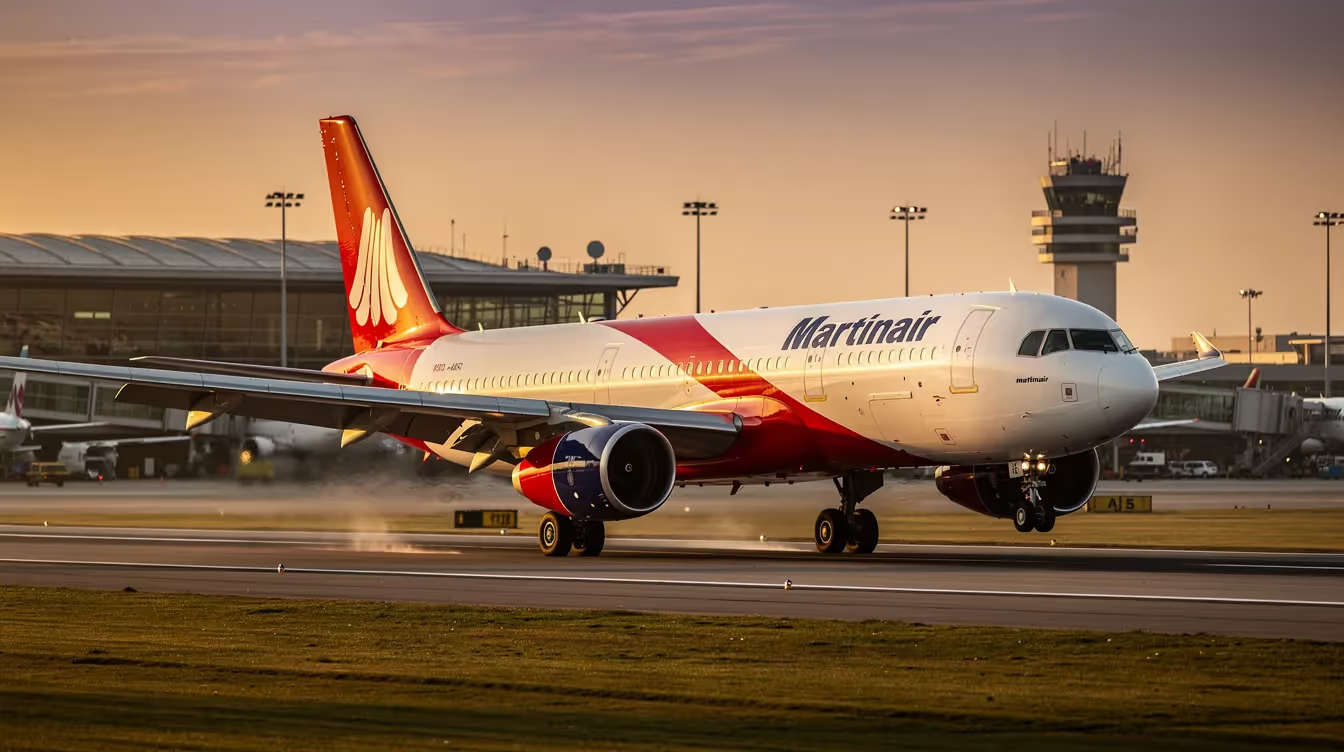
Martinair: Cargo Operations, Aircraft Charter Services, and Career Opportunities
Martinair is a Dutch cargo airline under the Air France–KLM group, specializing in global freight transportation with a fleet of Boeing 747 freighters, while U.S. operators like MartinAir and Martinaire focus on regional aircraft charter and cargo services. Since ceasing passenger flights in 2011, Martinair has concentrated on heavy logistics, express cargo, and specialized shipments, such as perishables and pharmaceuticals. For travelers and businesses needing flexible air travel, Jettly offers a digital marketplace for on-demand private charters, providing access to over 20,000 aircraft globally. This allows customers to efficiently compare options for both scheduled cargo services with Martinair and urgent charter needs through Jettly.
Read More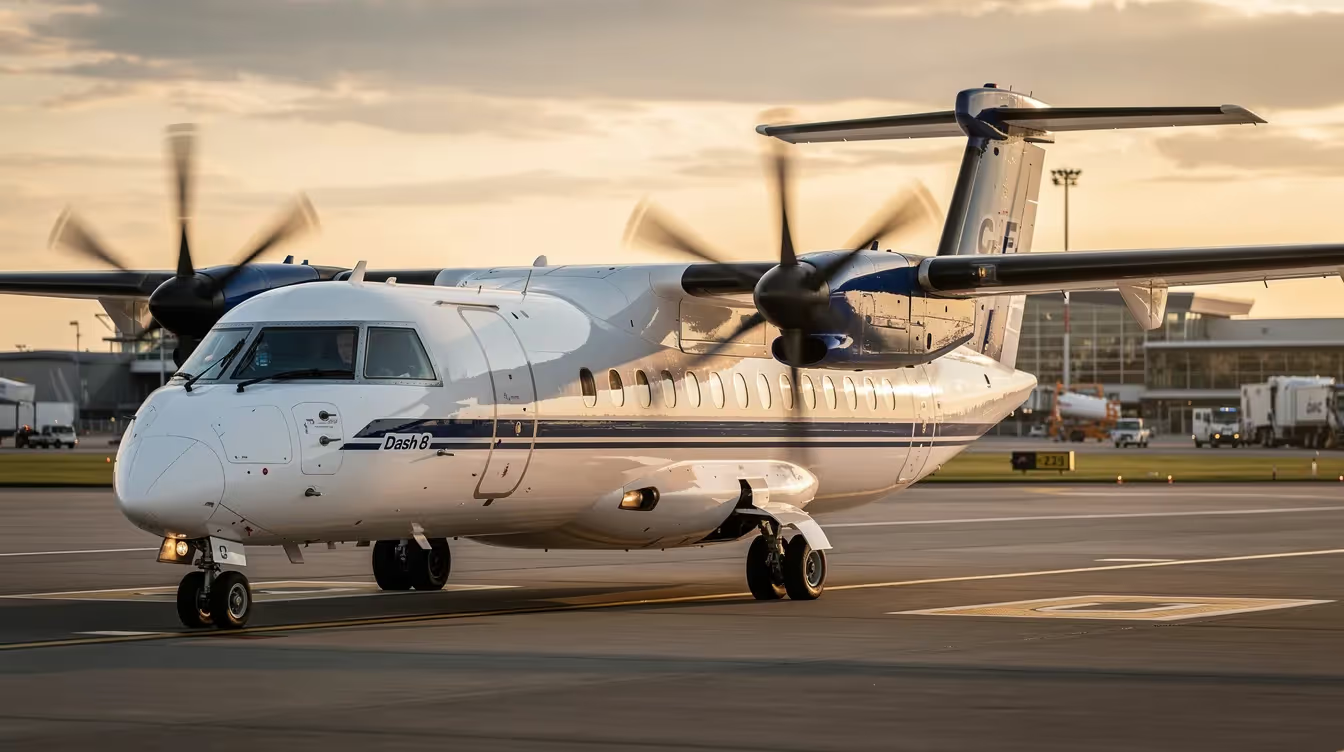
5
min read
Dash 8 Engine: Powering the DHC‑8 / Bombardier Dash 8 Turboprop
The Dash 8 engine, part of the Pratt & Whitney Canada PW100/PW150 family, powers the de Havilland Canada DHC-8 and Bombardier Dash 8 turboprop aircraft, known for their efficiency and reliability in regional air travel since the 1980s. These engines enable operations from shorter runways, making them suitable for diverse missions, including regional airlines and charter flights. The Dash 8 series has evolved through various upgrades, enhancing performance, capacity, and operational cost-effectiveness, particularly for routes under 1,200 nautical miles. Understanding the Dash 8 engine's capabilities helps travelers and operators evaluate turboprop options against jets for group charters and remote area access.
Read MoreJoin our community and receive the latest blog updates directly in your inbox.
MEMBERSHIPS AND ASSOCIATIONS



Disclaimer: Jettly operates as a charter broker, offering access to a global digital jet charter marketplace. Jettly is not a direct air carrier and does not own or operate aircraft. All advertised flights are conducted by third-party air carriers that are fully licensed and hold the appropriate Part 135 or Part 121 certifications issued by the Federal Aviation Administration (FAA) or equivalent regulatory authorities under U.S. or foreign law. Jettly complies fully with the U.S. Department of Transportation's Part 295 and Part 298 Charter Broker regulations. Jettly does not carry additional liability insurance. Passengers are covered by aircraft operator insurance. TICO: 50023770


