



Login
Get Instant Pricing On 23,000+ Aircraft

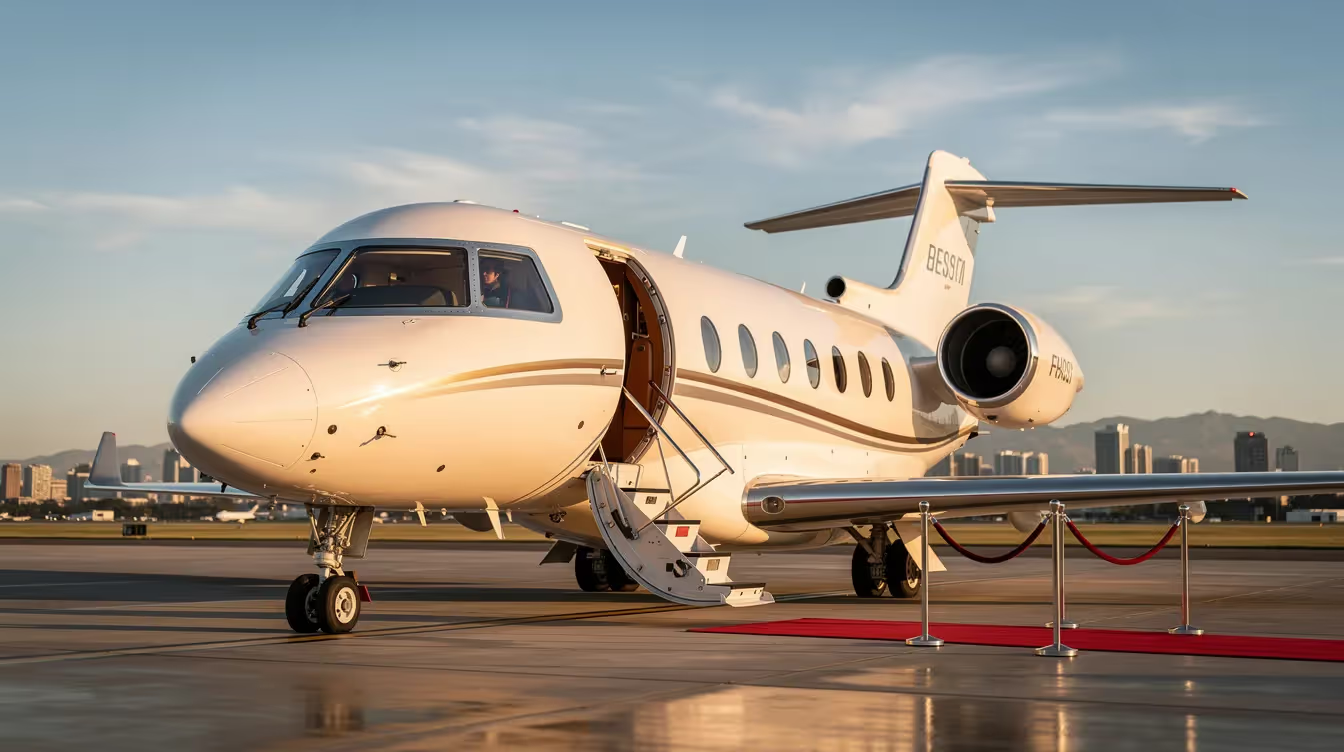
A $15 million private jet typically includes new light or super-light jets, or late-model midsize and super-midsize aircraft, suitable for transcontinental travel with luxurious amenities for 8-12 passengers. Many travelers are opting for charter services like Jettly instead of ownership due to lower financial commitments and flexibility, especially for those flying under 200-250 hours annually. Operating costs can reach $800,000 to $1.5 million per year, significantly exceeding the initial purchase price, making chartering a more economical choice for infrequent flyers. Additionally, sustainability initiatives, such as Sustainable Aviation Fuel and carbon offset programs, are increasingly integrated into private aviation, allowing travelers to reduce their carbon footprint while enjoying the benefits of private jet travel.
Jay Franco Serevilla
Apr 14, 2026
|
5
min read



View all
Passenger airline crashes are rare, with commercial aviation being the safest mode of mass transportation today. In 2023, there were zero fatal accidents involving passenger jets, highlighting the effectiveness of safety regulations and advancements in technology. This article explores the history of airline crashes, safety measures, and what travelers should know about aviation safety.
Jay Franco Serevilla
Oct 20, 2026
|
5
min read
View all
Worldwide jet charter has transformed private air travel into a practical solution for executives, families, and urgent travelers. With access to over 20,000 aircraft globally, Jettly offers flexible, efficient, and direct flights that save time and enhance the travel experience. This guide outlines how jet charter works, its benefits, and how to navigate the booking process seamlessly.
Jay Franco Serevilla
Oct 20, 2026
|
5
min read
View all
Charter airlines provide flexible, on-demand flights tailored to travelers' needs, allowing them to choose routes, timings, and passenger lists. Platforms like Jettly connect users to a vast network of certified operators, offering a range of aircraft options from turboprops to heavy jets. This guide explores the benefits of private charters, including cost comparisons and safety standards, making it easier for travelers to navigate the world of private aviation.
Jay Franco Serevilla
Oct 20, 2026
|
5
min read

View all
Widebody airliners, also known as twin-aisle aircraft, are crucial for long-haul travel, accommodating 200 to 850 passengers. This guide explores their evolution, key models, and how they enhance passenger comfort while connecting global cities. Discover how private jet charters complement these commercial flights for seamless travel experiences.
Jay Franco Serevilla
Oct 20, 2026
|
5
min read
View all
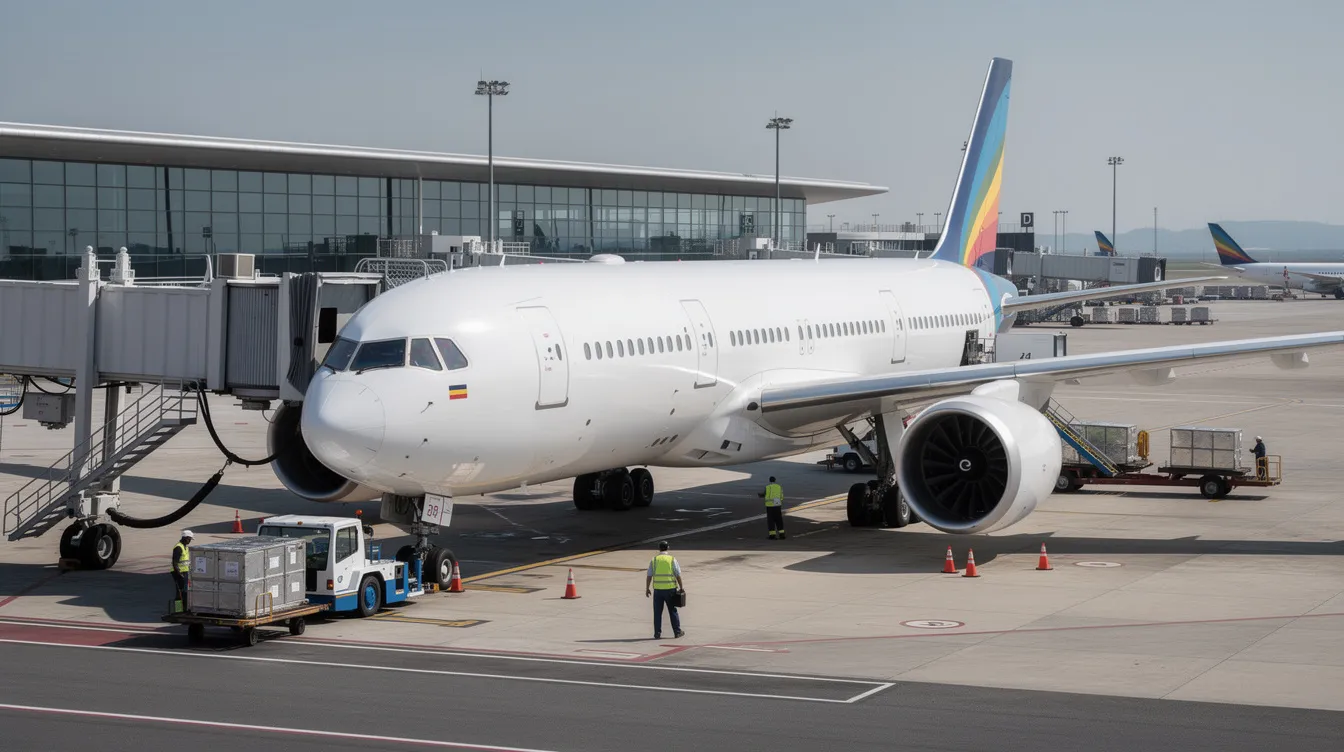
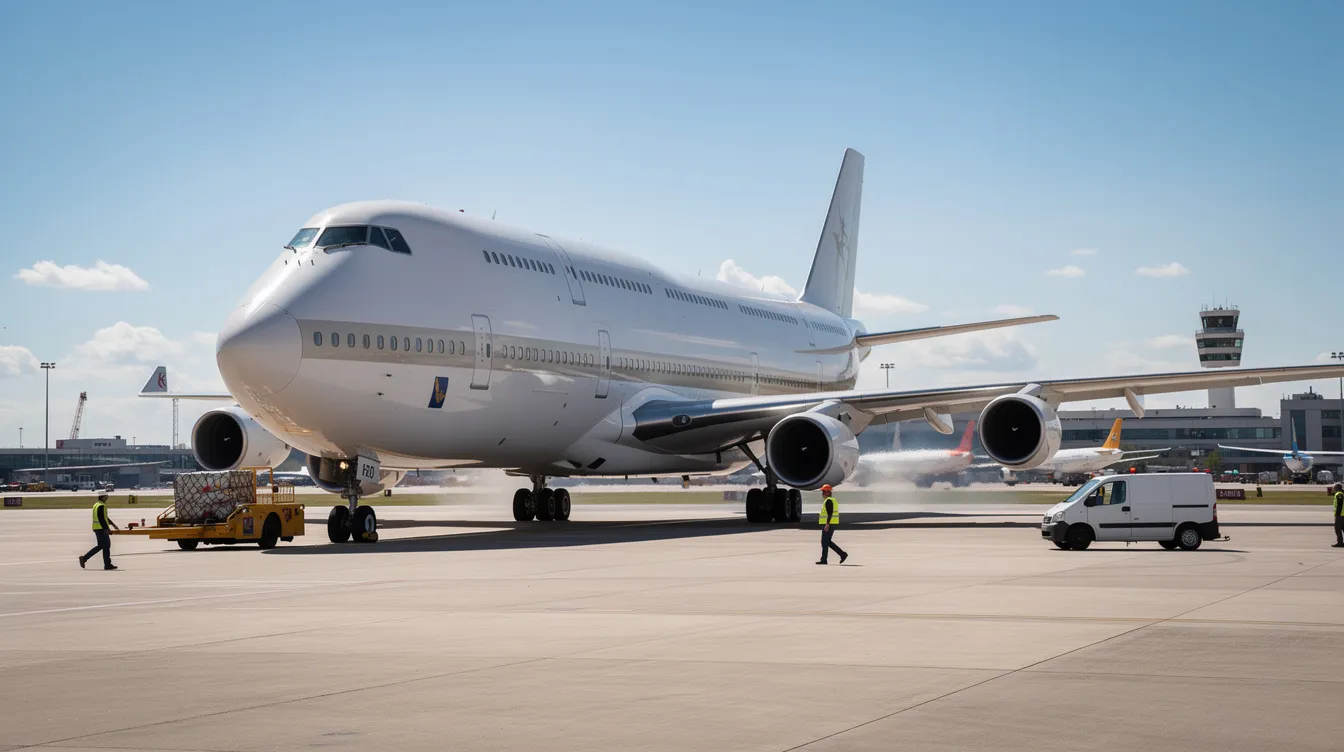
Boeing planes vary significantly in size, from the compact 737 MAX to the expansive 747-8. Understanding these dimensions helps travelers make informed decisions about comfort and capacity, whether flying commercially or considering private jets. This guide details the key metrics of Boeing aircraft, aiding in the selection of the right plane for any journey.
Jay Franco Serevilla
Oct 20, 2026
|
5
min read
View all
The Airbus A380, with a maximum takeoff weight of approximately 575,000 kg, is the heaviest passenger aircraft ever built. Its weight impacts everything from fuel efficiency to airport compatibility, making it a marvel of engineering. While it excels in capacity and range, the shift towards lighter, more flexible aircraft has changed the landscape of commercial aviation.
Jay Franco Serevilla
Oct 20, 2026
|
5
min read
Explore our latest articles and updates.
5
min read
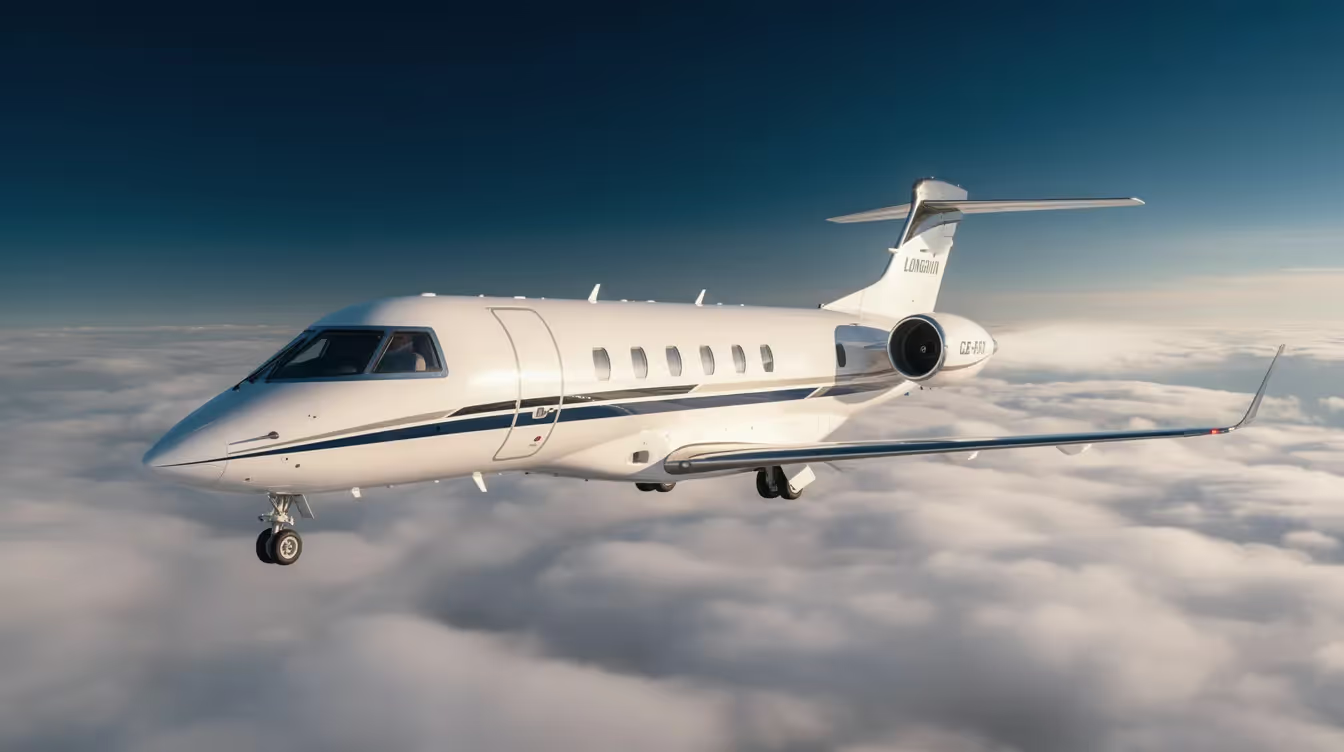
Citation Longitude: Super-Midsize Performance, Quiet Cabin Comfort, and Charter Value
The Cessna Citation Longitude is a super-midsize business jet known for its long-range performance, quiet cabin, and modern avionics, making it an attractive charter option. It accommodates 8–12 passengers with a maximum range of 3,500 nautical miles and features a flat floor cabin that enhances comfort during flights. With advanced safety features and efficient operating economics, the Longitude is ideal for both business and leisure travel, particularly for trips over 2,000–2,500 nautical miles. Jettly facilitates easy comparisons and bookings for the Citation Longitude, providing transparent pricing and access to vetted operators.
Read More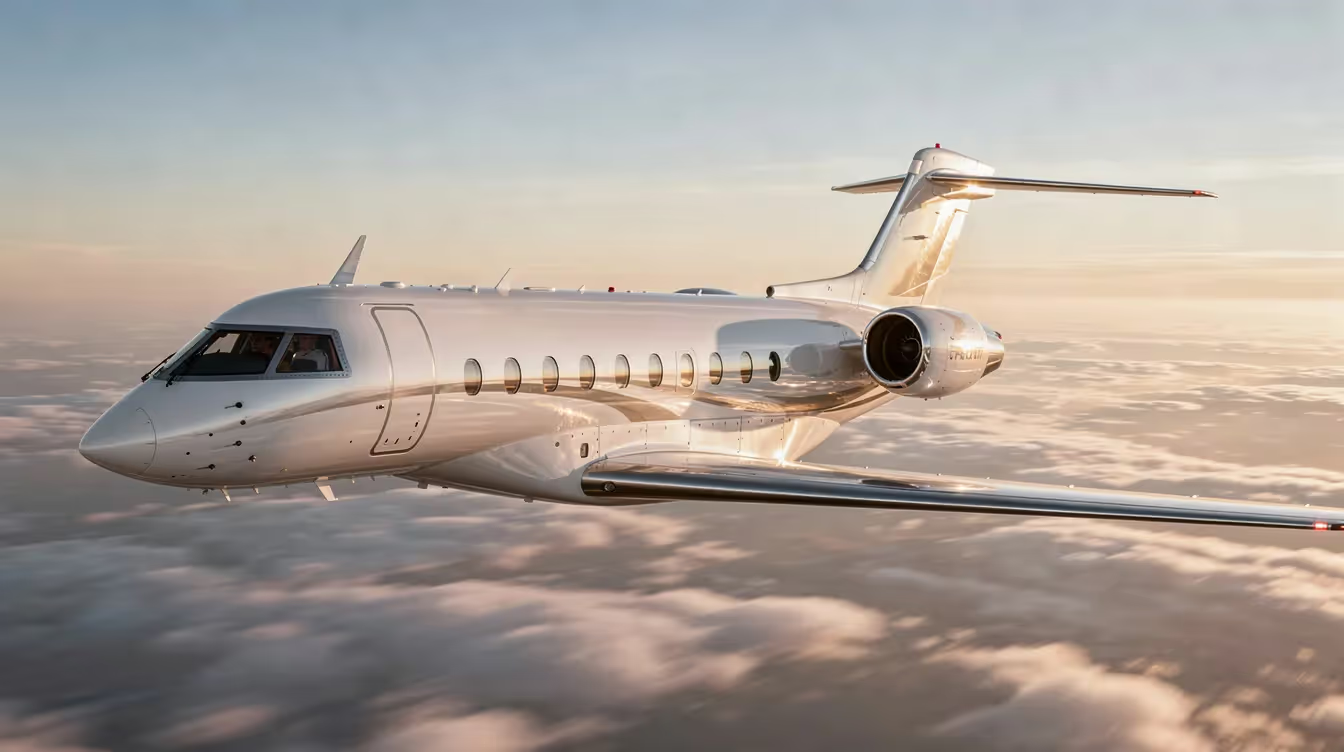
5
min read
When Is the Cheapest Time to Buy Flights? (And How Private Jet Pricing Works)
The best time to buy flights varies based on several factors, including booking windows, seasonality, and route demand, rather than a specific day or hour. For domestic flights, booking 1 to 3 months in advance is ideal, while international flights are best booked 2 to 8 months ahead. Midweek flights, particularly on Tuesdays and Wednesdays, tend to be cheaper, and travelers can save significantly by monitoring price alerts and being flexible with travel dates. Private jet pricing operates differently, focusing on aircraft availability and mission costs, with empty leg flights offering substantial discounts compared to standard charters.
Read MoreJoin our community and receive the latest blog updates directly in your inbox.
MEMBERSHIPS AND ASSOCIATIONS



Disclaimer: Jettly operates as a charter broker, offering access to a global digital jet charter marketplace. Jettly is not a direct air carrier and does not own or operate aircraft. All advertised flights are conducted by third-party air carriers that are fully licensed and hold the appropriate Part 135 or Part 121 certifications issued by the Federal Aviation Administration (FAA) or equivalent regulatory authorities under U.S. or foreign law. Jettly complies fully with the U.S. Department of Transportation's Part 295 and Part 298 Charter Broker regulations. Jettly does not carry additional liability insurance. Passengers are covered by aircraft operator insurance. TICO: 50023770


