



Login
Get Instant Pricing On 23,000+ Aircraft

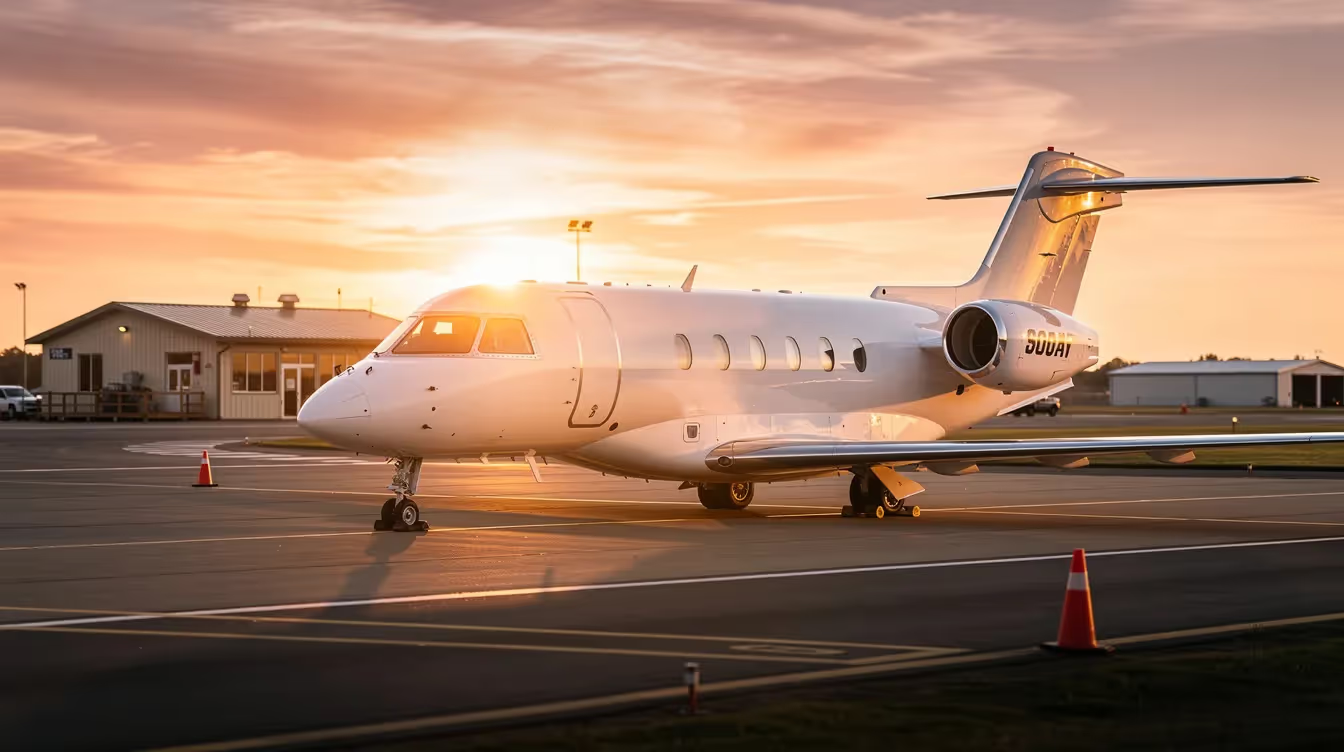
Aero Private Jet offers a semi-private aviation experience that combines the luxury of private jets with the affordability of commercial flights, allowing travelers to purchase individual seats on scheduled routes. This model provides access to private terminals, premium cabin features, and a more comfortable travel experience compared to commercial airlines. In contrast, Jettly specializes in on-demand charters, offering entire aircraft for custom routes and greater flexibility, particularly for groups or specific travel needs. Ultimately, the choice between Aero's semi-private flights and Jettly's charters depends on factors like group size, budget, and desired privacy.
Jay Franco Serevilla
Apr 11, 2026
|
5
min read



View all
In 2026, aviation safety continues to improve, with over 600 aviation accidents reported in the U.S. by September, primarily involving small general aviation aircraft. Fatal accidents remain rare in commercial aviation, with only a handful of incidents globally. Understanding the context of these numbers is crucial for travelers concerned about flying safety.
Jay Franco Serevilla
Oct 20, 2026
|
5
min read
View all
Passenger airline crashes are rare, with commercial aviation being the safest mode of mass transportation today. In 2023, there were zero fatal accidents involving passenger jets, highlighting the effectiveness of safety regulations and advancements in technology. This article explores the history of airline crashes, safety measures, and what travelers should know about aviation safety.
Jay Franco Serevilla
Oct 20, 2026
|
5
min read
View all
Worldwide jet charter has transformed private air travel into a practical solution for executives, families, and urgent travelers. With access to over 20,000 aircraft globally, Jettly offers flexible, efficient, and direct flights that save time and enhance the travel experience. This guide outlines how jet charter works, its benefits, and how to navigate the booking process seamlessly.
Jay Franco Serevilla
Oct 20, 2026
|
5
min read
View all
Charter airlines provide flexible, on-demand flights tailored to travelers' needs, allowing them to choose routes, timings, and passenger lists. Platforms like Jettly connect users to a vast network of certified operators, offering a range of aircraft options from turboprops to heavy jets. This guide explores the benefits of private charters, including cost comparisons and safety standards, making it easier for travelers to navigate the world of private aviation.
Jay Franco Serevilla
Oct 20, 2026
|
5
min read
View all
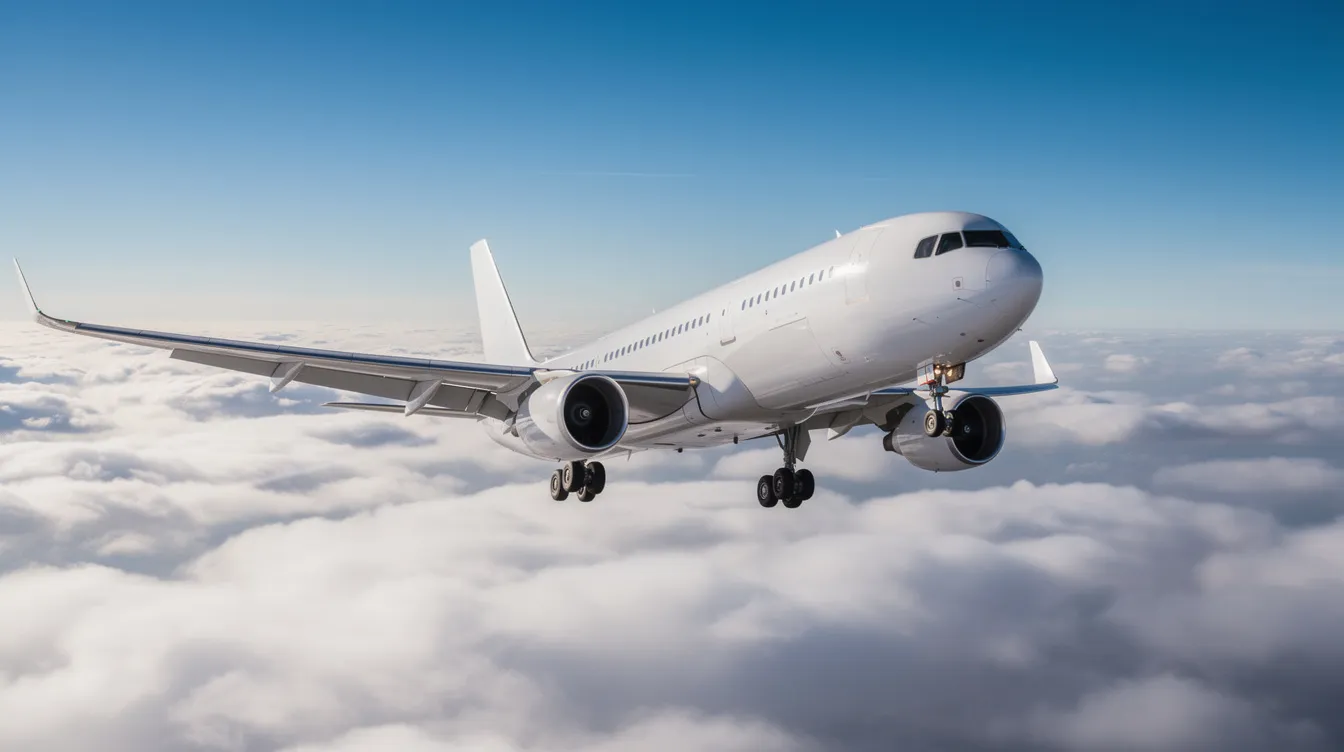
Widebody airliners, also known as twin-aisle aircraft, are crucial for long-haul travel, accommodating 200 to 850 passengers. This guide explores their evolution, key models, and how they enhance passenger comfort while connecting global cities. Discover how private jet charters complement these commercial flights for seamless travel experiences.
Jay Franco Serevilla
Oct 20, 2026
|
5
min read
View all
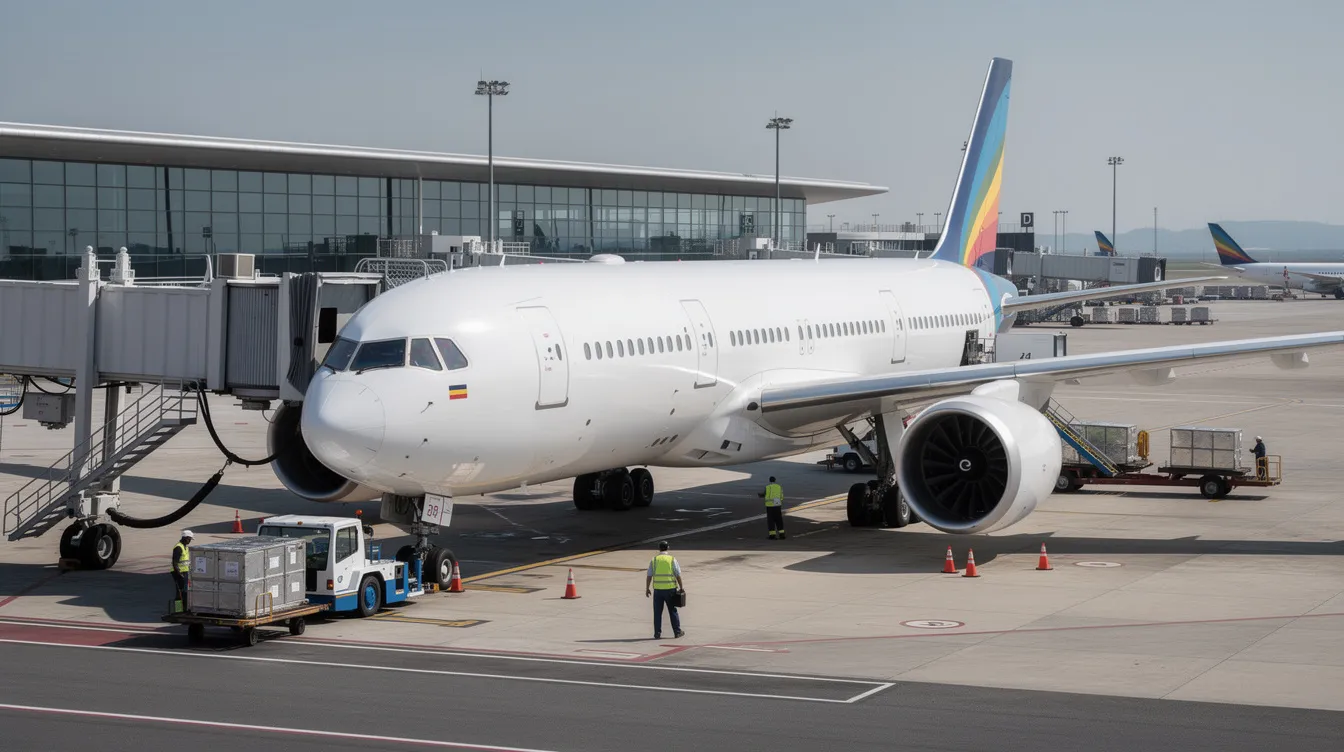
Boeing planes vary significantly in size, from the compact 737 MAX to the expansive 747-8. Understanding these dimensions helps travelers make informed decisions about comfort and capacity, whether flying commercially or considering private jets. This guide details the key metrics of Boeing aircraft, aiding in the selection of the right plane for any journey.
Jay Franco Serevilla
Oct 20, 2026
|
5
min read
Explore our latest articles and updates.
5
min read
Can You Take Cigarettes on an Airplane? (Commercial & Private Jet Rules)
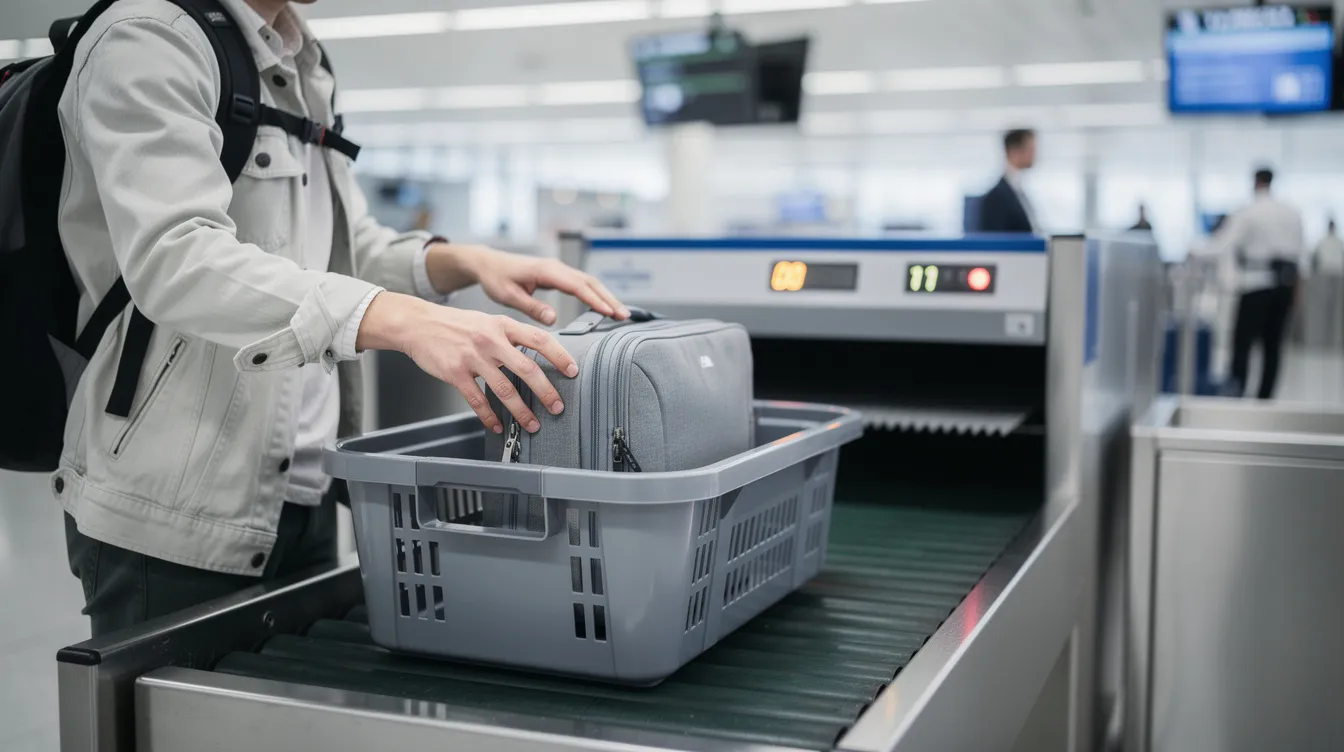
Cigarettes can be carried in both carry-on and checked luggage on most airlines, but smoking on commercial flights is strictly prohibited, with fines up to $4,000 for violations. While there are no domestic limits on the number of cigarettes for personal use in the U.S., international travel is subject to customs regulations, typically allowing around 200 cigarettes duty-free per adult, though this varies by country. Lighters, vapes, and other smoking accessories have stricter rules, often requiring them to be kept in carry-on luggage only. Private jet charters may allow smoking if permitted by the aircraft owner and operator, offering more flexibility compared to commercial flights.
Read More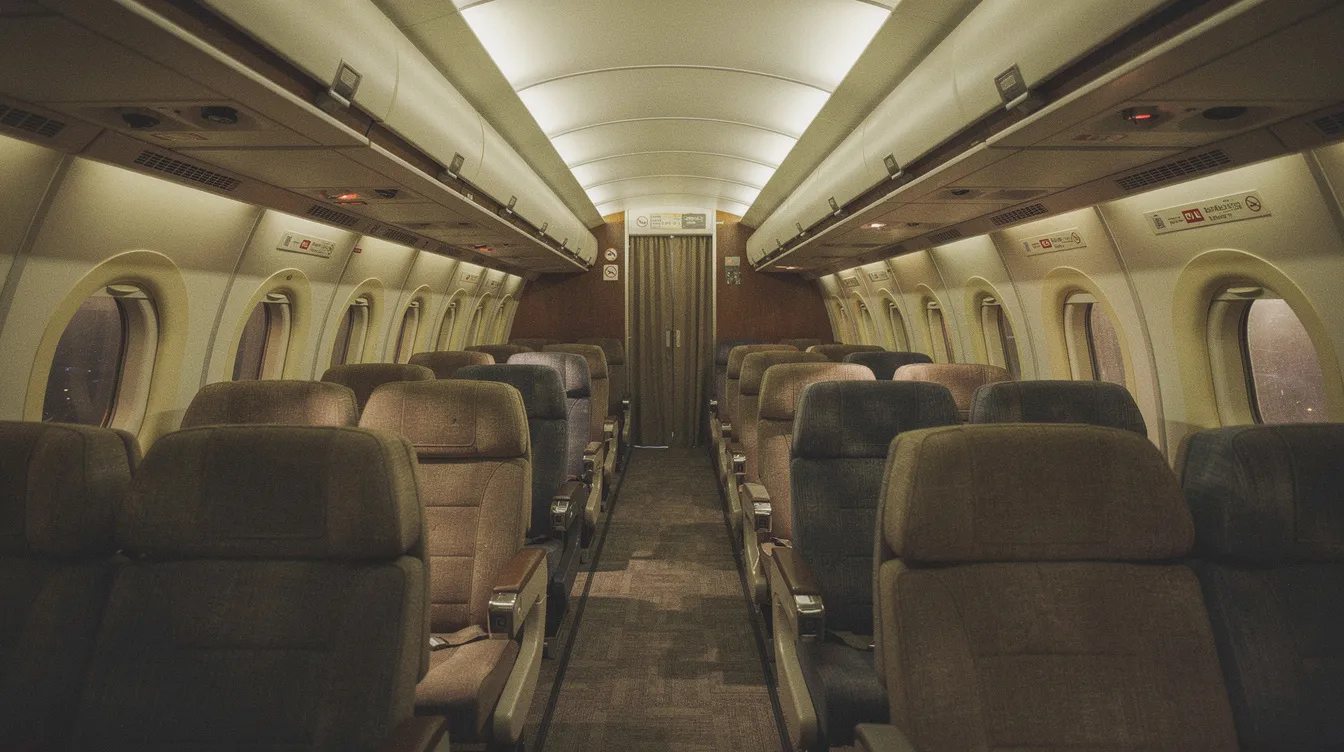
5
min read
When Was Smoking on Airplanes Banned? A Timeline for Commercial and Private Flights
Smoking on U.S. airplanes was gradually banned, starting with domestic flights under two hours in 1988 and culminating in a complete federal ban on June 4, 2000. This movement was driven by health and safety concerns, particularly regarding secondhand smoke and fire risks, despite resistance from the tobacco industry. By the early 2000s, most commercial airlines worldwide had adopted similar smoking bans, leading to a universal expectation of smoke-free flights. Today, smoking and vaping are prohibited on nearly all commercial and private flights, reflecting a commitment to passenger safety and comfort.
Read MoreJoin our community and receive the latest blog updates directly in your inbox.
MEMBERSHIPS AND ASSOCIATIONS



Disclaimer: Jettly operates as a charter broker, offering access to a global digital jet charter marketplace. Jettly is not a direct air carrier and does not own or operate aircraft. All advertised flights are conducted by third-party air carriers that are fully licensed and hold the appropriate Part 135 or Part 121 certifications issued by the Federal Aviation Administration (FAA) or equivalent regulatory authorities under U.S. or foreign law. Jettly complies fully with the U.S. Department of Transportation's Part 295 and Part 298 Charter Broker regulations. Jettly does not carry additional liability insurance. Passengers are covered by aircraft operator insurance. TICO: 50023770


