



Login
Get Instant Pricing On 23,000+ Aircraft

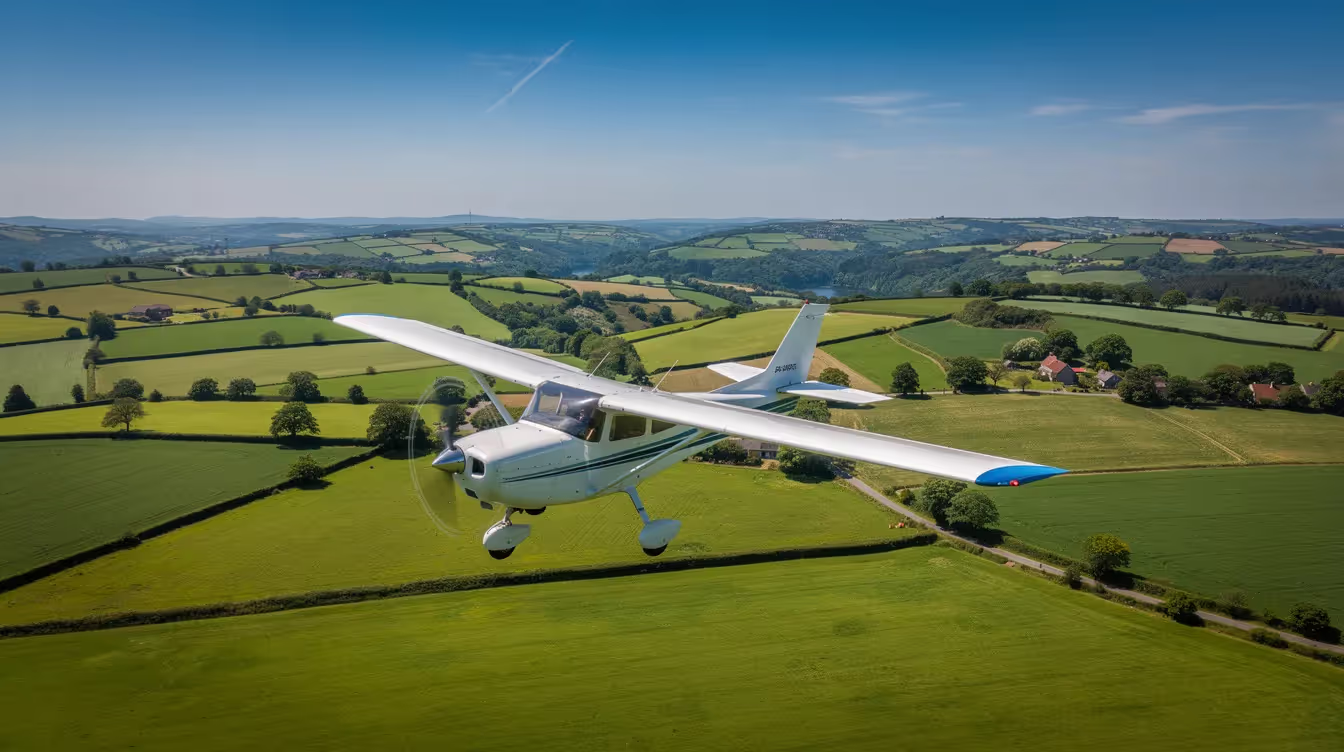
The Cessna 150, introduced in 1959, is a highly influential two-seat training aircraft that has helped hundreds of thousands of pilots earn their wings, remaining a staple in flight schools and flying clubs worldwide. With nearly 23,839 units produced, it is known for its forgiving handling, low operating costs, and simple systems, making it ideal for student pilots. While it excels in training and recreational flying, its limited capacity and range make it unsuitable for business or family travel, where larger charter aircraft are more appropriate. As pilots progress from the Cessna 150, they often transition to more capable aircraft for their evolving travel needs, sometimes utilizing charter services like Jettly for efficient transportation.
Jay Franco Serevilla
Apr 18, 2026
|
5
min read


View all
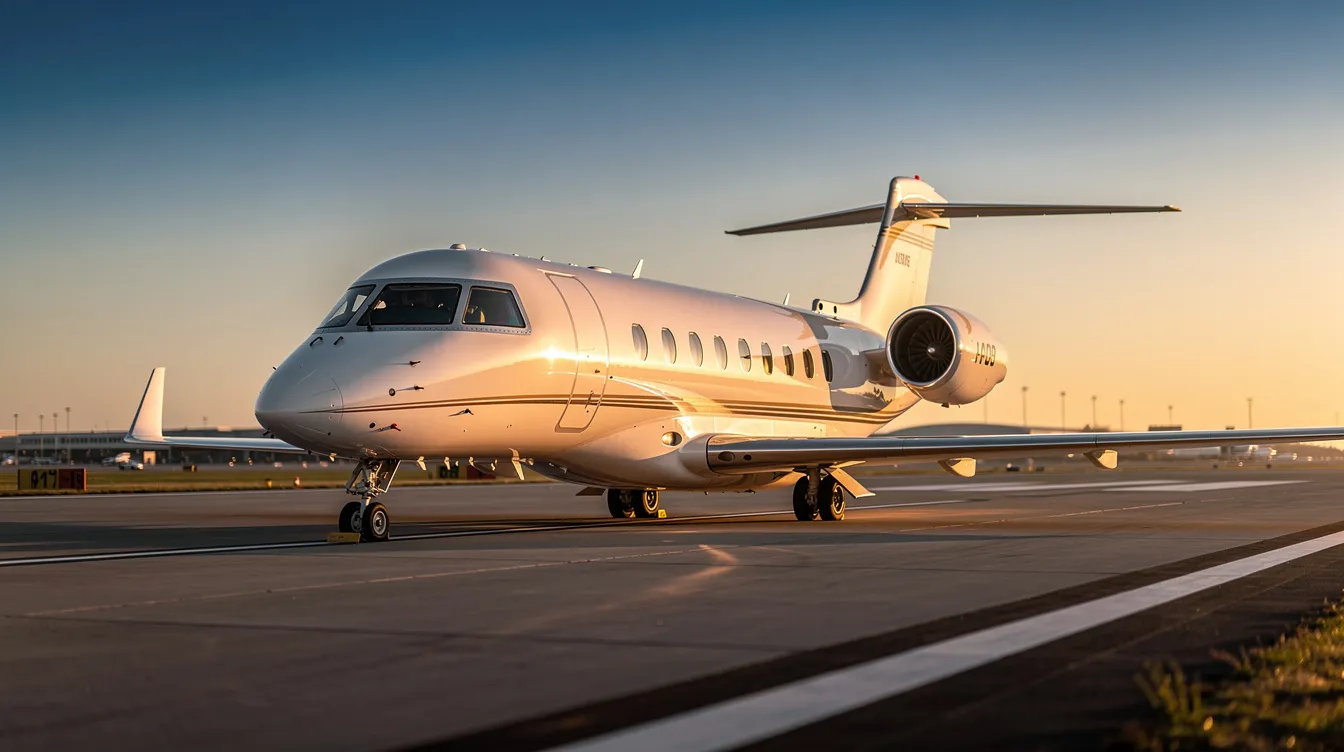
Traveling from Minneapolis–St. Paul (MSP) to Key West (EYW) requires planning, as there are no year-round nonstop commercial flights. Travelers can choose between connecting flights through major hubs or opt for a private jet charter for a quicker, more direct route. This guide provides insights on flight options, pricing, and tips for a smooth journey to the sunny shores of Key West.
Jay Franco Serevilla
Nov 2, 2026
|
5
min read
View all
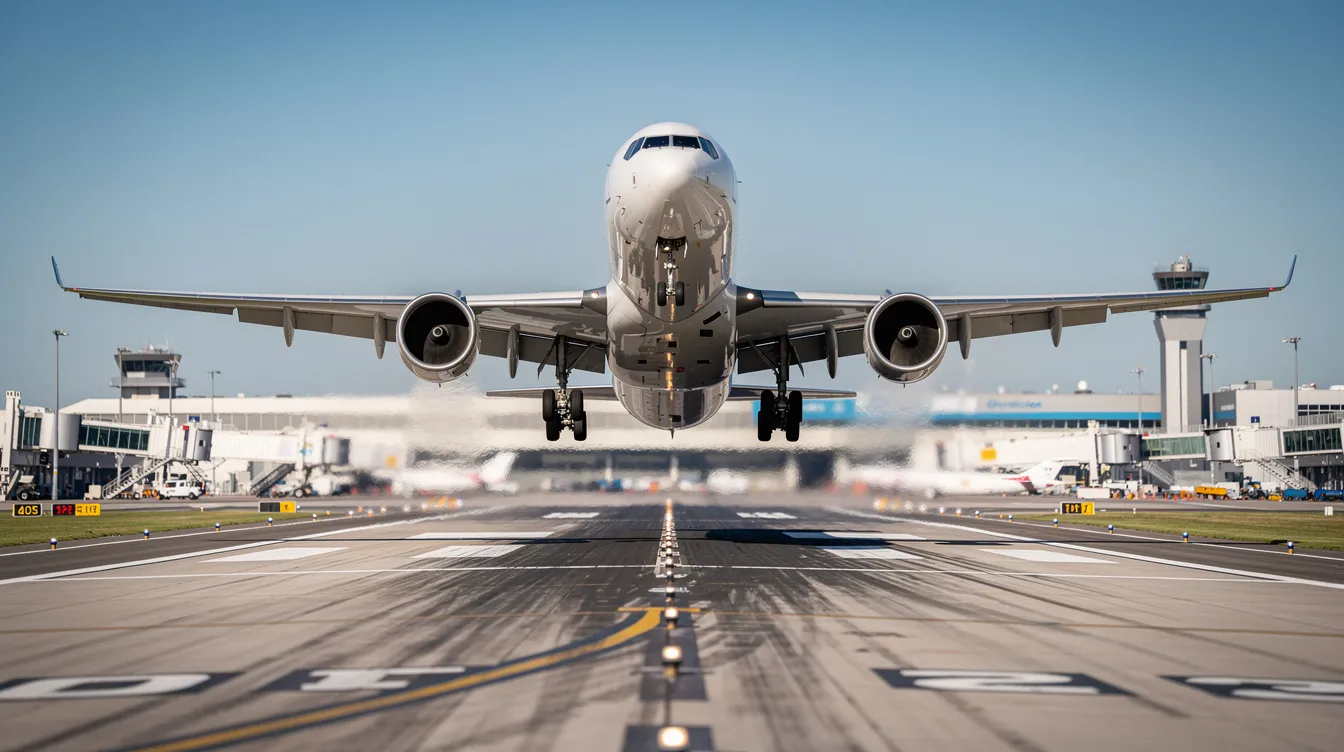
The Boeing 777 requires approximately 9,000 to 11,000 feet of runway for takeoff at maximum weight under standard conditions. Landing distances are shorter, typically ranging from 5,500 to 7,000 feet. Factors such as aircraft weight, temperature, and runway conditions significantly influence these requirements.
Jay Franco Serevilla
Nov 2, 2026
|
5
min read
View all
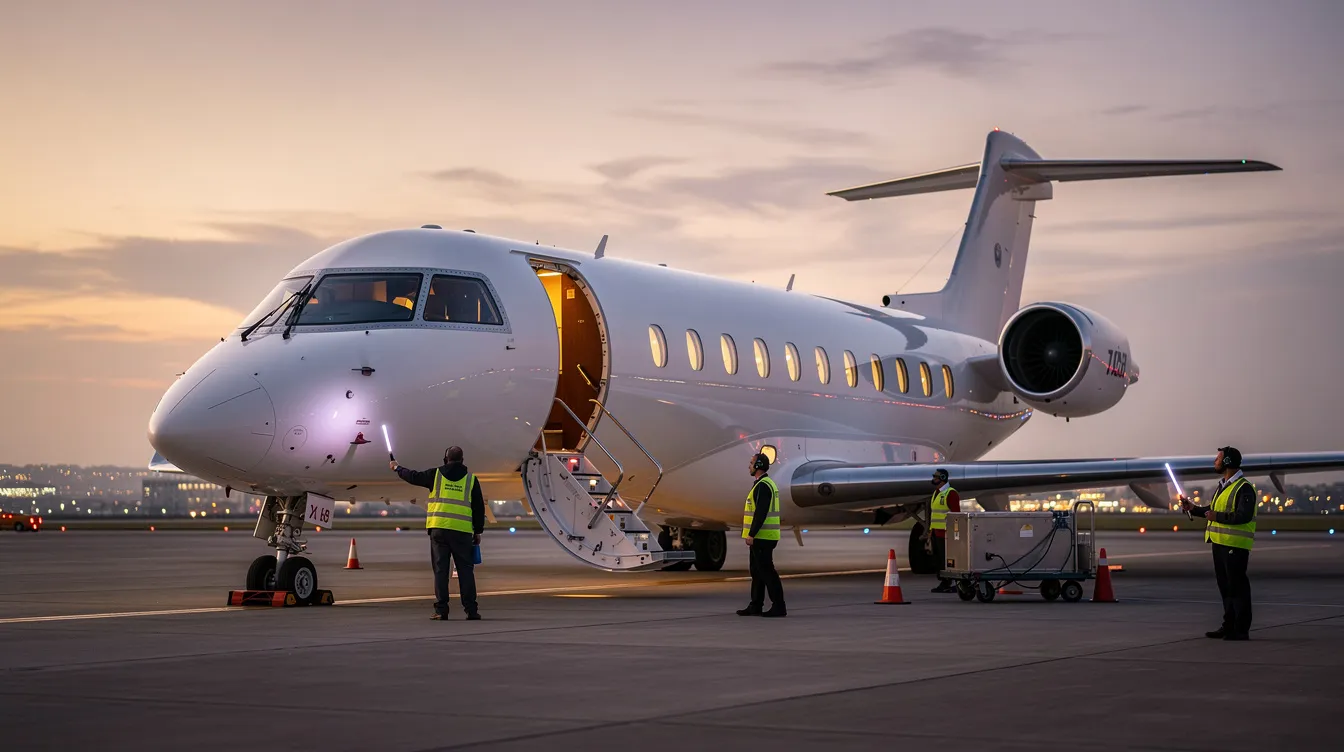
In 2026, private jet charter prices vary significantly based on aircraft type, with costs ranging from $1,800 to over $20,000 per flight hour. Additional expenses such as taxes, fees, and crew costs can increase the total trip price by 20-40%. This guide provides insights into the factors influencing these prices and offers strategies to reduce costs while maintaining comfort.
Jay Franco Serevilla
Nov 2, 2026
|
5
min read
View all
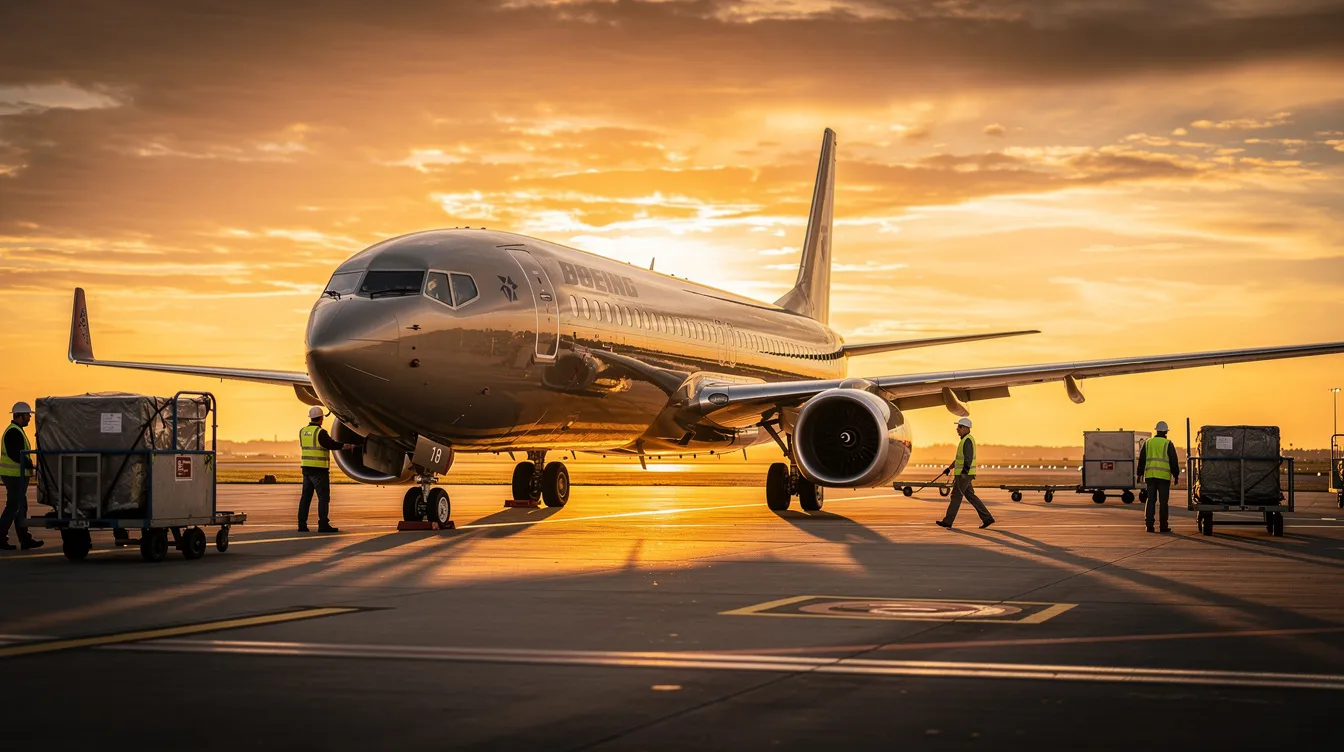
The Boeing 737 typically achieves around 0.5 to 0.7 miles per gallon at the aircraft level, translating to approximately 60 to 110 miles per gallon per passenger when fully loaded. The newer 737 MAX models improve fuel efficiency by 14-20%, reaching about 0.75 to 0.8 MPG. Understanding these figures helps travelers compare commercial jets with private aircraft options.
Jay Franco Serevilla
Nov 2, 2026
|
5
min read
View all
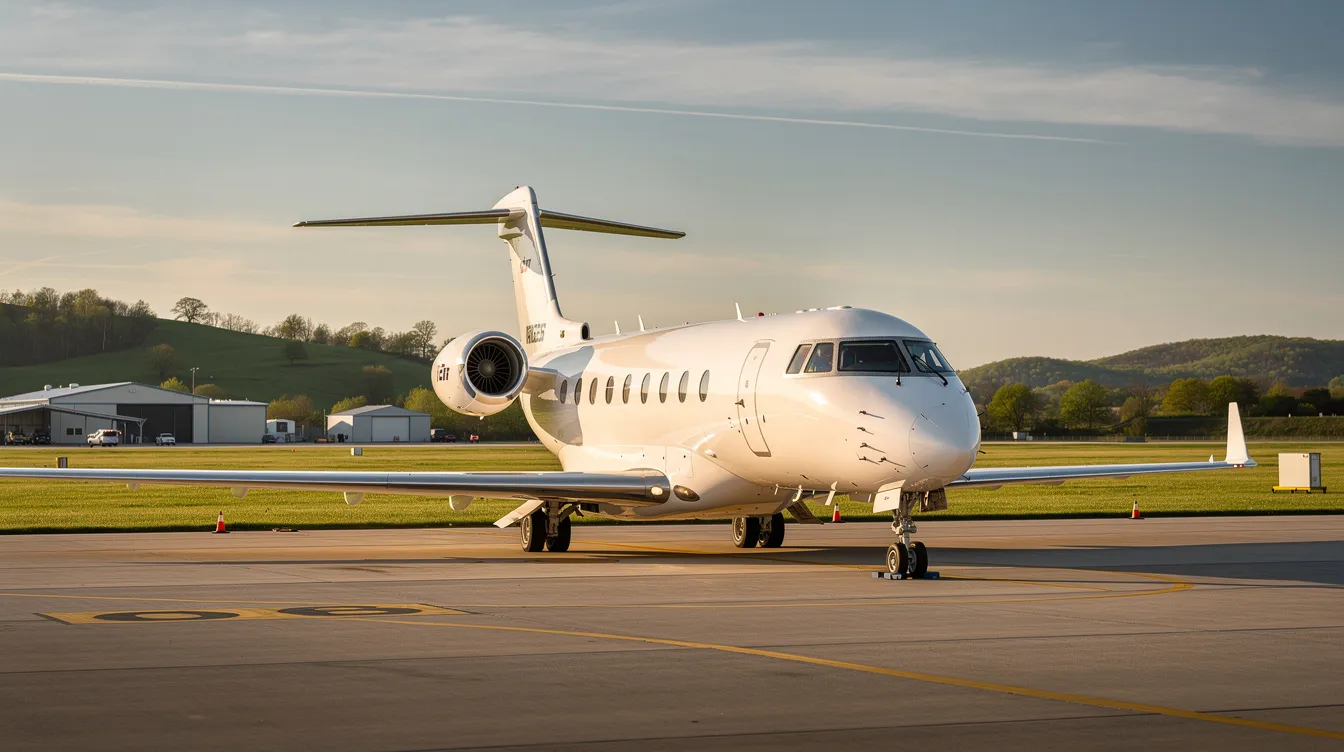
In 2026, chartering a light jet typically costs between $3,000 and $6,000 per hour, with total trip costs varying based on route and additional fees. This guide provides insights into pricing, popular routes, and strategies to save on light jet charters, making it an ideal choice for both business and leisure travel. Jettly's platform offers real-time pricing and comparisons for over 20,000 aircraft, ensuring transparency and efficiency in private aviation.
Jay Franco Serevilla
Nov 2, 2026
|
5
min read
View all
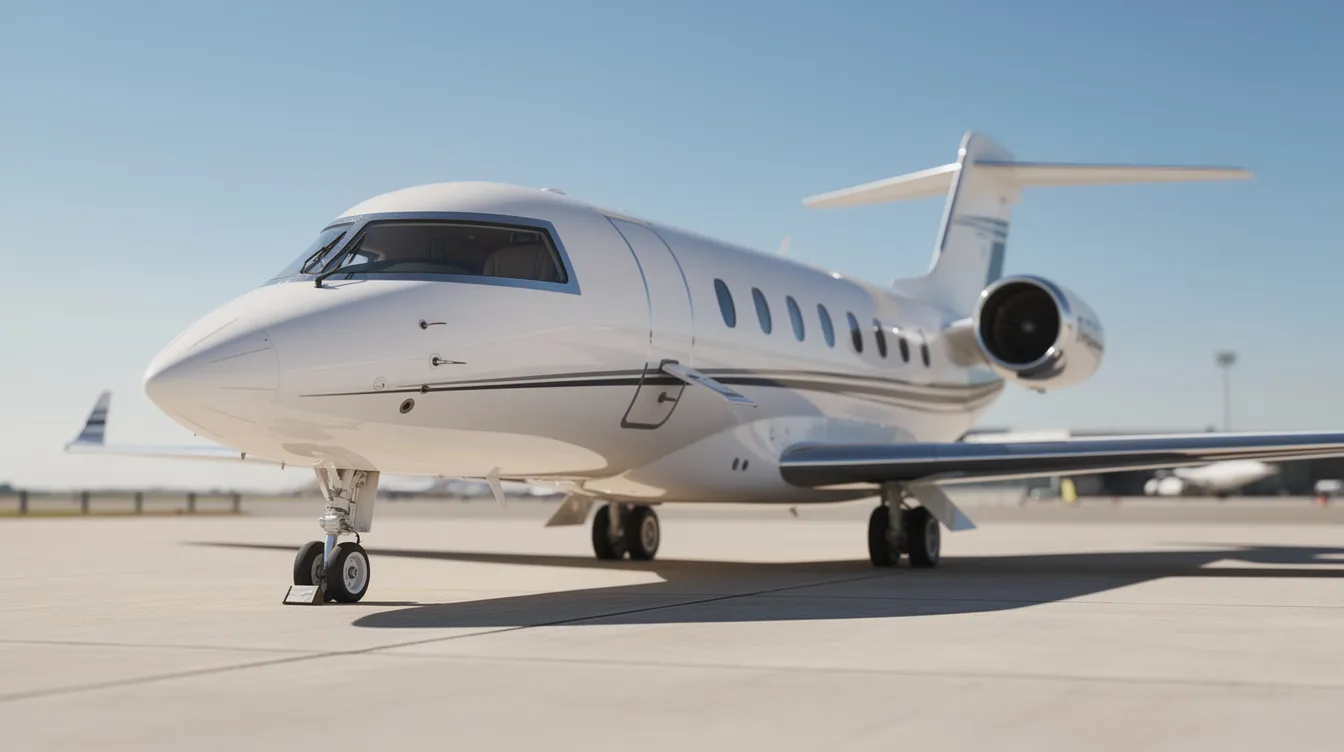
In 2026, private charter flight costs range from $2,000 to over $20,000 per flight hour, influenced by aircraft type, distance, and demand. A typical 2-hour domestic flight on a light jet costs between $5,000 and $10,000, with additional fees for taxes and services. This guide provides detailed pricing factors, examples, and tips for reducing costs when flying private.
Jay Franco Serevilla
Nov 2, 2026
|
5
min read
Explore our latest articles and updates.
5
min read
Bombardier Challenger 650: A Comprehensive Overview of This Leading Large-Cabin Business Jet
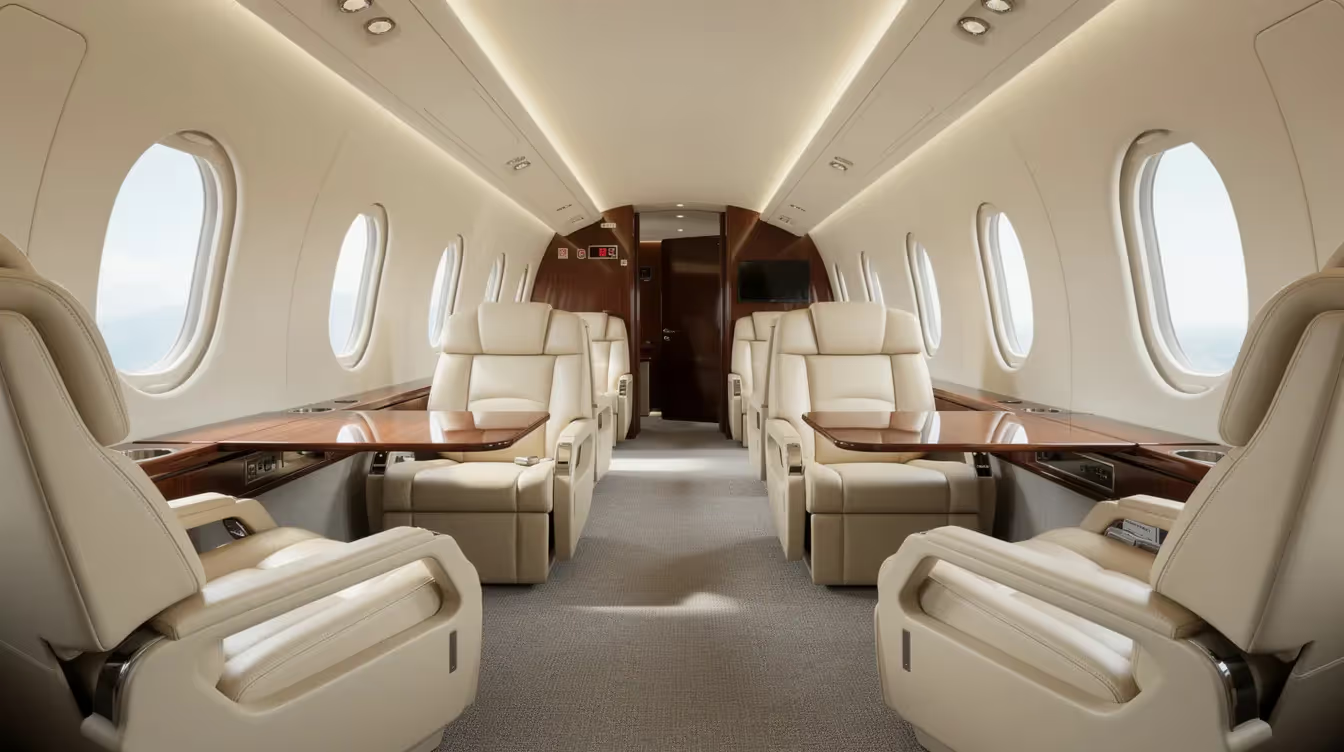
The Bombardier Challenger 650 is a leading large-cabin business jet known for its spacious comfort, transcontinental range of approximately 4,000 nautical miles, and reliable performance, making it ideal for corporate and private travel. Introduced in 2015, it features upgraded engines, advanced avionics, and enhanced cabin amenities, accommodating 10-12 passengers in a quiet, well-connected environment. With competitive operating costs and high dispatch reliability, the Challenger 650 is frequently chosen for nonstop flights between major cities, such as New York to Los Angeles and London to Dubai. Chartering options through platforms like Jettly provide flexible access to this aircraft, catering to various travel needs without ownership commitments.
Read More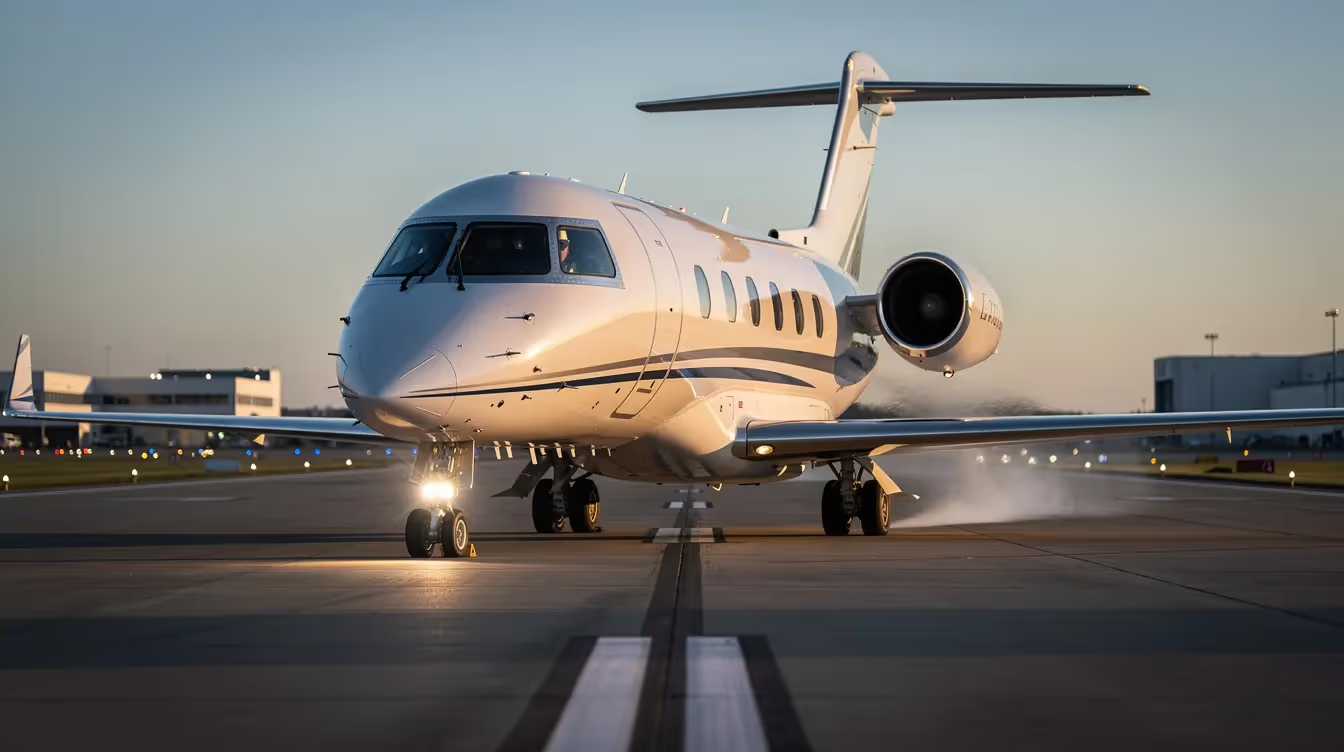
5
min read
Challenger 350 Takeoff Distance: Performance, Runway Requirements & Charter Use
The Bombardier Challenger 350 is a super midsize business jet known for its performance, comfort, and operational flexibility, requiring a takeoff distance of approximately 4,835 feet at maximum weight under ideal conditions. This capability allows it to access secondary and regional airports, significantly reducing ground travel time compared to larger jets. Factors such as aircraft weight, elevation, and temperature can affect takeoff distance, making detailed performance calculations essential for charter operators. Jettly's platform aids travelers in optimizing their flight planning by matching their needs with the Challenger 350's performance capabilities, ensuring safe and efficient travel.
Read MoreJoin our community and receive the latest blog updates directly in your inbox.
MEMBERSHIPS AND ASSOCIATIONS



Disclaimer: Jettly operates as a charter broker, offering access to a global digital jet charter marketplace. Jettly is not a direct air carrier and does not own or operate aircraft. All advertised flights are conducted by third-party air carriers that are fully licensed and hold the appropriate Part 135 or Part 121 certifications issued by the Federal Aviation Administration (FAA) or equivalent regulatory authorities under U.S. or foreign law. Jettly complies fully with the U.S. Department of Transportation's Part 295 and Part 298 Charter Broker regulations. Jettly does not carry additional liability insurance. Passengers are covered by aircraft operator insurance. TICO: 50023770


