



Login
Get Instant Pricing On 23,000+ Aircraft

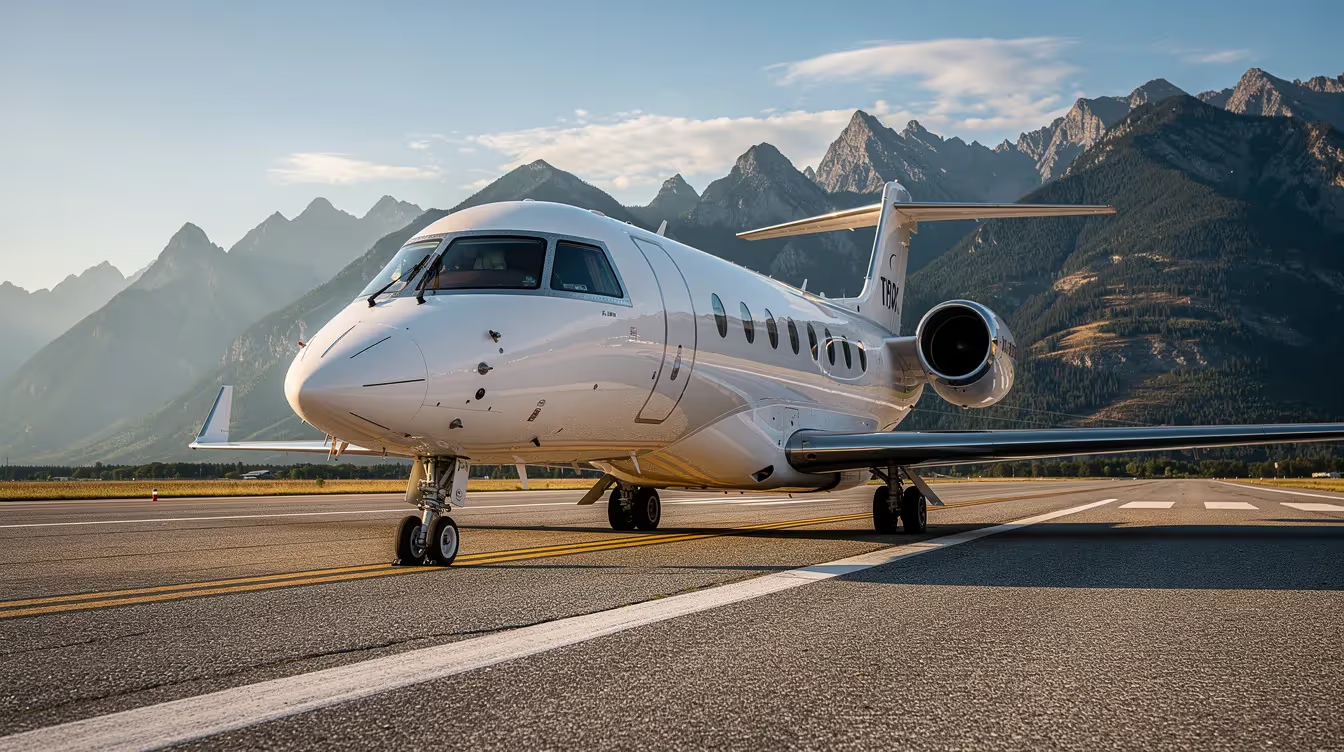
Understanding the various types of jet engines—such as turbojets, turbofans, turboprops, and turboshafts—is crucial for private jet travelers to make informed decisions about aircraft selection. Most modern private jets utilize high-bypass turbofan engines, which offer the best combination of fuel efficiency, range, and cabin comfort, while turboprops are ideal for shorter flights and smaller airports. Each engine type serves specific missions, with turbofans favored for commercial and business aviation, and turboprops for regional routes. By recognizing these distinctions, travelers can better evaluate their options and optimize their travel experience through platforms like Jettly.
Jay Franco Serevilla
Apr 13, 2026
|
5
min read


View all
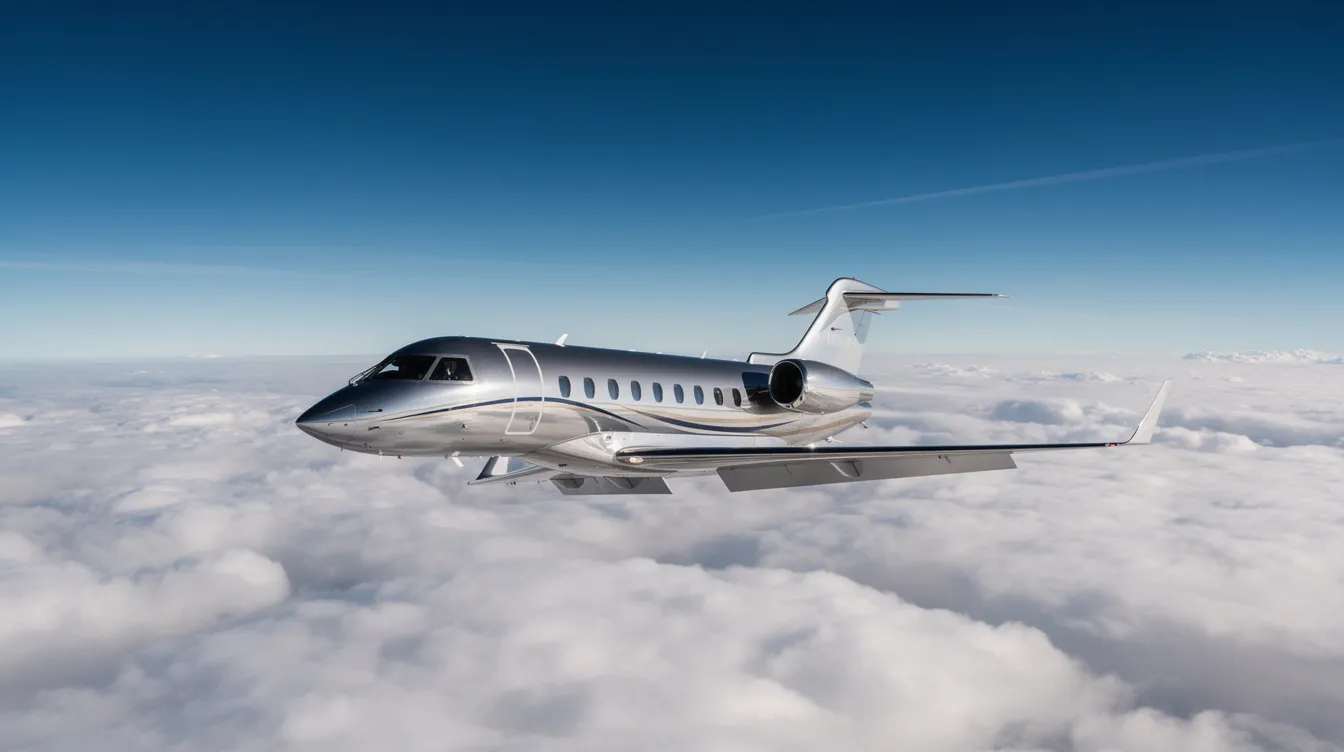
Private jets typically cruise at speeds between 450 and 600 mph, with some models reaching up to 700 mph. However, the overall travel experience is enhanced by factors such as direct routing, faster boarding, and access to more airports, making private aviation a time-efficient choice. Jettly's platform simplifies the booking process, allowing travelers to compare aircraft and optimize their travel plans.
Jay Franco Serevilla
Oct 29, 2026
|
5
min read
View all
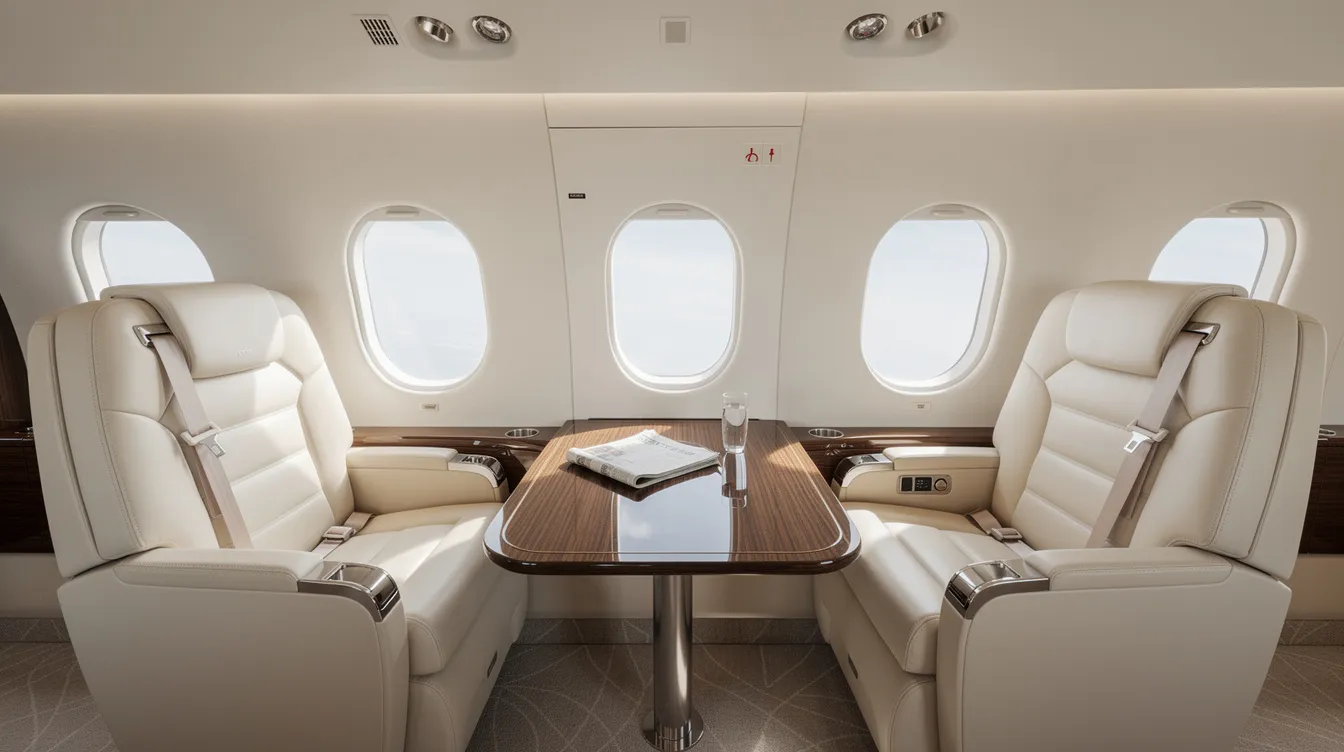
The WN DAL-LAS route connects Dallas Love Field and Las Vegas, offering both commercial flights via Southwest Airlines and private charter options. Private flights provide flexibility, time savings, and a tailored experience, making them ideal for business travelers and families alike. Understanding the differences between these options can help you choose the best travel solution for your needs.
Jay Franco Serevilla
Oct 29, 2026
|
5
min read

View all
Explore the opulent world of Saudi prince private planes, where luxury meets aviation. Discover the extravagant features of jets like Prince Alwaleed's Boeing 747-400 and learn how to charter similar aircraft through platforms like Jettly for a lavish experience without the hefty price tag of ownership.
Jay Franco Serevilla
Oct 29, 2026
|
5
min read

View all
Signature Aviation BWI serves as the primary fixed-base operator for private jets at Baltimore Washington International Airport, offering 24/7 services and extensive amenities. Jettly enhances the private aviation experience by providing seamless access to thousands of aircraft and personalized coordination for travelers. Whether for business or leisure, this partnership ensures efficient and comfortable private jet travel.
Jay Franco Serevilla
Oct 29, 2026
|
5
min read
View all
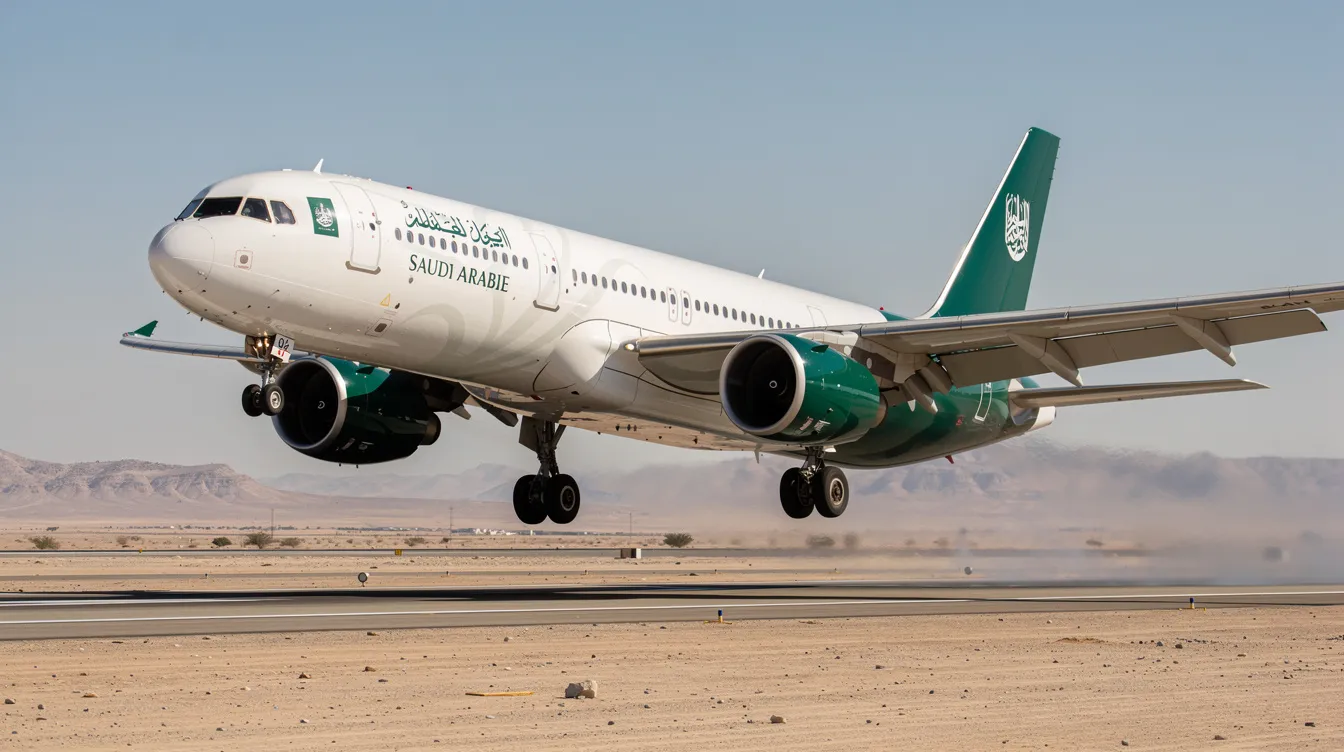
Recent security incidents involving commercial flights in Saudi Arabia have raised significant concerns about aviation safety in the region. A Flydubai flight experienced a mid-air attack, while a Saudia aircraft was destroyed by a missile at Riyadh Airport. These events highlight the need for travelers to consider private jet alternatives for safer and more flexible travel options.
Jay Franco Serevilla
Oct 29, 2026
|
5
min read
View all
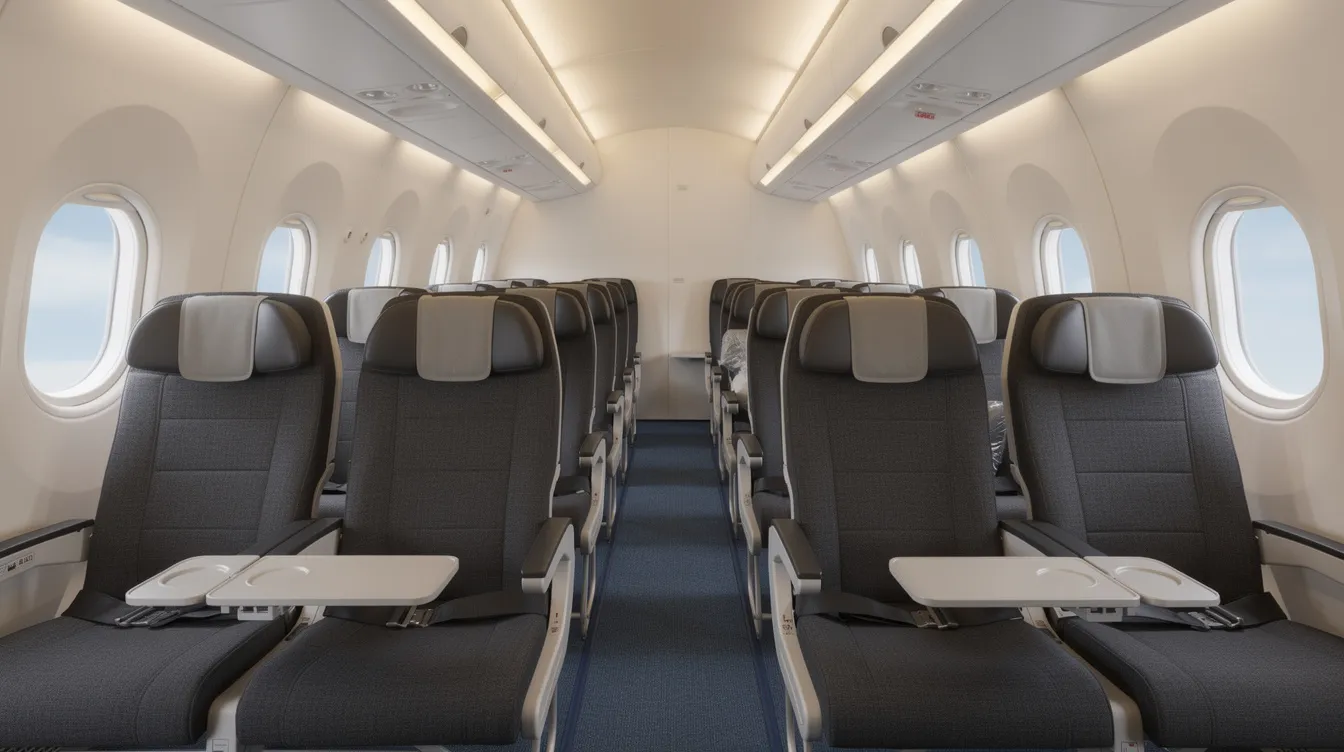
Airplane seat back etiquette is crucial for a comfortable flying experience. Understanding the balance between reclining and respecting fellow passengers can enhance relationships and productivity during flights. This guide explores the design, comfort, and best practices for using airplane seat backs, comparing commercial and private jet experiences.
Jay Franco Serevilla
Oct 29, 2026
|
5
min read
Explore our latest articles and updates.

5
min read
Jet Card Tax Guide: FET, Business Deductibility & State Sales Tax
The Jet Card Tax Guide outlines key tax considerations for private jet card users, including Federal Excise Tax (FET), state sales tax, and business deductibility rules, aimed at CFOs and finance teams managing aviation budgets. FET is a 7.5% tax on domestic flights, with pricing typically quoted as either "all-in" (including FET) or "plus-FET" (added on top). Jet card flights may be tax-deductible if they meet IRS criteria for business expenses, while personal travel is generally non-deductible. The guide emphasizes the importance of understanding tax implications for effective financial planning and compliance in private aviation.
Read More
5
min read
Jettly vs Competitors: Jet Card Provider Comparison Hub
This guide compares leading jet card providers—NetJets, Flexjet, Sentient, Wheels Up, XO, VistaJet, and Jettly—helping private flyers and business travelers choose the best option based on their needs. Key models include owned fleets for consistency (NetJets, Flexjet), broker-based cards for flexibility (Sentient, Magellan), and marketplace models for transparency and adaptability (Jettly, XO). Factors to consider include fleet size, guaranteed availability, pricing structures, and service areas, with costs typically ranging from $125,000 to over $325,000 for a 25-hour commitment. Ultimately, the right provider depends on individual travel patterns, preferences for aircraft consistency, and the desired level of flexibility.
Read MoreJoin our community and receive the latest blog updates directly in your inbox.
MEMBERSHIPS AND ASSOCIATIONS



Disclaimer: Jettly operates as a charter broker, offering access to a global digital jet charter marketplace. Jettly is not a direct air carrier and does not own or operate aircraft. All advertised flights are conducted by third-party air carriers that are fully licensed and hold the appropriate Part 135 or Part 121 certifications issued by the Federal Aviation Administration (FAA) or equivalent regulatory authorities under U.S. or foreign law. Jettly complies fully with the U.S. Department of Transportation's Part 295 and Part 298 Charter Broker regulations. Jettly does not carry additional liability insurance. Passengers are covered by aircraft operator insurance. TICO: 50023770


