



Login
Get Instant Pricing On 23,000+ Aircraft

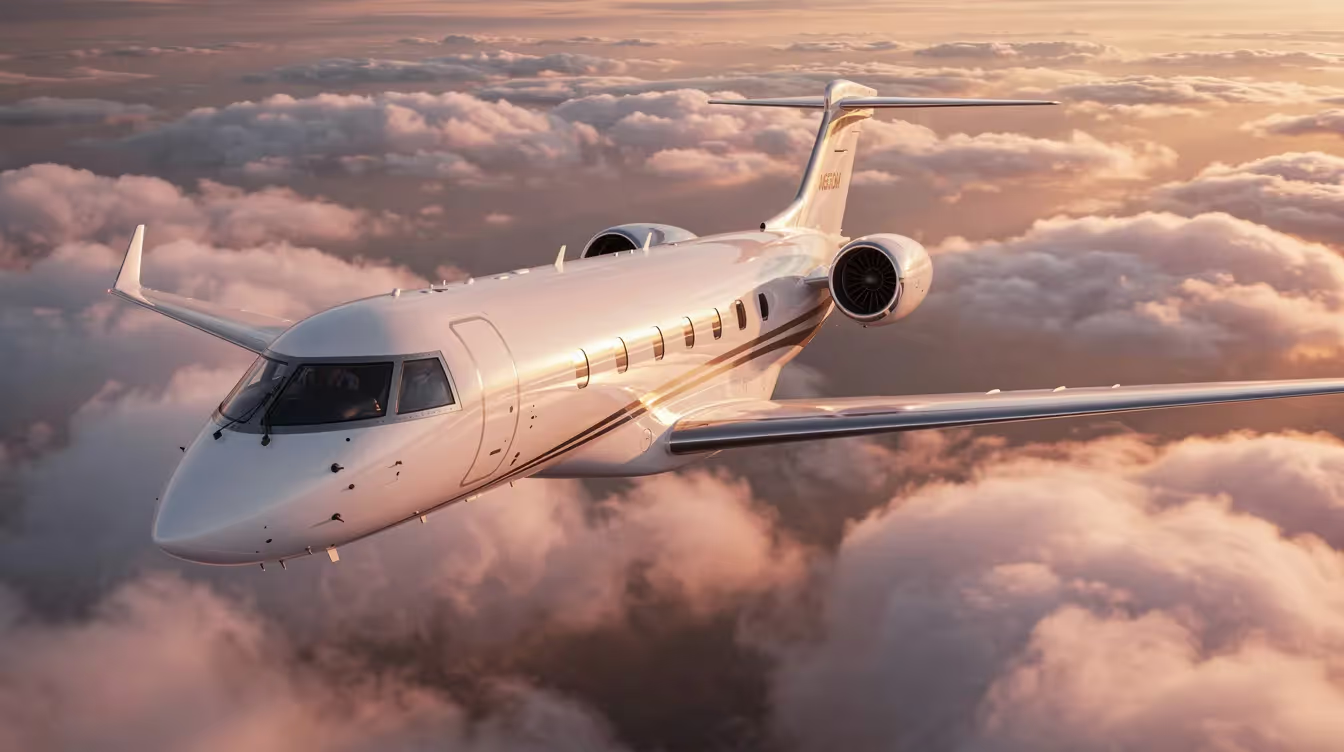
Selling an aircraft in 2026 requires a structured approach that includes accurate pricing, thorough paperwork, professional presentation, and secure payment handling. Key steps involve determining market value, preparing the aircraft and documentation, choosing a selling method (private sale, broker, or online platform), and creating an impactful listing. Compliance with federal regulations is crucial to avoid legal issues, and utilizing tech-driven platforms like Jettly can enhance visibility and streamline the process. By following best practices and avoiding common pitfalls, sellers can ensure a smoother transaction and protect their investment.
Jay Franco Serevilla
Mar 31, 2026
|
5
min read


View all
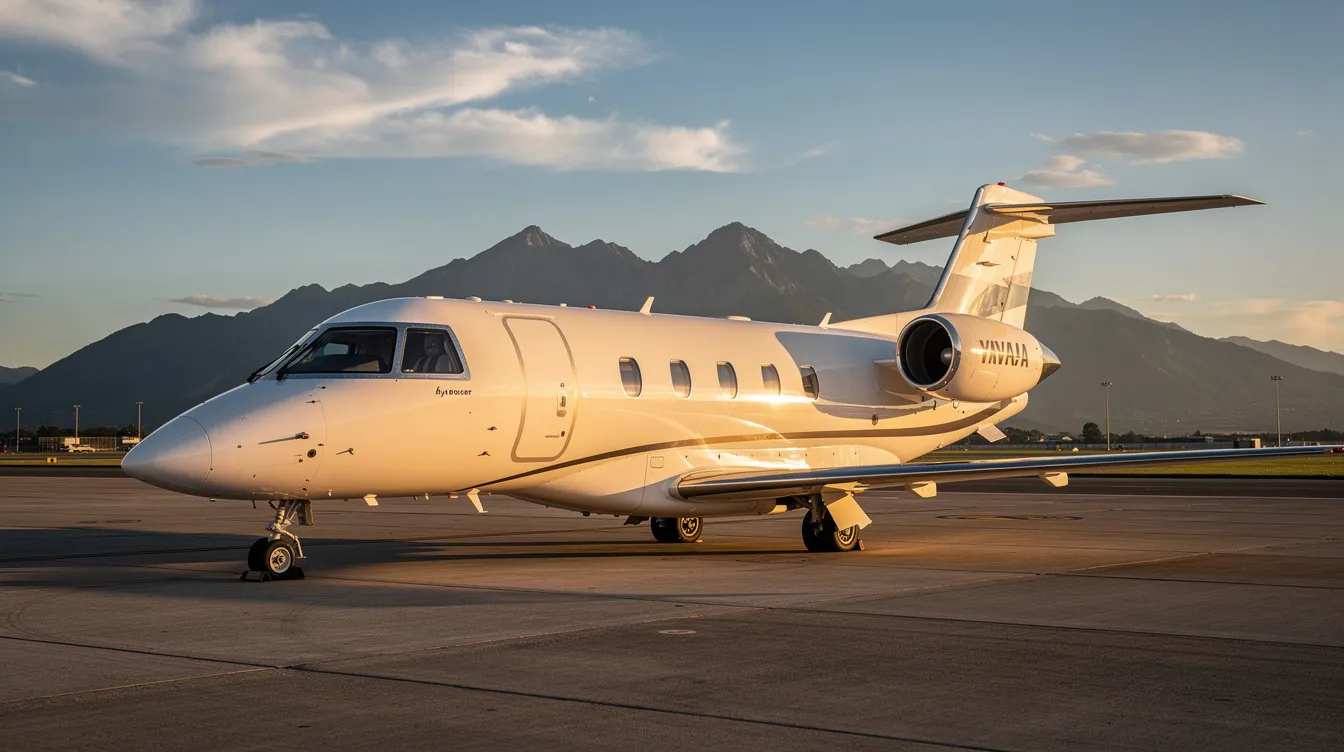
The Cirrus Vision Jet revolutionizes personal aviation as the first certified single-engine jet, offering performance and safety features that appeal to owner-pilots and travelers alike. With options for chartering through platforms like Jettly, users can enjoy the benefits of private jet travel without the costs of ownership. Its innovative design, impressive range, and advanced safety systems make it a standout choice for regional flights.
Jay Franco Serevilla
Oct 27, 2026
|
5
min read
View all
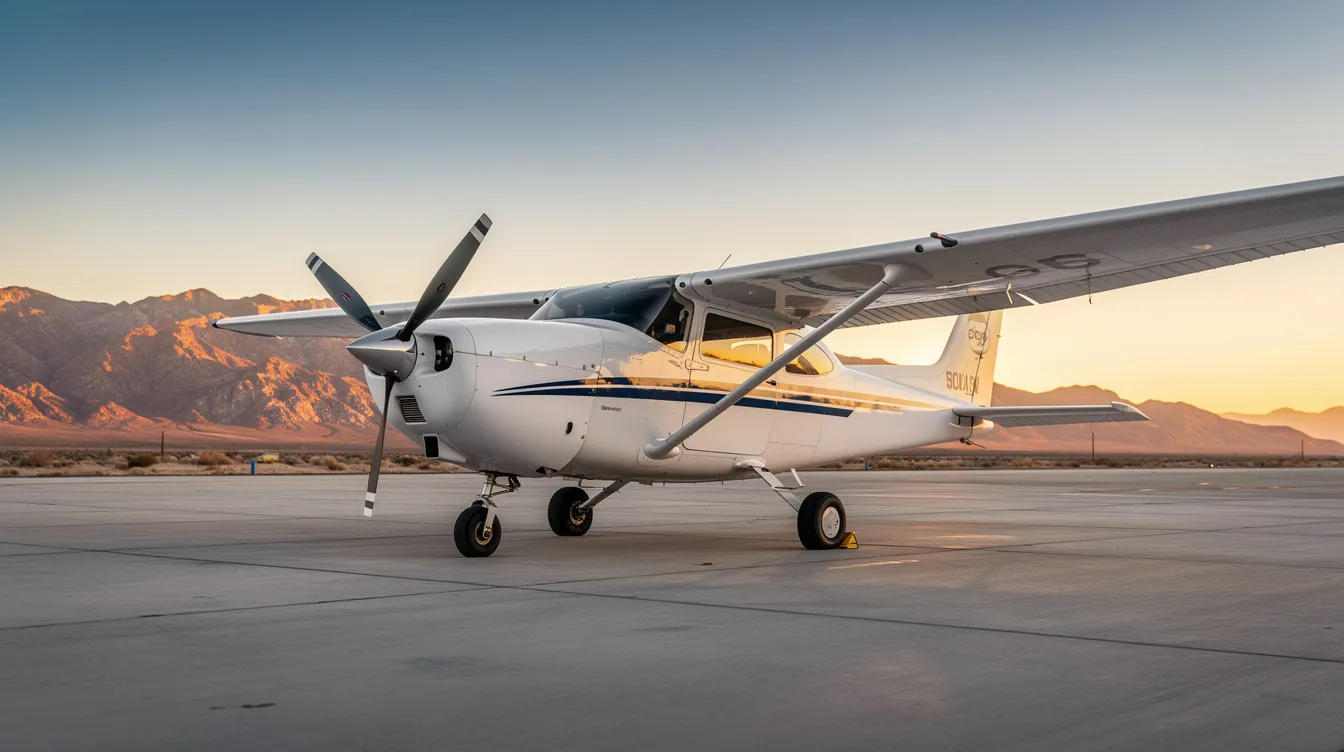
The Cessna sales landscape in 2026 showcases a diverse range of aircraft, from vintage models to modern jets, with buyers increasingly utilizing digital tools and charter services for informed decisions. This guide provides insights into popular models, market trends, and practical steps for evaluating and purchasing Cessna aircraft, ensuring buyers navigate the process confidently.
Jay Franco Serevilla
Oct 27, 2026
|
5
min read
View all
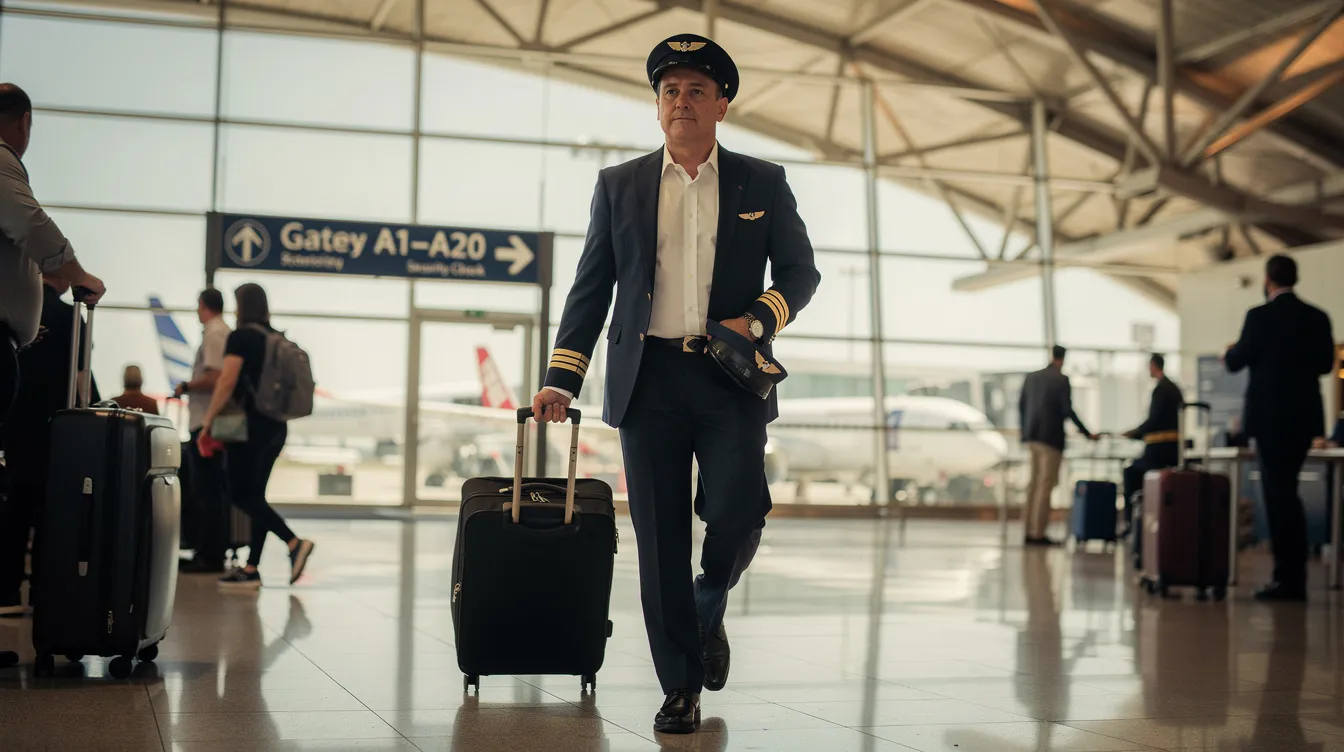
In 2026, airline and commercial pilots earn substantial incomes, with median salaries of $232,140 and $123,220, respectively. However, only senior captains at major airlines typically reach what is considered 'rich' status, with earnings exceeding $350,000. Factors such as high training costs and delayed income accumulation impact pilots' net worth, making wealth-building a long-term endeavor.
Jay Franco Serevilla
Oct 27, 2026
|
5
min read

View all
Understanding flight price predictors can help travelers make informed decisions about booking flights and private jets. These tools analyze historical data and trends but cannot guarantee savings. Booking in advance and using platforms like Jettly can provide more reliable pricing for private jet charters.
Jay Franco Serevilla
Oct 27, 2026
|
5
min read
View all
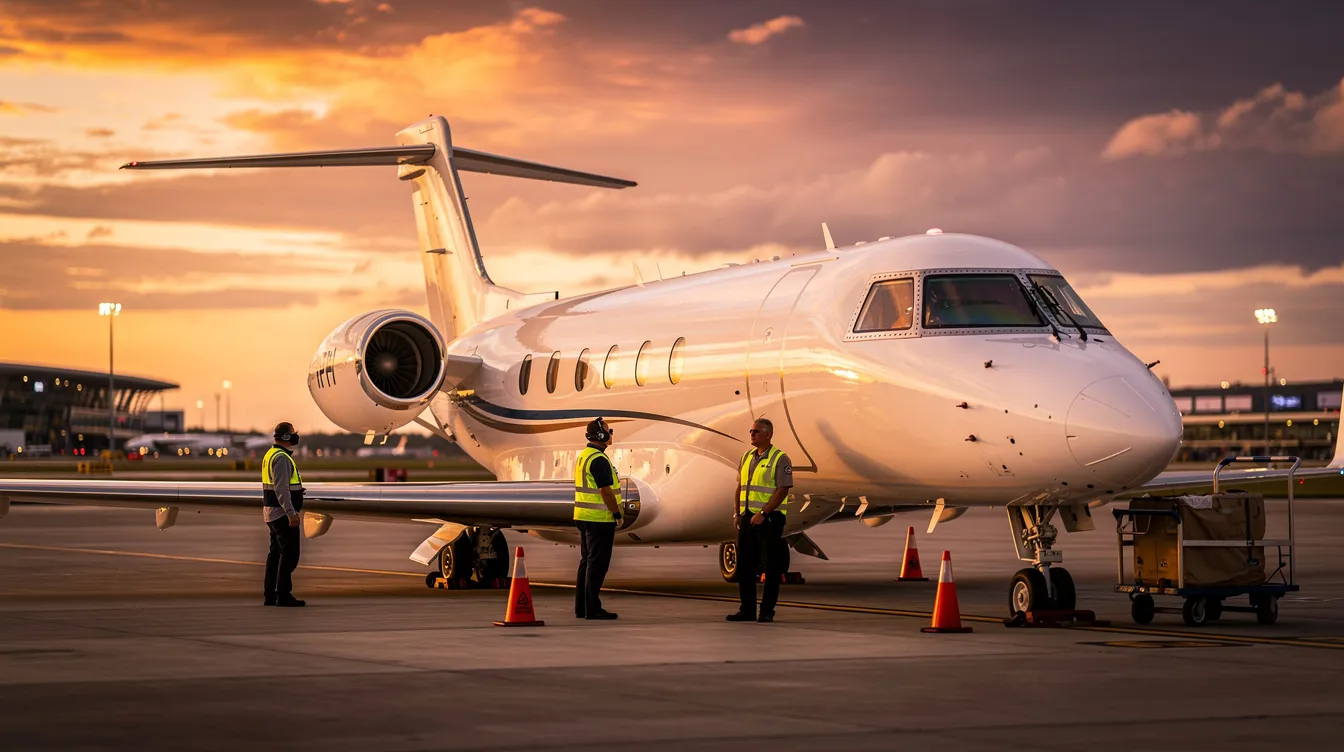
Charter flights from India have become a viable option for various travelers, offering flexibility and convenience. With over 486 accessible airports and competitive pricing starting at ₹2.25 lakh per hour, Jettly connects users to a vast network of aircraft. This guide provides insights into costs, popular routes, and how to navigate the charter flight process effectively.
Jay Franco Serevilla
Oct 27, 2026
|
5
min read
View all
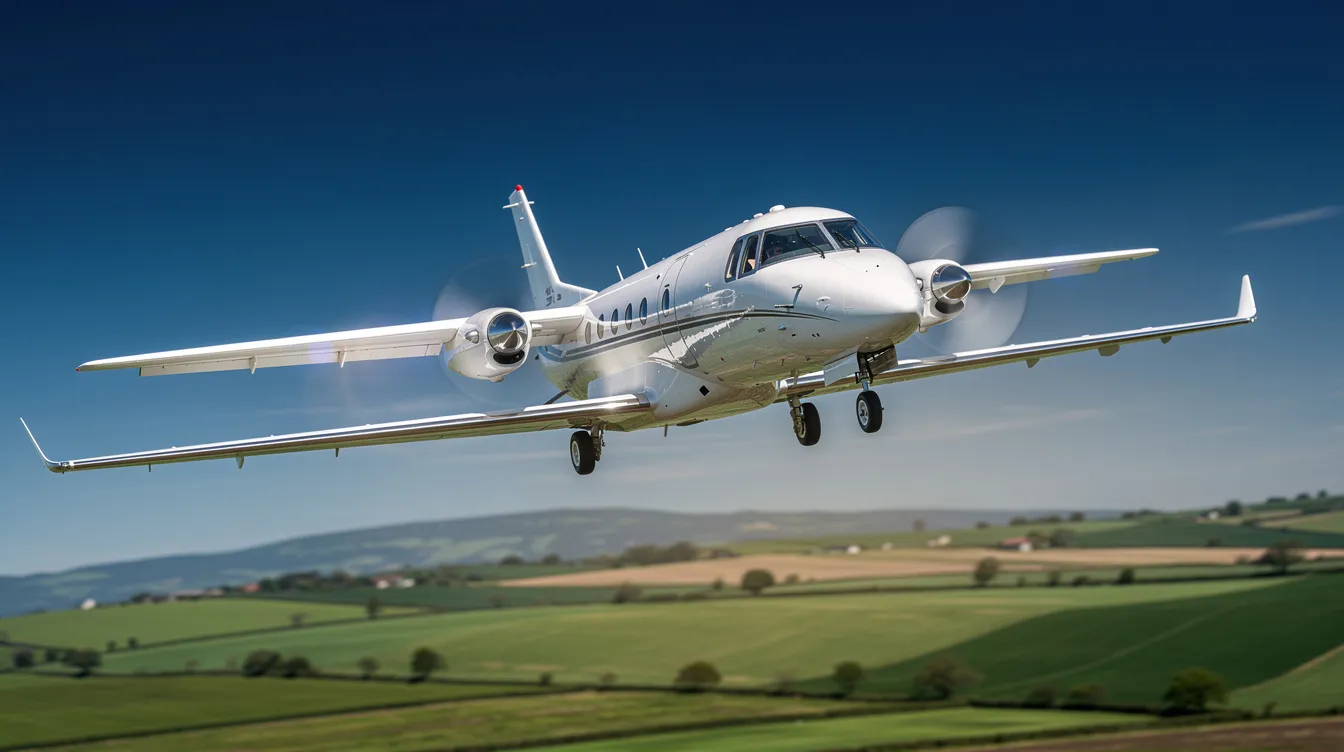
Chartering a HondaJet offers a cost-effective solution for regional travel without the burdens of ownership. With hourly rates ranging from $2,000 to $5,304, Jettly's platform provides transparent pricing and access to over 20,000 aircraft. This guide details the costs, specifications, and benefits of choosing a HondaJet for your travel needs.
Jay Franco Serevilla
Oct 27, 2026
|
5
min read
Explore our latest articles and updates.
5
min read
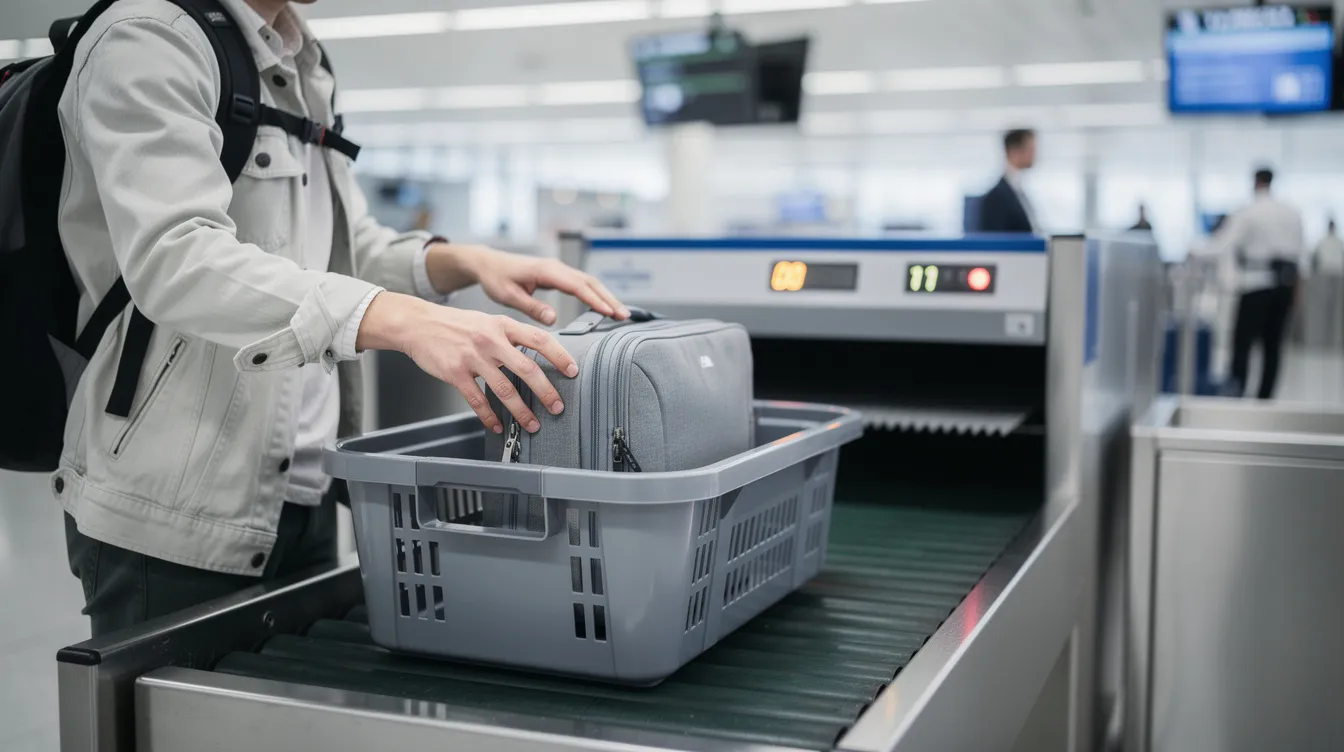
Can You Take Cigarettes on an Airplane? (Commercial & Private Jet Rules)
Cigarettes can be carried in both carry-on and checked luggage on most airlines, but smoking on commercial flights is strictly prohibited, with fines up to $4,000 for violations. While there are no domestic limits on the number of cigarettes for personal use in the U.S., international travel is subject to customs regulations, typically allowing around 200 cigarettes duty-free per adult, though this varies by country. Lighters, vapes, and other smoking accessories have stricter rules, often requiring them to be kept in carry-on luggage only. Private jet charters may allow smoking if permitted by the aircraft owner and operator, offering more flexibility compared to commercial flights.
Read More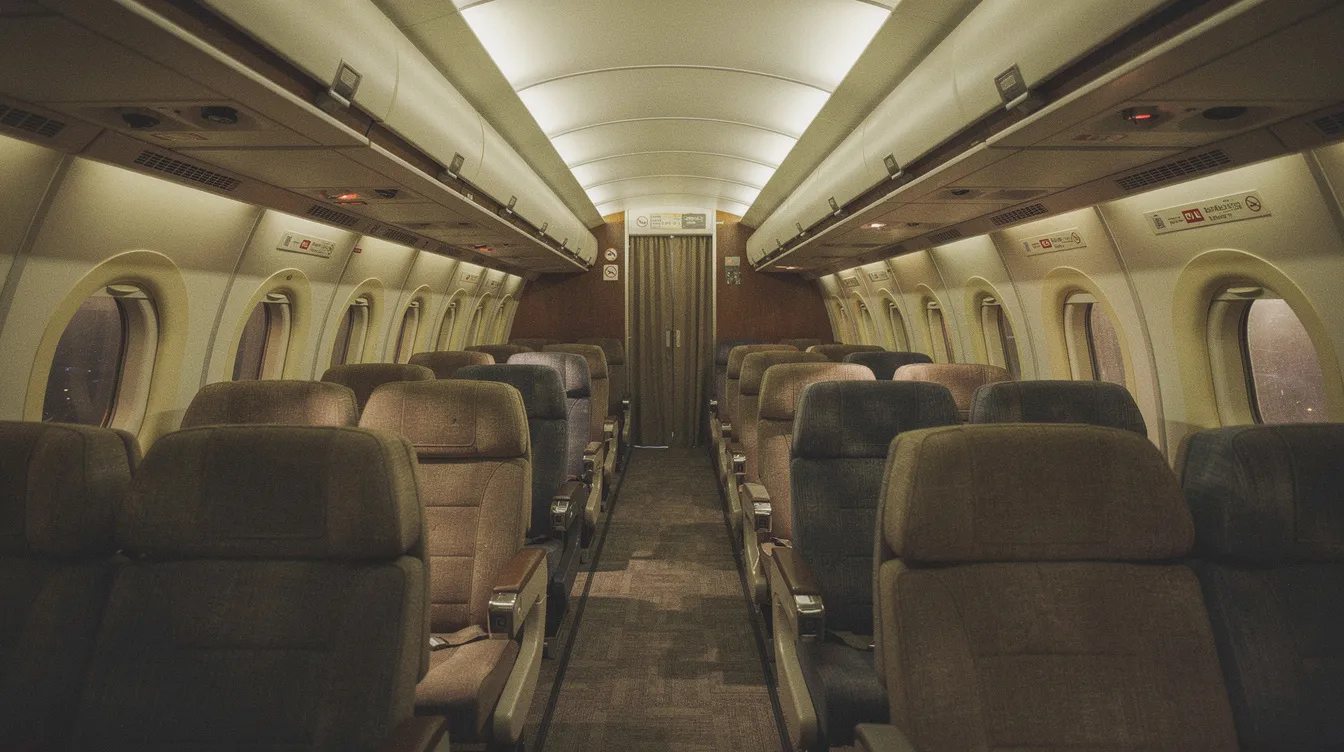
5
min read
When Was Smoking on Airplanes Banned? A Timeline for Commercial and Private Flights
Smoking on U.S. airplanes was gradually banned, starting with domestic flights under two hours in 1988 and culminating in a complete federal ban on June 4, 2000. This movement was driven by health and safety concerns, particularly regarding secondhand smoke and fire risks, despite resistance from the tobacco industry. By the early 2000s, most commercial airlines worldwide had adopted similar smoking bans, leading to a universal expectation of smoke-free flights. Today, smoking and vaping are prohibited on nearly all commercial and private flights, reflecting a commitment to passenger safety and comfort.
Read MoreJoin our community and receive the latest blog updates directly in your inbox.
MEMBERSHIPS AND ASSOCIATIONS



Disclaimer: Jettly operates as a charter broker, offering access to a global digital jet charter marketplace. Jettly is not a direct air carrier and does not own or operate aircraft. All advertised flights are conducted by third-party air carriers that are fully licensed and hold the appropriate Part 135 or Part 121 certifications issued by the Federal Aviation Administration (FAA) or equivalent regulatory authorities under U.S. or foreign law. Jettly complies fully with the U.S. Department of Transportation's Part 295 and Part 298 Charter Broker regulations. Jettly does not carry additional liability insurance. Passengers are covered by aircraft operator insurance. TICO: 50023770


