


Login
Get Instant Pricing On 23,000+ Aircraft

.avif)
Charter flights offer a flexible and exclusive alternative to commercial travel, allowing individuals or businesses to book an entire aircraft for specific journeys. Unlike scheduled flights, charter flights operate on-demand, providing personalized schedules, greater privacy, and access to a wider range of airports. With options ranging from small turboprops to large jets, passengers can tailor their experience, selecting amenities and adjusting itineraries as needed. Companies like Jettly streamline the process, offering jet cards, fractional ownership, and private jet leasing for added convenience. While charter flights are typically more expensive, they provide significant time savings, comfort, and productivity, making them a preferred choice for business and leisure travelers alike.
Justin Crabbe
May 7, 2025
|
5 minutes
min read


View all
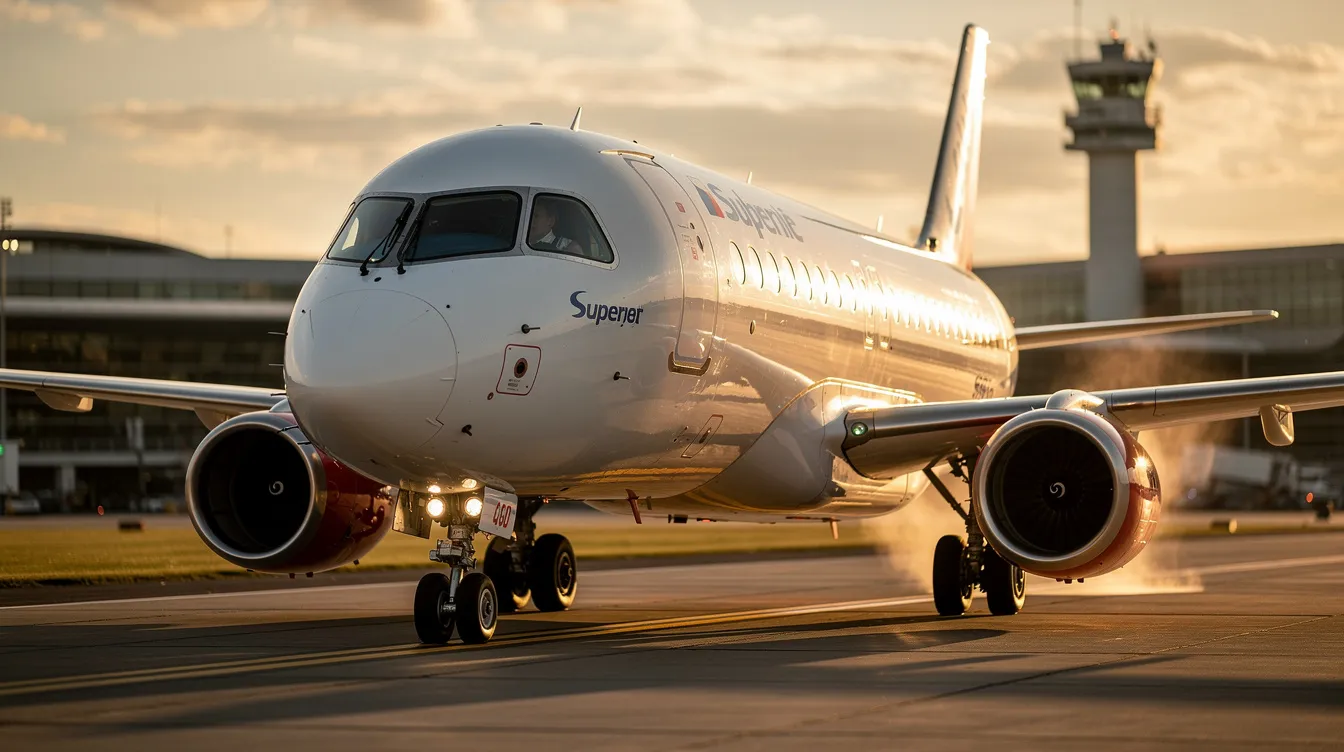
The Sukhoi Superjet SSJ100 is Russia's premier regional jet, designed for short to medium-haul routes with a capacity of 68-103 passengers. Despite its modern design and capabilities, the aircraft faces challenges due to sanctions and limited global support, impacting its international operations. This guide provides insights into its variants, charter use, and operational considerations for aviation enthusiasts and travel planners.
Jay Franco Serevilla
Sep 27, 2026
|
5
min read
View all
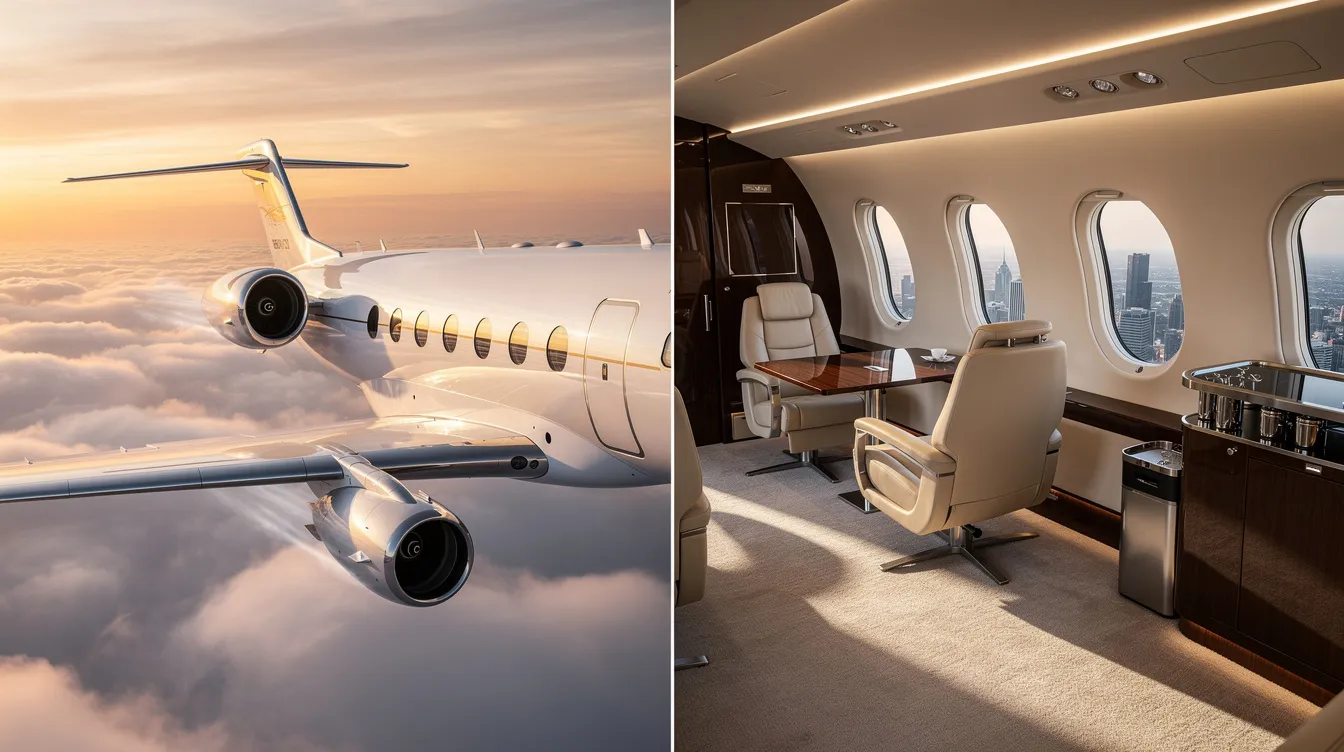
White Cloud Aviation in Lake Havasu City offers specialized flight training and private jet charter services, making it an ideal destination for pilots and leisure travelers. With year-round flying conditions and a focus on cloud aviation skills, students can enhance their training while enjoying seamless travel through platforms like Jettly.
Jay Franco Serevilla
Sep 27, 2026
|
5
min read
View all
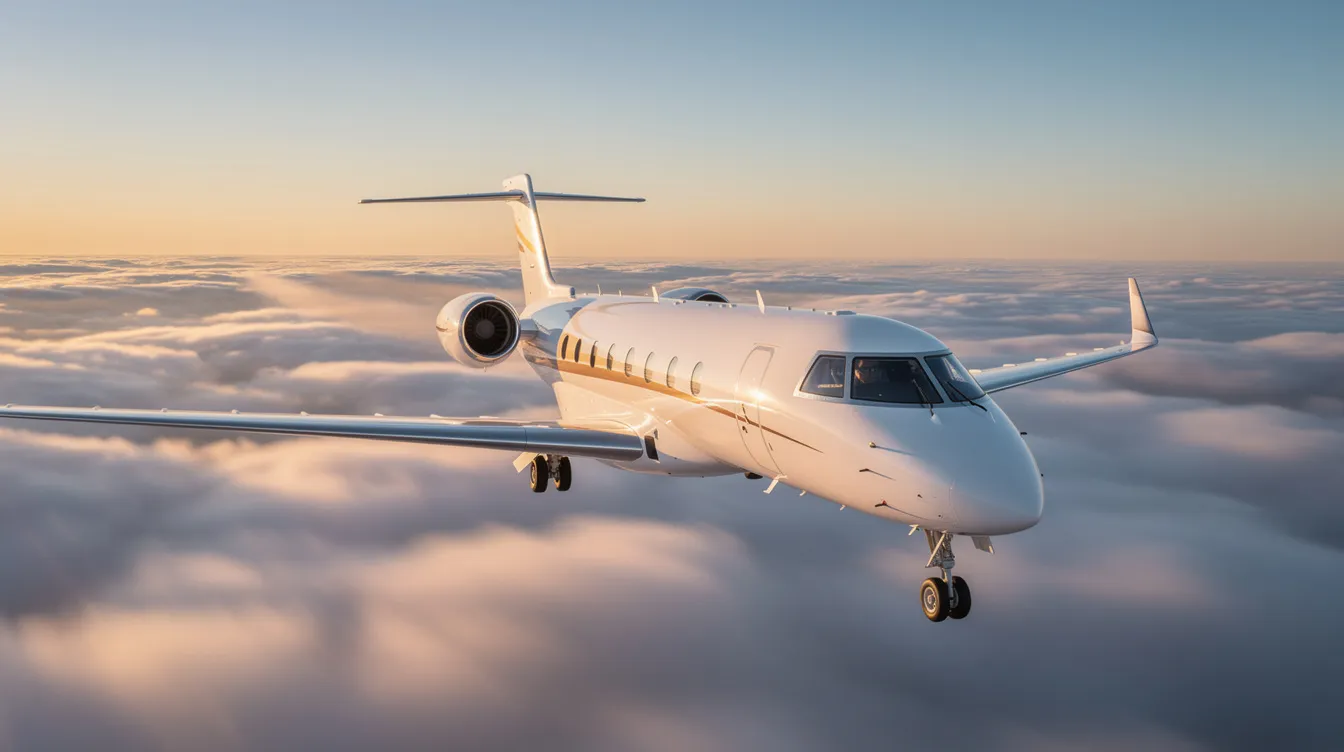
BAJ jets, or Book-A-Jet platforms, are revolutionizing private aviation by providing digital access to over 20,000 aircraft worldwide. Platforms like Jettly offer live pricing, transparent quotes, and flexible booking options, making private jet travel more accessible than ever. This article explores how these platforms work, their pricing models, and the overall booking experience.
Jay Franco Serevilla
Sep 27, 2026
|
5
min read

View all
Jetout and Jettly represent two distinct models in private aviation, catering to different traveler needs. Jetout focuses on regional co-ownership with a dedicated fleet, while Jettly offers a global digital marketplace for on-demand charter services. Understanding these options can help travelers make informed decisions based on their flight frequency and preferences.
Jay Franco Serevilla
Sep 27, 2026
|
5
min read
View all
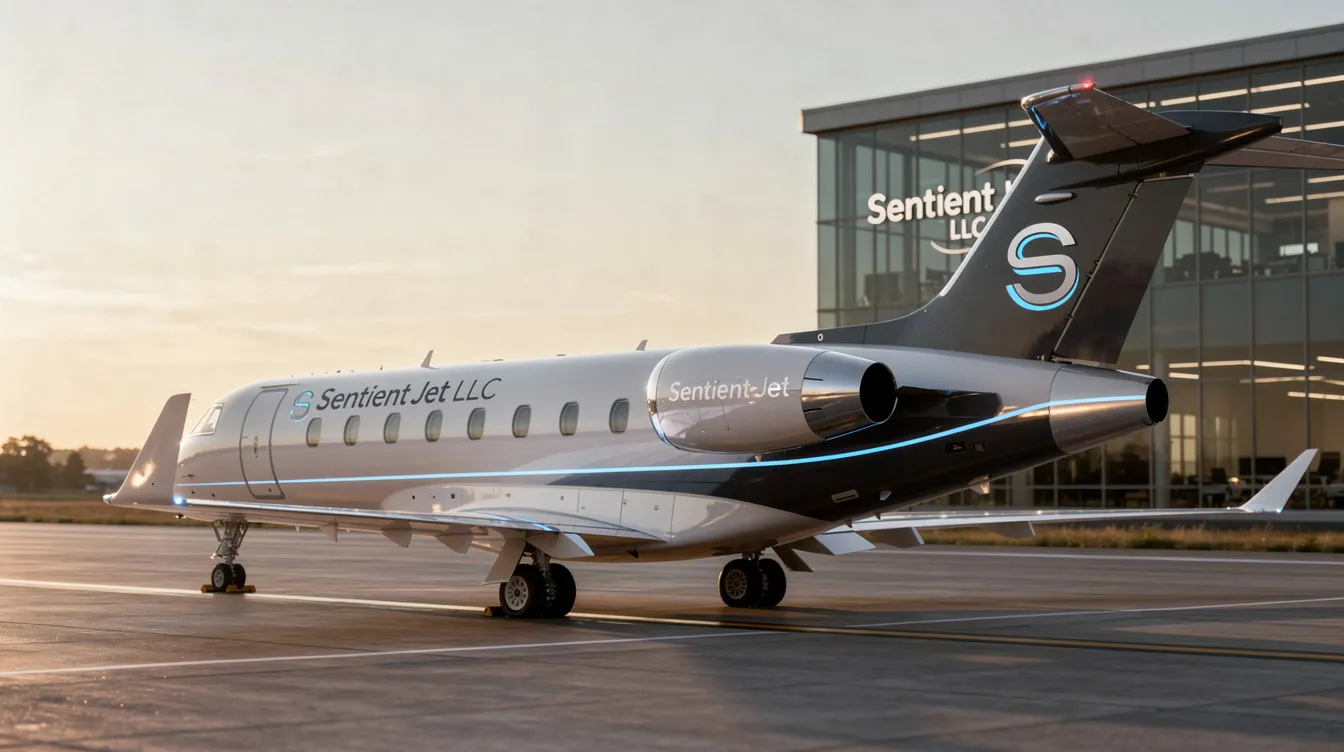
Sentient Jet LLC revolutionized private aviation by introducing the jet card model in 1999, offering prepaid flight hours at fixed rates. This article explores the advantages and disadvantages of Sentient Jet's structured approach compared to on-demand charter solutions, helping travelers make informed decisions based on their flying habits and preferences.
Jay Franco Serevilla
Sep 27, 2026
|
5
min read

View all
Business aviation revolutionizes corporate travel by providing unmatched flexibility, privacy, and efficiency. With access to over 5,000 airports and the ability to book on-demand, it enhances productivity and reduces travel time significantly. Platforms like Jettly simplify the process, making private jet travel accessible and cost-effective for businesses.
Jeff Ryan Serevilla
Sep 27, 2026
|
5
min read
Explore our latest articles and updates.
5
min read
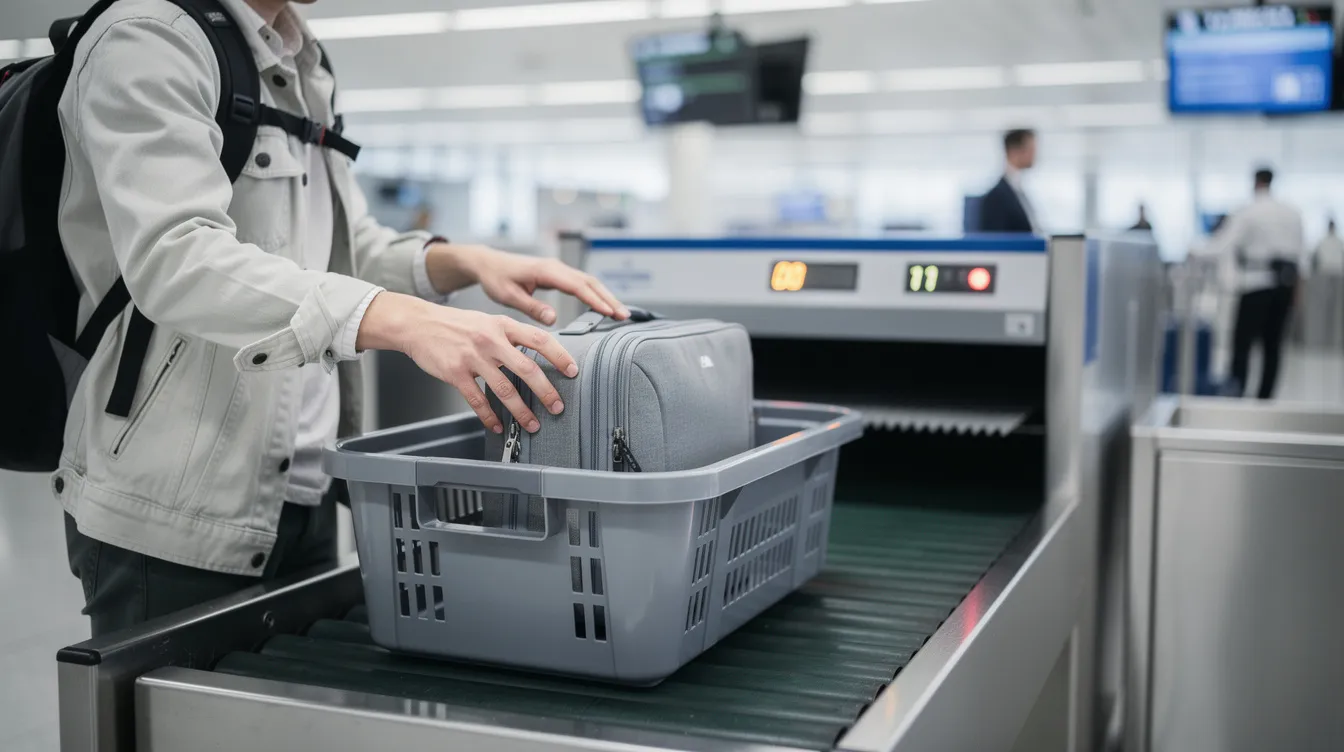
Can You Take Cigarettes on an Airplane? (Commercial & Private Jet Rules)
Cigarettes can be carried in both carry-on and checked luggage on most airlines, but smoking on commercial flights is strictly prohibited, with fines up to $4,000 for violations. While there are no domestic limits on the number of cigarettes for personal use in the U.S., international travel is subject to customs regulations, typically allowing around 200 cigarettes duty-free per adult, though this varies by country. Lighters, vapes, and other smoking accessories have stricter rules, often requiring them to be kept in carry-on luggage only. Private jet charters may allow smoking if permitted by the aircraft owner and operator, offering more flexibility compared to commercial flights.
Read More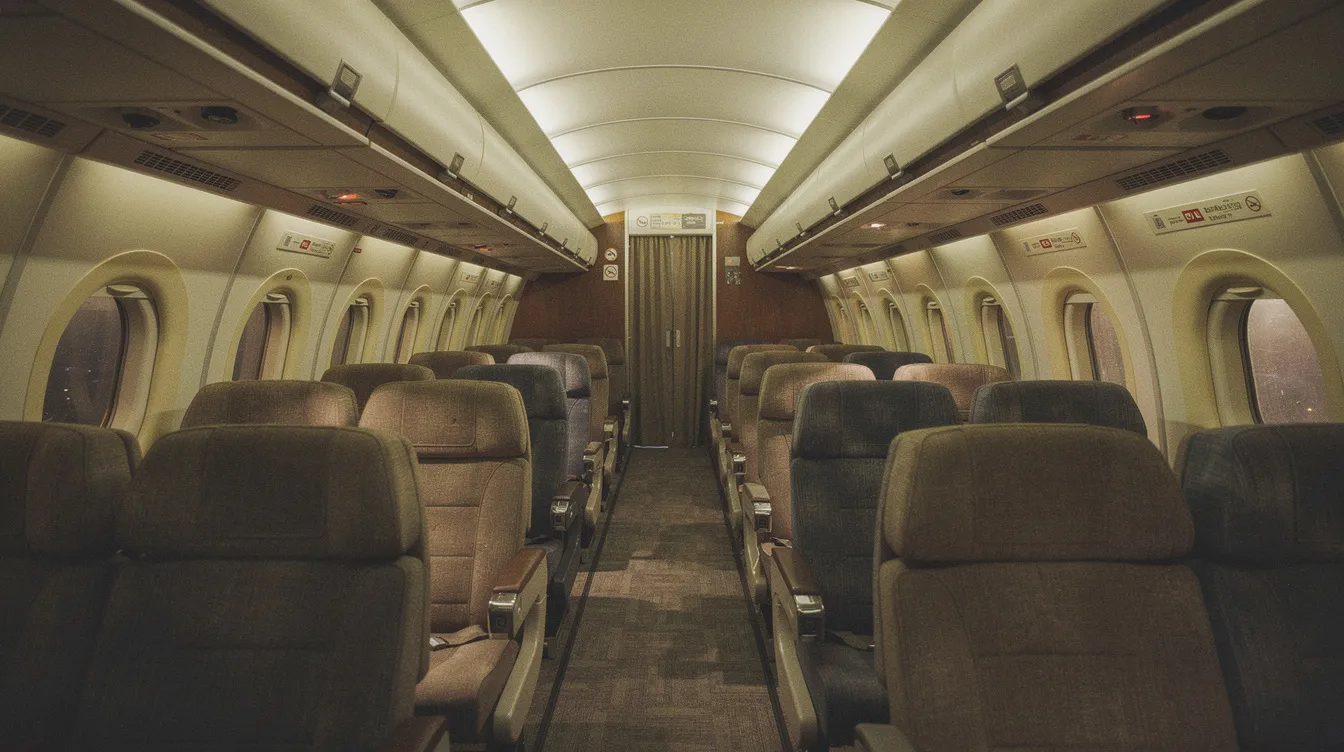
5
min read
When Was Smoking on Airplanes Banned? A Timeline for Commercial and Private Flights
Smoking on U.S. airplanes was gradually banned, starting with domestic flights under two hours in 1988 and culminating in a complete federal ban on June 4, 2000. This movement was driven by health and safety concerns, particularly regarding secondhand smoke and fire risks, despite resistance from the tobacco industry. By the early 2000s, most commercial airlines worldwide had adopted similar smoking bans, leading to a universal expectation of smoke-free flights. Today, smoking and vaping are prohibited on nearly all commercial and private flights, reflecting a commitment to passenger safety and comfort.
Read MoreJoin our community and receive the latest blog updates directly in your inbox.
MEMBERSHIPS AND ASSOCIATIONS



Disclaimer: Jettly operates as a charter broker, offering access to a global digital jet charter marketplace. Jettly is not a direct air carrier and does not own or operate aircraft. All advertised flights are conducted by third-party air carriers that are fully licensed and hold the appropriate Part 135 or Part 121 certifications issued by the Federal Aviation Administration (FAA) or equivalent regulatory authorities under U.S. or foreign law. Jettly complies fully with the U.S. Department of Transportation's Part 295 and Part 298 Charter Broker regulations. Jettly does not carry additional liability insurance. Passengers are covered by aircraft operator insurance. TICO: 50023770


