


Login
Get Instant Pricing On 23,000+ Aircraft


Leasing a private jet can be simplified by understanding the key differences between wet and dry leases. Wet leases provide a fully-staffed and managed aircraft, ideal for short trips or those new to private flying, though they may face international restrictions. Dry leases offer control and flexibility, suitable for experienced users with long-term plans, but require personal crew management and regulatory compliance. Ultimately, selecting the right lease depends on your specific needs, budget, and goals, ensuring a tailored and efficient travel experience.

Justin Crabbe
May 7, 2025
|
5 minutes
min read


View all
Aviation blogs have evolved into essential resources for student pilots, aviation businesses, and private jet travelers. They provide valuable insights on flight training, market trends, and charter options, helping readers make informed decisions. With contributions from industry professionals, these blogs serve as a bridge between education and practical application in aviation.
Jay Franco Serevilla
Oct 1, 2026
|
5
min read

View all
Jet stream turbulence is a common challenge for private fliers, occurring unexpectedly in clear skies and often causing discomfort. Understanding its causes and effects can help travelers manage their flights more effectively, especially as climate change is projected to increase turbulence severity. This article outlines practical strategies for navigating jet stream turbulence, including flexible routing and aircraft selection.
Jay Franco Serevilla
Oct 1, 2026
|
5
min read
View all
Turbulence is a common concern for air travelers, often misunderstood but generally not dangerous. This guide explains the science behind turbulence, how pilots manage it, and why private jets can offer a smoother experience. Understanding turbulence can help alleviate anxiety and enhance confidence during flights.
Jay Franco Serevilla
Oct 1, 2026
|
5
min read

View all
Tuesday and Wednesday are typically the best days to buy plane tickets, with Sunday evenings also showing competitive prices. However, dynamic pricing means that the best day can vary based on demand and route. Booking in advance and being flexible with travel dates are key strategies for securing lower fares.
Jay Franco Serevilla
Oct 1, 2026
|
5
min read
View all
Plane landings involve distinct phases that are crucial for safety and passenger comfort. Factors such as wind direction and runway conditions influence landing techniques, particularly in private aviation where shorter runways are common. Understanding these phases and techniques enhances the flying experience, especially for travelers using charter services like Jettly.
Jay Franco Serevilla
Oct 1, 2026
|
5
min read
View all
Knowing the best time to buy a domestic flight can save you hundreds of dollars. Booking 21-60 days in advance, flying midweek, and traveling during off-peak months are key strategies for securing the best fares. This guide provides data-backed tips for U.S. travelers looking to optimize their airfare.
Jay Franco Serevilla
Oct 1, 2026
|
5
min read
Explore our latest articles and updates.
5
min read
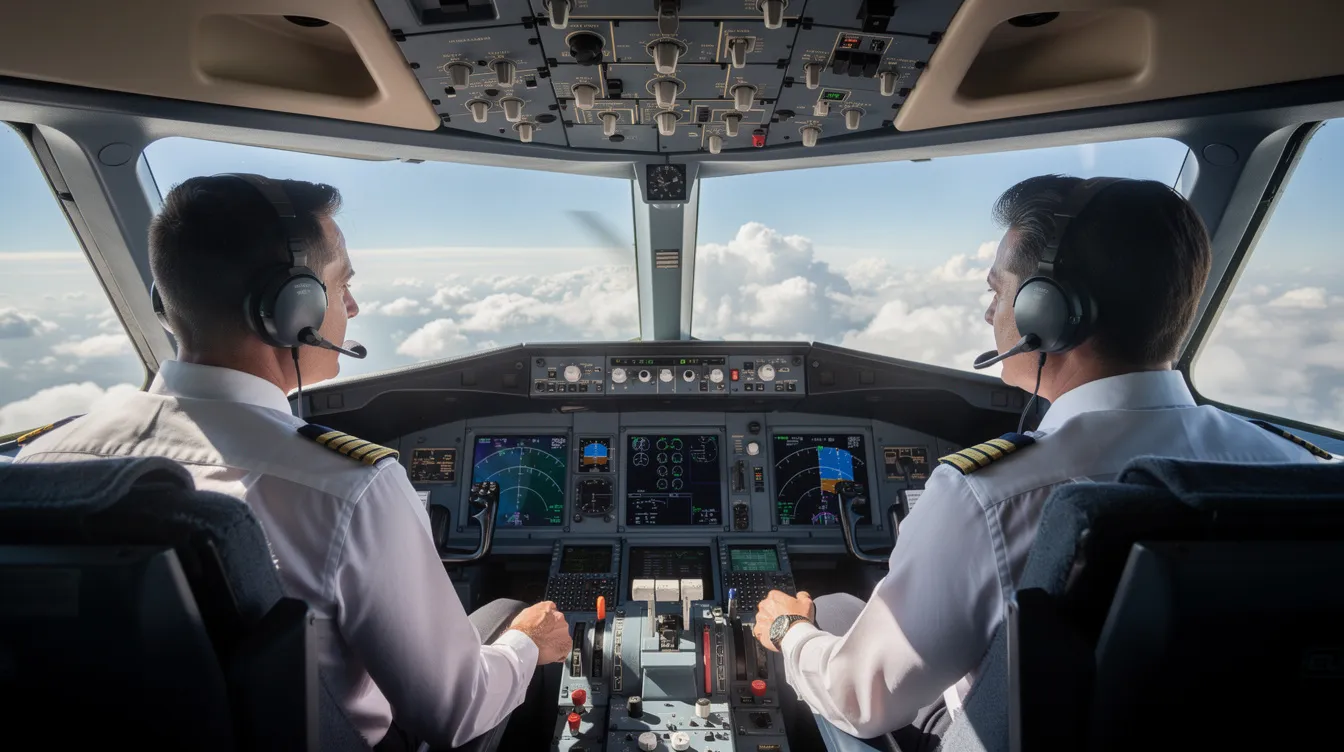
Salary of a Co-Pilot in 2026: What First Officers Really Earn
In 2026, co-pilot salaries vary significantly based on airline type, experience, and aircraft, with first-year regional co-pilots earning between $70,000 and $90,000, while those at major airlines can make $100,000 to $155,000, and experienced pilots on widebody aircraft can exceed $200,000. The average salary for co-pilots in the U.S. is approximately $130,916, with potential total compensation reaching up to $450,000 for senior captains. Factors influencing pay include seniority, aircraft type, and airline contracts, with cargo airlines and private jet charters often offering higher compensation. The demand for pilots is expected to remain strong through the 2030s, making co-pilot careers financially rewarding and stable.
Read More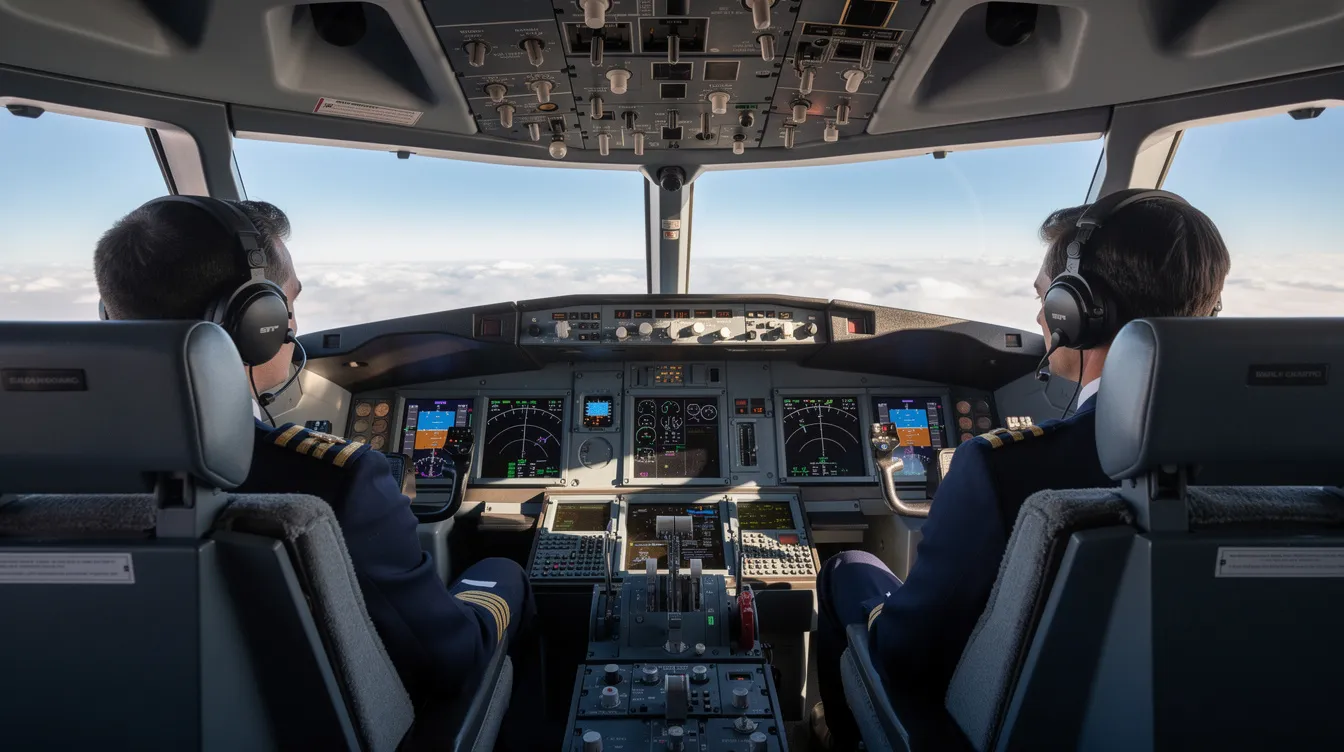
5
min read
How Much Does a Pilot Make in 2026? (Airline & Commercial Pilot Salary Guide)
In 2026, airline and commercial pilots are expected to earn significantly higher salaries, with average earnings for airline pilots exceeding $200,000 and experienced pilots at major carriers potentially earning between $300,000 and $450,000 or more. The median annual wage for airline pilots is projected at approximately $226,600, while commercial pilots earn around $122,670. Factors influencing pilot salaries include employer type, aircraft size, rank, and geographic location, with major airlines offering the best compensation packages. Despite high training costs, the strong demand for pilots and rising salaries make pursuing a career in aviation financially attractive.
Read MoreJoin our community and receive the latest blog updates directly in your inbox.
MEMBERSHIPS AND ASSOCIATIONS



Disclaimer: Jettly operates as a charter broker, offering access to a global digital jet charter marketplace. Jettly is not a direct air carrier and does not own or operate aircraft. All advertised flights are conducted by third-party air carriers that are fully licensed and hold the appropriate Part 135 or Part 121 certifications issued by the Federal Aviation Administration (FAA) or equivalent regulatory authorities under U.S. or foreign law. Jettly complies fully with the U.S. Department of Transportation's Part 295 and Part 298 Charter Broker regulations. Jettly does not carry additional liability insurance. Passengers are covered by aircraft operator insurance. TICO: 50023770


