



Login
Get Instant Pricing On 23,000+ Aircraft

.avif)
There are approximately 23,000 private jets in operation worldwide, with the U.S. accounting for over 60% of the global fleet due to its high demand for private aviation. This surge reflects a growing preference for the flexibility, comfort, and time savings that private jets offer, especially among business leaders and luxury travelers. Companies like Jettly have made private jet access more attainable through innovative offerings such as memberships, leasing, and fractional ownership. With benefits like direct airport access, personalized service, and enhanced privacy, private jet travel continues to be a preferred choice for discerning flyers.
Justin Crabbe
May 7, 2025
|
5 minutes
min read


View all
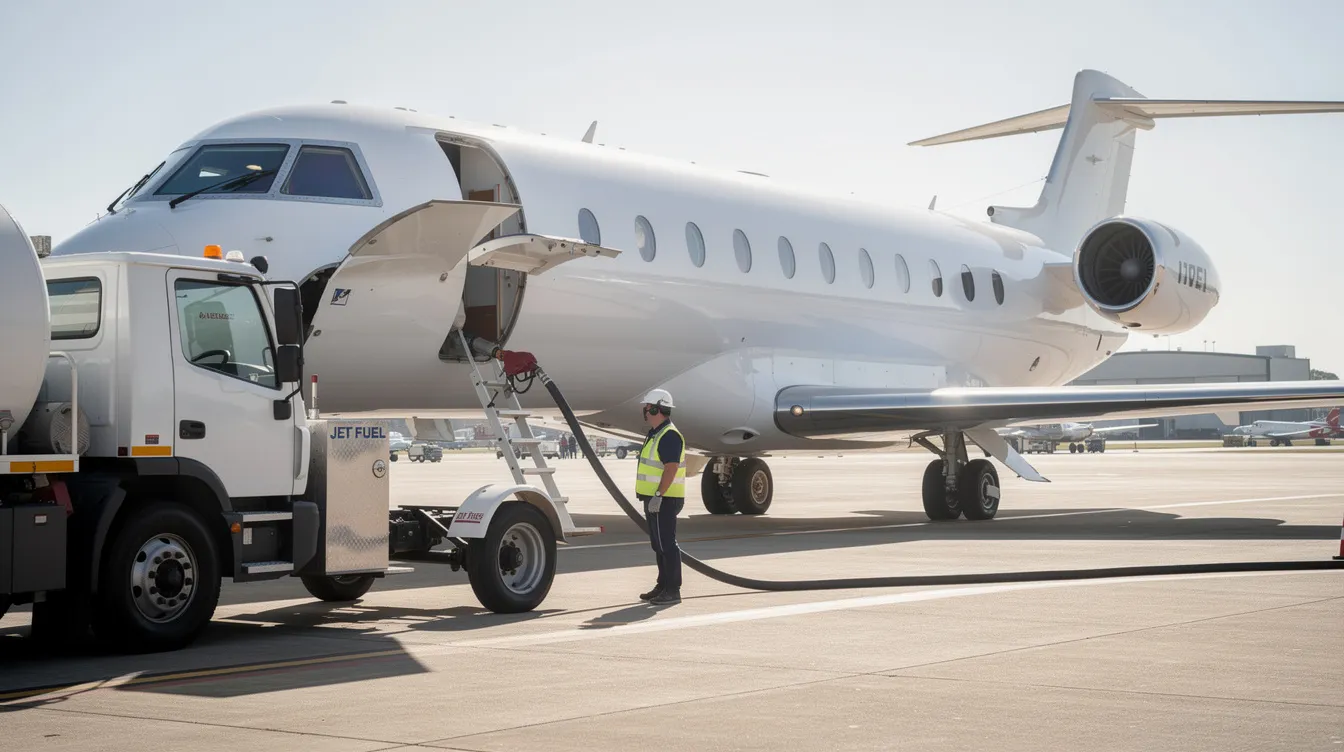
Aviation fueling is a critical process for private jets, ensuring safety and efficiency through stringent regulations and quality checks. This guide explores the types of aviation fuels, the fueling process, and the importance of proper fuel management for charter flights. Understanding these elements is essential for travelers to appreciate how they impact flight safety, range, and costs.
Jay Franco Serevilla
Oct 13, 2026
|
5
min read
View all
Knowing when to book international flights can save you significant money. Generally, aim to book 3 to 6 months in advance for economy fares, and 6 to 9 months for peak seasons. Understanding the best booking windows and seasonal trends is crucial for securing the best deals.
Jay Franco Serevilla
Oct 13, 2026
|
5
min read
View all
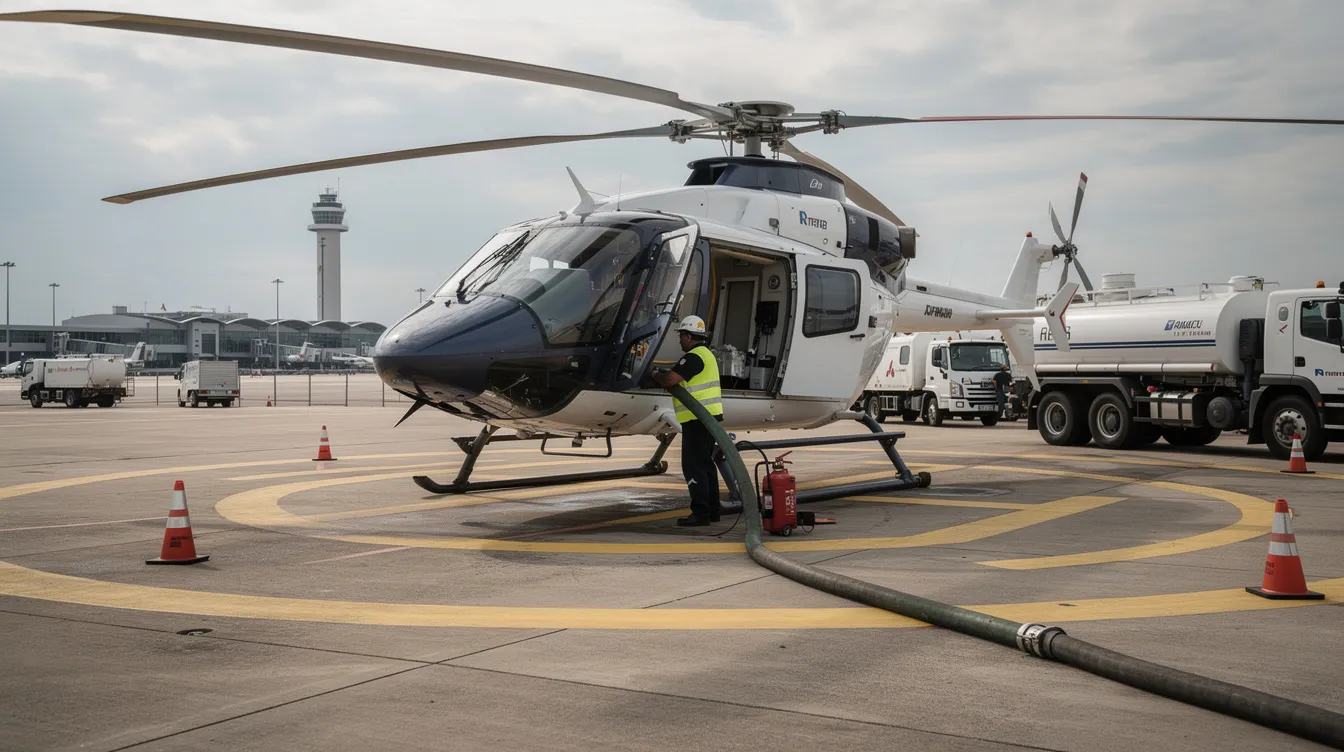
Helicopters primarily use two types of fuel: aviation gasoline (AvGas) for piston engines and kerosene-based jet fuel for turbine engines. Understanding the fuel type is crucial as it affects operating costs, range, and availability at heliports, which are important factors for private flyers. With the rise of sustainable aviation fuels, the industry is also moving towards greener options without compromising performance.
Jay Franco Serevilla
Oct 13, 2026
|
5
min read
View all
The belief that airline tickets are cheaper on Tuesdays is largely a myth in 2026, as prices are now set dynamically based on various factors. Booking windows, travel days, and demand patterns play a more significant role in determining airfare than the specific day of the week. Travelers should focus on flexible booking strategies and timing rather than chasing specific days for the best deals.
Jay Franco Serevilla
Oct 13, 2026
|
5
min read
View all
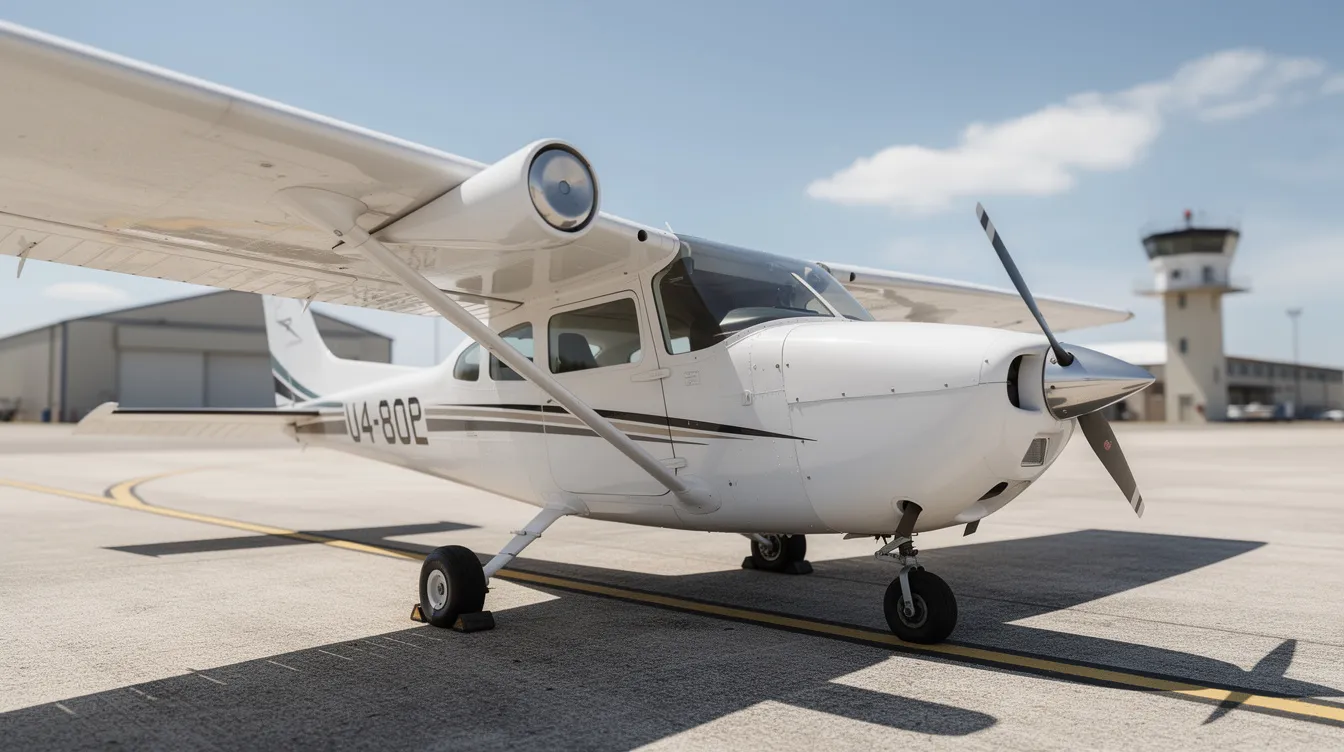
Understanding fuel management in the Cessna 172 is crucial for safe flying. This guide covers fuel capacity, consumption, and best practices for effective fuel planning, essential for both student pilots and experienced aviators. Proper fuel management habits learned in the 172 apply directly to larger aircraft operations.
Jay Franco Serevilla
Oct 13, 2026
|
5
min read
View all
Understanding last-minute flight pricing is essential for travelers looking to save money. While many hope for last-minute deals, prices typically rise as departure dates approach, with significant savings being rare. This guide explores booking strategies, the dynamics of airline pricing, and how private jet charters can offer unique last-minute savings.
Jay Franco Serevilla
Oct 13, 2026
|
5
min read
Explore our latest articles and updates.
5
min read
Can You Take Cigarettes on an Airplane? (Commercial & Private Jet Rules)
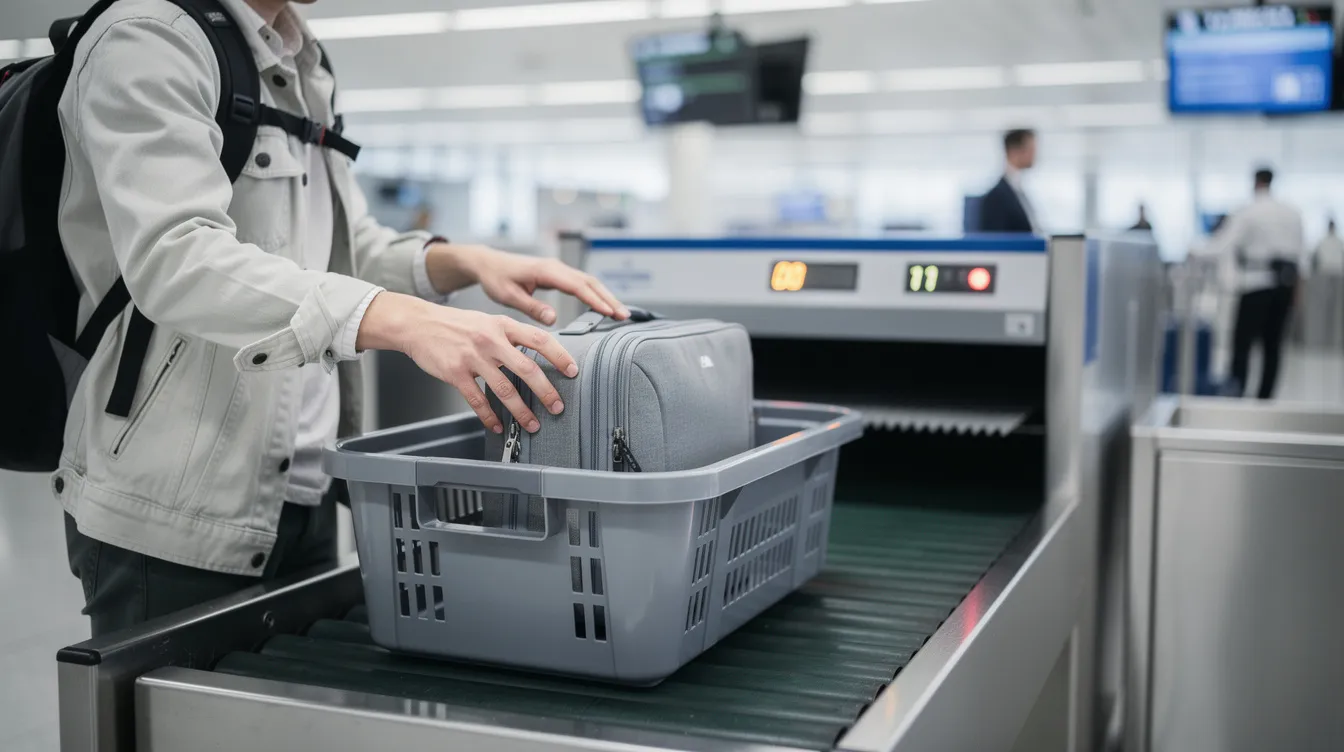
Cigarettes can be carried in both carry-on and checked luggage on most airlines, but smoking on commercial flights is strictly prohibited, with fines up to $4,000 for violations. While there are no domestic limits on the number of cigarettes for personal use in the U.S., international travel is subject to customs regulations, typically allowing around 200 cigarettes duty-free per adult, though this varies by country. Lighters, vapes, and other smoking accessories have stricter rules, often requiring them to be kept in carry-on luggage only. Private jet charters may allow smoking if permitted by the aircraft owner and operator, offering more flexibility compared to commercial flights.
Read More
5
min read
When Was Smoking on Airplanes Banned? A Timeline for Commercial and Private Flights
Smoking on U.S. airplanes was gradually banned, starting with domestic flights under two hours in 1988 and culminating in a complete federal ban on June 4, 2000. This movement was driven by health and safety concerns, particularly regarding secondhand smoke and fire risks, despite resistance from the tobacco industry. By the early 2000s, most commercial airlines worldwide had adopted similar smoking bans, leading to a universal expectation of smoke-free flights. Today, smoking and vaping are prohibited on nearly all commercial and private flights, reflecting a commitment to passenger safety and comfort.
Read MoreJoin our community and receive the latest blog updates directly in your inbox.
MEMBERSHIPS AND ASSOCIATIONS



Disclaimer: Jettly operates as a charter broker, offering access to a global digital jet charter marketplace. Jettly is not a direct air carrier and does not own or operate aircraft. All advertised flights are conducted by third-party air carriers that are fully licensed and hold the appropriate Part 135 or Part 121 certifications issued by the Federal Aviation Administration (FAA) or equivalent regulatory authorities under U.S. or foreign law. Jettly complies fully with the U.S. Department of Transportation's Part 295 and Part 298 Charter Broker regulations. Jettly does not carry additional liability insurance. Passengers are covered by aircraft operator insurance. TICO: 50023770


