



Login
Get Instant Pricing On 23,000+ Aircraft


This blog outlines the key differences between jet cards and fractional ownership for private jet access. Jet cards provide flexibility, short-term commitment, and predictable costs, while fractional ownership offers a longer-term investment with guaranteed access to specific aircraft types. The right choice depends on evaluating factors such as flight frequency, commitment level, and financial goals. Consulting private aviation experts can help you determine the best option for your travel needs.

Justin Crabbe
May 6, 2025
|
5 minutes
min read


View all
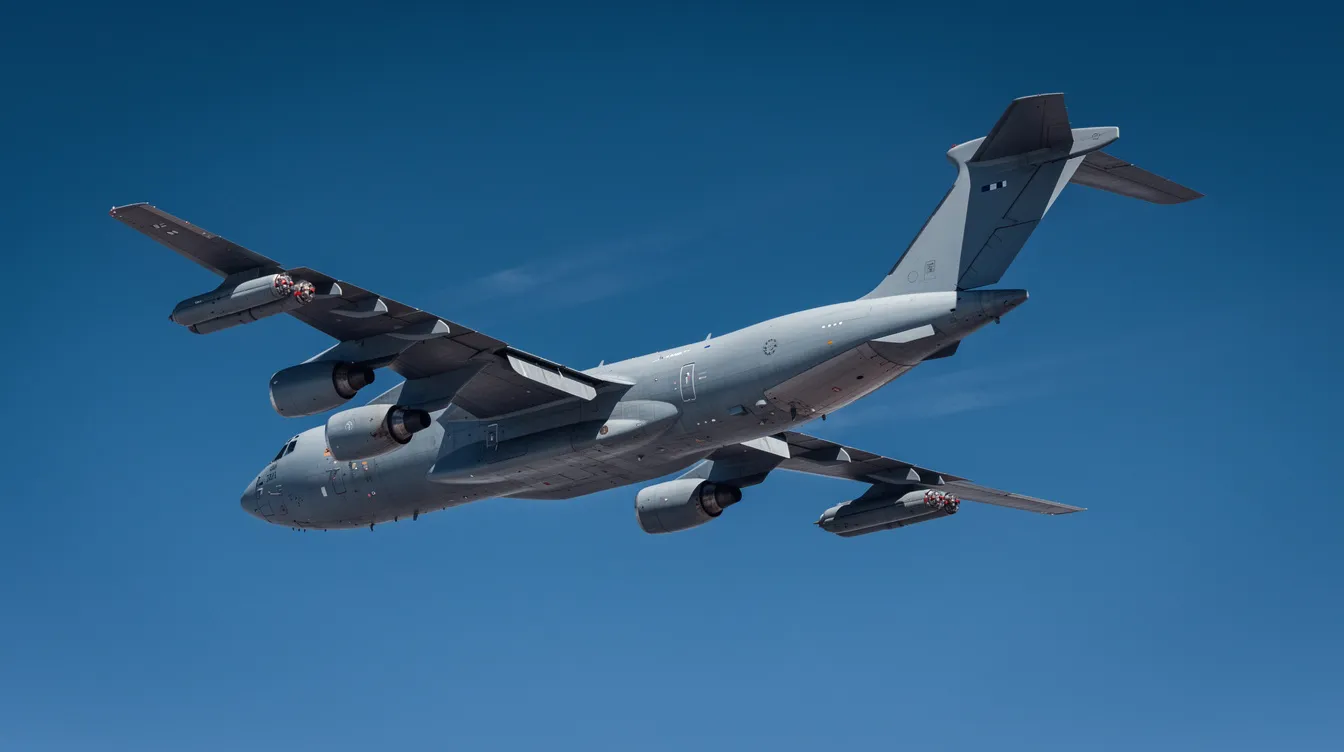
The KC-135 Stratotanker has a long history of accidents, with over 50 fatal crashes since its introduction in the 1950s. Recent incidents, including a crash in March 2026 that killed six crew members, highlight ongoing safety challenges in military aviation. Lessons learned from these accidents have led to significant improvements in training and operational procedures, benefiting both military and civilian aviation.
Jeff Ryan Serevilla
Oct 20, 2026
|
5
min read

View all
Many major airlines, including American Airlines and Japan Airlines, have experienced fatal crashes throughout their histories. While these incidents are significant, they must be viewed in context, as air travel remains one of the safest modes of transportation today. Understanding the historical data and safety improvements can help travelers make informed decisions about their flight options.
Jeff Ryan Serevilla
Oct 20, 2026
|
5
min read
View all
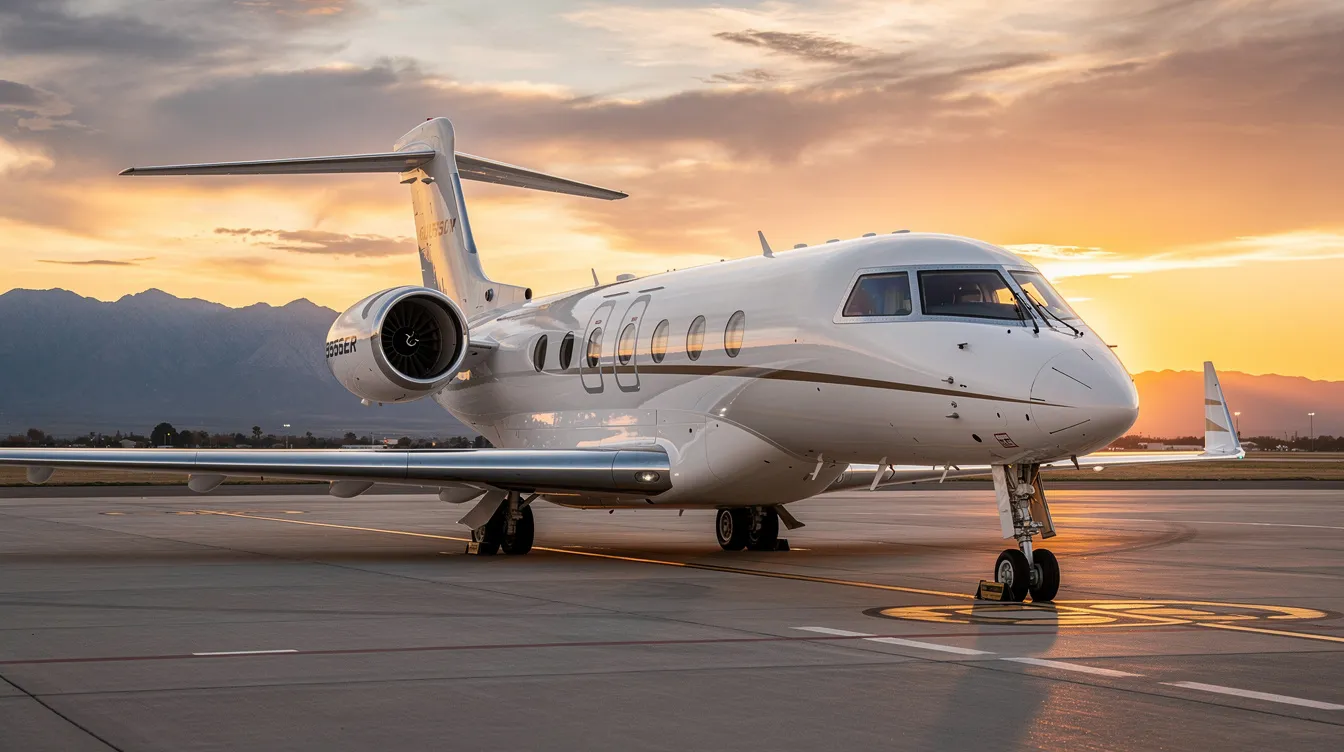
Elon Musk's private jet fleet, primarily consisting of Gulfstream models, showcases the intersection of luxury and necessity in modern aviation. This guide explores Musk's aircraft history, the evolution of his fleet, and how platforms like Jettly provide access to similar jets for those who seek the convenience of private travel without ownership. Discover the details of Musk's jets and how they reflect his dynamic lifestyle and business needs.
Jeff Ryan Serevilla
Oct 20, 2026
|
5
min read
View all
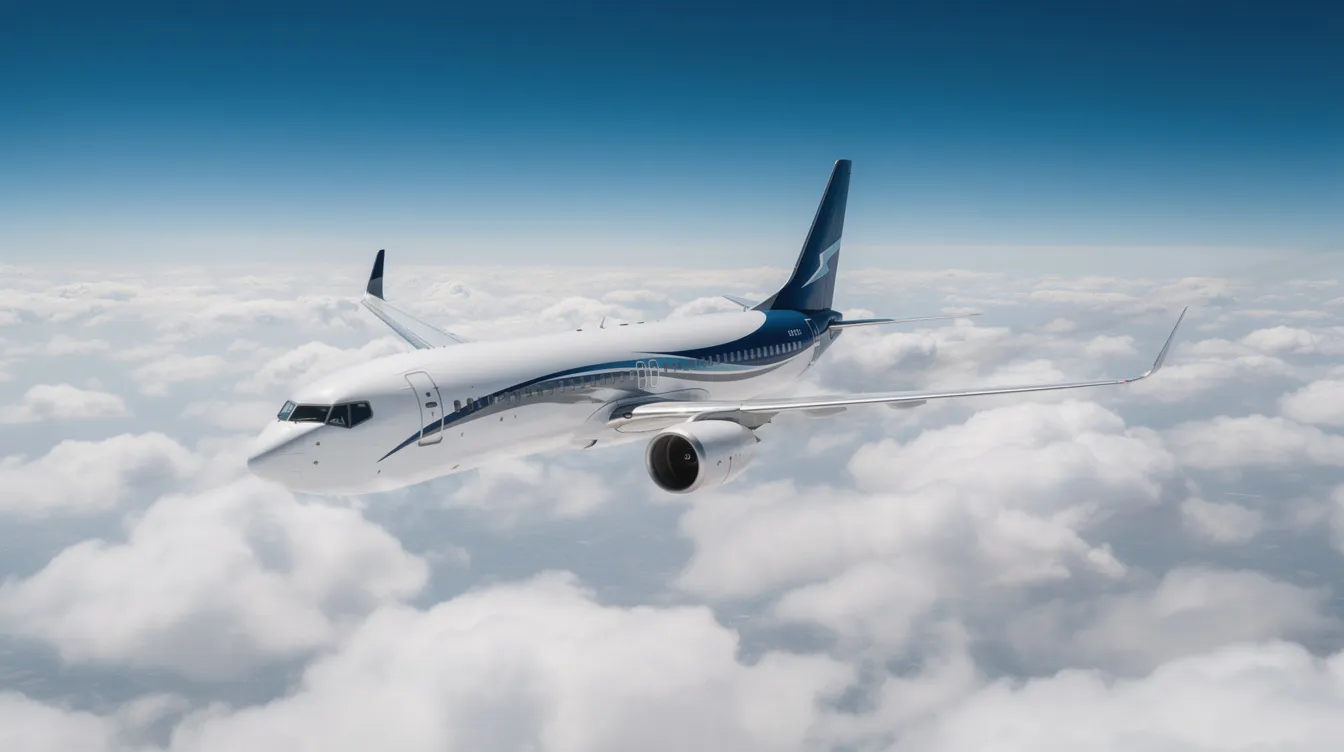
The Boeing 737 family offers a range from 1,500 to 3,850 nautical miles, making it versatile for various flight missions. While chartering a 737 can be cost-effective for large groups, private jet options through Jettly provide greater flexibility and access to more airports, often reducing total travel time. Understanding the range and capabilities of the 737 helps travelers make informed decisions about their flight options.
Jay Franco Serevilla
Oct 20, 2026
|
5
min read

View all
In 2026, aviation safety continues to improve, with over 600 aviation accidents reported in the U.S. by September, primarily involving small general aviation aircraft. Fatal accidents remain rare in commercial aviation, with only a handful of incidents globally. Understanding the context of these numbers is crucial for travelers concerned about flying safety.
Jay Franco Serevilla
Oct 20, 2026
|
5
min read

View all
Passenger airline crashes are rare, with commercial aviation being the safest mode of mass transportation today. In 2023, there were zero fatal accidents involving passenger jets, highlighting the effectiveness of safety regulations and advancements in technology. This article explores the history of airline crashes, safety measures, and what travelers should know about aviation safety.
Jay Franco Serevilla
Oct 20, 2026
|
5
min read
Explore our latest articles and updates.
5
min read
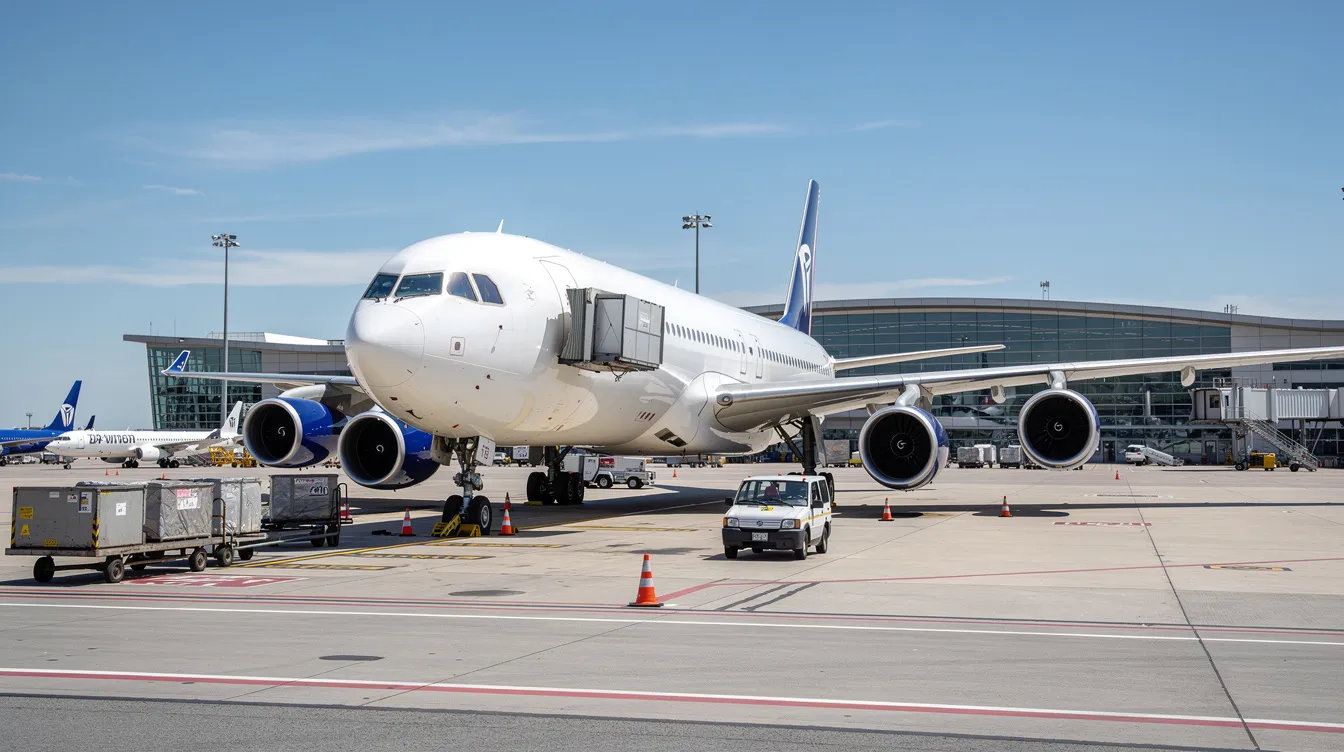
Airbus A340 Seating Capacity: Complete Guide for A340-200/300/500/600
The Airbus A340 is a four-engine wide-body aircraft designed for long-haul travel, with seating capacities ranging from 210 to 440 passengers depending on the variant and cabin configuration. The A340 family includes four models: A340-200, A340-300, A340-500, and A340-600, each differing in length, range, and typical seating arrangements. While production ceased in 2011, the A340 remains relevant for charter, VIP, and occasional scheduled services, with airlines customizing layouts based on market demand. Understanding the seating capacities and configurations of the A340 is crucial for planning group travel, especially when comparing options through platforms like Jettly, which connects clients with various aircraft for charter needs.
Read More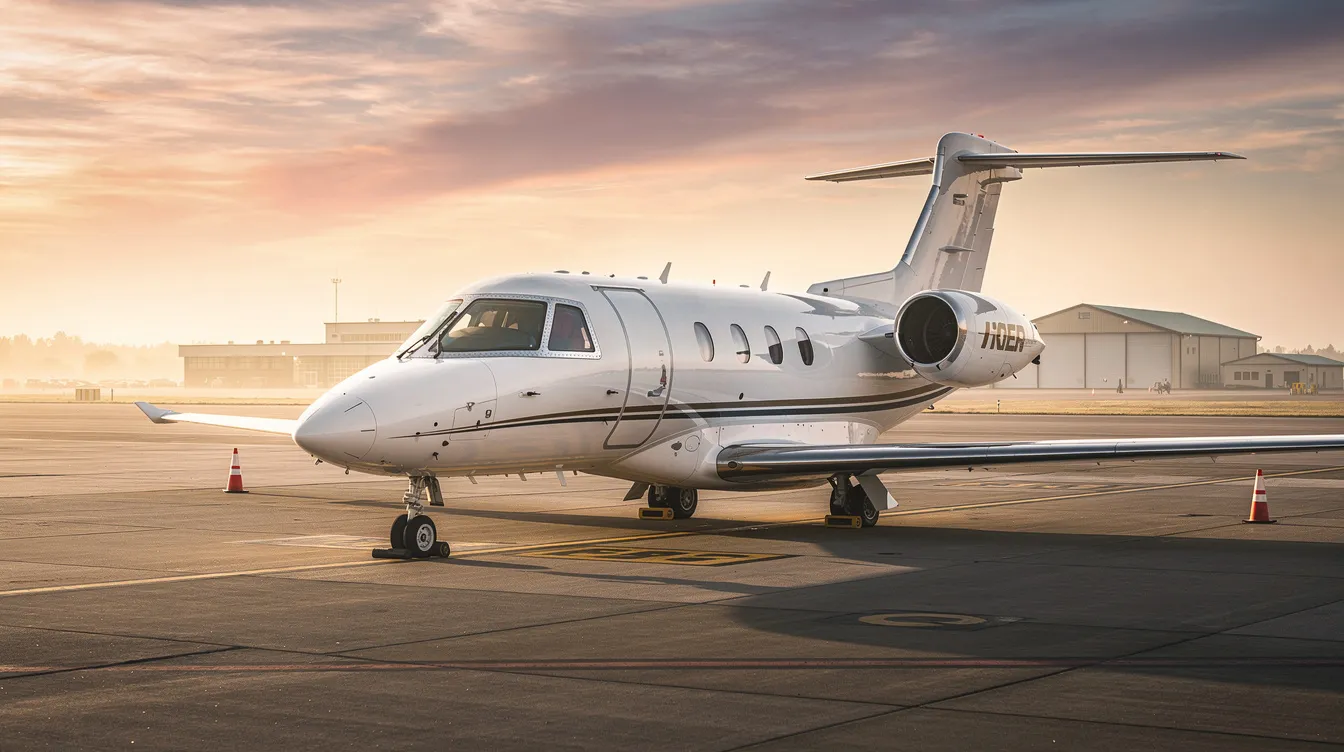
5
min read
$2 Million Dollar Private Jet: What You Really Get, What It Really Costs, and Smarter Alternatives
A $2 million private jet typically buys a pre-owned light jet or a high-end turboprop, with total ownership costs potentially matching or exceeding the purchase price within five years. Annual operating expenses can range from $400,000 to $800,000, making ownership less economical for those flying fewer than 150-200 hours per year. Alternatives like chartering or jet cards often provide better value and flexibility without the complexities of ownership, such as maintenance and insurance. For potential buyers, evaluating actual travel patterns and costs through platforms like Jettly can help determine if ownership is a justified investment.
Read MoreJoin our community and receive the latest blog updates directly in your inbox.
MEMBERSHIPS AND ASSOCIATIONS



Disclaimer: Jettly operates as a charter broker, offering access to a global digital jet charter marketplace. Jettly is not a direct air carrier and does not own or operate aircraft. All advertised flights are conducted by third-party air carriers that are fully licensed and hold the appropriate Part 135 or Part 121 certifications issued by the Federal Aviation Administration (FAA) or equivalent regulatory authorities under U.S. or foreign law. Jettly complies fully with the U.S. Department of Transportation's Part 295 and Part 298 Charter Broker regulations. Jettly does not carry additional liability insurance. Passengers are covered by aircraft operator insurance. TICO: 50023770


