



Login
Get Instant Pricing On 23,000+ Aircraft


A recent Jettly survey reveals that trust in commercial pilots has declined, partly due to incidents like the Alaska Airlines event, with Delta, American, and United emerging as the most trusted airlines. Factors reducing trust include visible fatigue, late arrivals, and poor communication. While Gen Z shows a higher trust in private pilots, cost remains the biggest barrier to private flying, alongside concerns about accessibility and environmental impact. Justin Crabbe, CEO of Jettly, emphasizes that expanding networks, improved booking platforms, and new options like jet cards and fractional ownership are making private aviation more accessible and eco-conscious.

Justin Crabbe
May 6, 2025
|
5 minutes
min read


View all
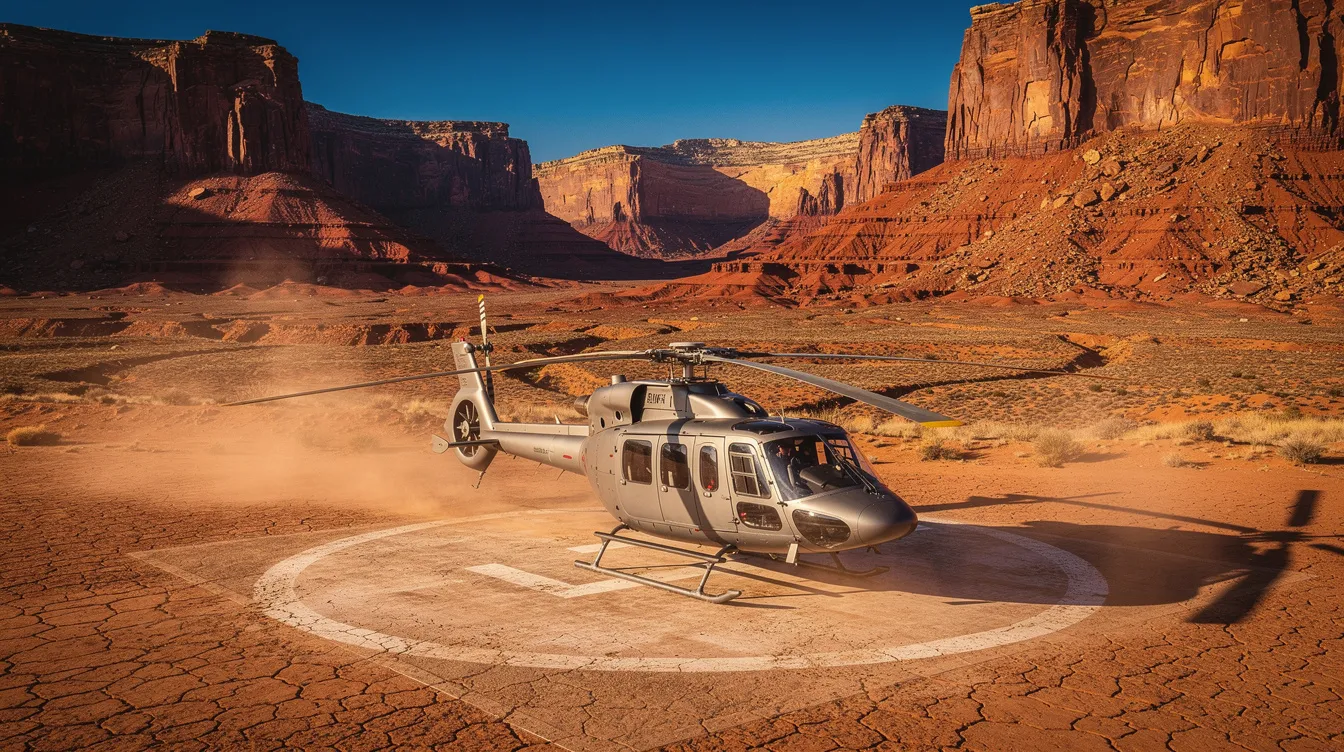
Planning a trip to Havasu Falls in 2026? The helicopter service offers a quick alternative to the challenging hike, costing approximately $300 one-way. Flights operate on select days and are first-come, first-served, so early arrival is essential. Remember, a valid permit is required for all visitors to access the falls.
Jay Franco Serevilla
Oct 20, 2026
|
5
min read
View all
Becoming a helicopter pilot can take anywhere from 2 months to 2 years, depending on the type of license and training frequency. A private pilot license typically requires 40 flight hours, while a commercial license demands 150 hours. Factors such as training intensity, weather conditions, and flight school choice significantly influence the timeline and costs involved.
Jay Franco Serevilla
Oct 20, 2026
|
5
min read

View all
Leasing a helicopter provides operators and individuals with access to aircraft without the hefty upfront costs of ownership. This flexible arrangement allows for predictable payments and can be tailored to suit various operational needs, whether through wet or dry leases. For those flying less frequently, on-demand charter services may offer a more cost-effective solution.
Jay Franco Serevilla
Oct 20, 2026
|
5
min read
View all
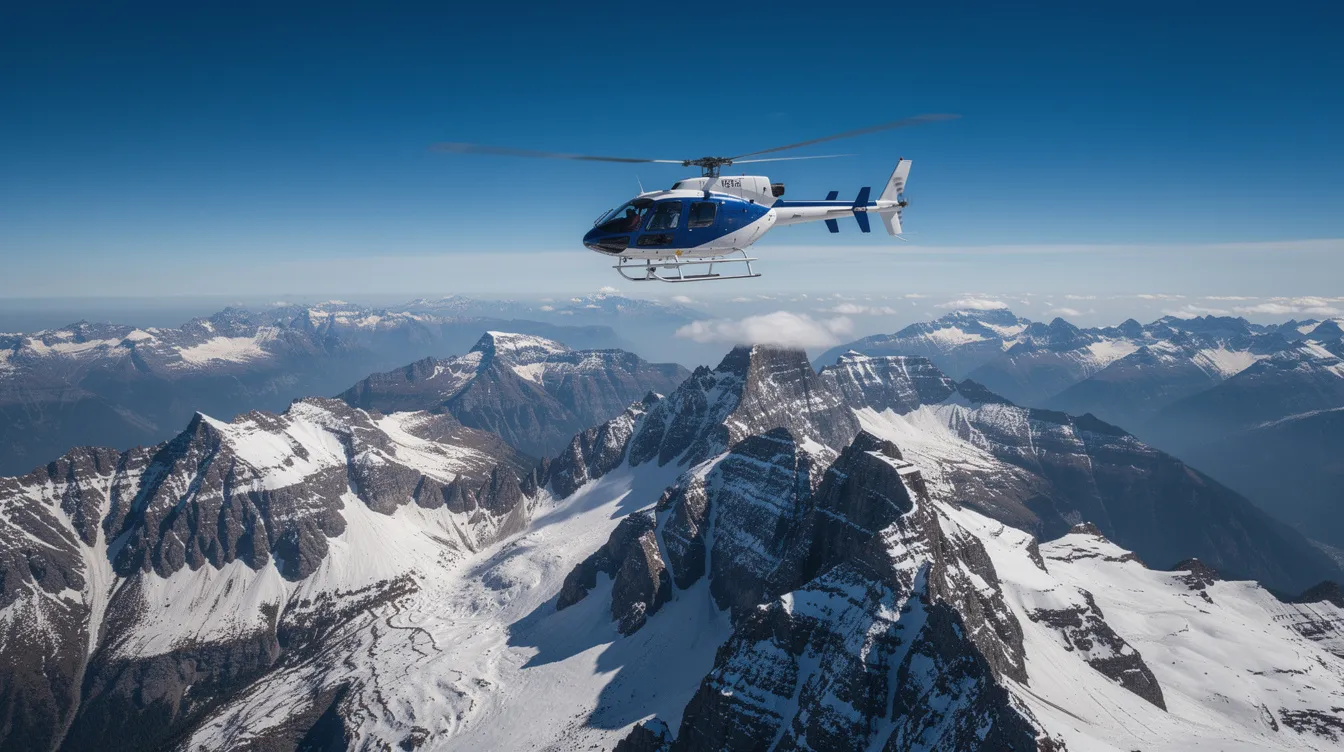
Helicopters typically fly between 500 and 5,000 feet during routine operations, with some models reaching service ceilings of 20,000 feet or more. The highest recorded flight reached 40,820 feet in 1972, but most helicopters operate much lower due to factors like air density and engine power. Understanding these limits is essential for travelers considering helicopter charters for various missions.
Jay Franco Serevilla
Oct 20, 2026
|
5
min read

View all
Chesapeake Regional Airport (KCPK) is a premier destination for private and charter aviation in coastal Virginia, offering a 5,500-foot runway and dedicated facilities. This guide provides essential information for pilots and travelers, including booking options through Jettly, making it an ideal choice for efficient and private travel.
Jeff Ryan Serevilla
Oct 20, 2026
|
5
min read
View all
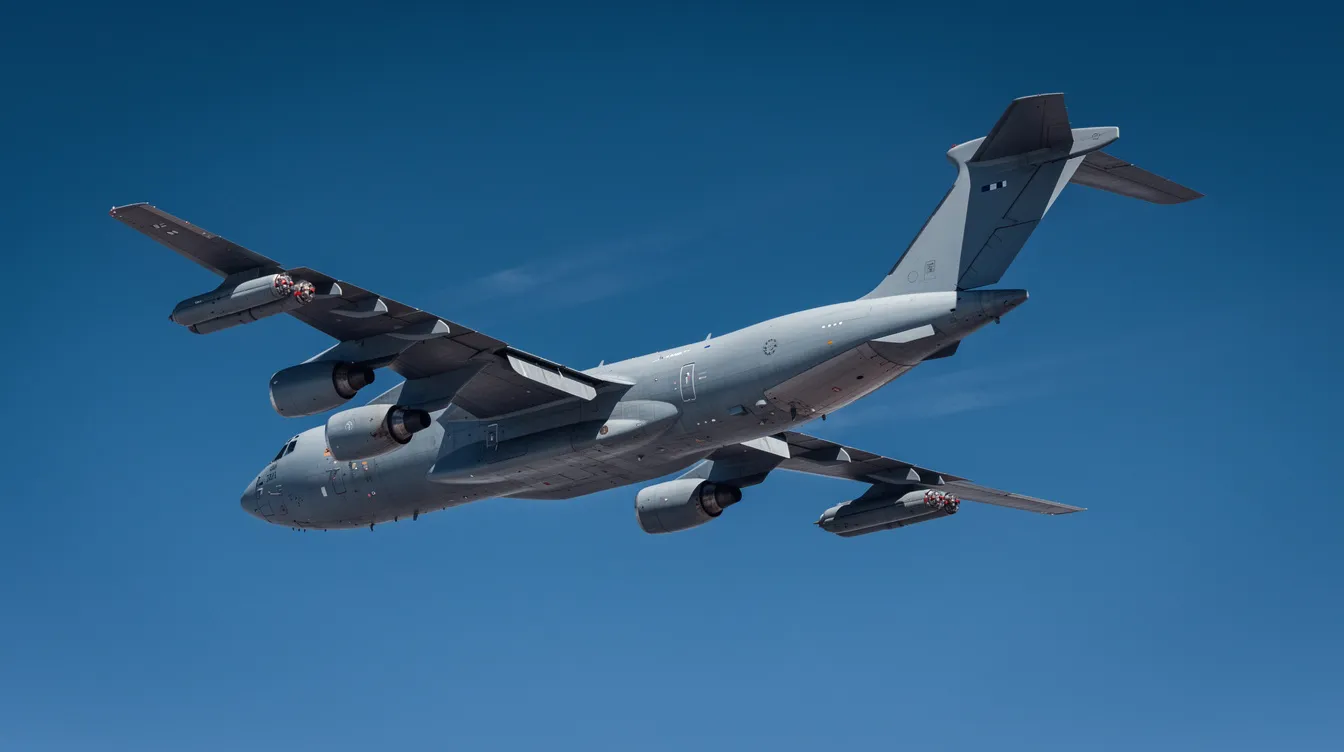
The KC-135 Stratotanker has a long history of accidents, with over 50 fatal crashes since its introduction in the 1950s. Recent incidents, including a crash in March 2026 that killed six crew members, highlight ongoing safety challenges in military aviation. Lessons learned from these accidents have led to significant improvements in training and operational procedures, benefiting both military and civilian aviation.
Jeff Ryan Serevilla
Oct 20, 2026
|
5
min read
Explore our latest articles and updates.
5
min read
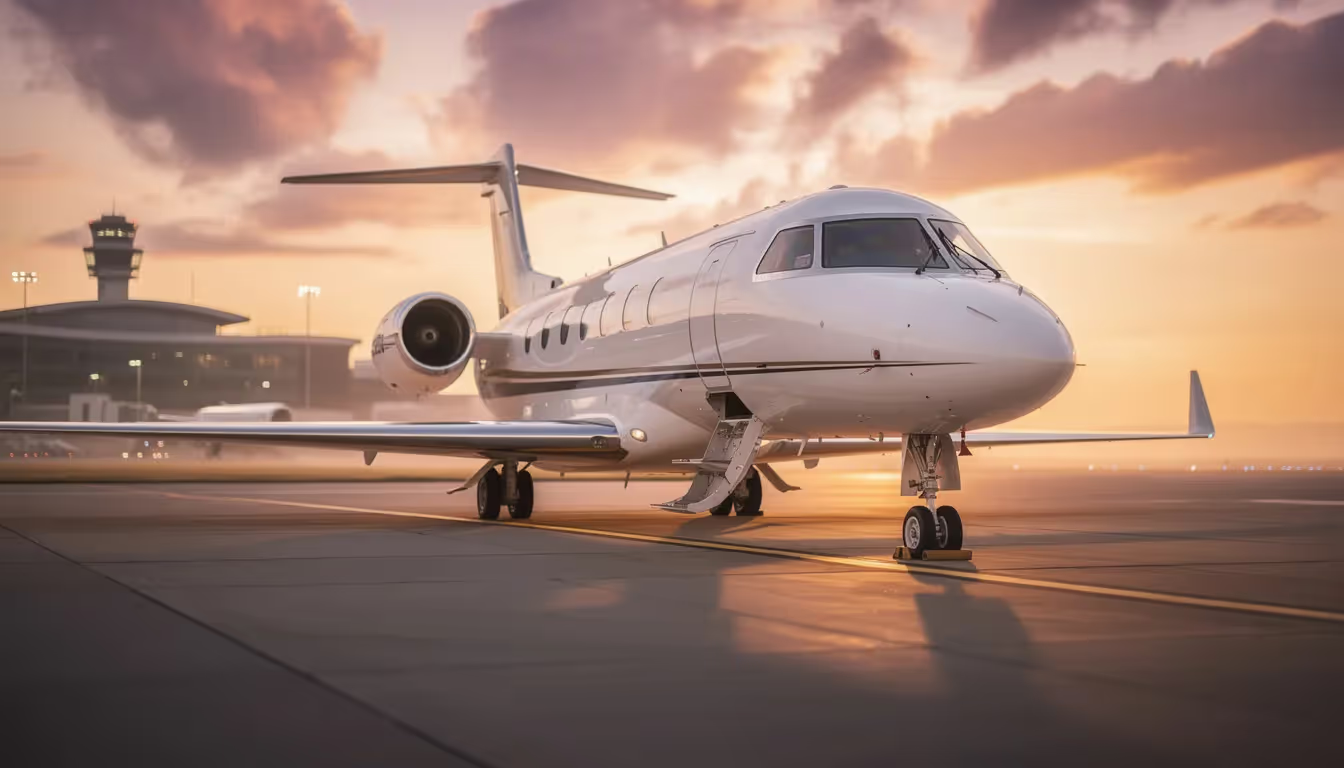
Private Jet Emissions: Impact, Inequality, and Cleaner Ways to Fly
Private jet emissions have drawn significant scrutiny due to their disproportionate environmental impact, with private jets emitting approximately 15–16 million tonnes of CO2 in 2023, representing about 1.7–1.8% of civil aviation emissions while serving a tiny fraction of passengers. The emissions per passenger are extraordinarily high, with private jets emitting 5–14 times more CO2 per passenger-kilometre than commercial flights, largely due to low occupancy rates. A small group of ultra-wealthy individuals and corporations accounts for the majority of these emissions, highlighting stark inequalities in carbon footprints. To mitigate their environmental impact, travelers can consider options like utilizing empty leg flights, choosing more efficient aircraft, and prioritizing sustainable aviation fuels.
Read More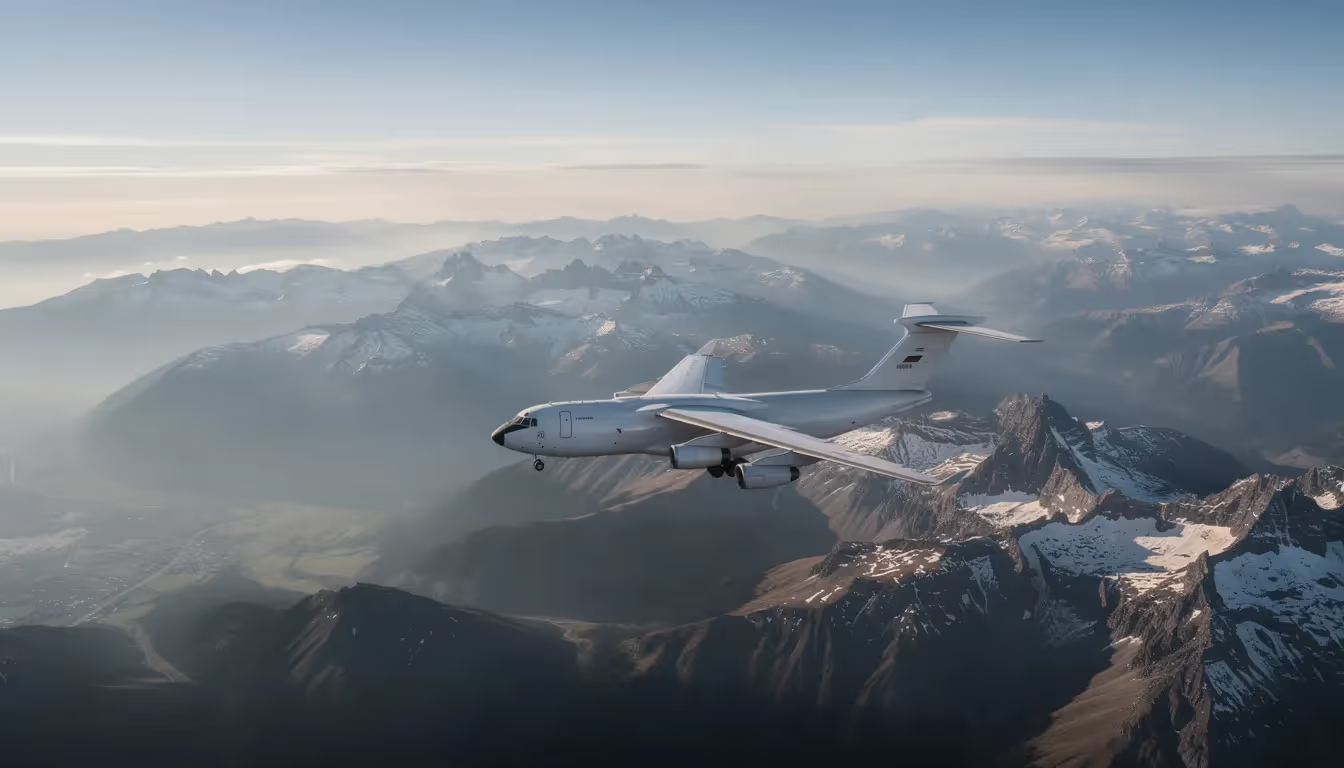
5
min read
Comprehensive Guide to Charter Air Freight: Speed, Flexibility, and Control for Time-Critical Shipments
Charter air freight is increasingly favored by businesses for urgent shipments, offering unmatched speed, flexibility, and control compared to standard shipping options. Companies can choose between full charters, which provide exclusive use of an aircraft, and part charters, which allow sharing capacity for smaller loads. This service is vital across various industries, including automotive and pharmaceuticals, where delays can lead to significant financial losses. By leveraging charter air freight, organizations can ensure timely deliveries, mitigate risks, and maintain competitive supply chains.
Read MoreJoin our community and receive the latest blog updates directly in your inbox.
MEMBERSHIPS AND ASSOCIATIONS



Disclaimer: Jettly operates as a charter broker, offering access to a global digital jet charter marketplace. Jettly is not a direct air carrier and does not own or operate aircraft. All advertised flights are conducted by third-party air carriers that are fully licensed and hold the appropriate Part 135 or Part 121 certifications issued by the Federal Aviation Administration (FAA) or equivalent regulatory authorities under U.S. or foreign law. Jettly complies fully with the U.S. Department of Transportation's Part 295 and Part 298 Charter Broker regulations. Jettly does not carry additional liability insurance. Passengers are covered by aircraft operator insurance. TICO: 50023770


