



Login
Get Instant Pricing On 23,000+ Aircraft

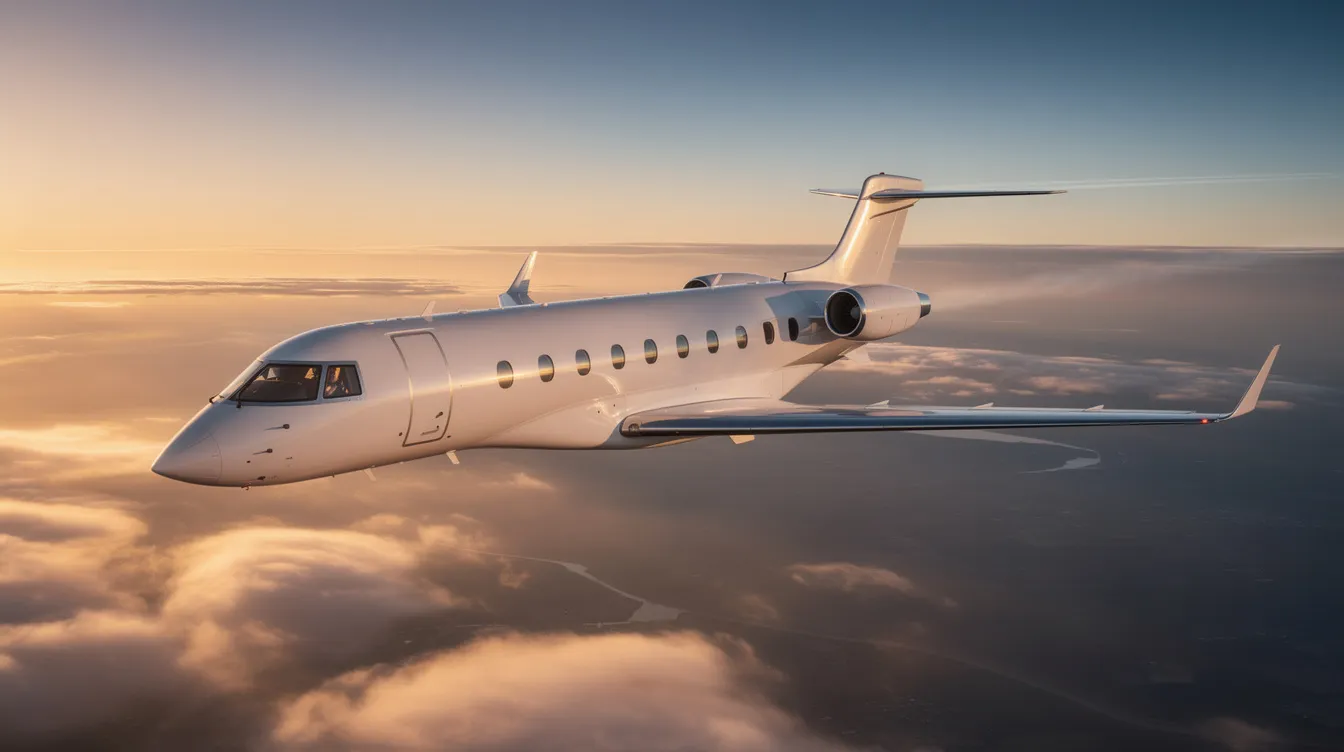
Southwest Airlines is undergoing significant changes in 2026, including the end of open seating and new battery restrictions. Travelers should be aware of updated fare structures, policies for plus-size passengers, and enhanced safety measures. This guide is essential for frequent flyers and those considering alternatives like private charters.
Jay Franco Serevilla
Sep 12, 2026
|
5
min read


View all
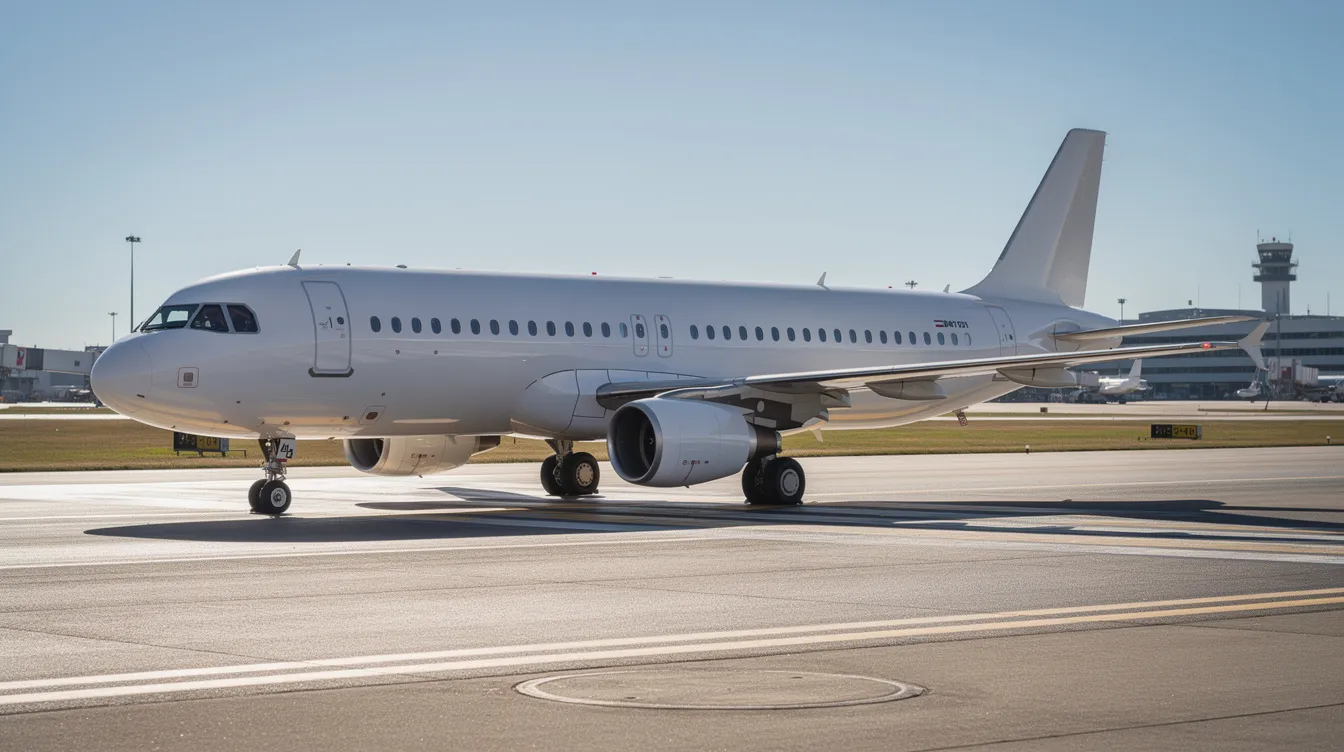
The Boeing 737-800, measuring 129 ft 6 in (39.47 m), is a leading single-aisle airliner known for its passenger capacity and operational efficiency. This guide provides insights into its dimensions, seating configurations, and charter use, making it essential for airlines and charter customers. Understanding the 737-800's specifications helps optimize route planning and enhance passenger experience.
Jay Franco Serevilla
Oct 17, 2026
|
5
min read
View all
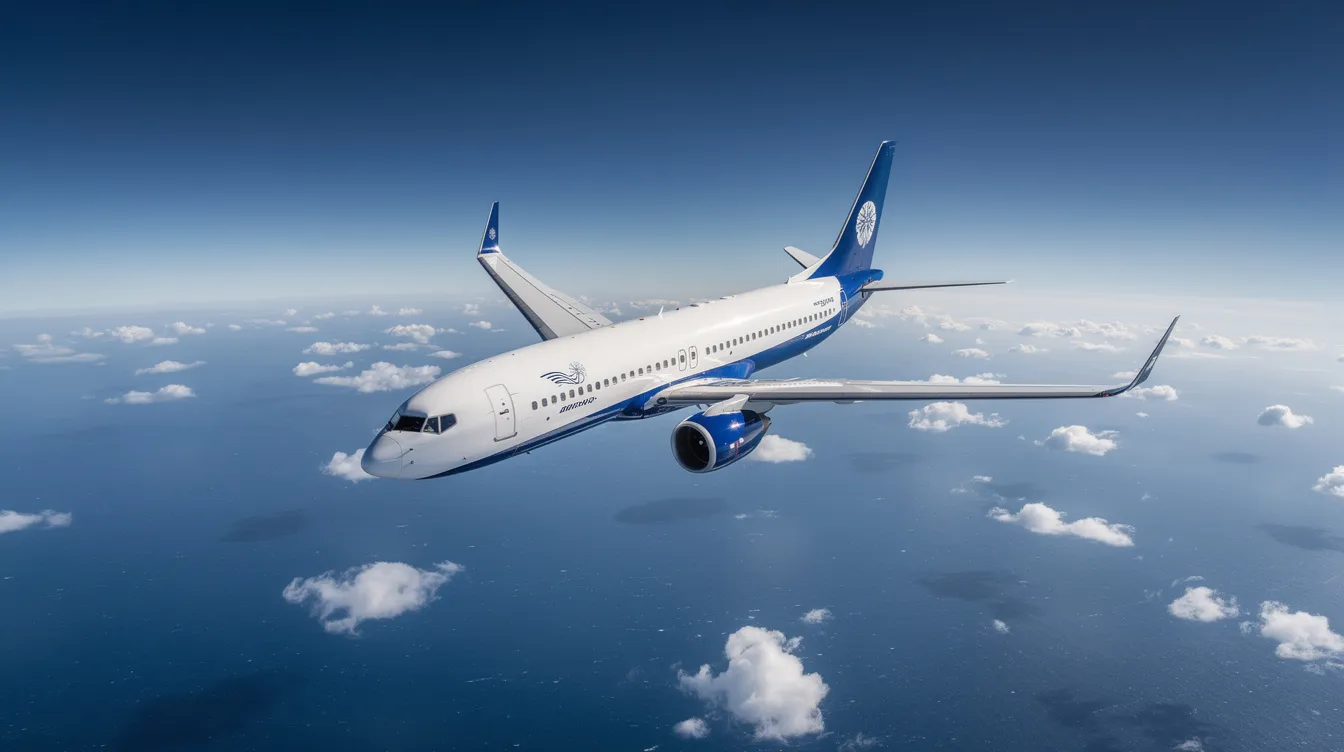
The Boeing 737-800 is a widely used single-aisle aircraft with a maximum range of approximately 3,377 nautical miles. However, real-world factors such as payload, weather, and airport conditions can significantly affect its effective range, typically reducing it to 2,800 to 3,100 nautical miles for commercial operations. This guide provides insights into the aircraft's range capabilities and practical considerations for travelers and charter customers.
Jay Franco Serevilla
Oct 17, 2026
|
5
min read

View all
The Boeing 777-300 and 777-300ER are advanced long-haul aircraft known for their efficiency and capacity. With significant upgrades in range and engine power, the 777-300ER has become a preferred choice for intercontinental flights. This guide provides insights into their features, cabin layouts, and comparisons with private jet charters, helping travelers make informed decisions.
Jay Franco Serevilla
Oct 17, 2026
|
5
min read

View all
The Boeing 777 family features an impressive range, from 5,240 nautical miles for the 777-200 to 9,500 nautical miles for the upcoming 777-8. This extensive range allows airlines to operate virtually every long-haul route, making the 777 a staple in commercial aviation. Understanding these capabilities is essential for both travelers and operators in optimizing flight planning.
Jay Franco Serevilla
Oct 17, 2026
|
5
min read
View all
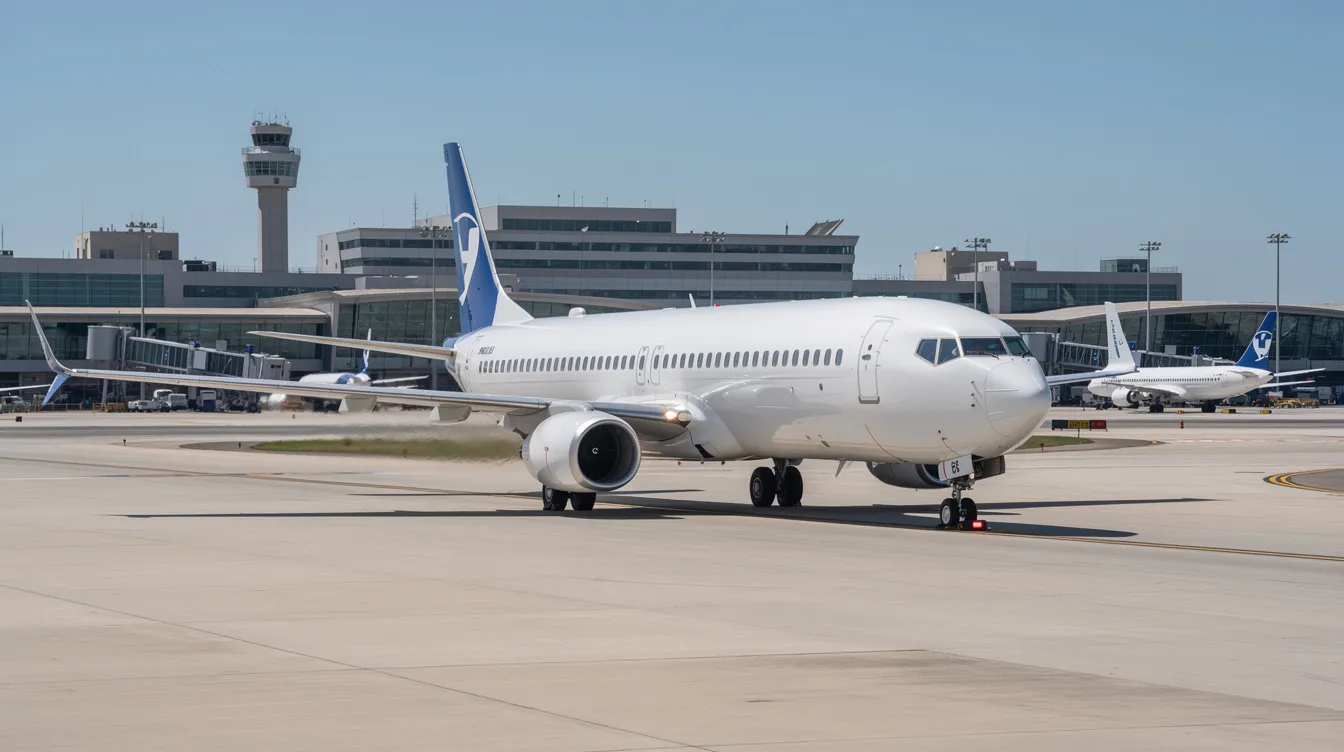
The Boeing 737-800 is a versatile aircraft with a seating capacity ranging from 162 to 189 passengers, depending on the airline's configuration. It is widely used for short- to medium-haul flights due to its fuel efficiency and reliability. Understanding its layout options helps travelers set expectations for comfort and plan their journeys effectively.
Jay Franco Serevilla
Oct 17, 2026
|
5
min read

View all
The Boeing 737 is the best-selling commercial aircraft series, evolving through four generations since 1967. Each generation has enhanced fuel efficiency, passenger comfort, and operational range, making it a staple in both commercial and private aviation. This guide explores the various models, their uses, and their significance in modern air travel.
Jay Franco Serevilla
Oct 17, 2026
|
5
min read
Explore our latest articles and updates.

5
min read
Minimum Runway Length for 737: Practical Guide for Pilots, Operators, and Charter Travelers
This practical guide outlines the minimum runway length requirements for Boeing 737 operations, crucial for pilots, operators, and charter travelers. It details how various factors such as aircraft weight, environmental conditions, and runway surface affect takeoff and landing distances, providing essential insights for safe and efficient flight planning.
Read More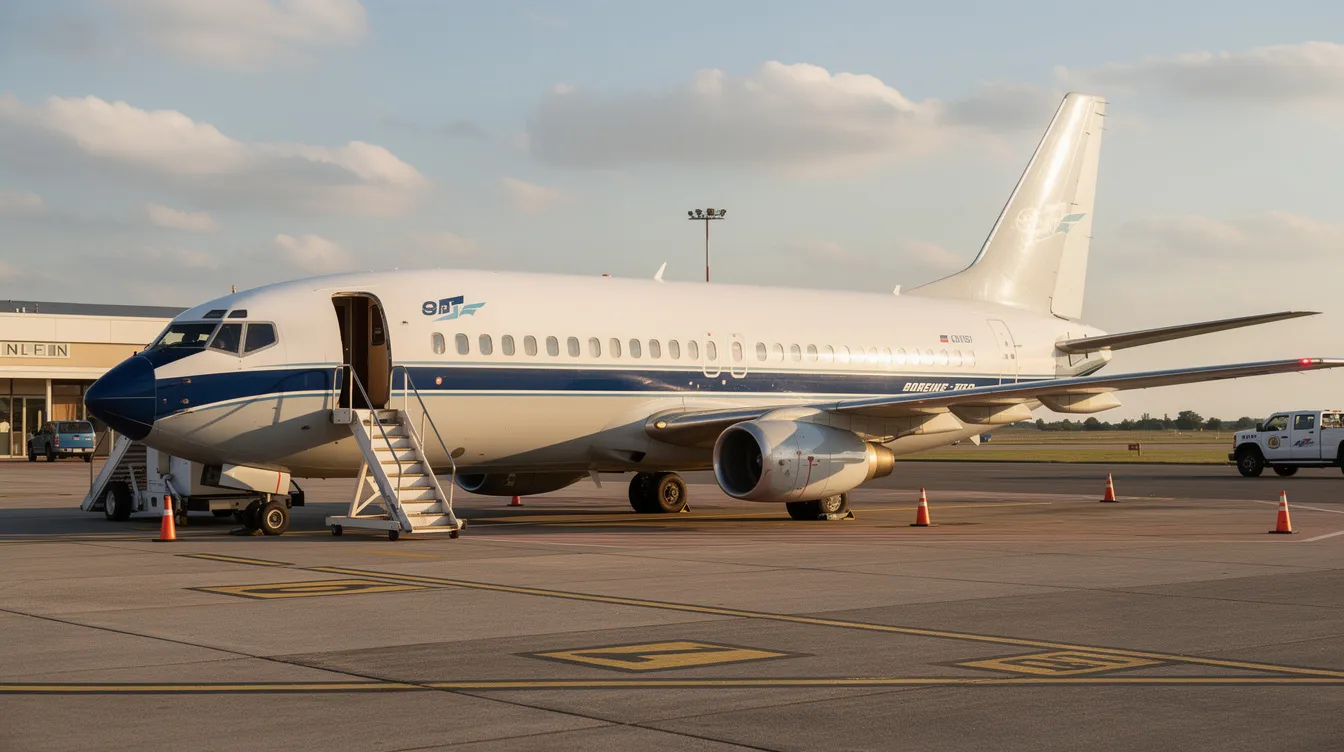
5
min read
Boeing 737-200: History, Key Features, and Role in Private & Charter Aviation
The Boeing 737-200, introduced in 1968, is a rugged twinjet designed for short and medium-haul routes, accommodating 100 to 136 passengers. Despite its high fuel consumption, it remains relevant in niche roles such as cargo and private charters, particularly in remote areas. This guide explores its history, features, and operational capabilities, highlighting its unique advantages in today's aviation landscape.
Read MoreJoin our community and receive the latest blog updates directly in your inbox.
MEMBERSHIPS AND ASSOCIATIONS



Disclaimer: Jettly operates as a charter broker, offering access to a global digital jet charter marketplace. Jettly is not a direct air carrier and does not own or operate aircraft. All advertised flights are conducted by third-party air carriers that are fully licensed and hold the appropriate Part 135 or Part 121 certifications issued by the Federal Aviation Administration (FAA) or equivalent regulatory authorities under U.S. or foreign law. Jettly complies fully with the U.S. Department of Transportation's Part 295 and Part 298 Charter Broker regulations. Jettly does not carry additional liability insurance. Passengers are covered by aircraft operator insurance. TICO: 50023770


