



Login
Get Instant Pricing On 23,000+ Aircraft


In 2026, a 25-hour NetJets card for a light jet like the Phenom 300 starts at approximately $215,000, with total costs reaching between $247,000 and $262,000 after additional fees. This guide provides a comprehensive breakdown of costs, comparisons with fractional ownership, and insights into whether prepaying for flight hours is the best option for travelers. Understanding these details helps buyers make informed decisions about private aviation solutions.
Jay Franco Serevilla
Sep 5, 2026
|
5
min read



View all
The Boeing 737 family offers a range from 1,500 to 3,850 nautical miles, making it versatile for various flight missions. While chartering a 737 can be cost-effective for large groups, private jet options through Jettly provide greater flexibility and access to more airports, often reducing total travel time. Understanding the range and capabilities of the 737 helps travelers make informed decisions about their flight options.
Jay Franco Serevilla
Oct 20, 2026
|
5
min read

View all
In 2026, aviation safety continues to improve, with over 600 aviation accidents reported in the U.S. by September, primarily involving small general aviation aircraft. Fatal accidents remain rare in commercial aviation, with only a handful of incidents globally. Understanding the context of these numbers is crucial for travelers concerned about flying safety.
Jay Franco Serevilla
Oct 20, 2026
|
5
min read

View all
Passenger airline crashes are rare, with commercial aviation being the safest mode of mass transportation today. In 2023, there were zero fatal accidents involving passenger jets, highlighting the effectiveness of safety regulations and advancements in technology. This article explores the history of airline crashes, safety measures, and what travelers should know about aviation safety.
Jay Franco Serevilla
Oct 20, 2026
|
5
min read

View all
Worldwide jet charter has transformed private air travel into a practical solution for executives, families, and urgent travelers. With access to over 20,000 aircraft globally, Jettly offers flexible, efficient, and direct flights that save time and enhance the travel experience. This guide outlines how jet charter works, its benefits, and how to navigate the booking process seamlessly.
Jay Franco Serevilla
Oct 20, 2026
|
5
min read
View all
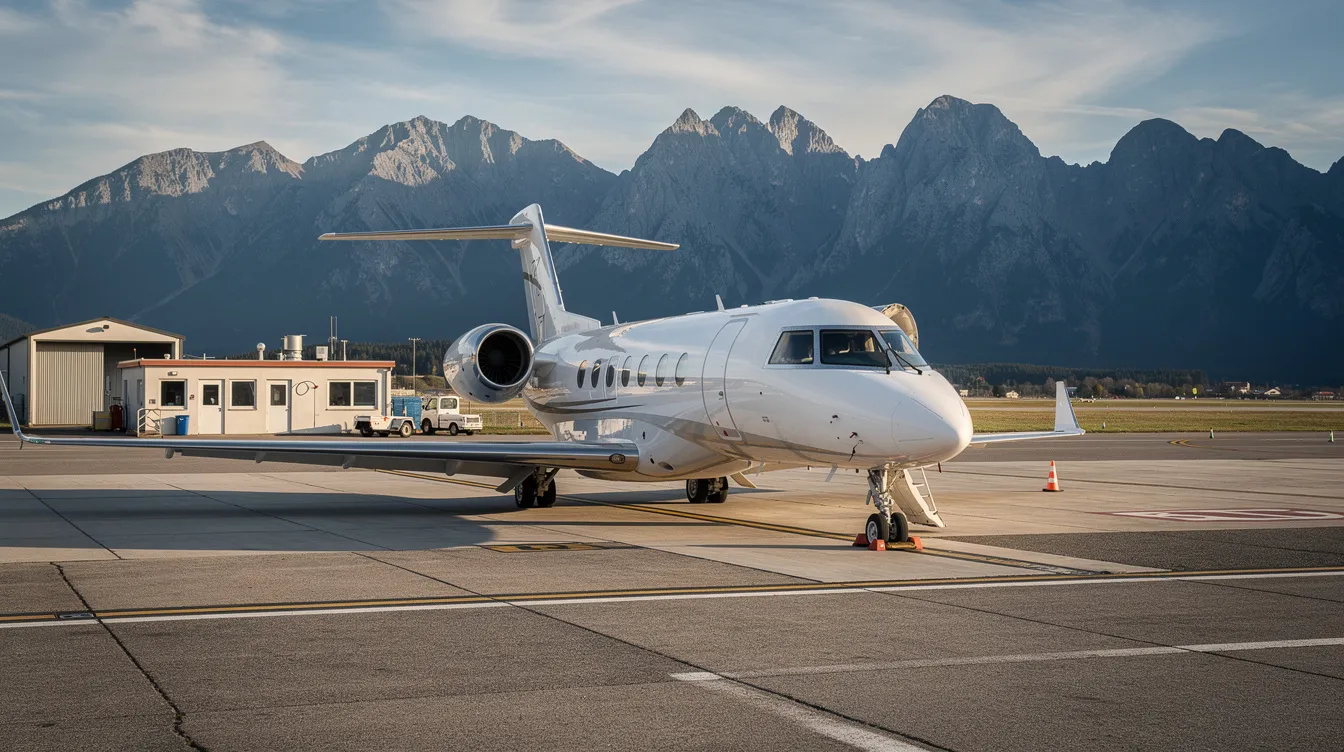
Charter airlines provide flexible, on-demand flights tailored to travelers' needs, allowing them to choose routes, timings, and passenger lists. Platforms like Jettly connect users to a vast network of certified operators, offering a range of aircraft options from turboprops to heavy jets. This guide explores the benefits of private charters, including cost comparisons and safety standards, making it easier for travelers to navigate the world of private aviation.
Jay Franco Serevilla
Oct 20, 2026
|
5
min read

View all
Widebody airliners, also known as twin-aisle aircraft, are crucial for long-haul travel, accommodating 200 to 850 passengers. This guide explores their evolution, key models, and how they enhance passenger comfort while connecting global cities. Discover how private jet charters complement these commercial flights for seamless travel experiences.
Jay Franco Serevilla
Oct 20, 2026
|
5
min read
Explore our latest articles and updates.

5
min read
Jettly launches Smart Match™: AI-powered private jet charter matching in 24 hours
Introducing Smart Match™, an AI-driven workflow that matches private jet charter clients with vetted operators and aircraft in under 24 hours globally. By evaluating positioning costs, routing, safety ratings, and price, it replaces traditional multi-day broker searches with a curated shortlist of confirmed options.
Read More
5
min read
Falcon 100: Specs, History, and Charter Guide
The Dassault Falcon 100 is a light-to-midsize business jet known for its speed and operational efficiency, ideal for short-to-medium-range travel. Produced from 1983 to 1989, it features a compact cabin accommodating up to six passengers and advanced avionics for its time. Despite its age, the Falcon 100 remains popular in the charter market, offering flexibility and access to smaller airports.
Read MoreJoin our community and receive the latest blog updates directly in your inbox.
MEMBERSHIPS AND ASSOCIATIONS



Disclaimer: Jettly operates as a charter broker, offering access to a global digital jet charter marketplace. Jettly is not a direct air carrier and does not own or operate aircraft. All advertised flights are conducted by third-party air carriers that are fully licensed and hold the appropriate Part 135 or Part 121 certifications issued by the Federal Aviation Administration (FAA) or equivalent regulatory authorities under U.S. or foreign law. Jettly complies fully with the U.S. Department of Transportation's Part 295 and Part 298 Charter Broker regulations. Jettly does not carry additional liability insurance. Passengers are covered by aircraft operator insurance. TICO: 50023770


