



Login
Get Instant Pricing On 23,000+ Aircraft

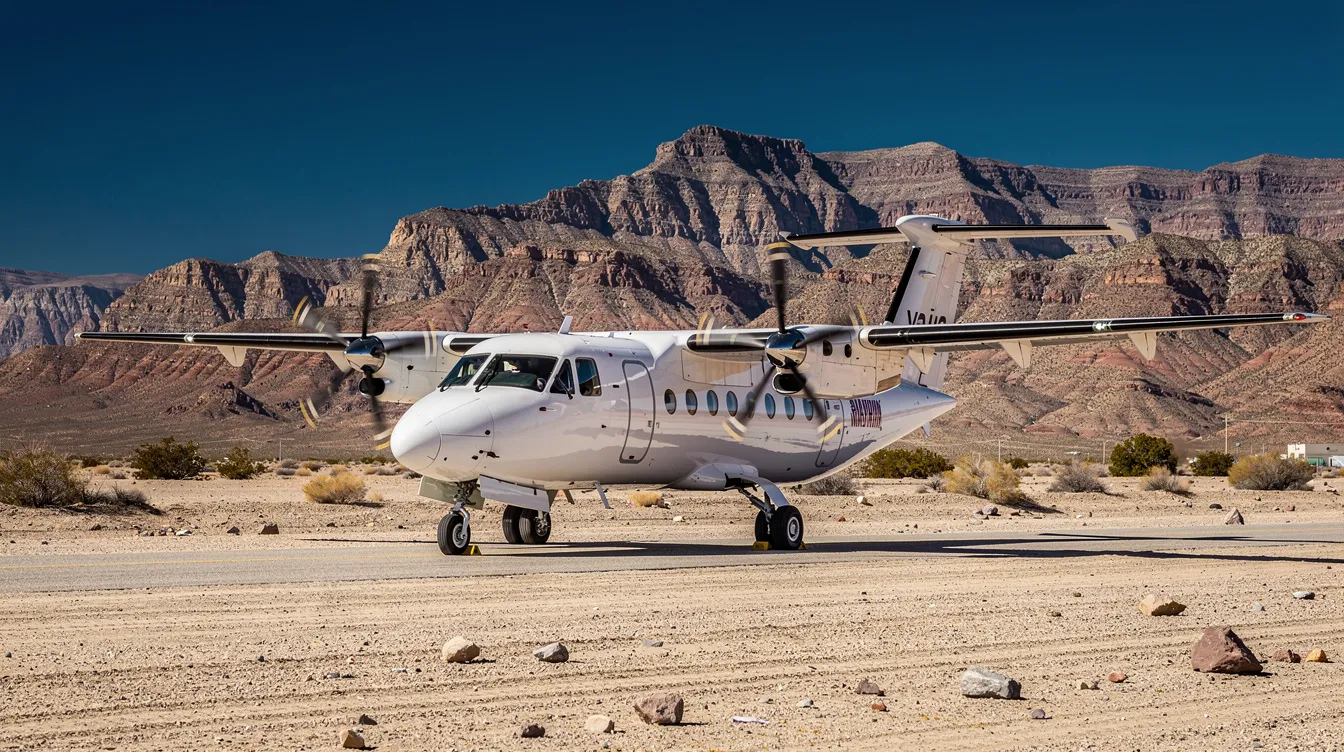
Steelman Aviation, operating as AirSmart, specializes in private charter flights using a fleet of Pilatus aircraft from North Las Vegas. With a focus on regional travel across the Western USA and Mexico, they offer tailored solutions for leisure and corporate trips. Travelers can easily access their services through Jettly's digital marketplace, ensuring transparent pricing and a variety of aircraft options.
Jay Franco Serevilla
Aug 23, 2026
|
5
min read


View all
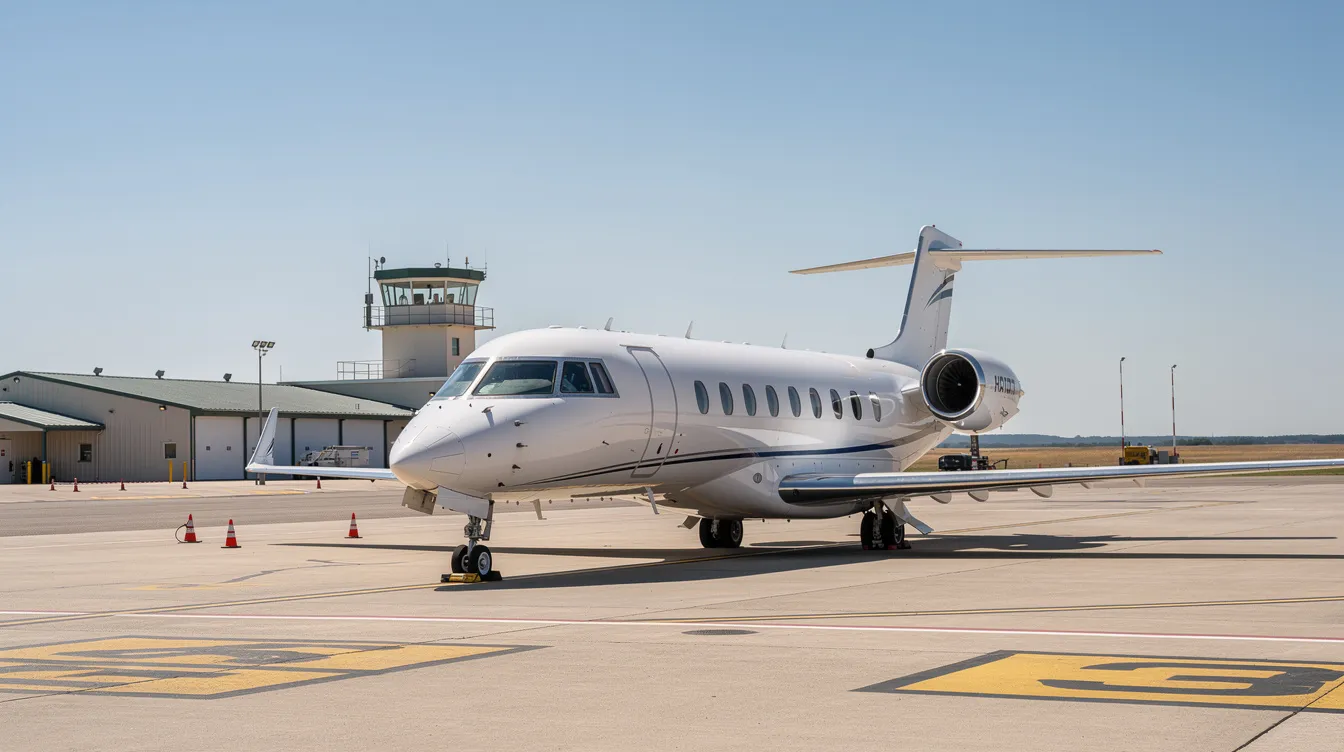
This comprehensive aircraft charter guide provides essential insights on how to choose, book, and fly with confidence using Jettly's digital platform. It covers various jet categories, the charter process, and highlights the benefits of private aviation for both personal and business travel. With access to over 20,000 aircraft and transparent pricing, Jettly simplifies the charter experience for travelers.
Jay Franco Serevilla
Oct 14, 2026
|
5
min read

View all
This guide explores the landscape of private jet ownership, highlighting famous owners like Oprah Winfrey and Prince Al Waleed bin Talal. It also discusses the advantages of private jet charter services, such as Jettly, which provide flexible access to a wide range of aircraft without the burdens of ownership. Understanding the different models of private jet access can help travelers make informed decisions about their flying needs.
Jay Franco Serevilla
Oct 14, 2026
|
5
min read
View all
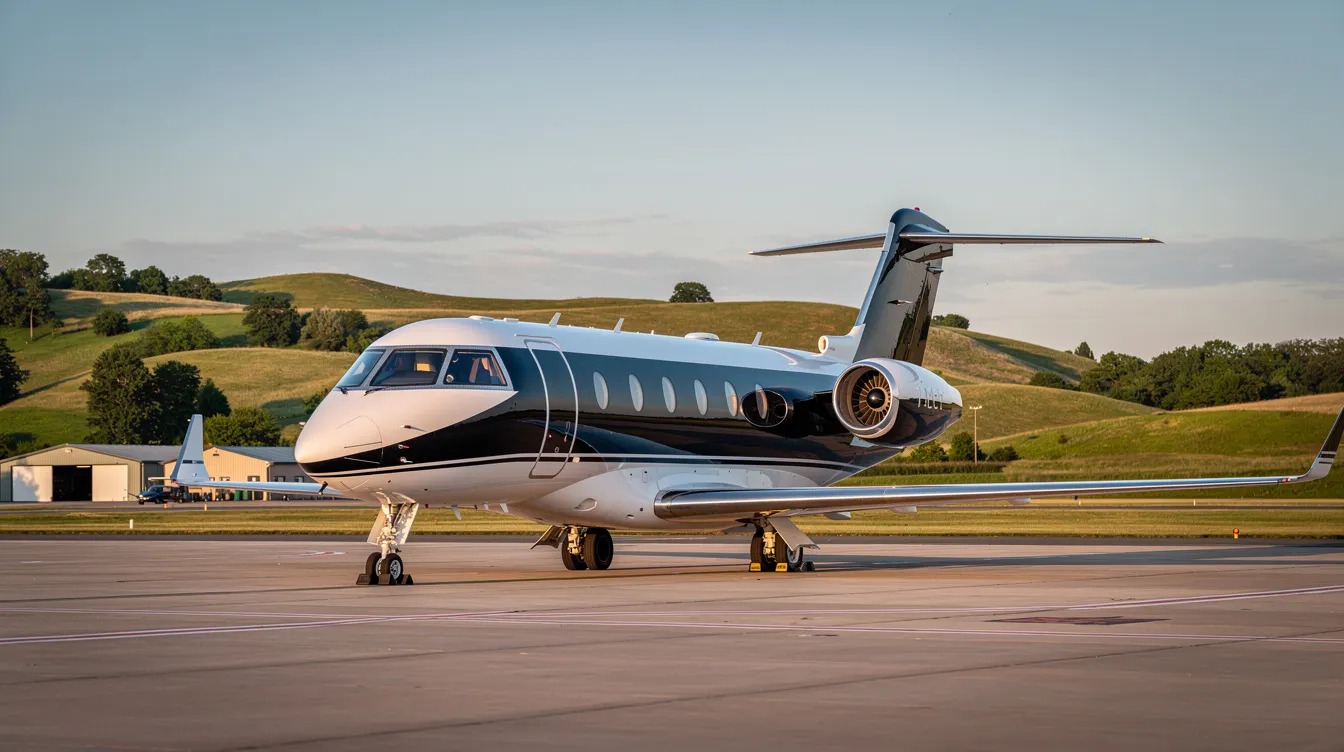
Jettly simplifies private charter flights, offering travelers on-demand access to over 20,000 aircraft worldwide. With flexible scheduling and transparent pricing, it caters to business, family, and group travel needs, ensuring a seamless experience from booking to arrival.
Jay Franco Serevilla
Oct 14, 2026
|
5
min read
View all
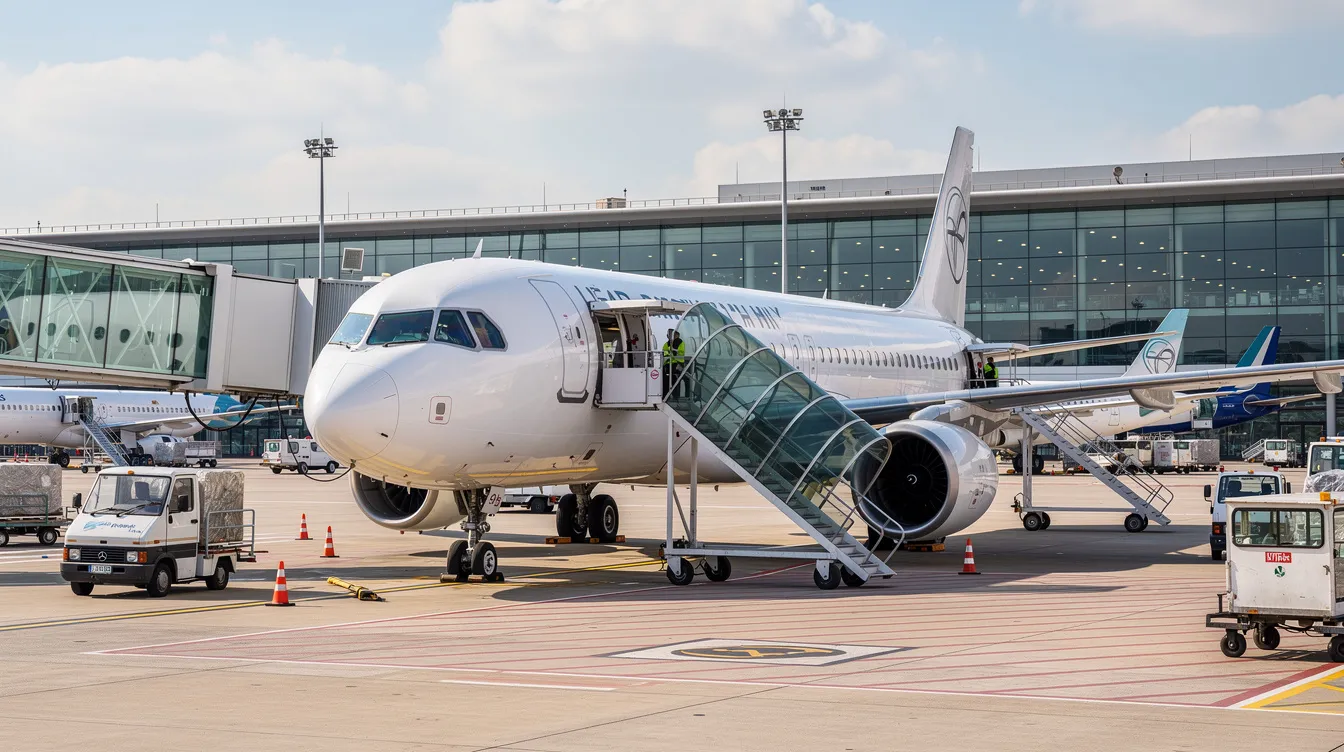
The Boeing 737 is a versatile aircraft with a passenger capacity ranging from 85 to 230, depending on the variant and layout. Most commonly, the 737-800 and 737 MAX models accommodate between 162 and 200 passengers. This guide details the seating capacities across different generations and compares them to private jet options for tailored travel experiences.
Jay Franco Serevilla
Oct 14, 2026
|
5
min read
View all
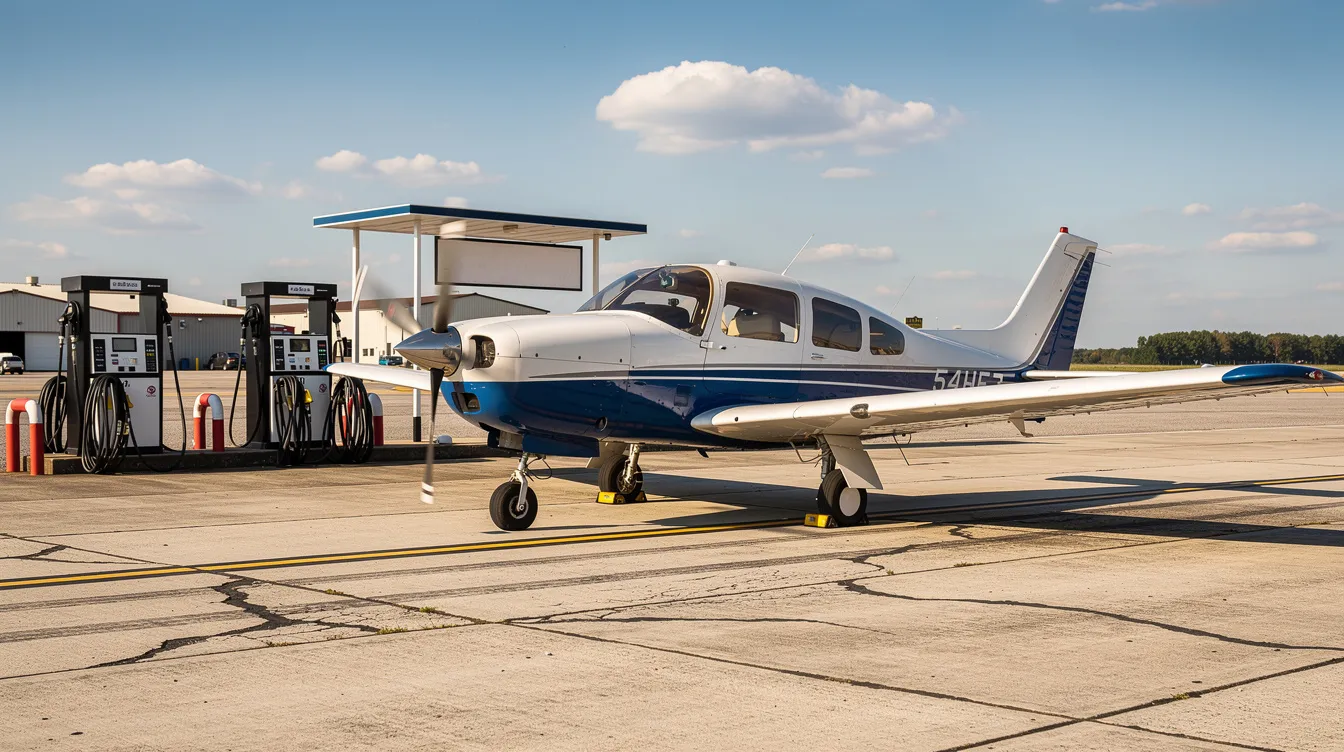
In 2026, fuel costs for small planes vary significantly based on aircraft type and fuel consumption rates. Single-engine pistons typically incur costs of $60–$80 per hour, while turboprops can reach $500–$600 per hour. Understanding these expenses is crucial for budgeting and flight planning for private pilots and aircraft owners.
Jay Franco Serevilla
Oct 14, 2026
|
5
min read

View all
Flying by private jet to Italy offers unmatched flexibility and speed, making it ideal for both business and leisure travelers. This comprehensive guide covers routes, costs, and how Jettly simplifies the booking process, ensuring a seamless travel experience. Discover the advantages of private aviation and how it can enhance your Italian journey.
Jay Franco Serevilla
Oct 14, 2026
|
5
min read
Explore our latest articles and updates.

5
min read
Bombardier Challenger 850: Large-Cabin Business Jet Guide for Charter Flyers
The Bombardier Challenger 850 is a spacious large-cabin business jet ideal for charter flyers, accommodating 12 to 18 passengers with a range of 2,800 nautical miles. It combines luxury and cost-effectiveness, making it a popular choice for corporate travel and family trips. This guide covers its specifications, performance, and charter pricing, helping travelers make informed decisions.
Read More
5
min read
What Is a G6 Plane? (Gulfstream G650 Explained for Private Flyers)
A G6 plane is the popular nickname for the Gulfstream G650, an ultra long-range business jet known for its speed and luxury. With a spacious cabin and advanced technology, it caters to corporate executives and high-net-worth travelers seeking efficient long-haul travel. The G650's impressive performance and comfort make it a top choice in private aviation.
Read MoreJoin our community and receive the latest blog updates directly in your inbox.
MEMBERSHIPS AND ASSOCIATIONS



Disclaimer: Jettly operates as a charter broker, offering access to a global digital jet charter marketplace. Jettly is not a direct air carrier and does not own or operate aircraft. All advertised flights are conducted by third-party air carriers that are fully licensed and hold the appropriate Part 135 or Part 121 certifications issued by the Federal Aviation Administration (FAA) or equivalent regulatory authorities under U.S. or foreign law. Jettly complies fully with the U.S. Department of Transportation's Part 295 and Part 298 Charter Broker regulations. Jettly does not carry additional liability insurance. Passengers are covered by aircraft operator insurance. TICO: 50023770


