



Login
Get Instant Pricing On 23,000+ Aircraft

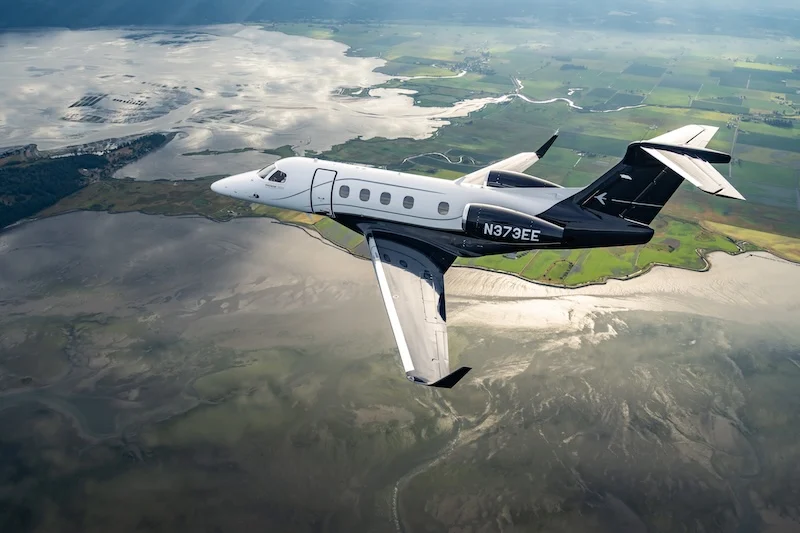
Jet cards provide private jet access without aircraft ownership. Unlike full ownership, where you purchase and manage an aircraft, or fractional ownership, where you own a share, a jet card is a service that provides access to private aircraft—often with fixed hourly rates, guaranteed availability, and other benefits. In simple terms: jet card = access, fractional = partial ownership, full ownership = complete ownership. Jet cards are ideal for travelers who want the convenience and predictability of private aviation without the acquisition costs, management responsibilities, maintenance, crew, and depreciation associated with owning an aircraft.
Jay Franco Serevilla
Aug 18, 2026
|
5
min read


View all
Leasing a helicopter provides operators and individuals with access to aircraft without the hefty upfront costs of ownership. This flexible arrangement allows for predictable payments and can be tailored to suit various operational needs, whether through wet or dry leases. For those flying less frequently, on-demand charter services may offer a more cost-effective solution.
Jay Franco Serevilla
Oct 20, 2026
|
5
min read

View all
Helicopters typically fly between 500 and 5,000 feet during routine operations, with some models reaching service ceilings of 20,000 feet or more. The highest recorded flight reached 40,820 feet in 1972, but most helicopters operate much lower due to factors like air density and engine power. Understanding these limits is essential for travelers considering helicopter charters for various missions.
Jay Franco Serevilla
Oct 20, 2026
|
5
min read

View all
Chesapeake Regional Airport (KCPK) is a premier destination for private and charter aviation in coastal Virginia, offering a 5,500-foot runway and dedicated facilities. This guide provides essential information for pilots and travelers, including booking options through Jettly, making it an ideal choice for efficient and private travel.
Jeff Ryan Serevilla
Oct 20, 2026
|
5
min read
View all
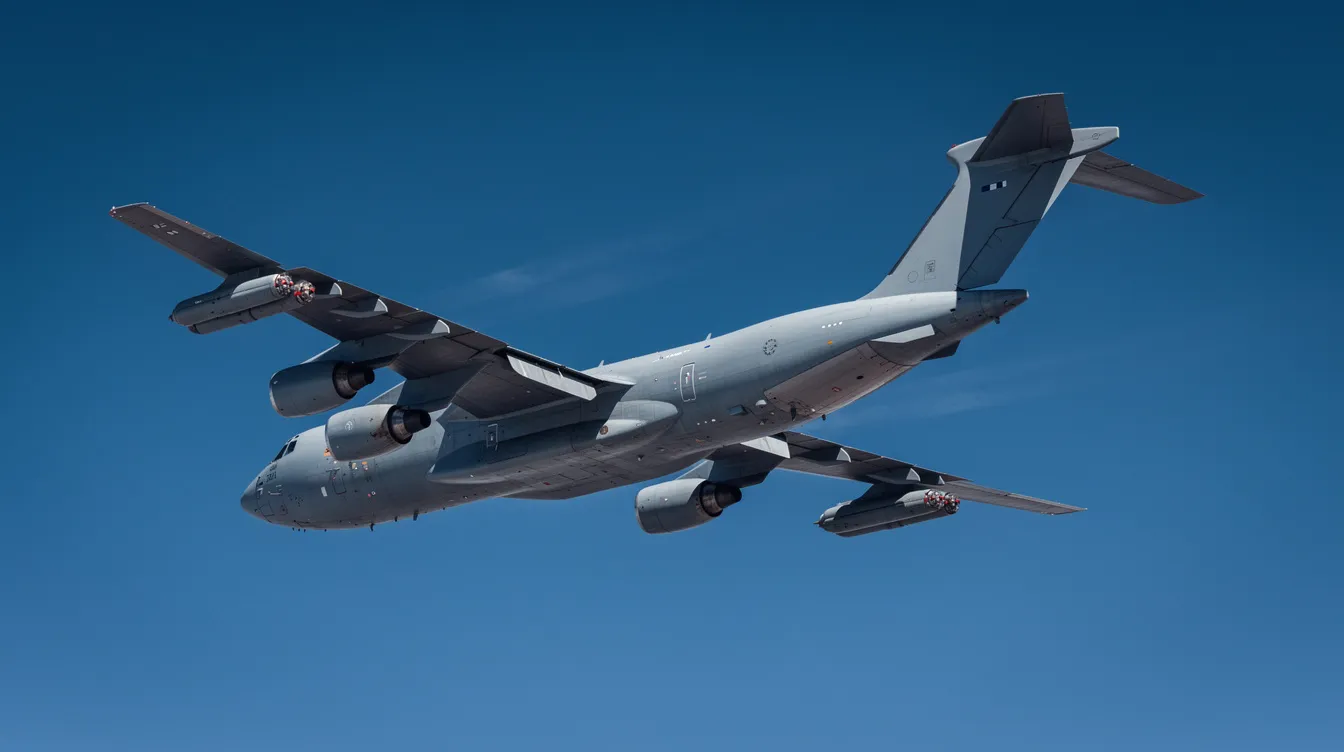
The KC-135 Stratotanker has a long history of accidents, with over 50 fatal crashes since its introduction in the 1950s. Recent incidents, including a crash in March 2026 that killed six crew members, highlight ongoing safety challenges in military aviation. Lessons learned from these accidents have led to significant improvements in training and operational procedures, benefiting both military and civilian aviation.
Jeff Ryan Serevilla
Oct 20, 2026
|
5
min read

View all
Many major airlines, including American Airlines and Japan Airlines, have experienced fatal crashes throughout their histories. While these incidents are significant, they must be viewed in context, as air travel remains one of the safest modes of transportation today. Understanding the historical data and safety improvements can help travelers make informed decisions about their flight options.
Jeff Ryan Serevilla
Oct 20, 2026
|
5
min read
View all
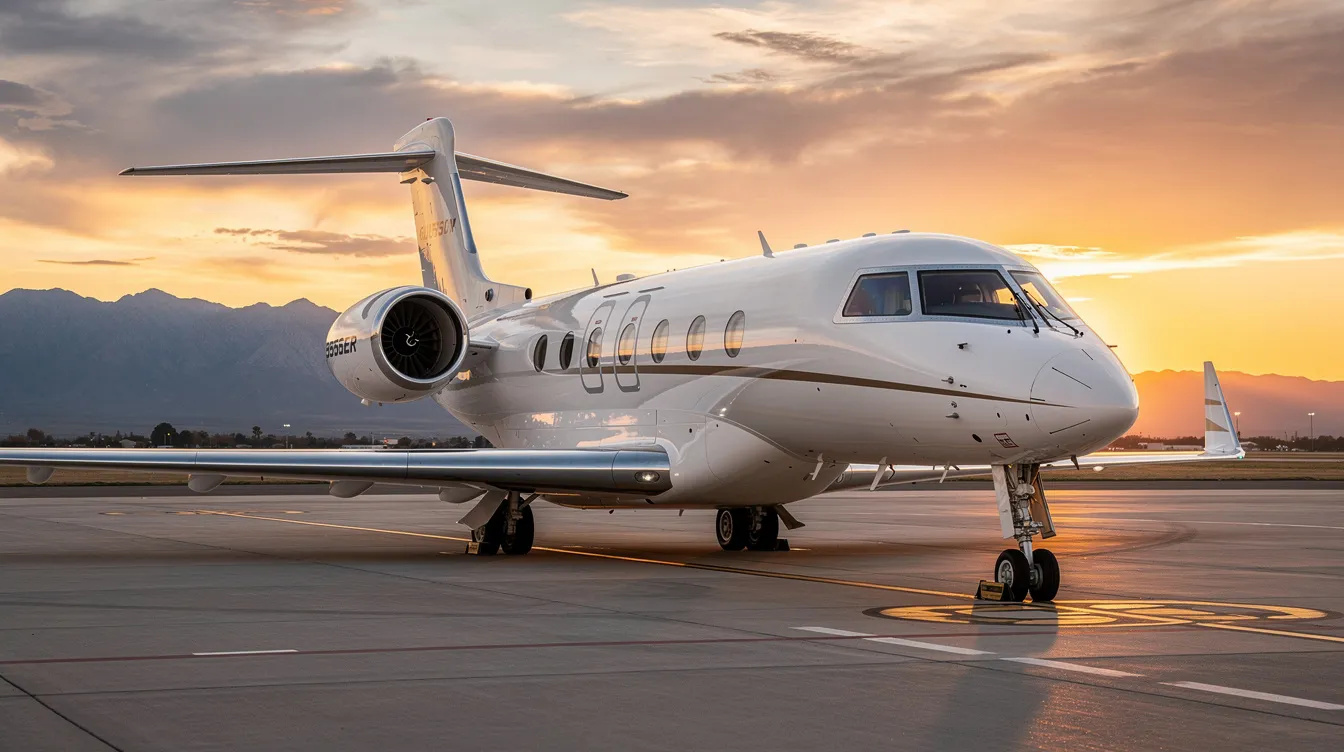
Elon Musk's private jet fleet, primarily consisting of Gulfstream models, showcases the intersection of luxury and necessity in modern aviation. This guide explores Musk's aircraft history, the evolution of his fleet, and how platforms like Jettly provide access to similar jets for those who seek the convenience of private travel without ownership. Discover the details of Musk's jets and how they reflect his dynamic lifestyle and business needs.
Jeff Ryan Serevilla
Oct 20, 2026
|
5
min read
Explore our latest articles and updates.

5
min read
How Many Decibels Is a Helicopter? Helicopter Noise Levels Explained
Helicopters typically produce noise levels ranging from 83 to over 100 decibels, depending on the aircraft type and flight phase. Understanding these noise levels is crucial for passenger comfort and community impact, especially for those considering private helicopter travel. Modern advancements in helicopter design and noise-reduction technologies are helping to mitigate these sound levels.
Read More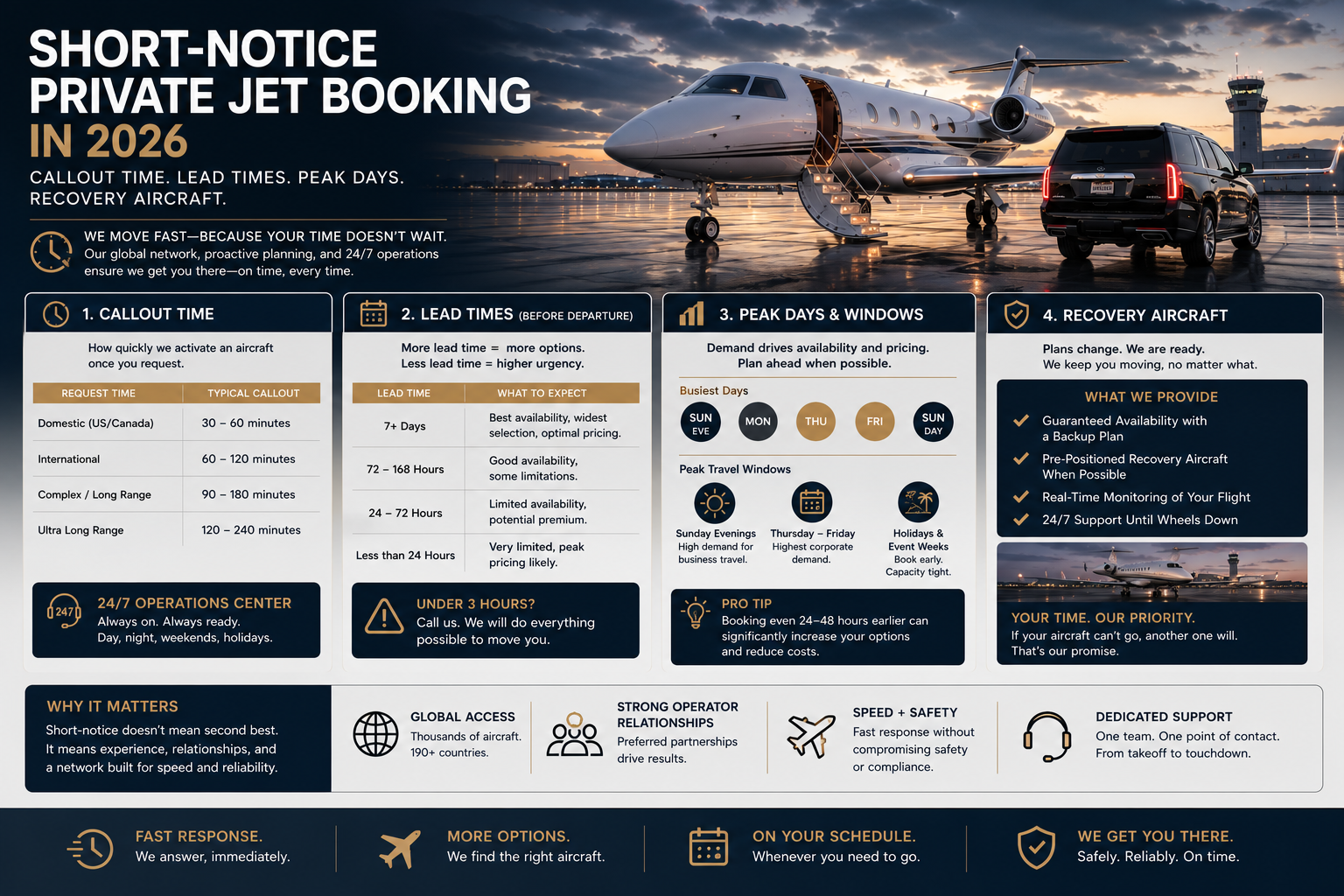
5
min read
Short-Notice Private Jet Booking in 2026: Callout Time, Lead Times, Peak Days, and Recovery Aircraft
Short-notice private jet booking requires understanding key factors like callout time, lead times, and peak-day rules. While ordinary days may allow flights within hours, peak travel days necessitate longer planning and flexibility. This guide helps you navigate the complexities of private aviation to ensure a smooth booking experience.
Read MoreJoin our community and receive the latest blog updates directly in your inbox.
MEMBERSHIPS AND ASSOCIATIONS



Disclaimer: Jettly operates as a charter broker, offering access to a global digital jet charter marketplace. Jettly is not a direct air carrier and does not own or operate aircraft. All advertised flights are conducted by third-party air carriers that are fully licensed and hold the appropriate Part 135 or Part 121 certifications issued by the Federal Aviation Administration (FAA) or equivalent regulatory authorities under U.S. or foreign law. Jettly complies fully with the U.S. Department of Transportation's Part 295 and Part 298 Charter Broker regulations. Jettly does not carry additional liability insurance. Passengers are covered by aircraft operator insurance. TICO: 50023770


