



Login
Get Instant Pricing On 23,000+ Aircraft


Choosing the right private jet for your trip is crucial for optimizing costs and comfort. Jettly's platform allows users to compare over 20,000 aircraft based on key metrics like range, capacity, and pricing, ensuring you select the best option for your needs. This guide covers various jet categories and practical tips for making informed decisions.
Jay Franco Serevilla
Aug 12, 2026
|
5
min read


View all
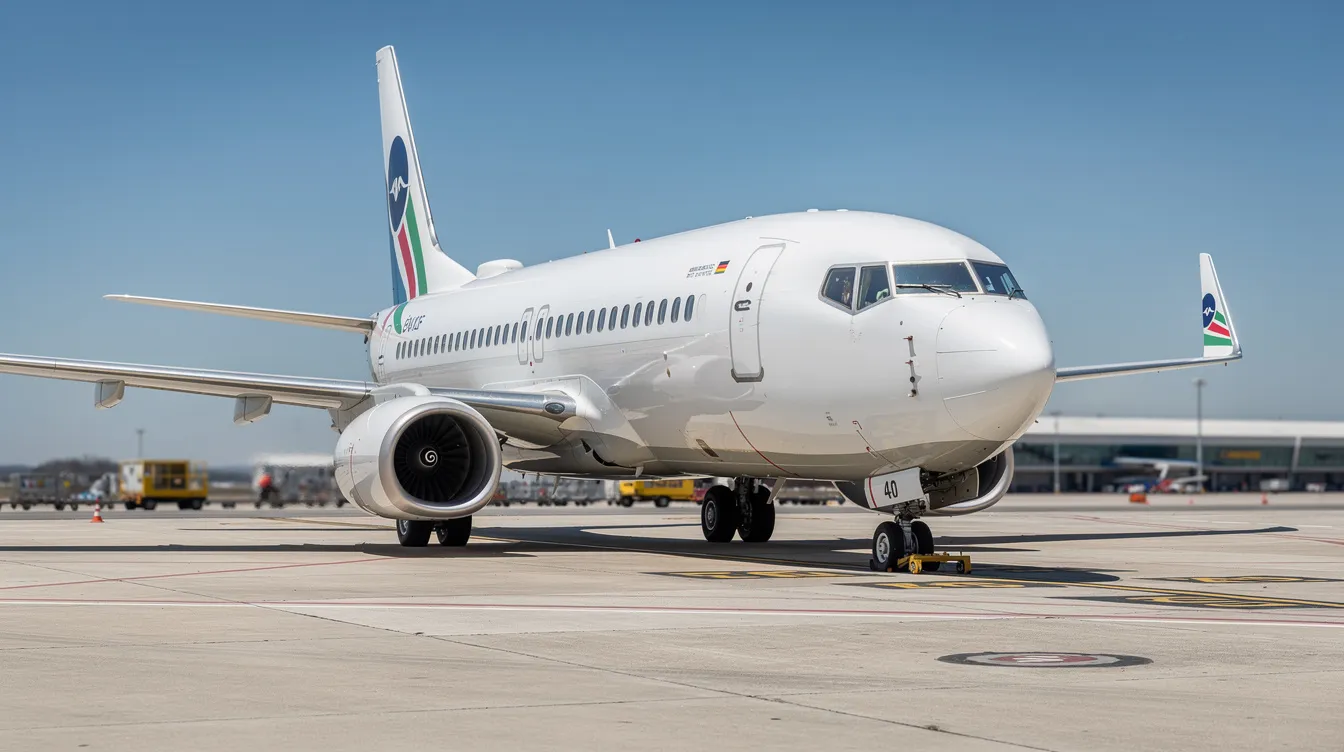
The Boeing 737-700 boasts a strong safety record since its introduction in 1998, distinct from the 737 MAX series. Governed by the FAA and other global regulators, its safety is maintained through rigorous inspections and operator compliance. Passengers can trust the 737-700 for both commercial and private charters, as it lacks the controversial MCAS system found in the MAX models.
Jay Franco Serevilla
Oct 17, 2026
|
5
min read
View all
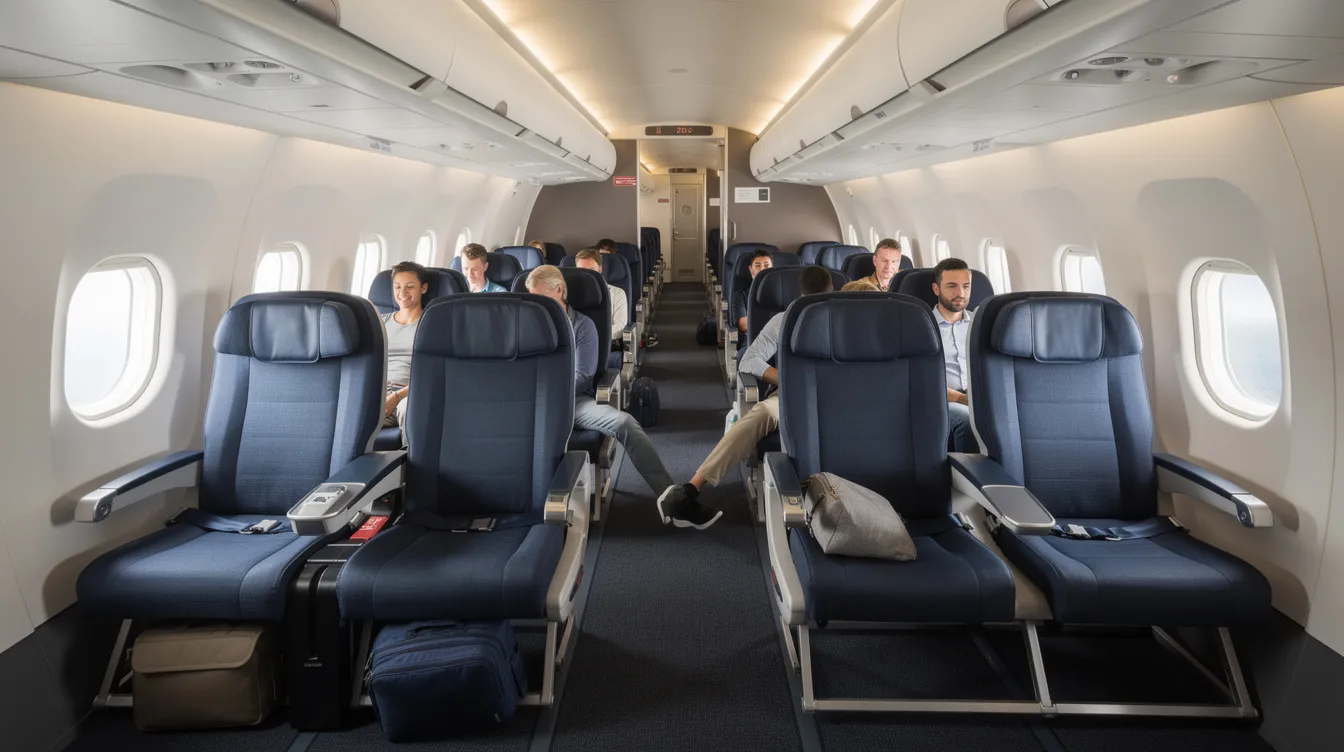
Navigating the Delta Comfort Plus seating chart can enhance your travel experience by providing extra legroom and amenities. This guide details how to choose the best seats, understand aircraft layouts, and when to consider private jet charters for more comfort. Discover the benefits of Comfort Plus and how it compares to other classes, ensuring you arrive at your destination refreshed.
Jay Franco Serevilla
Oct 17, 2026
|
5
min read

View all
The Boeing 737-800 is a leading narrowbody airliner known for its maximum speed of Mach 0.82, translating to approximately 620-630 mph. In practice, it typically cruises at Mach 0.78-0.79, balancing speed and fuel efficiency for airlines and charter operators. With a range of about 2,935 nautical miles and seating for up to 189 passengers, it serves both commercial and private charter needs effectively.
Jay Franco Serevilla
Oct 17, 2026
|
5
min read

View all
Golden State Flying Club in San Diego offers accessible flight training and affordable aircraft rental at Gillespie Field. With a focus on community and cost-effective learning, the club supports aspiring pilots through structured programs and experienced instructors. Members enjoy flexible scheduling and the opportunity to fly a well-maintained fleet of aircraft for both training and personal trips.
Jay Franco Serevilla
Oct 17, 2026
|
5
min read
View all
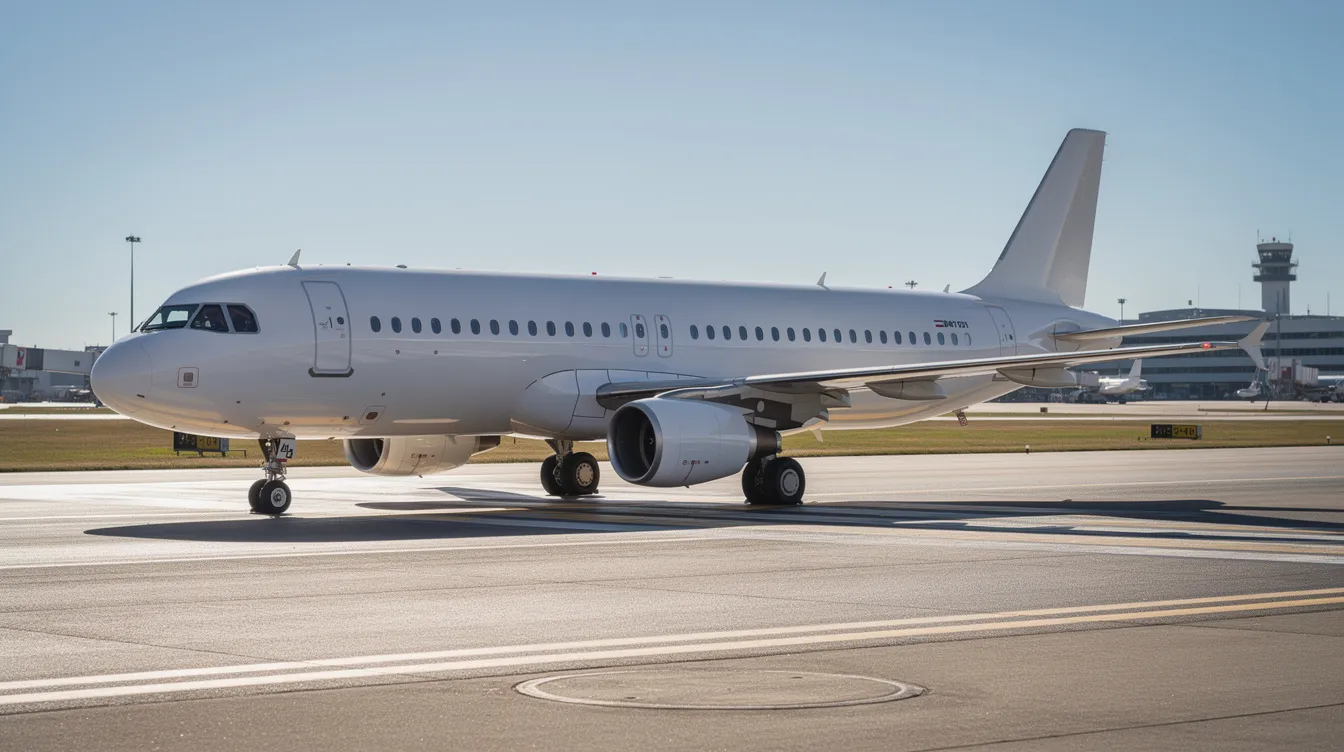
The Boeing 737-800, measuring 129 ft 6 in (39.47 m), is a leading single-aisle airliner known for its passenger capacity and operational efficiency. This guide provides insights into its dimensions, seating configurations, and charter use, making it essential for airlines and charter customers. Understanding the 737-800's specifications helps optimize route planning and enhance passenger experience.
Jay Franco Serevilla
Oct 17, 2026
|
5
min read

View all
The Boeing 737-800 is a widely used single-aisle aircraft with a maximum range of approximately 3,377 nautical miles. However, real-world factors such as payload, weather, and airport conditions can significantly affect its effective range, typically reducing it to 2,800 to 3,100 nautical miles for commercial operations. This guide provides insights into the aircraft's range capabilities and practical considerations for travelers and charter customers.
Jay Franco Serevilla
Oct 17, 2026
|
5
min read
Explore our latest articles and updates.

5
min read
ONEflight International, Golf Partnerships, and How Jettly Fits Into Modern Private Aviation
ONEflight International and Jettly are revolutionizing private aviation with their digital platforms that simplify the booking process for travelers. By connecting users to extensive aircraft networks, they offer flexible options for corporate executives and leisure travelers alike. The upcoming ONEflight Myrtle Beach Classic highlights the synergy between private aviation and high-profile events, showcasing how these companies cater to affluent clients seeking convenience and luxury.
Read More
5
min read
Value Jet Flights, History, and How Private Charter Compares
ValueJet has established itself in Nigerian aviation since late 2022, offering scheduled flights across West and Central Africa. While it provides accessible regional travel, private charter services like Jettly offer greater flexibility for complex itineraries and underserved routes. This article explores the offerings of ValueJet and how private charters can complement scheduled flights.
Read MoreJoin our community and receive the latest blog updates directly in your inbox.
MEMBERSHIPS AND ASSOCIATIONS



Disclaimer: Jettly operates as a charter broker, offering access to a global digital jet charter marketplace. Jettly is not a direct air carrier and does not own or operate aircraft. All advertised flights are conducted by third-party air carriers that are fully licensed and hold the appropriate Part 135 or Part 121 certifications issued by the Federal Aviation Administration (FAA) or equivalent regulatory authorities under U.S. or foreign law. Jettly complies fully with the U.S. Department of Transportation's Part 295 and Part 298 Charter Broker regulations. Jettly does not carry additional liability insurance. Passengers are covered by aircraft operator insurance. TICO: 50023770


