



Login
Get Instant Pricing On 23,000+ Aircraft


Cotulla–La Salle County Airport (KCOT) is a key private jet gateway in South Texas, featuring a 6,005-foot runway and 24/7 automated weather reporting. It serves corporate executives and travelers in the Eagle Ford Shale region, offering efficient access without the hassle of larger commercial airports. This guide provides essential information for private jet travelers, including airport features, services, and how to book through Jettly.
Jay Franco Serevilla
Aug 5, 2026
|
5
min read


View all
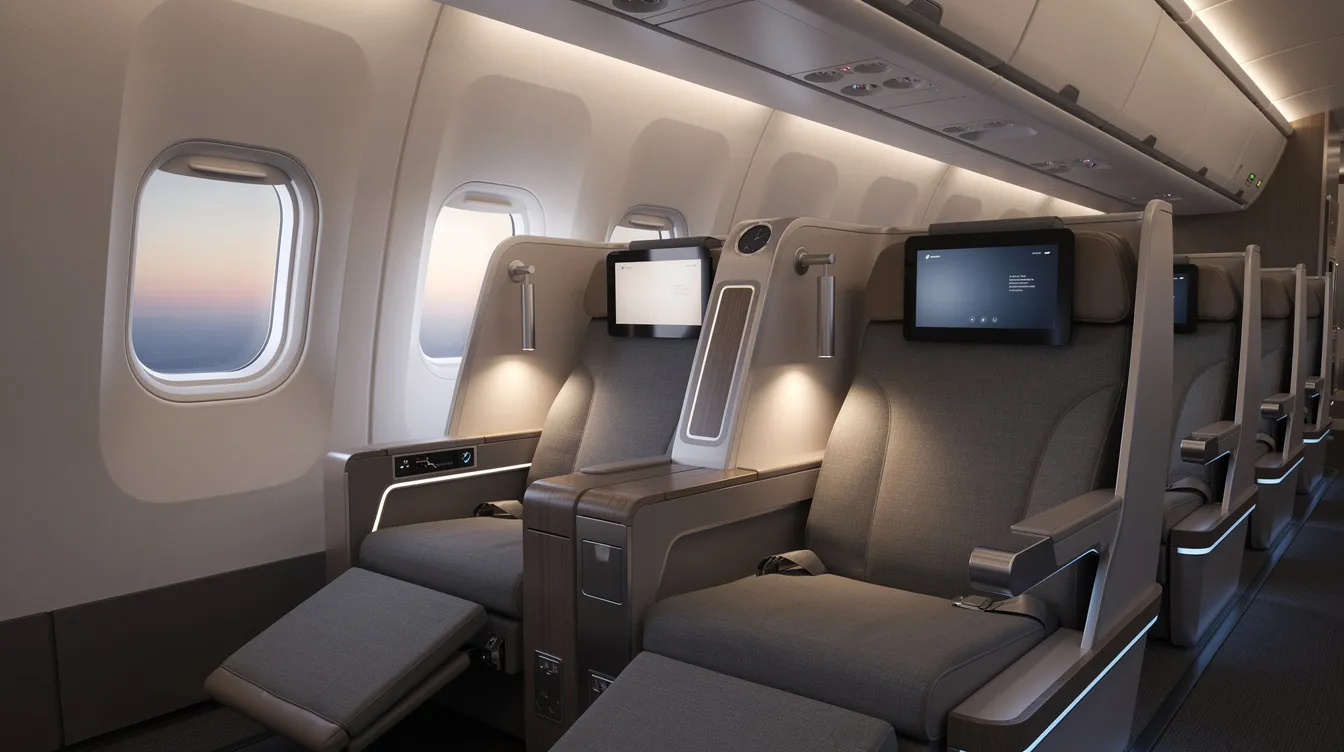
Flying business class offers travelers enhanced comfort, priority services, and access to airport lounges, making long-haul flights more enjoyable. However, for those seeking ultimate privacy and flexibility, private jet charters through platforms like Jettly present a compelling alternative. This guide explores the benefits, costs, and comparisons between business class and private jet travel.
Jay Franco Serevilla
Oct 14, 2026
|
5
min read

View all
Understanding helicopter fuel prices is essential for charter flight customers, as fuel is the largest variable cost in helicopter operations. This article details current fuel prices, burn rates across various helicopter models, and regional price variations, helping customers make informed decisions. Jettly's transparent pricing model incorporates these factors, ensuring no surprises during booking.
Jay Franco Serevilla
Oct 13, 2026
|
5
min read

View all
Finding the best time to book local flights can be challenging due to fluctuating prices. This guide provides insights on optimal booking windows, travel days, and when private jets may be a cost-effective alternative. By understanding pricing dynamics and utilizing flexible travel strategies, travelers can secure the best deals on domestic flights.
Jay Franco Serevilla
Oct 13, 2026
|
5
min read

View all
Traveling from New York to Key West offers various options, including direct flights taking about 3-4 hours and private jet charters for added flexibility. Major airlines like American, Delta, and JetBlue operate on this route, with the best prices typically found when booked 40 days in advance. Jettly provides private jet services, allowing travelers to bypass long security lines and enjoy a more personalized experience.
Jay Franco Serevilla
Oct 13, 2026
|
5
min read

View all
Empty leg flights to Hawaii provide significant savings on private jet travel, offering discounts of 30% to 75% compared to standard charter prices. Jettly's platform connects flexible travelers with available empty legs, making luxury travel to the islands more accessible. This guide explains how empty legs work, key airports, and tips for booking the best deals.
Jay Franco Serevilla
Oct 13, 2026
|
5
min read

View all
The Boeing Space Freighter was a groundbreaking concept for a fully reusable cargo spaceplane proposed in the 1970s, designed to transport 420 tons to low Earth orbit. Although it was never built, its ambitious vision continues to influence modern aerospace developments and the future of space travel. This article delves into its design, historical context, and implications for commercial and private travel.
Jay Franco Serevilla
Oct 13, 2026
|
5
min read
Explore our latest articles and updates.
5
min read
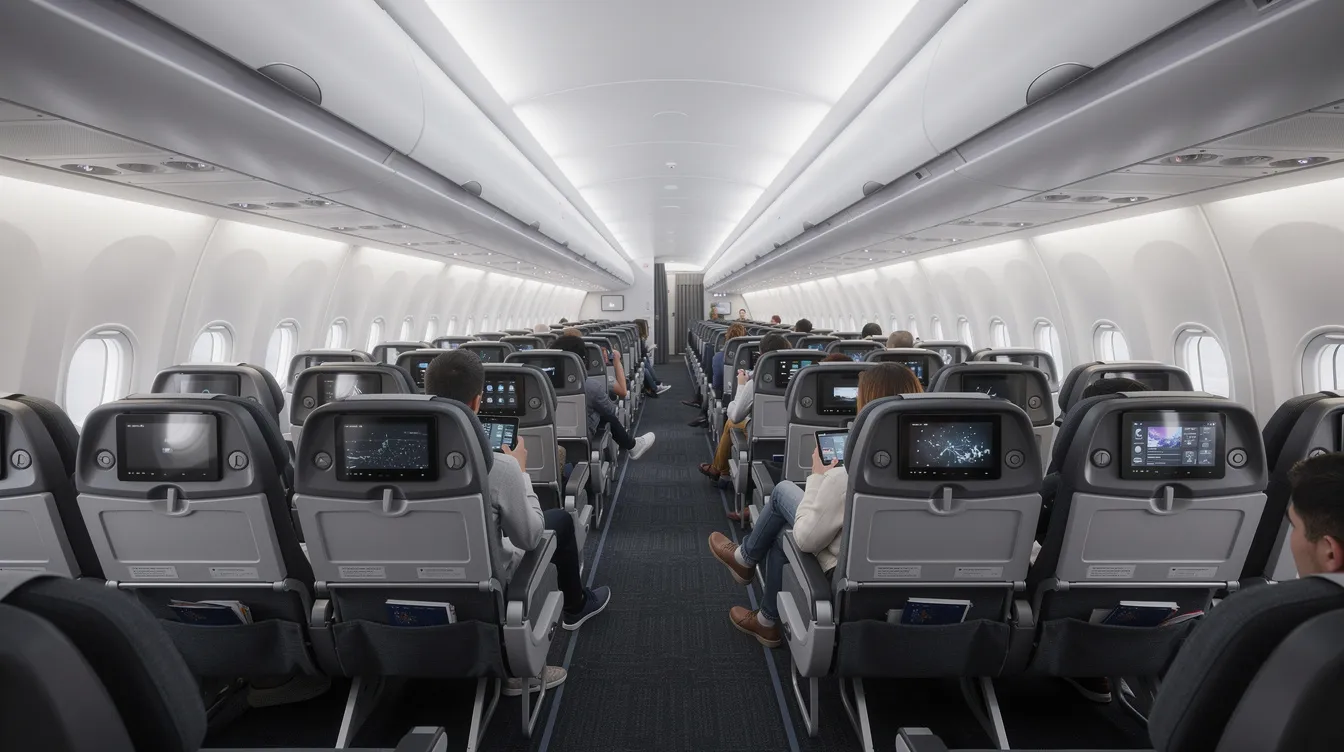
Guru Seat Delta: How to Read Delta Air Lines Seat Maps and Find the Best Seats
Mastering Delta Air Lines seat maps is essential for travelers seeking comfort and convenience. This guide helps you navigate different aircraft types, cabin classes, and seat selection strategies, ensuring an informed travel experience. For those prioritizing control and flexibility, private jet charters through platforms like Jettly offer an appealing alternative.
Read More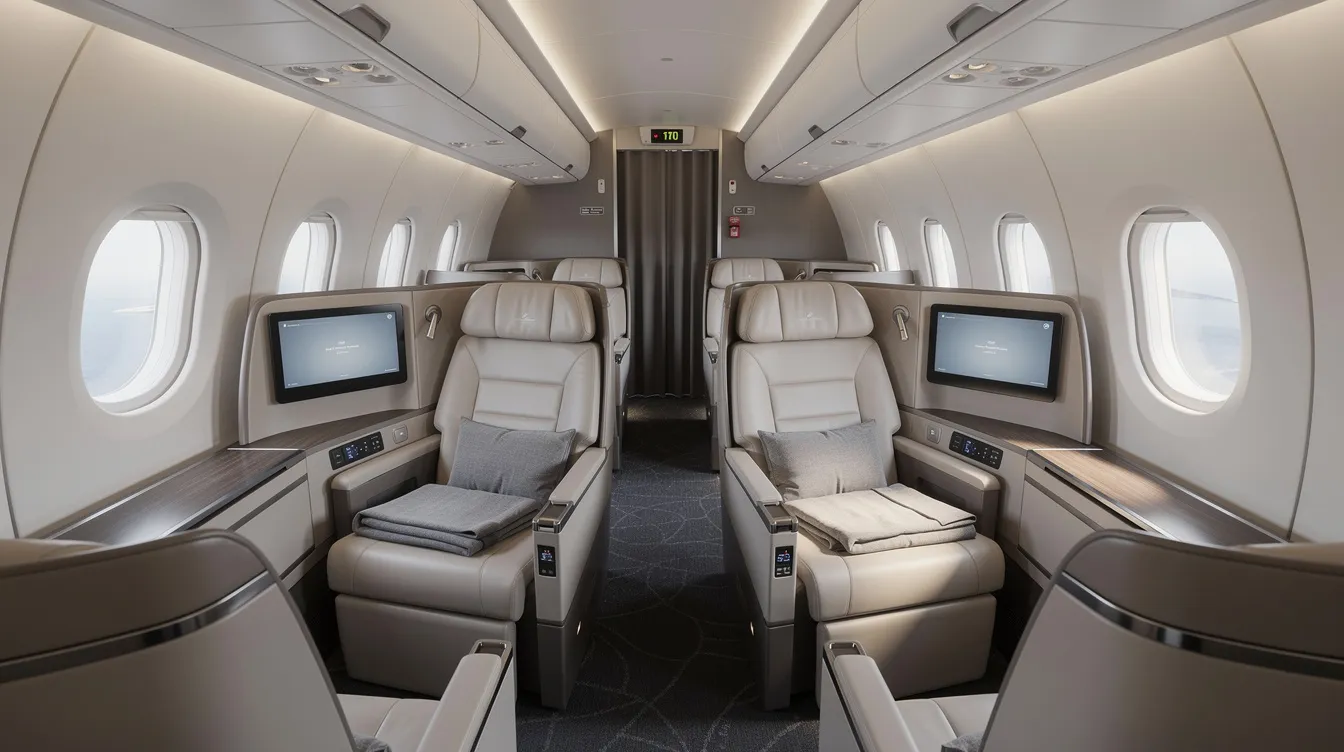
5
min read
Delta First Class Seat Width: How Comfortable Are Delta's First Class Seats?
Delta's First Class seats offer a width ranging from 19.5 to 21 inches, providing a significant upgrade in comfort compared to economy class. With added legroom, deeper recline, and premium amenities, these seats enhance the travel experience, especially on longer flights. For those seeking even more space and customization, private jet charters through platforms like Jettly are an appealing alternative.
Read MoreJoin our community and receive the latest blog updates directly in your inbox.
MEMBERSHIPS AND ASSOCIATIONS



Disclaimer: Jettly operates as a charter broker, offering access to a global digital jet charter marketplace. Jettly is not a direct air carrier and does not own or operate aircraft. All advertised flights are conducted by third-party air carriers that are fully licensed and hold the appropriate Part 135 or Part 121 certifications issued by the Federal Aviation Administration (FAA) or equivalent regulatory authorities under U.S. or foreign law. Jettly complies fully with the U.S. Department of Transportation's Part 295 and Part 298 Charter Broker regulations. Jettly does not carry additional liability insurance. Passengers are covered by aircraft operator insurance. TICO: 50023770


