



Login
Get Instant Pricing On 23,000+ Aircraft

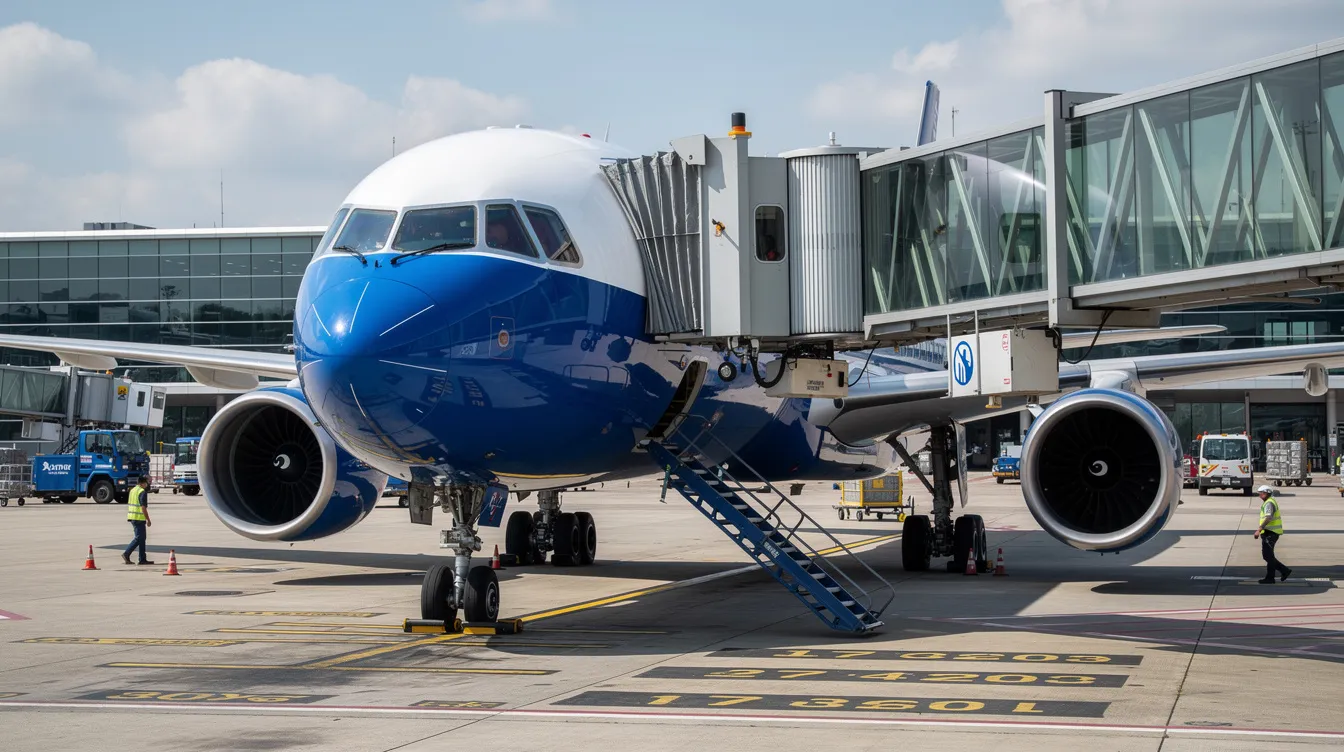
Delta Air Lines Flight DL 767 connects New York and Los Angeles using a Boeing 767-300ER, known for its reliability and comfort. This article explores the flight's features, the aircraft's specifications, and private jet alternatives for travelers seeking flexibility. With Delta planning to retire the 767-300ER by 2030, understanding your options is crucial for future travel.
Jay Franco Serevilla
Oct 25, 2026
|
5
min read


View all
Delta ticket classes are defined by single-letter booking codes that determine fare, perks, and upgrade eligibility. Understanding these classes is crucial for frequent flyers and corporate travel planners, as they impact mileage earning and overall travel experience. For those seeking more flexibility and transparency, private jet charters like Jettly offer a compelling alternative to navigating Delta's complex fare structure.
Jay Franco Serevilla
Nov 1, 2026
|
5
min read
View all
Delta Perks encompass a range of benefits including employee discounts, the Total Rewards compensation package, and the SkyMiles loyalty program. While Delta offers significant advantages for frequent flyers, private jet charters through Jettly provide unmatched flexibility and privacy for time-sensitive travel. This guide compares the two options to help travelers choose the best fit for their needs.
Jay Franco Serevilla
Nov 1, 2026
|
5
min read
View all
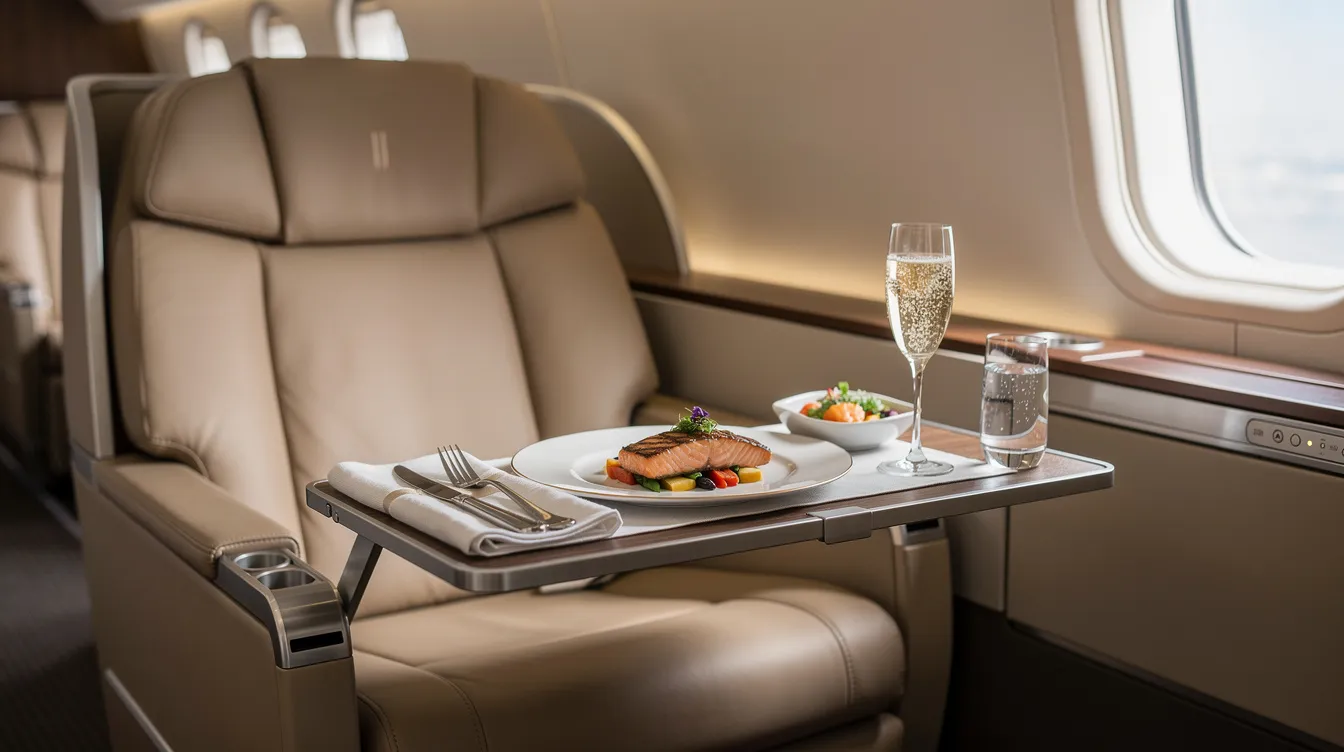
Delta First Class meal service varies by flight length and time, offering premium snacks on short flights and plated meals on longer journeys. Passengers can pre-select meals and request special dietary options, enhancing their dining experience. For those seeking more customization, private jet charters provide greater control over meal choices and timing.
Jay Franco Serevilla
Nov 1, 2026
|
5
min read
View all
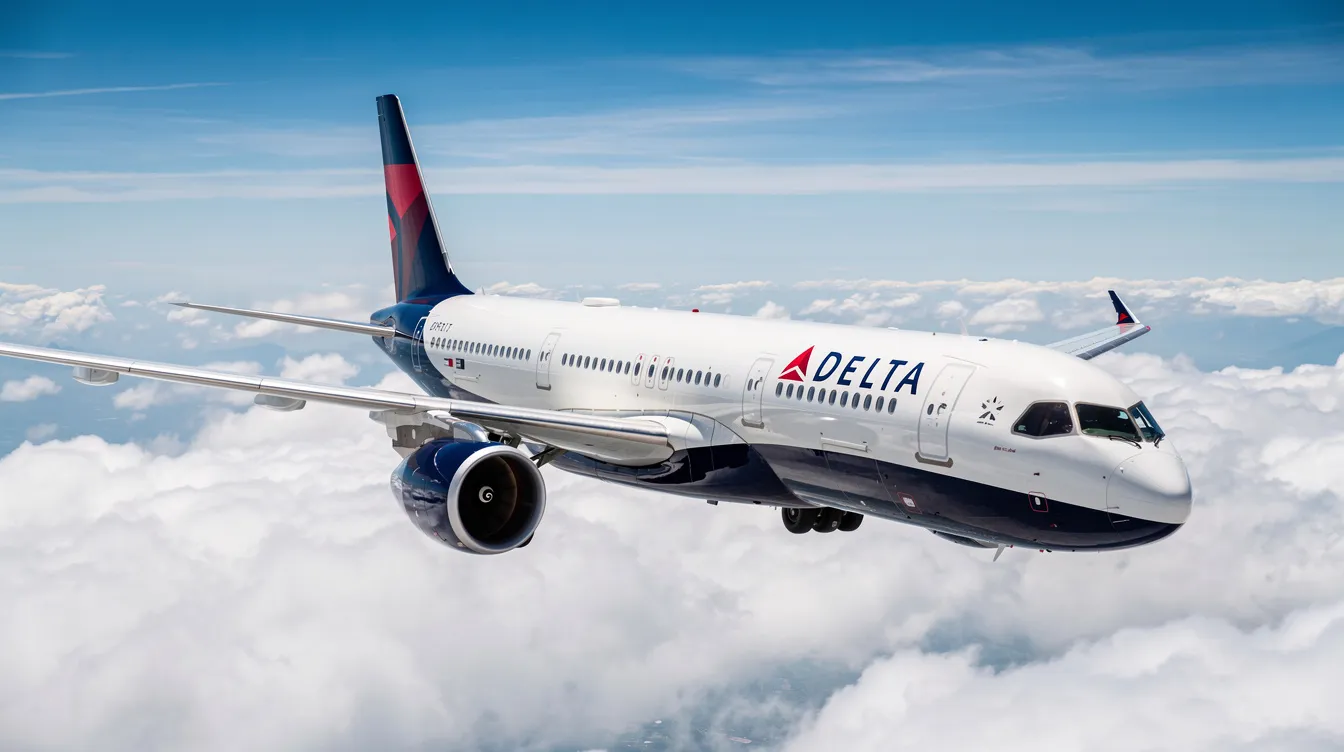
Delta Air Lines is set to change its beverage service starting May 19, 2026, removing complimentary snacks and drinks on flights under 350 miles for Delta Comfort and Main Cabin passengers. First Class will continue to receive full service on all routes. This policy aims to enhance service consistency and operational efficiency across the airline's network.
Jay Franco Serevilla
Nov 1, 2026
|
5
min read

View all
Flight prices can increase rapidly due to real-time pricing algorithms, booking surges, and changes in seat inventory. Understanding these dynamics allows travelers to make informed decisions, whether adjusting travel dates or considering private jet charters for better control over costs. This guide explores the reasons behind fare spikes and offers strategies to manage travel expenses effectively.
Jay Franco Serevilla
Oct 31, 2026
|
5
min read

View all
Planes typically fly at 35,000 feet because this altitude optimizes fuel efficiency, engine performance, and passenger comfort while minimizing turbulence. The thin air at this height reduces aerodynamic drag, allowing aircraft to travel faster and consume less fuel. Additionally, flying at this altitude helps avoid most weather disturbances, ensuring a smoother ride for passengers.
Jeff Ryan Serevilla
Oct 31, 2026
|
5
min read
Explore our latest articles and updates.

5
min read
Fractional Ownership vs Jet Card vs Charter: Which Is Right for You?
This guide compares three private aviation options: fractional ownership, jet cards, and on-demand charter, highlighting their distinct trade-offs in cost, commitment, flexibility, and aircraft consistency. Fractional ownership requires a significant upfront investment and long-term commitment, making it suitable for frequent flyers (100-200+ hours/year) who value consistent access to a specific aircraft. Jet cards offer a more flexible, pay-as-you-go model ideal for moderate flyers (25-100 hours/year) seeking predictable pricing without ownership risks. On-demand charter is the most flexible and cost-effective option for occasional flyers (under 25 hours/year), allowing users to pay only for the flights they take without any long-term commitments.
Read More
5
min read
How Fractional Jet Ownership Works: The Complete Guide
Fractional jet ownership allows individuals or companies to purchase a share of a specific aircraft, typically ranging from 1/16 to 1/2, granting them a proportional number of flight hours annually and access to equivalent aircraft when their own is unavailable. This model provides the benefits of private jet travel, including professional management and operational ease, while reducing the financial burden compared to full ownership. Owners can expect to fly between 50 to 400 hours per year, depending on their share size, and the management company handles all operational aspects under FAA regulations. While fractional ownership requires a significant initial investment and ongoing fees, it offers equity and flexibility, making it suitable for frequent flyers, whereas those flying less may prefer alternatives like jet cards or charter services.
Read MoreJoin our community and receive the latest blog updates directly in your inbox.
MEMBERSHIPS AND ASSOCIATIONS



Disclaimer: Jettly operates as a charter broker, offering access to a global digital jet charter marketplace. Jettly is not a direct air carrier and does not own or operate aircraft. All advertised flights are conducted by third-party air carriers that are fully licensed and hold the appropriate Part 135 or Part 121 certifications issued by the Federal Aviation Administration (FAA) or equivalent regulatory authorities under U.S. or foreign law. Jettly complies fully with the U.S. Department of Transportation's Part 295 and Part 298 Charter Broker regulations. Jettly does not carry additional liability insurance. Passengers are covered by aircraft operator insurance. TICO: 50023770


