


Login
Get Instant Pricing On 23,000+ Aircraft


The Cessna 172 Skyhawk typically has a practical range of 500 to 640 nautical miles, depending on factors such as fuel capacity, weight, weather, and flight settings. While it is an excellent choice for training and short regional flights, its limitations make it unsuitable for long-distance travel without multiple fuel stops. For business or longer trips, private jets offer faster, more comfortable, and non-stop options, which can be accessed through platforms like Jettly. Understanding the capabilities of a Cessna is crucial for effective flight planning and ensuring safe travel.
Jay Franco Serevilla
May 22, 2026
|
5
min read



View all
Peaks Jets offers insights into private jet travel during high-demand periods, focusing on mountain airports and comfort expectations. Understanding peak demand, operational challenges, and aircraft suitability can enhance your travel experience. Jettly provides tools and resources to navigate these complexities effectively.
Jay Franco Serevilla
Sep 3, 2026
|
5
min read
View all
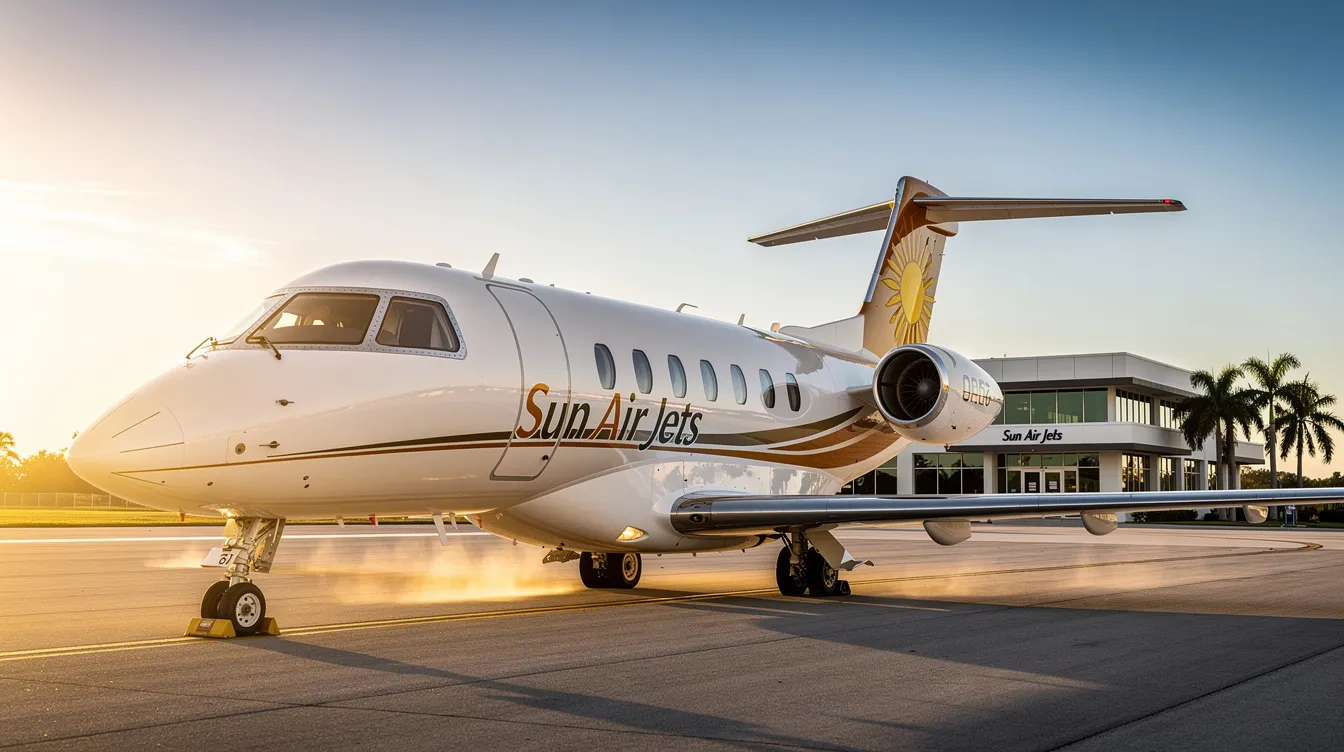
Sun Air Jets is a premier private jet charter operator in Southern California, offering elite aircraft and exceptional safety standards. Jettly enhances the charter experience by providing a digital platform that connects travelers with over 20,000 aircraft worldwide, allowing for easy comparison and booking. This guide helps travelers navigate their private aviation options, emphasizing convenience and flexibility.
Jay Franco Serevilla
Sep 3, 2026
|
5
min read

View all
Late August to early September triggers a surge in private aviation as summer travel ends, corporate travel resumes, and families transport students to major universities. Key hubs like Teterboro Airport (KTEB) and Dallas Love Field (KDAL) experience significant congestion, tight landing slots, and higher rates. To navigate these seasonal bottlenecks, charter operators must plan logistics and crew schedules in advance to accommodate flyer demand and ensure seamless travel.
Roz C
Sep 3, 2026
|
5
min read

View all
This article explores Tiger Woods' $53 million Gulfstream G550 and how high-performance private aviation serves as a crucial tool for top athletes. Beyond comfort and luxury, the jet's low cabin altitude pressurization, massive storage for specialized physio equipment, and direct long-range flight capabilities help Woods manage chronic injuries and travel fatigue while navigating a demanding global competition schedule.
Roz C
Sep 1, 2026
|
5
min read

View all
This guide provides insights into helicopter flying times, helping travelers understand what to expect when booking a flight. Factors such as distance, weather, and aircraft type influence the duration of flights, with typical airborne times ranging from 15 to 60 minutes. Knowing these details allows for better planning and a more enjoyable charter experience.
Jay Franco Serevilla
Sep 1, 2026
|
5
min read
View all
This guide provides insights into helicopter flying times, helping travelers understand what to expect when booking a flight. Factors such as distance, weather, and aircraft type influence the duration of flights, with typical airborne times ranging from 15 to 60 minutes. Knowing these details allows for better planning and a more enjoyable charter experience.
Jay Franco Serevilla
Aug 30, 2026
|
5
min read
Explore our latest articles and updates.
5
min read
Citation V Ultra vs Citation Ultra: Light Jet Guide for Private Charter
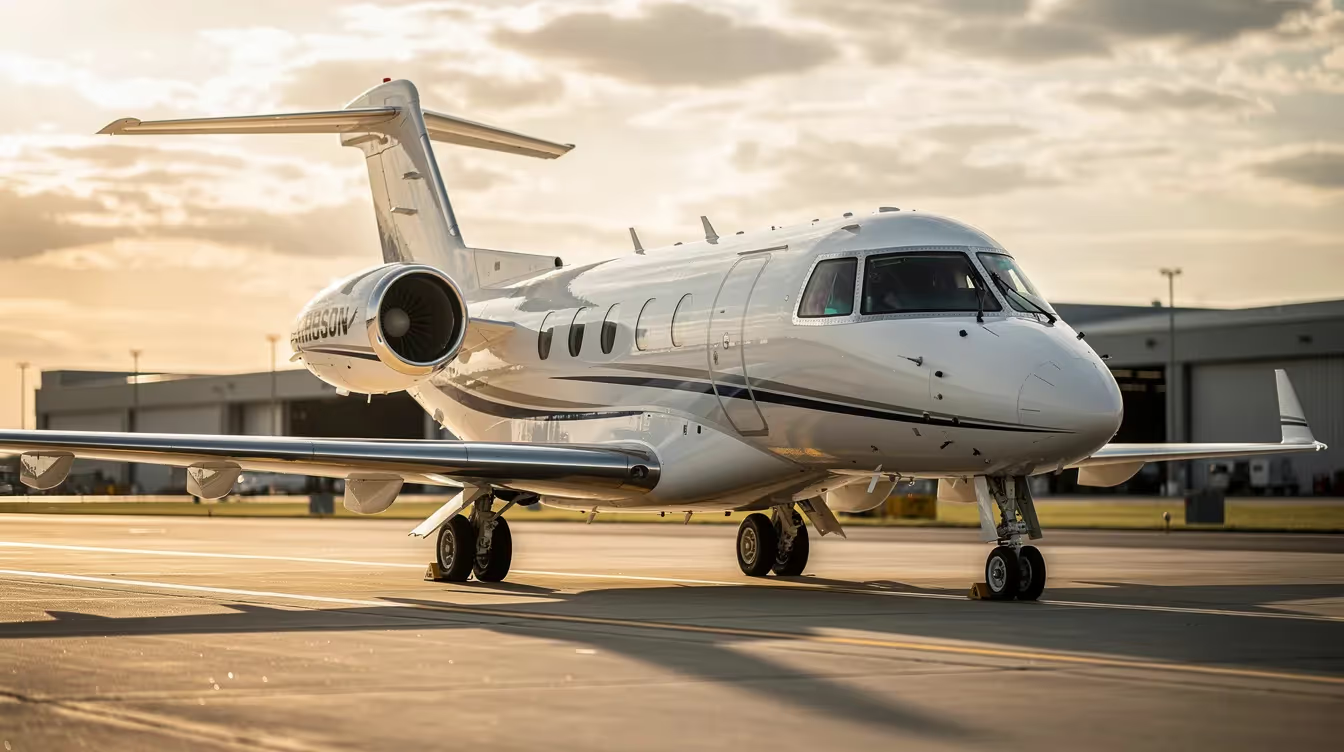
The Citation V Ultra and Citation Ultra refer to the same upgraded Cessna Citation light jet, recognized for its performance and comfort, particularly for regional travel. This aircraft, produced between 1994 and 1999, features enhanced engines and avionics, accommodating up to eight passengers in a spacious cabin. It excels on routes of approximately 1,000–1,500 nautical miles, making it a popular choice for private charters. Jettly's platform allows users to compare options and access real-time pricing, simplifying the booking process for travelers seeking efficient private jet services.
Read More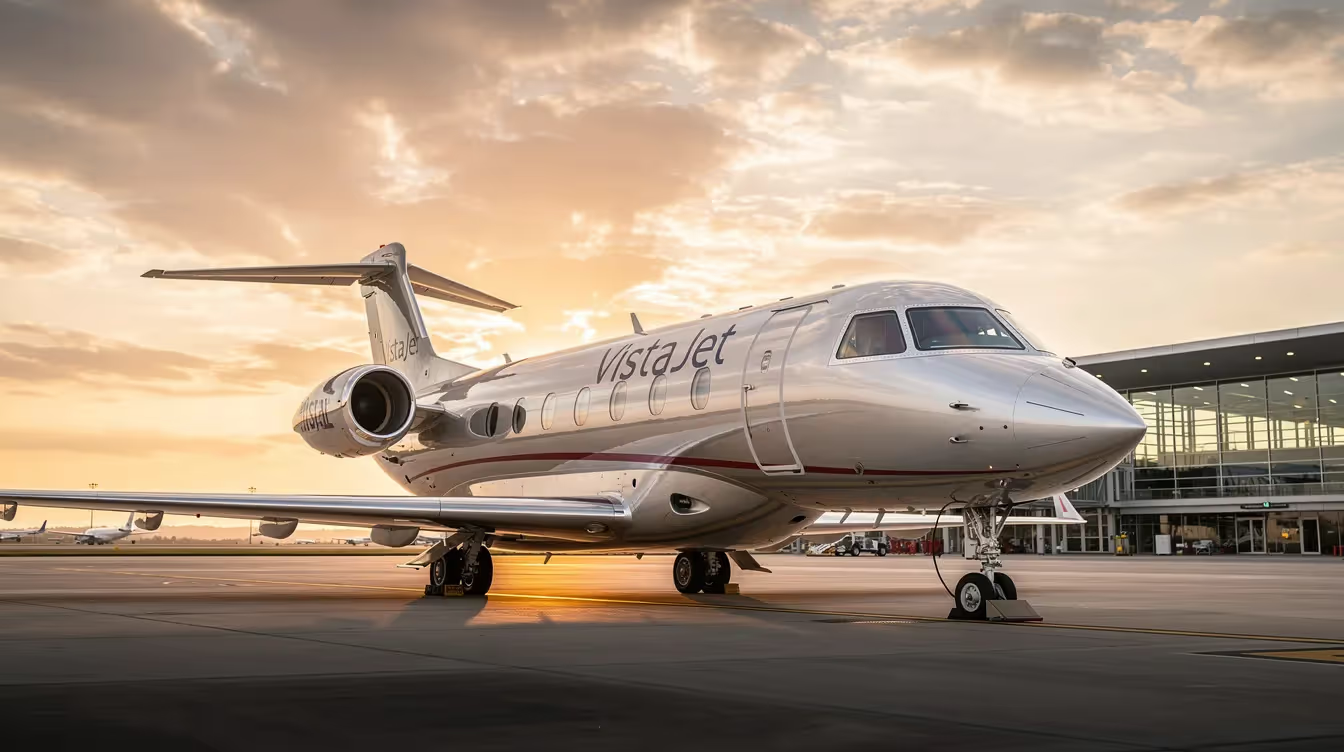
5
min read
VistaJet Company: Profile, Fleet, and How It Compares to Digital Charter Platforms Like Jettly
VistaJet is a global business aviation company that provides high-net-worth individuals and corporations with access to a branded fleet of Bombardier aircraft, emphasizing consistent service and guaranteed availability through a membership model. The company has expanded its operations significantly since its founding in 2004, catering to a growing demand for private jet travel to cooler and European destinations. In contrast, digital charter platforms like Jettly offer on-demand access to a wider range of aircraft without long-term commitments, appealing to occasional flyers seeking flexibility and cost transparency. Travelers can choose between VistaJet's membership-based model for frequent flying and Jettly's pay-as-you-go approach based on their specific travel needs.
Read MoreJoin our community and receive the latest blog updates directly in your inbox.
MEMBERSHIPS AND ASSOCIATIONS



Disclaimer: Jettly operates as a charter broker, offering access to a global digital jet charter marketplace. Jettly is not a direct air carrier and does not own or operate aircraft. All advertised flights are conducted by third-party air carriers that are fully licensed and hold the appropriate Part 135 or Part 121 certifications issued by the Federal Aviation Administration (FAA) or equivalent regulatory authorities under U.S. or foreign law. Jettly complies fully with the U.S. Department of Transportation's Part 295 and Part 298 Charter Broker regulations. Jettly does not carry additional liability insurance. Passengers are covered by aircraft operator insurance. TICO: 50023770


