



Login
Get Instant Pricing On 23,000+ Aircraft


Global air charter has evolved into a practical travel solution for executives and families, offering on-demand private flights without ownership. Jettly's platform connects travelers to over 20,000 aircraft, providing transparent pricing and flexible booking options. This guide explains how global air charter works and the benefits of using Jettly for your travel needs.
Jay Franco Serevilla
Aug 2, 2026
|
5
min read



View all
Air X represents a category of private jet charter operators known for their diversified fleets and integrated jet support, ensuring flexibility and safety. With over 7,050 flights in 2023, AirX Charter exemplifies excellence in private aviation, catering to corporate executives and high-net-worth individuals. Digital platforms like Jettly enhance access to these services, allowing travelers to book tailored flights effortlessly.
Jeff Ryan Serevilla
Oct 22, 2026
|
5
min read

View all
Helidosa Aviation Group is a leading private aviation operator in the Dominican Republic, offering a range of services including private jet charters and helicopter tours. Established in 1992, the company has expanded its fleet and services to cater to leisure and business travelers across the Caribbean and Americas. While Helidosa boasts a strong safety record, it has faced incidents that travelers should consider when booking.
Jeff Ryan Serevilla
Oct 22, 2026
|
5
min read
View all
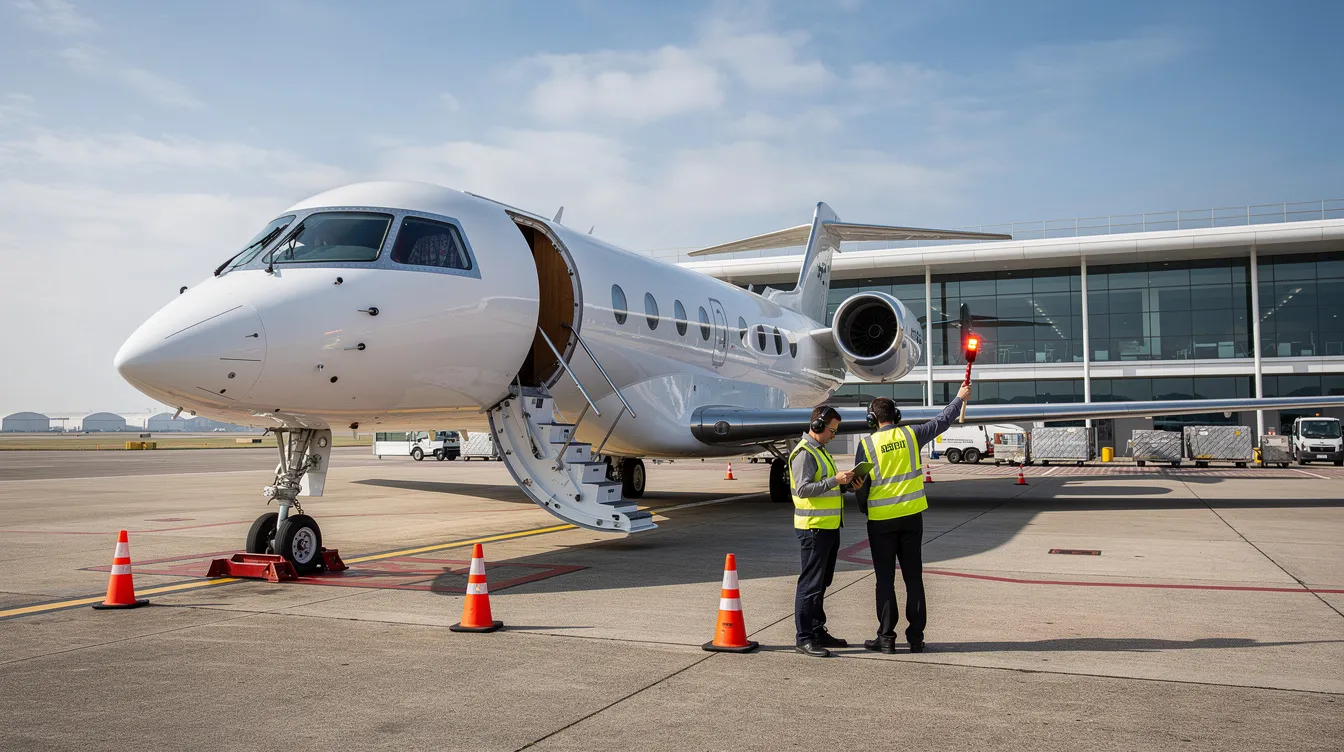
Every private jet has a unique jet number, also known as a tail number, which serves as its identification in the aviation world. This alphanumeric code is crucial for air traffic control, legal records, and flight tracking, ensuring safety and compliance. Understanding jet numbers can enhance the private jet booking experience, providing travelers with essential information about the aircraft.
Jeff Ryan Serevilla
Oct 22, 2026
|
5
min read

View all
Robert Gray Army Airfield (KGRK) serves as a vital joint-use airfield for Fort Hood and the Killeen area, facilitating both military and commercial aviation. With a 9,997-foot runway and 24-hour operations, it supports a range of aircraft and offers direct access to Central Texas. This travel guide provides essential information for military personnel, families, and business travelers using KGRK.
Jeff Ryan Serevilla
Oct 21, 2026
|
5
min read

View all
Floyd W. Jones Lebanon Airport (KLBO) is a premier general aviation airport in Lebanon, Missouri, catering to private jet travelers. With a 5,000-foot runway and dedicated FBO services, it offers a convenient alternative to larger airports, ensuring faster turnarounds and less congestion for corporate and leisure travelers alike.
Jeff Ryan Serevilla
Oct 21, 2026
|
5
min read

View all
FlightAware is a leading flight tracking platform that provides real-time data on commercial and general aviation flights. It offers features like live maps, flight status updates, and historical data, making it ideal for travelers and aviation enthusiasts. However, for those needing to book private flights, Jettly serves as a complementary service, offering access to a vast inventory of aircraft and transparent pricing.
Jay Franco Serevilla
Oct 21, 2026
|
5
min read
Explore our latest articles and updates.

5
min read
Private Jet from Chicago to Las Vegas: Flight Time, Cost & Best Charter Options
Chartering a private jet from Chicago to Las Vegas offers a swift and convenient travel option, covering approximately 1,500 miles in about 3.5 hours. With various aircraft options available, travelers can enjoy significant time savings and avoid crowded commercial airports. Jettly's platform provides transparent pricing and access to over 20,000 private jets, making it easy to find the right charter for your needs.
Read More
5
min read
Phoenix to Las Vegas Flight Time: How Long Is the Trip and What Are Your Options?
The flight time from Phoenix to Las Vegas averages about 1 hour and 12 minutes for nonstop commercial flights. With three airlines offering direct service, travelers can choose between convenience and speed, or opt for private jet charters for a quicker door-to-door experience. Factors like airport logistics and flight schedules can influence total travel time, making it essential to consider all options before booking.
Read MoreJoin our community and receive the latest blog updates directly in your inbox.
MEMBERSHIPS AND ASSOCIATIONS



Disclaimer: Jettly operates as a charter broker, offering access to a global digital jet charter marketplace. Jettly is not a direct air carrier and does not own or operate aircraft. All advertised flights are conducted by third-party air carriers that are fully licensed and hold the appropriate Part 135 or Part 121 certifications issued by the Federal Aviation Administration (FAA) or equivalent regulatory authorities under U.S. or foreign law. Jettly complies fully with the U.S. Department of Transportation's Part 295 and Part 298 Charter Broker regulations. Jettly does not carry additional liability insurance. Passengers are covered by aircraft operator insurance. TICO: 50023770


